
Clinically reviewed by Dr. Ponlawat Pitsuwan, Physician, Doctor Bangkok. Last reviewed: September 2026
Mesenchymal stromal cells (MSCs) are multipotent cells found in bone marrow, fat tissue, and umbilical cord tissue. They work primarily by releasing signals that calm the immune system and support tissue repair, not by turning into new cells. Clinical evidence is strongest for steroid-resistant graft-versus-host disease. Most other applications, including anti-aging and joint pain, remain investigational.
I see more patients asking about MSC therapy now than at any point in the past decade here. Most are expats who have done serious research, read conflicting things online, and want a straight answer before committing to anything. That is exactly the right instinct.
The honest version: mesenchymal stromal cells are one of the most studied areas in regenerative medicine, with a real and growing evidence base for specific conditions. But a lot of what is being marketed in Bangkok runs well ahead of what the clinical trials actually show. Here is the full picture so you can decide based on reality, not brochure language.

What Are Mesenchymal Stromal Cells?
MSCs are cells found in connective tissue throughout the body. Their natural job is to maintain the local cellular environment. They can develop into bone, cartilage, or fat cells under the right conditions, which is why they are classified as multipotent.
Their more clinically relevant ability is different, though. They release a wide range of signalling molecules that change how nearby immune cells behave. That is what makes them therapeutically useful.
To qualify as an MSC, cells must meet criteria defined by the International Society for Cell and Gene Therapy, or ISCT. The standard includes specific surface markers and the ability to form bone, fat, and cartilage cells in a laboratory setting.
MSC Versus Mesenchymal Stem Cell: Why the Name Matters
Every clinic brochure in Bangkok uses these two terms as if they mean the same thing. They do not, and the distinction matters.
The ISCT formally recommended "mesenchymal stromal cells" over "stem cells" in 2019 and reaffirmed that position in 2025. The reason is practical. In the body, these cells rarely replace tissue directly. They work mainly by sending chemical signals. Calling them stem cells implies a regenerative mechanism that the science largely does not support.
The acronym MSC stays the same either way. But if a clinic is leaning heavily on "stem cell" language to describe what these cells do, that is worth paying attention to. It often reflects marketing rather than clinical accuracy.

Where Do Mesenchymal Stromal Cells Come From?
Bone Marrow
Bone marrow was the original source and has the longest clinical track record. The drawback is the collection process. A bone marrow harvest is invasive and uncomfortable. Cells taken from your own body carry no rejection risk, but yield lower numbers and lose potency with age.
Umbilical Cord (Wharton’s Jelly)
Most Bangkok clinics use umbilical cord MSCs. The cord’s inner tissue, called Wharton’s jelly, is ethically available after birth and yields cells with high proliferative capacity. These come from a donor, but MSCs are considered immunoprivileged, meaning they rarely trigger a rejection response.
Adipose Tissue
Fat-derived MSCs are collected through a minor liposuction procedure. They are abundant and relatively easy to harvest. Research on adipose MSCs for systemic conditions is less mature than for bone marrow, but they are commonly used in joint and orthopaedic applications.
Source matters. It affects cell quantity, age, and therapeutic behaviour. Ask any clinic where their cells come from, how donors are screened, and whether the laboratory is GMP-certified.
How Mesenchymal Stromal Cells Work in the Body
When MSCs are introduced into the body, they do not primarily travel to a damaged site and become new tissue. What they do is release proteins, growth factors, and signalling molecules that tell local immune cells to shift from an inflammatory state toward a repair state.
Think of it as a volume dial on your immune system’s inflammatory response. MSCs turn that dial down where it is running too high. They also appear to support new blood vessel formation and reduce scar tissue formation.
They do not stay in the body permanently. Most MSCs are cleared within days to weeks. The effects that persist are largely a result of the signals they sent, not the cells themselves.
MSC-Derived Extracellular Vesicles: The Cell-Free Option
A growing area of research uses the signals MSCs produce without using the cells at all. Extracellular vesicles, particularly exosomes, are tiny particles released by MSCs that carry the signalling molecules responsible for much of the therapeutic effect.
The potential advantage is stability. You can standardise a batch of exosomes more easily than a batch of live cells, and there is no cell viability concern during storage or transport. This option is starting to appear in Bangkok wellness clinics as an alternative or adjunct to full MSC infusion.
The evidence base for exosome therapy is earlier stage than for MSCs. If a clinic is offering exosome infusions, the same quality questions apply: Where are they sourced? What laboratory produced them? What potency assay confirmed their biological activity?
Conditions Where MSC Therapy Has the Strongest Evidence
This is where a lot of Bangkok clinic content misleads people, so I want to be direct.
The strongest clinical evidence, including regulatory approval in multiple jurisdictions, is for steroid-refractory acute graft-versus-host disease in children. This is a serious complication that can follow bone marrow transplants. The US FDA approved an allogeneic bone marrow MSC product for this specific indication in 2024. That is a meaningful regulatory milestone.
Beyond that, there is moderate and growing evidence for osteoarthritis of the knee, Crohn’s disease-related fistulas, and certain autoimmune conditions. Many trials in these areas have produced promising but inconsistent results.
For ARDS, neurological conditions, and systemic anti-inflammatory applications post-COVID, research is ongoing and results are mixed. Any clinic presenting these as established indications rather than investigational ones is not being accurate with you.
MSC Therapy and Anti-Aging: Separating Evidence from Hype
Bangkok’s longevity medicine scene is active, and MSC therapy sits at the centre of many wellness packages. The underlying logic is not unreasonable. If MSCs reduce systemic inflammation, and chronic low-grade inflammation drives ageing, there is something to the idea.
But reasonable logic is not the same as clinical evidence. There are no large, long-term, placebo-controlled trials showing that MSC infusions extend lifespan or significantly reverse biological ageing markers in healthy adults. Some patients report feeling better in the weeks after treatment. Whether that reflects a true biological effect or other factors is genuinely hard to separate.
What I tell patients interested in this area: the safety profile of MSC therapy is generally reassuring based on current trial data. If you are considering it for wellness, go in with clear expectations, choose a clinic with verified quality standards, and do not let anyone oversell the evidence. That is the position Doctor Bangkok takes on every regenerative medicine enquiry we receive.
Safety, Regulation, and What to Ask Your Clinic
Safety data from clinical trials is consistently reassuring. Serious adverse events are rare. The most common side effects are mild fever, temporary fatigue, and localised reactions at the infusion site.
That said, safety depends entirely on how the cells were produced. Cells prepared outside a GMP-certified laboratory, or stored and administered without proper viability testing, carry real risks: contamination, low potency, or unpredictable immune responses.
In Thailand, MSC therapy falls under the Thai FDA framework for advanced therapy medicinal products. Legitimate clinics should show you documentation covering donor screening, sterility testing, and cell viability on the day of infusion.
Ask these questions before you proceed. Is the laboratory GMP-certified? What is the cell viability percentage on the day of treatment? What potency assay confirms the cells are biologically active? Is a supervising physician on-site during infusion? What is the monitoring protocol after treatment?
If a clinic cannot answer these clearly, that is your answer.
What to Expect During MSC Treatment at Doctor Bangkok
This starts with a proper medical consultation, not a package selection call. We review your health history, current medications, and what you are actually hoping to address. Blood work is completed before any treatment is considered.
The infusion itself takes between 30 and 90 minutes, given intravenously in a supervised clinical setting. You remain in the clinic during and for a period after the infusion. Same-day discharge is standard.
After treatment, we schedule a follow-up. We want to know how you responded. If further sessions are appropriate, that conversation happens based on your results, not a predetermined package.
Thinking about mesenchymal stromal cell therapy in Bangkok? At Doctor Bangkok, consultations start with a physician assessment, not a sales conversation. We review your history, explain what the evidence actually supports for your situation, and help you decide whether MSC therapy is the right fit. We serve English-speaking expats, residents, and medical tourists at our clinic in central Bangkok, close to the BTS. Contact us to book a consultation.
Frequently Asked Questions
Dr. Ponlawat Pitsuwan
Physician, Doctor Bangkok
a private medical clinic in central Bangkok. He consults on regenerative medicine enquiries, general health assessments, and IV therapy for expats, residents, and medical tourists. His focus is evidence-based care delivered in plain language.
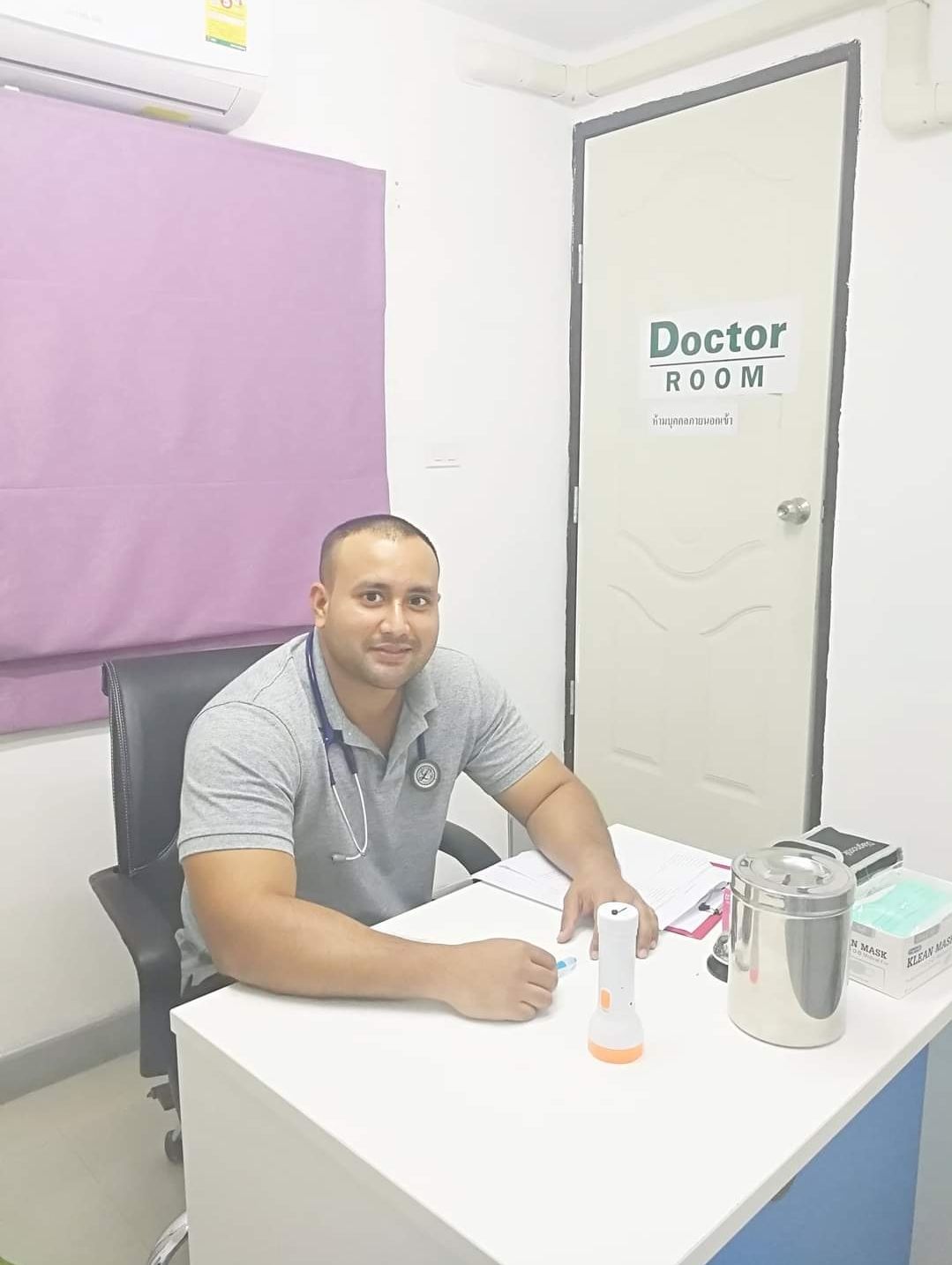
Dr. Ponlawat Pitsuwan is a physician at Doctor Bangkok, a private clinic in central Bangkok. He sees expats, residents, and medical tourists for general medicine, wellness consultations, and IV therapy. His focus is straightforward, evidence-based care delivered in plain language.