
Clinically reviewed by Dr. Ponlawat Pitsuwan, Physician, Doctor Bangkok. Last reviewed: September 2026
Adult stem cells are repair cells your body already makes. They live in bone marrow, fat tissue, and blood, and they help replace damaged cells throughout your life. Some uses, like bone marrow transplants for blood cancers, have decades of strong evidence behind them. Others, like anti-aging and neurological repair, are still early-stage. If you are exploring stem cell therapy in Bangkok, start with a physician consultation before committing to any treatment.
I see this at least twice a week. A patient sits down, pulls up a Bangkok clinic’s website on their phone, and asks me if any of what they are reading is real. They have already shortlisted two providers. Sometimes they have already paid a deposit. That is the wrong order.
Adult stem cells are genuine science. The confusion is not about whether they work. The confusion is about which uses are proven, which are still experimental, and how to tell a well-run clinic from one that is selling hope. Here is the honest version.

Adult Stem Cells vs Embryonic Stem Cells — Why the Distinction Matters
The distinction matters clinically, ethically, and practically — and most patients do not realise there are fundamentally different types until they ask.
Adult stem cells come from your own body or a donor’s existing tissue: bone marrow, fat, or blood. They carry no ethical controversy because no embryo is involved. They also carry a lower risk of immune rejection, particularly when the cells come from your own body.
Embryonic stem cells come from very early-stage embryos. They are scientifically powerful because they can develop into almost any cell type. But they carry ethical objections for many patients and a real risk of abnormal tumour growth when cells multiply where they should not. Adult stem cells do not carry this risk.
For most clinical therapy happening in Bangkok today, the cells being used are adult-derived. That is what this article focuses on.
Types of Adult Stem Cells Used in Clinical Therapy
The type of cell used depends on what condition is being treated and how the cells are collected.
Hematopoietic stem cells live in your bone marrow and produce every type of blood cell your body makes. These are the cells used in bone marrow transplants for leukaemia and other blood cancers — the most established use in all of stem cell medicine.
Mesenchymal stem cells, often called MSCs, are found in bone marrow, fat tissue, and connective tissue. They can develop into bone, cartilage, and muscle cells. They also help reduce inflammation through chemical signalling, even when they do not directly replace damaged tissue. MSCs are the type most often discussed in joint therapy and anti-aging contexts.
Adipose-derived stem cells come from fat tissue, usually removed through a small procedure. They are rich in MSCs and relatively easy to collect in quantity. Neural stem cells, found in the brain and spinal cord, remain highly experimental — research is active, but clinical applications are not there yet.

What Conditions Can Adult Stem Cells Actually Treat — and What Is Still Experimental
This is where honest guidance matters most. The evidence is not equal across all conditions, and I tell every patient the same thing.
The single most proven use is the bone marrow transplant. Hematopoietic stem cell transplants for leukaemia, lymphoma, and other blood disorders have been performed for decades. The evidence base is strong. This is not the therapy most Bangkok stem cell clinics are marketing, but it is the gold standard the field is built on.
Some orthopaedic applications, particularly cartilage repair and joint pain from osteoarthritis, have a growing body of evidence behind them. The results are variable, but controlled trials are underway and it is a legitimate area of research.
Anti-aging, neurological regeneration, and autoimmune conditions are where many Bangkok clinics make the biggest claims. The evidence for most of these uses is early-stage. That does not mean the science will never get there. It means you should not pay for it as though it is already proven.
How Adult Stem Cell Therapy Is Performed
Patients often feel less anxious once they know what a legitimate protocol actually looks like.
It starts with a full medical assessment, including blood tests and a review of your health history. Any clinic that skips this step and moves straight to collection is a red flag. Cells are then collected from bone marrow, fat tissue, or blood, depending on the protocol.
The collected cells go to a laboratory for processing and safety testing. This typically takes 24 to 72 hours. After that, cells are re-administered by IV infusion or by direct injection into the target tissue, such as a joint. Follow-up monitoring over the following weeks is part of any responsible protocol — not just a single appointment.
Risks, Limitations, and Red Flags to Watch for in Bangkok
Bangkok’s stem cell market ranges from highly professional to deeply questionable. You need to be able to tell the difference before you hand over any money.
The Thai FDA regulates cell-based therapies. Legitimate providers must comply with GMP laboratory standards, which govern how cells are processed and tested for safety. Ask any clinic for their Thai FDA registration and confirm the laboratory is GMP-certified. If they cannot provide this, that is your answer.
Red flags include clinics that promise cures rather than improvements, same-day collection and re-infusion with no lab processing time, no medical assessment before treatment, and pressure to pay in full before a consultation. Pricing that seems unusually low for a complex biological therapy is also worth questioning. Processing cells safely is genuinely expensive.
Side effects can include injection site pain, short-term inflammation, and flu-like symptoms after infusion. Serious complications are rare when the therapy is done correctly, but they do occur when it is not.
Adult Stem Cells and Longevity Medicine — Where the Science Is Heading
Longevity medicine is one of Bangkok’s fastest-growing health sectors, and adult stem cells sit at the centre of a lot of that conversation. MSC-derived exosomes — tiny particles that carry repair signals between cells — are being studied as a less invasive alternative. This is still early science, but it is a legitimate area of active research.
In practice, some longevity protocols combine cellular therapies with treatments that work on different pathways. NAD+ IV therapy, for example, supports mitochondrial function and cellular energy. Adult stem cells target tissue repair and immune regulation. These are not competing approaches. For patients focused on cellular health and longevity, a physician at Doctor Bangkok can help you work out which options are evidence-supported and how they might fit together sensibly.
Starting with an Independent Doctor — How Doctor Bangkok Can Help
The biggest mistake I see is patients who have already paid a deposit before speaking to an independent physician. A stem cell clinic has a financial interest in recommending stem cell therapy. A GP does not.
Doctor Bangkok does not perform stem cell collection or processing. What we do is give you an honest clinical assessment first. We review your health history, explain what the evidence says for your specific condition, flag any contraindications, and refer you to a regulated provider if stem cell therapy is genuinely appropriate. We can also help you read through the consent documents and treatment protocols before you sign anything.
If you are an expat in Bangkok or a medical tourist considering stem cell therapy here, this is where I would start.
Thinking about adult stem cell therapy in Bangkok? Before you commit to a clinic or a treatment plan, speak to a physician first. At Doctor Bangkok on Sukhumvit Soi 13, we offer independent medical consultations for expats and medical tourists considering stem cell and longevity treatments. We will give you an honest, evidence-based assessment and help you decide what, if anything, makes sense for your situation. Book a consultation at Doctor Bangkok — BTS accessible and open seven days a week.
Frequently Asked Questions
Dr. Ponlawat Pitsuwan
Physician, Doctor Bangkok
a private medical clinic in central Bangkok. He sees expats, residents, and medical tourists for general medical consultations, longevity medicine assessments, and pre-treatment guidance for patients considering stem cell and regenerative therapies in Thailand. His focus is straightforward, evidence-based care delivered in plain language.
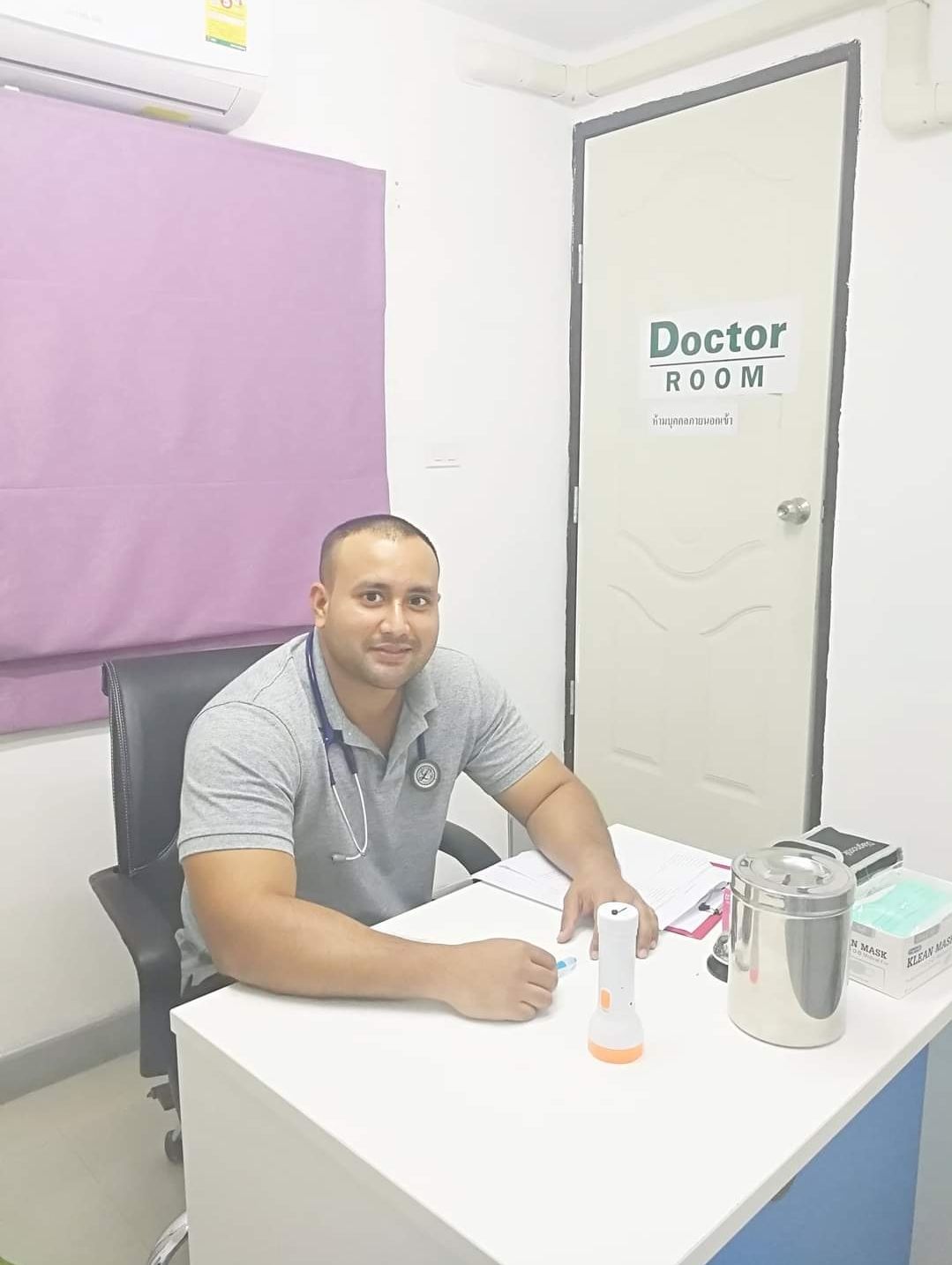
Dr. Ponlawat Pitsuwan is a physician at Doctor Bangkok, a private clinic in central Bangkok. He sees expats, residents, and medical tourists for general medicine, wellness consultations, and IV therapy. His focus is straightforward, evidence-based care delivered in plain language.