
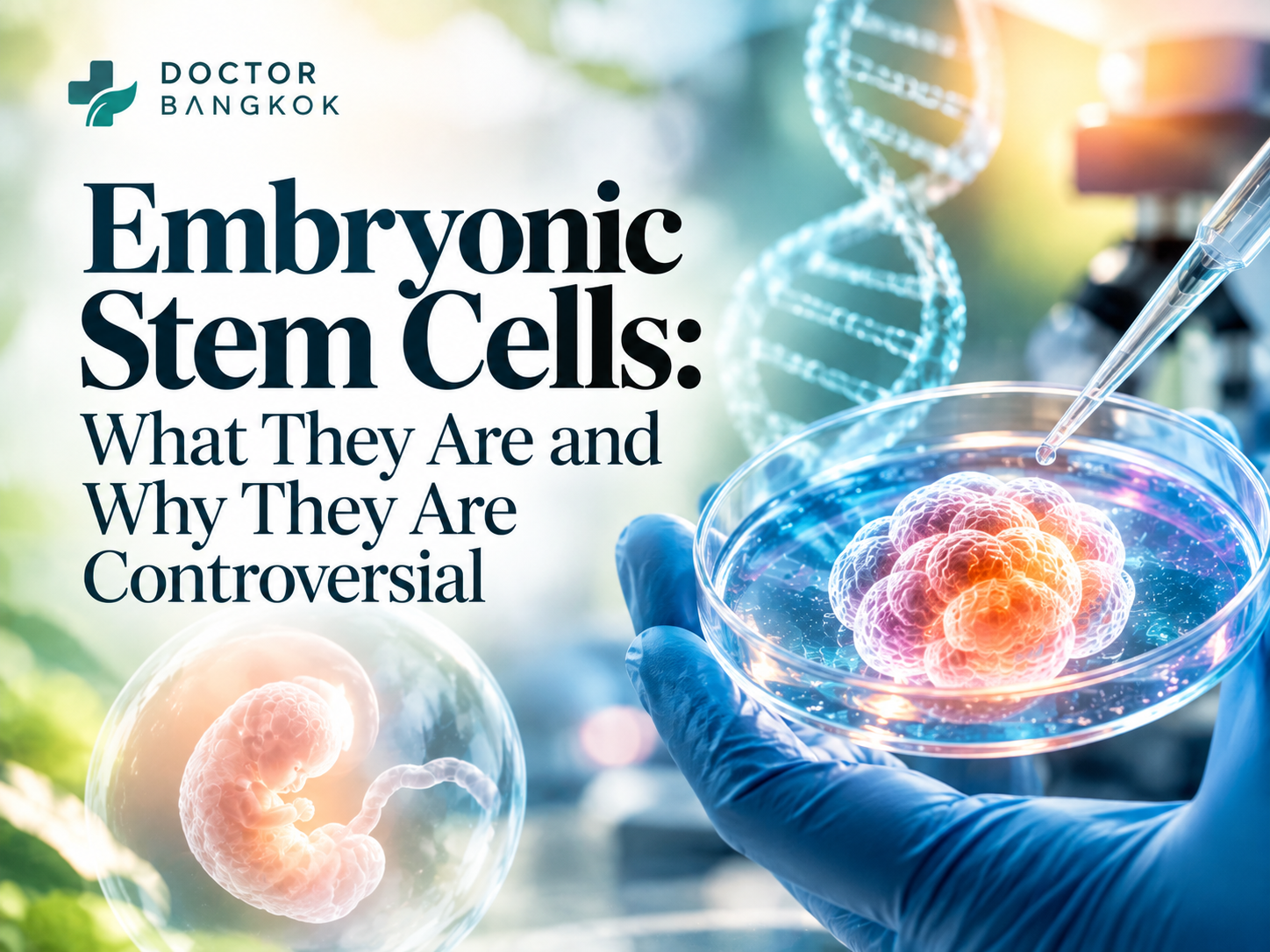
Embryonic stem cells are cells taken from early-stage human embryos that can develop into almost any cell type in the body. Research into them is ongoing, but no proven embryonic stem cell therapies are currently available for patients outside of approved clinical trials.
If you have seen a clinic in Bangkok advertising stem cell therapy, you are not alone in wondering what it actually means. I get asked about this regularly, usually by expats who have spotted a billboard on Sukhumvit or read something on a wellness forum and want a straight answer before spending a significant amount of money.
This is that straight answer.

What Embryonic Stem Cells Actually Are
These are cells harvested from a human embryo at around three to five days after fertilisation, at a stage called the blastocyst. At that point, the embryo has not yet implanted in the womb. The cells taken from it are pluripotent, which means they have the potential to become almost any tissue in the body: heart muscle, nerve cells, liver tissue, and so on.
That potential is what makes them scientifically interesting. It is also what makes the field so heavily regulated, and so frequently misrepresented in commercial settings.
What they are not is a ready-made treatment. The gap between what these cells can theoretically do in a laboratory and what a clinic can safely deliver to a paying patient is very large. That gap is where a lot of misleading marketing lives.
Why Bangkok Comes Up in This Conversation
Thailand has a well-earned reputation for high-quality private medical care, and Bangkok in particular attracts patients from across the region for legitimate procedures. That is a good thing. But the same medical tourism infrastructure that supports genuine care also attracts operators who make claims that would not pass scrutiny in stricter regulatory environments.
The Thai FDA does regulate stem cell therapies, and legitimate research does take place in Thailand’s university hospitals. But enforcement is uneven. A clinic offering "stem cell rejuvenation" or "cellular regeneration therapy" in a Bangkok wellness centre is almost certainly not offering what the science actually supports.
If you are weighing up a stem cell offer you have received here, the first question to ask is whether it is part of a registered clinical trial. If it is not, that is a significant red flag.

What the Research Actually Shows
The science on embryonic stem cells is genuinely promising in certain areas. Research suggests potential future applications in conditions like Parkinson’s disease, spinal cord injury, macular degeneration, and type 1 diabetes. Some early-phase clinical trials are underway in specialist centres, mostly in the United States, Europe, and Japan.
But promising early research is a long way from a proven therapy. Most applications are still in laboratory or animal study phases. The trials that do exist for human patients are tightly controlled, carefully monitored, and available only to specific patient groups under strict ethical review.
A blanket claim that stem cell infusions will reverse ageing, restore energy, or treat a chronic condition is not supported by current evidence. That applies whether the clinic is in Bangkok, Dubai, or any other medical tourism hub.
The Ethical and Safety Questions You Should Know About
This is where I want to be direct with you, because this matters practically if you are considering any stem cell-based treatment.
First, the sourcing question. Embryonic stem cells come from human embryos, typically ones left over from IVF procedures and donated by consent. This raises genuine ethical questions that different people answer differently. It is worth knowing what you are actually consenting to.
Second, the safety profile. Even in well-designed research settings, there are known risks including abnormal cell growth and immune rejection. These are not theoretical concerns. They are documented in published research and are part of why the field is still in an early stage despite decades of study.
Third, there is the regulatory gap. Thailand’s Medical Council prohibits unproven stem cell therapies outside of approved trials. If a provider cannot show you their trial registration or ethics board approval, that is your answer.
What a Consultation at Doctor Bangkok Can Actually Help With
Doctor Bangkok does not offer stem cell therapy, and I am not going to pretend otherwise. What we do offer is a straightforward consultation for patients who are weighing up health decisions in Bangkok and want a clinician’s honest read on what they have been told.
If you have been offered a stem cell treatment and you want someone to look at the paperwork, ask the right questions, and give you an unvarnished opinion, that is something we can do. We see this kind of request more often than you might expect, and it fits squarely within general medical consultation.
We also offer health screening, travel medicine, and general check-ups for expats and medical tourists who want a reliable clinical base in the city. If you are managing a chronic condition and wondering whether any emerging therapies are worth pursuing, a conversation with a GP is the right first step before committing to anything.
Thinking about a health decision in Bangkok and want a straight answer? Book a general consultation at Doctor Bangkok. We will give you an honest clinical view with no agenda attached.
Frequently Asked Questions
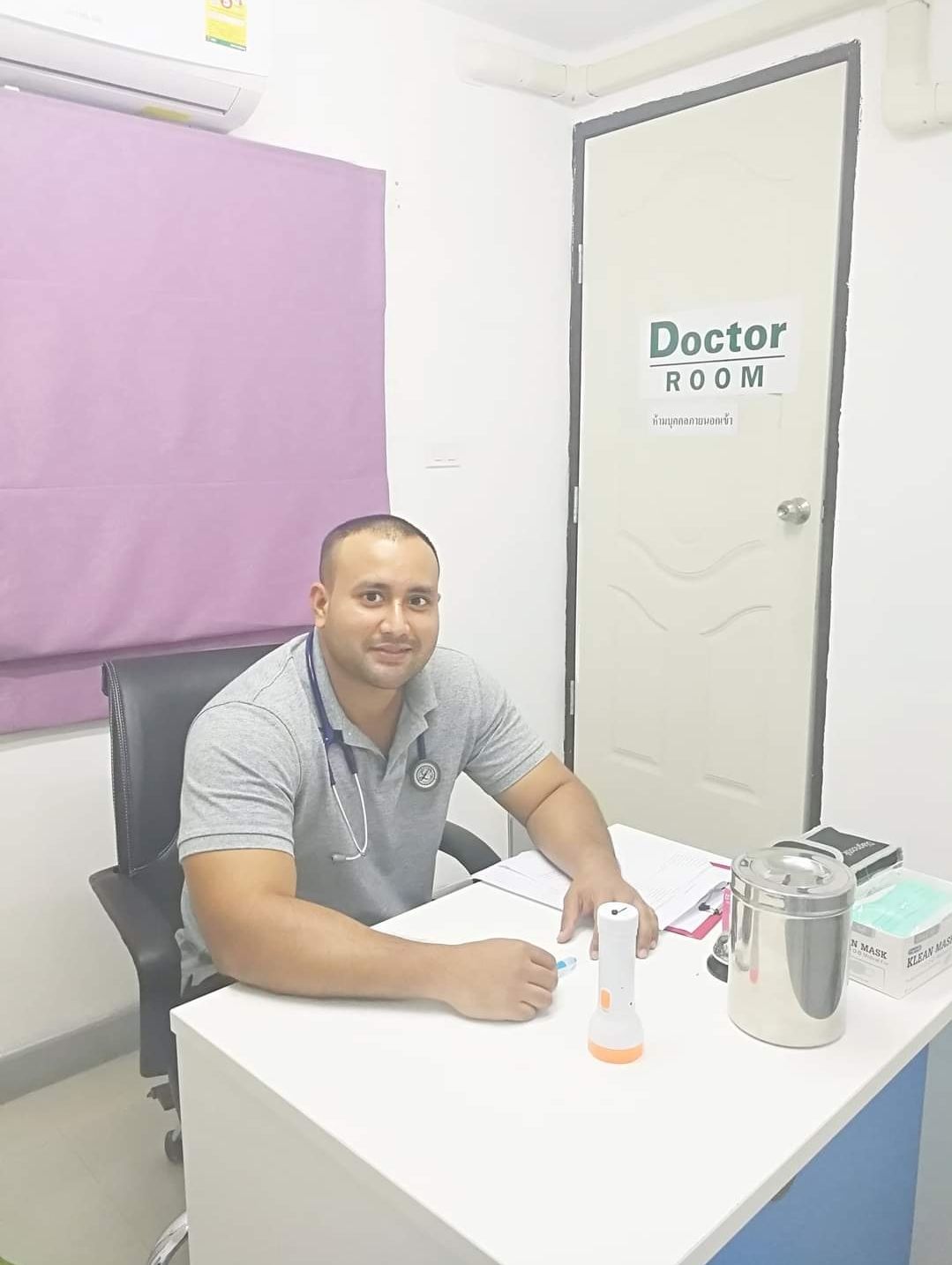
Dr. Ponlawat Pitsuwan is a physician at Doctor Bangkok, a private clinic in central Bangkok. He sees expats, residents, and medical tourists for general medicine, wellness consultations, and IV therapy. His focus is straightforward, evidence-based care delivered in plain language.