
Clinically reviewed by Dr. Ponlawat Pitsuwan, Physician, Doctor Bangkok. Last reviewed: August 2026
Sepsis feels like a bad infection that suddenly becomes something much worse — high fever or unexpected chills, a heart rate that will not slow down, breathing that feels like work, and a sense that something is seriously wrong. It can go from manageable to life-threatening within hours. If your infection is getting worse instead of better, and you feel more unwell than the injury or illness seems to warrant, that is the moment to act.
You are on the BTS between meetings, checking your symptoms. You had what looked like a bad stomach bug two days ago, but now something feels off in a way you cannot explain. Your heart is racing at rest. You are freezing despite sweating through your shirt. That combination is worth taking seriously right now, not tonight.
Sepsis is what happens when your body’s response to an infection spins out of control and starts damaging your own organs. It is not just a very bad infection. The early signs overlap with a dozen common illnesses. That is exactly why people miss it until it has progressed further than it should.

Why Sepsis Is So Easy to Miss in Bangkok
Most patients who develop early sepsis think they have something else. Dengue fever, a stomach bug, too much sun, a rough night. The symptoms overlap almost completely. You feel hot, then freezing. Your muscles ache. You are exhausted in a way that feels out of proportion.
The difference is the trajectory. A hangover gets better by noon. Food poisoning peaks and then eases. Sepsis does not plateau. It keeps escalating. If you are feeling worse hour by hour rather than holding steady or improving, that pattern matters more than any single symptom.
What Does Sepsis Feel Like — Symptoms That Matter
The most common thing patients tell me after the fact is that it felt like the worst flu of their life, but with a layer of dread they could not explain. That feeling is real and clinically relevant.
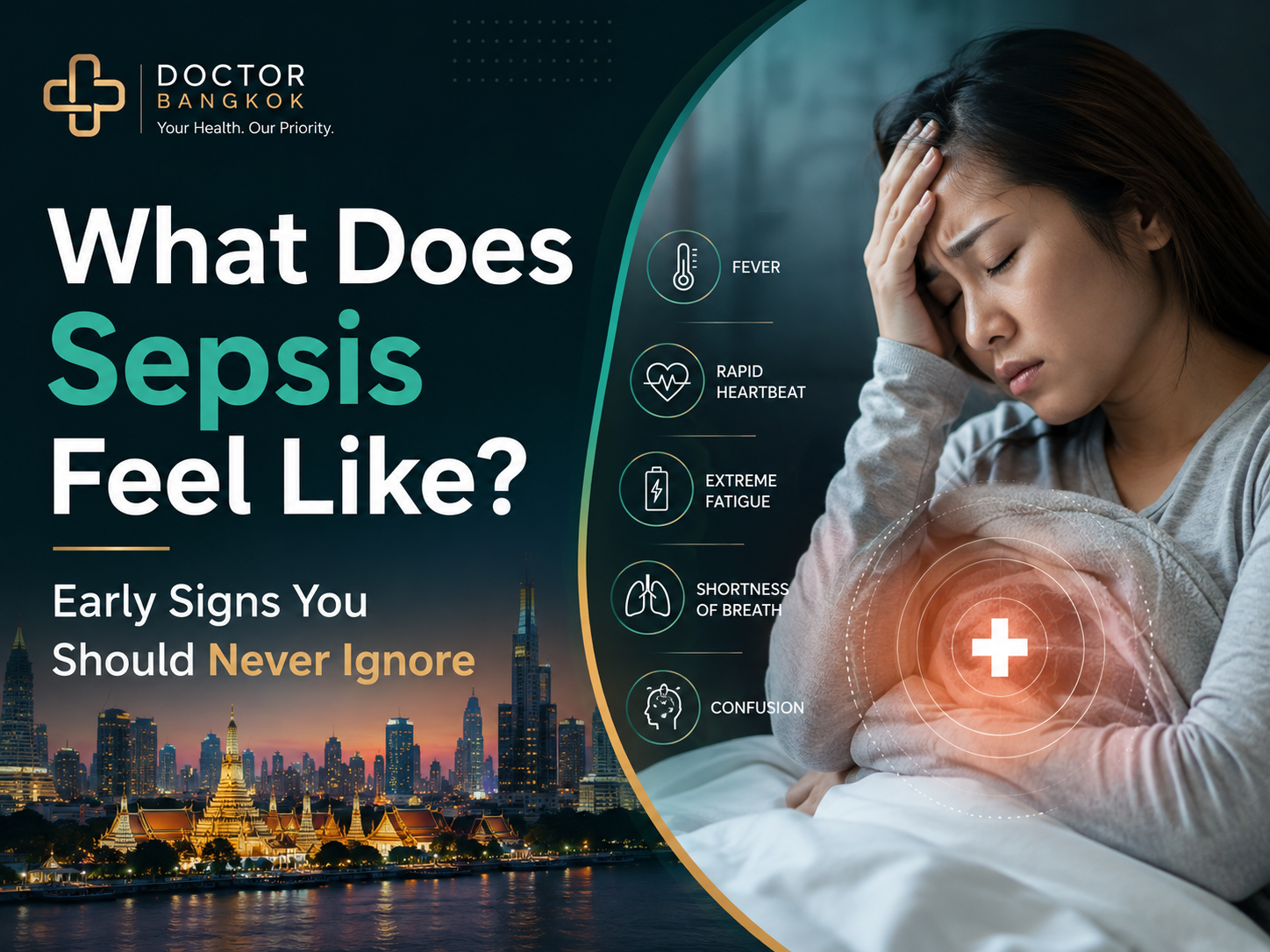
Physically, early signs include fever above 38.3 degrees or, counterintuitively, a temperature below 36 degrees. Your heart rate climbs above 100 even at rest. Breathing becomes faster and feels like more effort than usual. You may feel confused or foggy, or struggle to follow a simple conversation.
Your skin may look pale, feel cold and clammy, or in more advanced cases appear mottled, a patchy bluish-grey discolouration most visible on the knees and lower legs. Pain can be intense and widespread even when the original infection site is small. If you have a wound or known infection and you suddenly feel far sicker than the injury warrants, that mismatch needs assessment today.

The Three Stages and What You Feel at Each One
Early sepsis tends to feel like a severe flu. Fever, chills, fast heart rate, general malaise. Many people at this stage are still mobile, which is why they wait. This is the window where treatment works best.
Severe sepsis is when organ strain becomes noticeable. Breathing becomes laboured. You may produce very little urine. Confusion worsens and your skin changes colour. Standing quickly may make you faint. At this stage, you need IV antibiotics and fluids, and you need them fast.
Septic shock is the critical stage. Blood pressure drops to a point where the body cannot maintain circulation to vital organs even with fluids. The step from severe sepsis to septic shock can happen in a matter of hours. That is not an exaggeration.
Bangkok-Specific Infections That Can Trigger Sepsis
Any bacterial infection can cause sepsis, but some are more common in Bangkok than patients expect. Urinary tract infections and pneumonia are leading triggers worldwide, and that holds here too.
In Thailand there are additional risks worth knowing. Leptospirosis, caught from floodwater or soil contaminated with animal urine, can escalate quickly, particularly after Bangkok’s rainy season. Melioidosis is a bacterial infection found in Thai soil that can be serious in people with diabetes or immune conditions. Dengue haemorrhagic fever, while viral, can trigger an inflammatory response that looks and behaves clinically like sepsis. Infected wounds from motorbike accidents, coral injuries, or even pavement grazes can introduce aggressive bacteria that progress faster in tropical heat than patients from cooler climates expect.
If you have had any of these exposures and develop the symptoms above, say so when you come in. It changes what we test for and how fast we move.
Who Is Most at Risk
Sepsis can happen to anyone. Older adults, people with diabetes, those on immune-suppressing medications, anyone who has had recent surgery, and people with HIV or other immune conditions face higher risk. Heavy alcohol use also impairs immune function in ways that are relevant here.
For expats in Bangkok, there is an added layer. You may be eating food your gut has not adapted to, working longer hours, sleeping less, and drinking more than usual. None of those cause sepsis, but they lower your baseline resilience when an infection takes hold.
When to Come to a Clinic Versus Go Straight to Hospital
If you have a fever, a fast heart rate, chills, and you feel very unwell but are still alert and mobile, come to Doctor Bangkok. We run blood tests including a full blood count, inflammatory markers, and a lactate level. We use a simple three-point clinical check covering breathing, mental alertness, and blood pressure to assess sepsis risk quickly. If results are concerning, we start IV fluids and antibiotics here and arrange hospital transfer if needed.
If you cannot stand, you are severely confused or barely conscious, or someone with you is alarmed by how you look, go directly to a hospital emergency department. Bumrungrad International, Bangkok Hospital, and Samitivej all have 24-hour emergency departments with intensive care capability. Do not stop at a clinic on the way. Call your travel insurance emergency line in the car.
What to Expect from Treatment
If sepsis is suspected, antibiotics start fast. Each hour of delay matters. You will have blood taken, a urine sample collected if relevant, and IV access placed. Fluids and antibiotics go in while results are processed, not after.
The antibiotics used initially cover a broad range of bacteria while we wait for culture results to identify the specific cause. Most early sepsis cases caught at this stage can be stabilised. The goal is to stop progression before organ damage accumulates.
Recovering from Sepsis
Recovery is not just about the acute phase. Many patients, even those who were not critically ill, experience what is called post-sepsis syndrome for weeks or months afterward. Fatigue can be severe. Patients describe difficulty concentrating, mental fog, and muscle weakness that surprises them.
Recurring infections are also more common in the months after sepsis, as the immune system recovers. If you were treated in Bangkok and are planning to fly home, time that conversation with your doctor before booking. Long-haul travel places real physiological stress on a body that is still in early recovery.
If your infection is getting worse and not better, do not wait until morning. Doctor Bangkok offers same-day appointments for fever assessment, wound infections, and urgent medical reviews for expats and visitors in central Bangkok. Our doctors speak English, work fast, and know what sepsis looks like in a tropical context. If you are unsure whether what you are feeling warrants a visit, that uncertainty alone is reason enough to come in.
FAQ
Dr. Ponlawat Pitsuwan
Physician, Doctor Bangkok
a private medical clinic in central Bangkok. He sees expats, residents, and medical tourists for fever assessment, acute infections, wound care, and urgent medical consultations. His focus is straightforward, evidence-based care delivered in plain language.
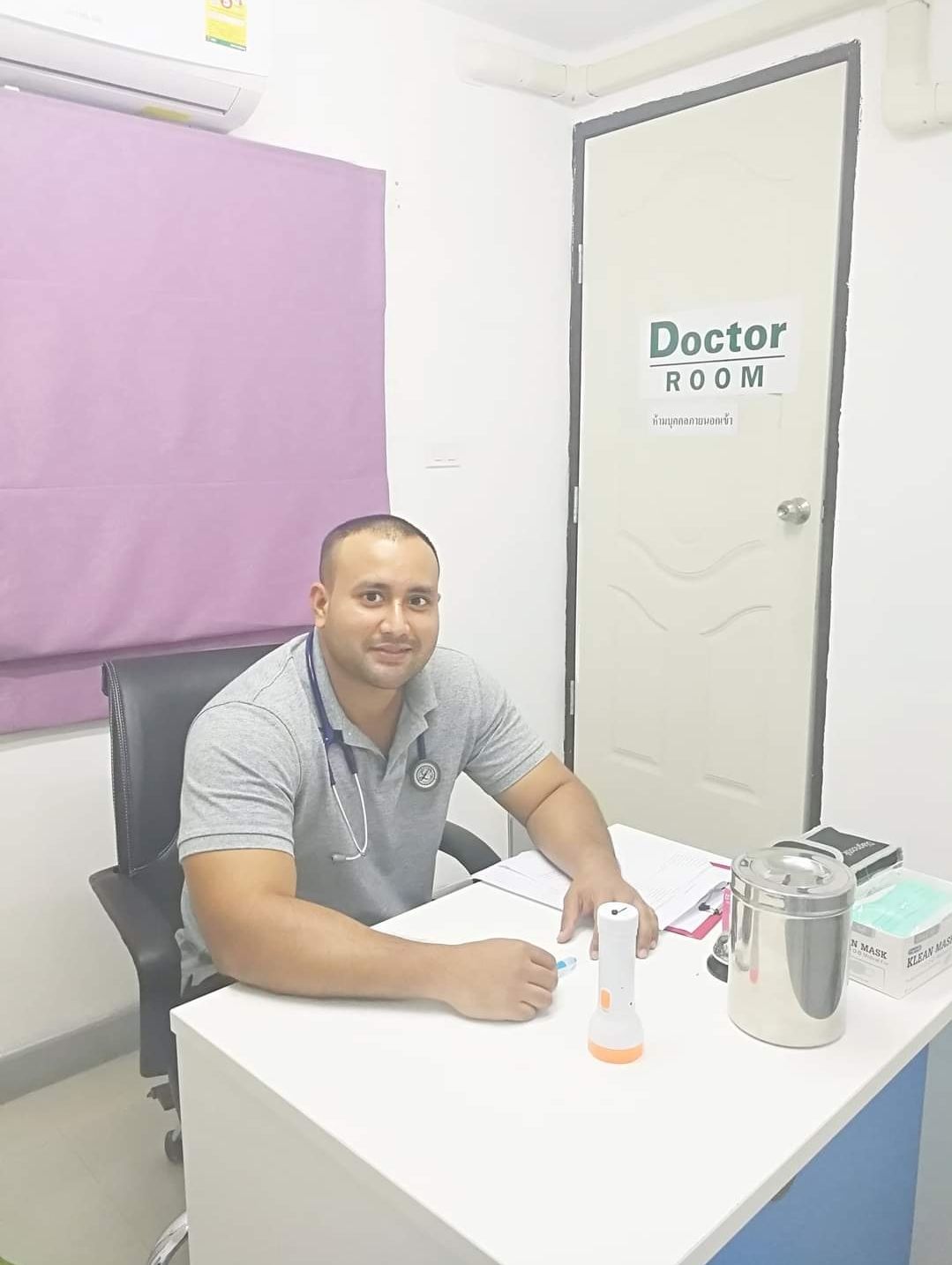
Dr. Ponlawat Pitsuwan is a physician at Doctor Bangkok, a private clinic in central Bangkok. He sees expats, residents, and medical tourists for general medicine, wellness consultations, and IV therapy. His focus is straightforward, evidence-based care delivered in plain language.