
Clinically reviewed by Dr. Ponlawat Pitsuwan, Physician, Doctor Bangkok. Last reviewed: August 2026
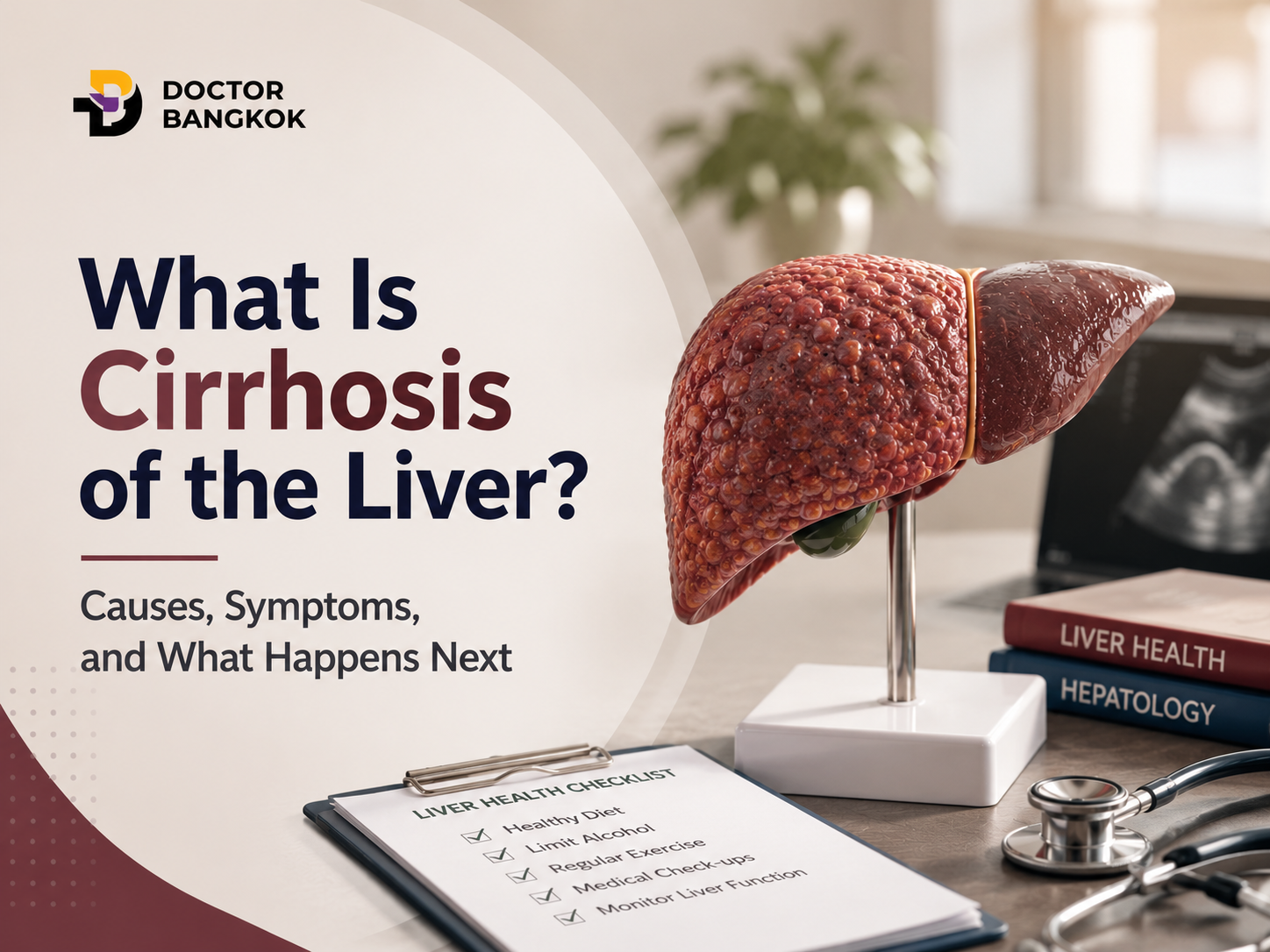
Cirrhosis is permanent scarring of the liver that builds up when the liver is damaged repeatedly over time. It can stay silent for years, which is why many people in Bangkok discover it during a routine blood test rather than because something felt wrong. The earlier it is caught, the more options you have.
If you are reading this because a blood test came back abnormal, or because you have been drinking heavily for years and are now genuinely worried, you are in the right place. Cirrhosis often gives very little warning until it is quite advanced. That silence is exactly what makes it dangerous.
Catching liver disease early, before full cirrhosis sets in, changes everything. Patients come in for a routine health check with no symptoms at all and leave with a referral for further liver assessment. That early catch matters. So let me walk you through what cirrhosis actually is, what puts you at risk here in Bangkok, and what to do next.

What Exactly Is Cirrhosis of the Liver?
Your liver is constantly repairing itself. When it gets damaged, whether from alcohol, a viral infection, or fat accumulation, it heals by forming scar tissue. A small amount of this is manageable. But when damage keeps coming, the scar tissue builds up and starts replacing the healthy liver tissue that does all the real work.
That replacement process is cirrhosis. Once scar tissue takes over enough of the liver, it cannot filter your blood properly, cannot produce the proteins your body needs, and cannot regulate the dozens of functions it normally handles without you noticing.
Liver fibrosis is the scarring process earlier on, before it reaches cirrhosis. Think of fibrosis as the road and cirrhosis as where that road ends up if nothing changes.
What Causes Cirrhosis of the Liver?
The three biggest causes worldwide are alcohol-related liver disease, chronic hepatitis B, and chronic hepatitis C. In Thailand and across Southeast Asia, hepatitis B is especially common, and many people carry it for decades without knowing. That is not a small detail if you live here.
MASLD, which stands for metabolic dysfunction-associated steatotic liver disease and used to be called fatty liver disease, is a growing cause driven by obesity, diabetes, and a diet high in refined carbohydrates. It is now one of the most common causes of cirrhosis in urban settings, including Bangkok.
Other causes include autoimmune liver conditions, certain medications, and bile duct diseases. The honest answer is that any condition that inflames or damages your liver repeatedly over years can eventually lead here.

Cirrhosis Risk Factors Especially Relevant in Bangkok
I want to be direct about something that most liver disease articles skip. If you are an expat or long-stay visitor in Bangkok, your risk environment is different from what most of these articles assume.
Thailand has a higher regional prevalence of hepatitis B than most Western countries. Many people living here, Thais and expats alike, have never been screened. If you have had unprotected sex, shared needles, or had medical procedures in Thailand or elsewhere in Southeast Asia and have never been tested for hepatitis B or C, that is something to address now.
Bangkok’s social culture around alcohol is also real. Long-stay expats often drink more here than they ever did back home, in ways that accumulate over years. I am not saying this to lecture anyone. I am saying it because I see the consequences, and most patients tell me they did not realise how much it was adding up until the blood test showed otherwise.
Symptoms of Cirrhosis — What You Might Notice and When
Early cirrhosis often produces no symptoms at all. The liver has enough healthy tissue left to keep functioning, so there is nothing obvious to notice. This is why the first sign is often a blood test abnormality picked up during a routine check-up.
As cirrhosis progresses, symptoms begin to appear. Fatigue that does not improve with rest is common. You might notice your skin or the whites of your eyes turning yellow. Some people develop itching, unexplained weight loss, or swelling in the legs. Spider-shaped blood vessels on the chest and upper arms are another sign.
When the liver can no longer compensate, serious complications develop. Ascites is a build-up of fluid in the abdomen that can make the belly visibly swollen. Confusion, forgetfulness, and personality changes can occur when toxins the liver cannot clear affect brain function. Enlarged veins in the food pipe can bleed, sometimes suddenly and severely.
Stages of Cirrhosis Explained
Cirrhosis is divided into compensated and decompensated. Compensated means the liver is scarred but still managing. With the right care, some patients stay in this stage for many years. Decompensated means complications have appeared, and the focus shifts to managing those complications and protecting quality of life.
Doctors also use a number called the MELD score, calculated from blood tests, to assess how severely the liver is functioning. It helps guide decisions about treatment, monitoring, and whether a transplant should be considered.
End-stage liver disease is the final phase, where the liver can no longer sustain basic function. A liver transplant is the only definitive option at that point, and eligibility depends on multiple factors.
How Is Cirrhosis Diagnosed in Bangkok?
Diagnosis starts with a blood panel. Liver enzymes, bilirubin, albumin, and platelet count give a picture of how the liver is functioning. These tests are straightforward and available at any private clinic in Bangkok.
Ultrasound imaging is typically done alongside blood tests. It can show changes in the liver’s size and texture and flag signs of increased pressure in the blood vessels feeding the liver.
FibroScan is a painless, non-invasive scan that measures liver stiffness. It takes about ten minutes and gives a reliable indication of how much scarring is present without a biopsy in most cases. A biopsy, where a small tissue sample is taken for analysis, is usually reserved for cases where the other results are unclear.
At Doctor Bangkok, we can arrange liver function testing and refer for specialist imaging including FibroScan where appropriate. Most results come back within a day or two.
Can Cirrhosis of the Liver Be Reversed?
This is the question I get asked most. The answer is nuanced.
Established cirrhosis cannot be reversed. The scar tissue does not disappear. But if the underlying cause is treated, progression can stop or slow substantially. Antiviral therapy for hepatitis B or C, stopping alcohol completely, and managing metabolic risk factors can all make a real difference. In earlier fibrosis stages, before full cirrhosis is reached, some degree of regression is possible with effective treatment.
The biggest mistake I see is patients assuming that because cirrhosis cannot be cured, there is nothing worth doing. That is wrong. Stopping further damage, managing complications, and monitoring closely all protect your health and your life expectancy in a meaningful way.
How Is Cirrhosis Treated?
Treatment targets two things: the underlying cause, and any complications that have developed.
If hepatitis B is the cause, antiviral medications can suppress the virus effectively. Hepatitis C can now be cleared with a short course of tablets in most cases. Alcohol-related cirrhosis requires complete abstinence. MASLD-related cirrhosis is managed through weight loss, diet, and blood sugar control.
For complications, diuretics help the body remove excess fluid from ascites. Certain medications reduce pressure in the veins of the food pipe and lower bleeding risk. Liver transplant is considered for end-stage liver disease when other options are exhausted.
Living With Cirrhosis in Bangkok — What Actually Helps Day to Day
If you have been diagnosed with cirrhosis or significant liver fibrosis, a few things matter more than anything else.
Alcohol is not something to cut down. It is something to stop entirely. There is no safe amount for a damaged liver, and this applies regardless of social pressure.
Diet matters more than most patients realise. Eat enough protein to prevent muscle loss, which is a real risk with cirrhosis. Keep sodium low to help control fluid retention. Avoid raw shellfish completely, as the bacteria in uncooked seafood can cause severe infection when the liver is compromised. Thai food is generally manageable with some adjustments, but salty sauces and street food with unknown preparation are worth watching.
Hepatitis A and B vaccination is recommended if you are not already immune. Regular follow-up is essential: blood tests every three to six months and ultrasound monitoring to watch for liver cancer, which is a known complication of cirrhosis. If you do not have a regular GP in Bangkok, that is worth sorting out. Doctor Bangkok sees patients for ongoing liver monitoring and can coordinate specialist referrals when needed.
Worried about your liver? Whether you have abnormal blood results, a hepatitis B diagnosis, or a history of heavy drinking you want to address, Doctor Bangkok offers liver function testing, health checks, and referral for specialist imaging in central Bangkok. English-speaking doctors. BTS accessible. Book at doctorbangkok.co.th.
Frequently Asked Questions
Can cirrhosis of the liver be reversed?
Established cirrhosis cannot be reversed. The scar tissue does not go away. But treating the cause, whether that means stopping alcohol, treating hepatitis, or managing fatty liver, can halt further damage and significantly change the outlook. In earlier fibrosis stages, some regression is possible with effective treatment.
What are the early warning signs of cirrhosis that are easy to miss?
Early cirrhosis often has no symptoms at all. When signs do appear, they can be subtle: persistent fatigue, mild discomfort on the right side of the abdomen, or spider-shaped blood vessels on the skin. Many expats in Bangkok discover liver disease during a routine health check rather than because something felt obviously wrong.
Is cirrhosis more common in Thailand, and am I at higher risk living in Bangkok?
Thailand and Southeast Asia have a higher prevalence of hepatitis B compared to most Western countries, and hepatitis B is a leading cause of cirrhosis. If you have never been screened for hepatitis B or C, that is a good place to start. Bangkok’s social drinking culture also creates elevated risk for long-stay expats who may be drinking more than they did at home.
How is cirrhosis diagnosed and do I need a liver biopsy?
Diagnosis starts with blood tests checking liver enzymes, bilirubin, and platelet count, followed by an ultrasound. FibroScan is a painless scan that measures liver stiffness and can indicate the degree of scarring without a biopsy in most cases. A biopsy is usually only needed when those results are unclear.
What lifestyle changes help most if you have been diagnosed with cirrhosis?
Complete alcohol abstinence is the single most important step. Beyond that, eat enough protein to protect your muscles, keep sodium low to reduce fluid retention, and avoid raw shellfish entirely. Get vaccinated against hepatitis A and B if you are not already immune, and keep up with regular blood tests and ultrasound monitoring.
What is the difference between liver fibrosis and cirrhosis?
Fibrosis is the scarring process itself, building up gradually as the liver is repeatedly damaged. Cirrhosis is what fibrosis becomes when enough scar tissue has accumulated to affect how the liver functions. Fibrosis caught early has better prospects for stabilisation than established cirrhosis.
What complications should I watch for with cirrhosis?
The main ones are ascites (fluid build-up in the abdomen), confusion and mental changes caused by toxin build-up, enlarged veins in the food pipe that can bleed, and liver cancer. These complications are more likely once cirrhosis has progressed beyond the compensated stage, which is why regular monitoring matters.
Dr. Ponlawat Pitsuwan
Physician, Doctor Bangkok
a private medical clinic in central Bangkok. He sees expats, residents, and medical tourists for liver health assessment, hepatitis screening, general health checks, and ongoing chronic disease monitoring. His focus is straightforward, evidence-based care delivered in plain language.
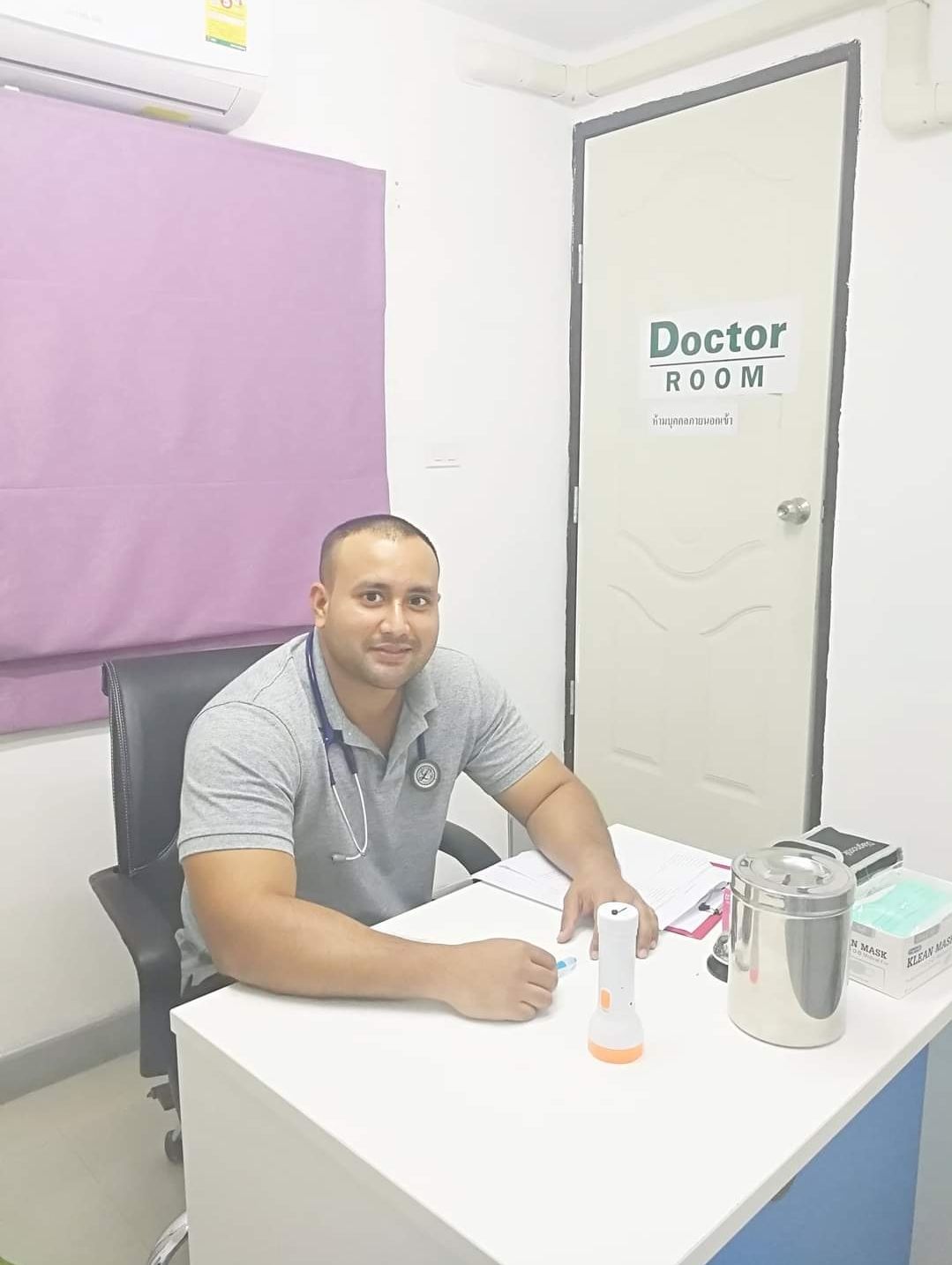
Dr. Ponlawat Pitsuwan is a physician at Doctor Bangkok, a private clinic in central Bangkok. He sees expats, residents, and medical tourists for general medicine, wellness consultations, and IV therapy. His focus is straightforward, evidence-based care delivered in plain language.