

Clinically reviewed by Dr. Ponlawat Pitsuwan, Physician, Doctor Bangkok. Last reviewed: July 2026
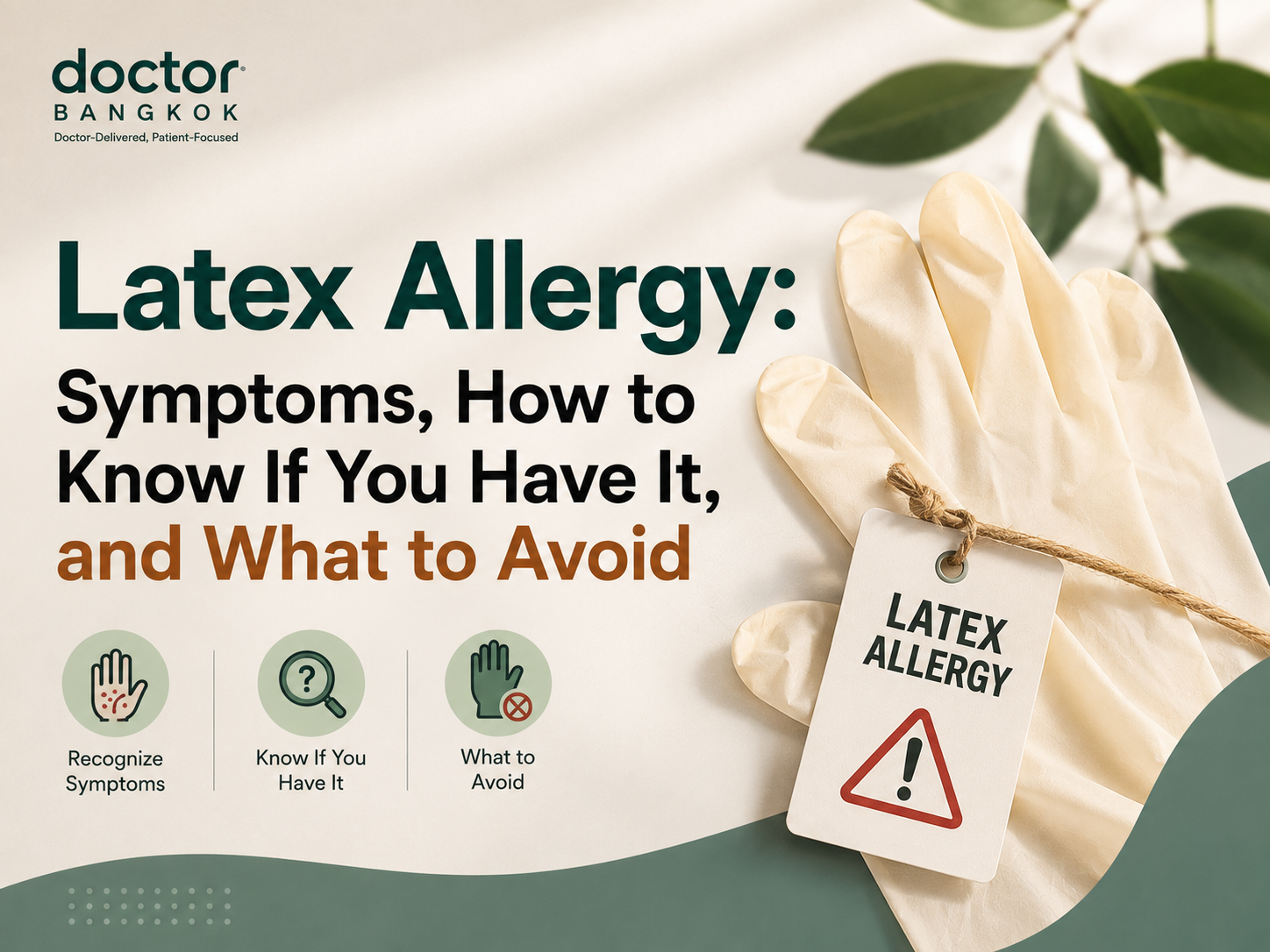
A latex allergy is a reaction to natural rubber latex, the material in gloves, condoms, balloons, and many medical devices. Reactions range from a mild skin rash to anaphylaxis, a life-threatening emergency. If you have noticed redness, hives, or swelling after contact with rubber products, you need a proper allergy workup, not a Google diagnosis.
You touched a latex glove, or maybe it was a balloon at a party, and something happened. A rash, some itching, maybe your lips started swelling. Now you are wondering whether you have a latex allergy or whether it was just irritated skin. I hear this story regularly, especially from expats who have recently had a dental procedure or minor surgery here in Bangkok.
The honest answer is that you cannot tell from symptoms alone. A latex reaction can look like three completely different things, and only one of them is dangerous enough to put you in hospital. What you need is a proper assessment from someone who can actually tell them apart. Here is what you need to know before you walk into any clinic.

The Three Types of Latex Reactions
Not all latex reactions are the same, and the difference matters more than most people realise.
The first type is irritant contact dermatitis. Your skin gets dry, red, and cracked from repeated contact with latex, usually gloves. It is not a true allergy and will not cause a life-threatening reaction. It is easy to mistake for something more serious.
The second type is allergic contact dermatitis. You touch something containing latex and, twelve to forty-eight hours later, you develop a rash, blisters, or itching at the point of contact. It looks a lot like a reaction to poison ivy. It is caused by the chemicals used in processing rubber, not the latex protein itself.
The third type is the one I want you to pay attention to. A Type I latex allergy is a true immune response to the proteins in natural rubber. Reactions happen within minutes. You can get hives, a runny nose, watery eyes, wheezing, or in severe cases, anaphylaxis. This is the type that can become a medical emergency, and it is the type that needs formal diagnosis and a clear emergency plan.
Symptoms to Watch For
The symptoms depend on which type of reaction you are having and how much latex you were exposed to.
Skin symptoms are the most common starting point. Redness, itching, hives, or a rash where latex touched your skin can all occur. If the reaction stays local and appears hours after contact, it is more likely allergic contact dermatitis. If it spreads fast and appears within minutes, that is more concerning.
Respiratory symptoms mean things have escalated. A runny nose, sneezing, and itchy eyes can follow latex exposure, especially in clinical settings where powdered latex gloves have been in the air. Wheezing or chest tightness means you need care now, not tomorrow.
Systemic symptoms are the warning signs of anaphylaxis. Throat tightening, dizziness, a sudden drop in blood pressure, rapid heartbeat, or loss of consciousness after latex exposure is a medical emergency. I cover what to do below.

Who Is Most at Risk
Healthcare workers top the list. Years of repeated glove use can prime the immune system to react. The same applies to dental staff, laboratory workers, and people in rubber manufacturing. This is a recognised occupational health issue.
People who have had multiple surgeries are also at higher risk. The more times you are exposed to latex equipment during procedures, the higher the chance of sensitisation over time. Children born with spina bifida are a well-known high-risk group for this reason.
If you have existing allergies to certain foods, particularly banana, avocado, kiwi, or chestnut, your risk is elevated too. I explain that connection in the next section.
The Latex-Fruit Syndrome and Thai Food
Here is something that surprises a lot of expats in Bangkok. A latex allergy does not just mean reacting to gloves and rubber bands. The same proteins that trigger latex reactions also appear in several common foods. Doctors call these cross-reactions latex-fruit syndrome.
The high-risk foods are banana, avocado, kiwi, and chestnut. If you have a latex allergy and you eat these, you may get mouth tingling, itching, or swelling shortly after. In rare cases, a more serious reaction can follow.
What most generic allergy guides miss is the Thai food angle. Mango, pineapple, papaya, and tomato also appear on the cross-reactive list at moderate risk. Think about how often those appear in a typical week here: mango sticky rice, papaya salad, fresh pineapple from a street stall, tomatoes in Thai curries. If you have a confirmed latex allergy and you notice unexplained oral symptoms after eating local food, this connection is worth raising with a doctor.
At street stalls where labelling is absent, ingredient-checking requires planning. A consultation at Doctor Bangkok can help you build a personalised food avoidance list based on your specific test results, rather than cutting out everything on the list unnecessarily.
Hidden Sources of Latex in Daily Life in Bangkok
In medical and dental settings, latex gloves are the most common source. Not every clinic in Bangkok defaults to latex-free gloves, so you cannot assume anything. Elastic bandages, blood pressure cuffs, and some IV tubing also contain latex.
Outside the clinic, latex turns up in balloons at Thai festivals and celebrations, condoms sold at convenience stores, rubber household gloves, and elastic waistbands on cheaper clothing from Thai markets. The rubber handles on motorbike taxis and the handrails on songthaews can also be contact points if your hands are sensitive.
Powdered latex gloves deserve a special mention. When gloves are removed, latex particles can become airborne and inhaled. This is how some people react in hospital settings without ever touching a glove directly. If you have a known latex allergy, mention it before any medical procedure so the team can arrange a latex-safe environment.
Getting Tested and Diagnosed in Bangkok
If you suspect a latex allergy, a specific IgE blood test is the safer first step. It measures antibodies to latex proteins in your blood and avoids the small risk that comes with skin prick testing, which can occasionally trigger the reaction it is testing for in people who have already had a significant response.
At Doctor Bangkok, we run a specific IgE blood test during a standard consultation. Results are typically back within a few days. If your result is positive and more information is needed, we can discuss next steps from there.
If you have never had a severe reaction and allergic contact dermatitis is more likely, a patch test is more appropriate. This involves applying small amounts of common chemical allergens to your skin and reading the results after forty-eight hours.
You do not need a specialist referral to get tested. A private clinic consultation is the fastest route to an answer in Bangkok, and you walk away with actual results rather than a recommendation to see someone else later. You can find more information on our allergy testing and treatment page.
Telling Your Doctor or Dentist Before Any Procedure
This is where I see the biggest risk for expats in Bangkok. You go in for a dental cleaning or a minor procedure, forget to mention the allergy, and the team uses standard latex gloves. By the time a reaction starts, you are already in the chair.
Disclose your latex allergy when you book the appointment, not when you arrive. Ask the clinic to confirm in writing that latex-free gloves and equipment will be used. Large private hospitals in Bangkok increasingly stock latex-free alternatives, but smaller clinics and dental offices may not.
Carry a written allergy card in both English and Thai. The Thai phrase for latex allergy is แพ้ยาง (phae yang). A simple card stating this, along with any medications you carry for reactions, is worth having in your wallet at all times. Through our latex allergy diagnosis service, Doctor Bangkok can provide a formal bilingual allergy summary letter you can present before any procedure at any Bangkok facility.
When a Latex Reaction Becomes a Medical Emergency
Here is a clear guide, because acting fast can make a real difference.
A mild, localised rash with some itching and no other symptoms: take an antihistamine, watch it closely, and see a doctor the same day if it does not improve.
Spreading hives, itching across multiple areas, nasal symptoms, or watery eyes after latex exposure: seek same-day medical review. Doctor Bangkok offers walk-in and same-day consultations for urgent allergy concerns.
Throat tightening, difficulty breathing or swallowing, chest tightness, dizziness, rapid heartbeat, or loss of consciousness: this is anaphylaxis. Use your epinephrine auto-injector if you carry one, then get to the nearest emergency room immediately. Do not wait to see if it passes. In Bangkok, dial 1669 for emergency medical services. If you are in the Sukhumvit area, a central private hospital with an emergency department is often the faster option, particularly if a language barrier could slow communication with public EMS.
Everyone with a confirmed Type I latex allergy should carry an epinephrine auto-injector and have a written anaphylaxis action plan. If you do not have one, ask during your next consultation.
Living With a Latex Allergy in Bangkok
Long-term, a latex allergy is managed through avoidance and preparation. The goal is to eliminate exposure and have the right plan ready when accidental contact happens.
Keep antihistamines with you daily. If your doctor has prescribed an epinephrine auto-injector, carry it everywhere. Wear a medical alert bracelet that identifies your latex allergy. Antihistamines are easy to source over the counter at pharmacies across Bangkok, but epinephrine auto-injectors require a prescription. Arrange this proactively through a clinic consultation, before a serious reaction occurs.
Tell every healthcare provider, dentist, and beautician who uses gloves. This is not overreacting. It is the most practical thing you can do to reduce your risk day to day.
Worried you might have a latex allergy? Doctor Bangkok offers specific IgE blood testing, allergy consultations, and formal allergy documentation for expats and visitors in central Bangkok. We are located on Sukhumvit Soi 13, BTS accessible, with English-speaking physicians available for same-day bookings. Visit our allergy treatment page or contact us to arrange your consultation.
FAQ
Can I get a latex allergy test in Bangkok without a referral?
Yes. At Doctor Bangkok, you can walk in or book directly for a specific IgE blood test without needing a referral from a specialist. Results are usually back within a few days. If patch testing is also needed, we can arrange that during the same consultation or a follow-up visit.
Which foods should I avoid if I have a latex allergy and I am living in Bangkok?
The highest-risk foods are banana, avocado, kiwi, and chestnut. In a Thai context, mango, pineapple, papaya, and tomato also carry moderate cross-reactive risk and appear regularly in local dishes, street food, and smoothies. A doctor can help you build a personalised avoidance list based on your specific test results rather than cutting out everything on the list unnecessarily.
What should I do if I have a latex reaction in Bangkok?
For a mild localised rash, take an antihistamine and see a doctor the same day. For spreading hives, nasal symptoms, or itchy eyes, seek same-day clinical review. For throat swelling, breathing difficulty, dizziness, or chest tightness, use your epinephrine auto-injector if you carry one and go immediately to an emergency room. In Bangkok, call 1669 for emergency services.
How do I tell my dentist or surgeon in Bangkok about my latex allergy before a procedure?
Disclose it when you book, not when you arrive. Ask the facility to confirm in writing that latex-free gloves and equipment will be used. Carry an allergy card in English and Thai. Doctor Bangkok can provide a formal bilingual allergy summary letter you can present to any clinic or hospital before a procedure.
Is a reaction to elastic waistbands or rubber bands the same as a latex allergy?
Not necessarily. Most elastic clothing contains synthetic spandex or Lycra rather than natural rubber latex, so reactions may be irritant dermatitis from friction rather than a true allergy. That said, cheaper elastic products from Thai markets sometimes contain natural rubber. If you notice a consistent pattern of skin reactions to elastic items, a proper allergy workup with patch testing and a blood test is the right way to find the actual trigger.
Do I need to carry an epinephrine auto-injector if I have a latex allergy?
If your doctor has confirmed a Type I latex allergy, yes. Anyone at risk of anaphylaxis should carry one at all times and have a written anaphylaxis action plan. In Bangkok, epinephrine auto-injectors require a prescription, so arrange this proactively through a clinic consultation rather than after a serious reaction has already happened.
Dr. Ponlawat Pitsuwan
Physician, Doctor Bangkok
a private medical clinic in central Bangkok. He sees expats, residents, and medical tourists for allergy assessment, general medical consultations, and travel health concerns. His focus is straightforward, evidence-based care delivered in plain language.
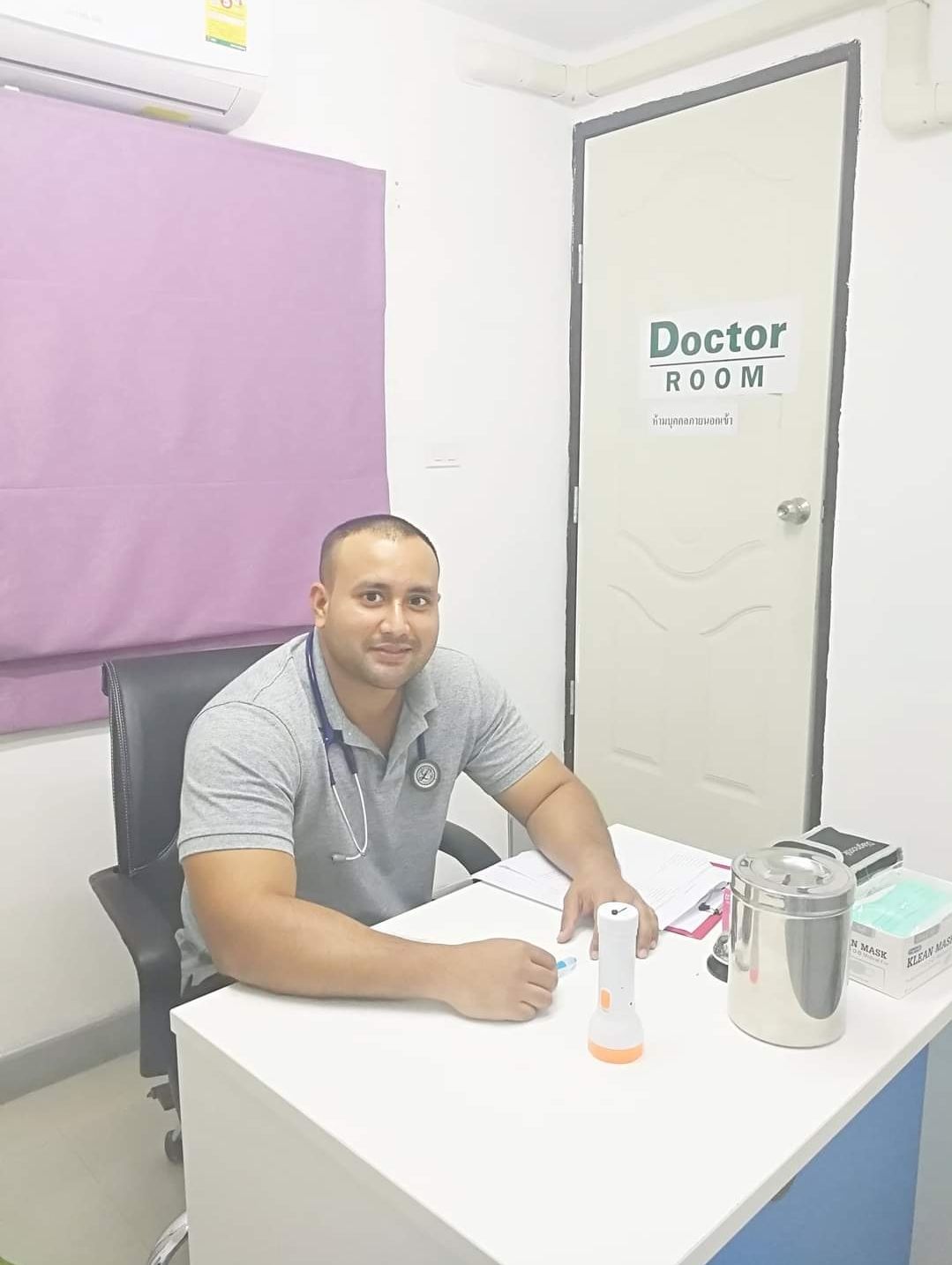
Dr. Ponlawat Pitsuwan is a physician at Doctor Bangkok, a private clinic in central Bangkok. He sees expats, residents, and medical tourists for general medicine, wellness consultations, and IV therapy. His focus is straightforward, evidence-based care delivered in plain language.