

Clinically reviewed by Dr. Ponlawat Pitsuwan, Physician, Doctor Bangkok. Last reviewed: July 2026
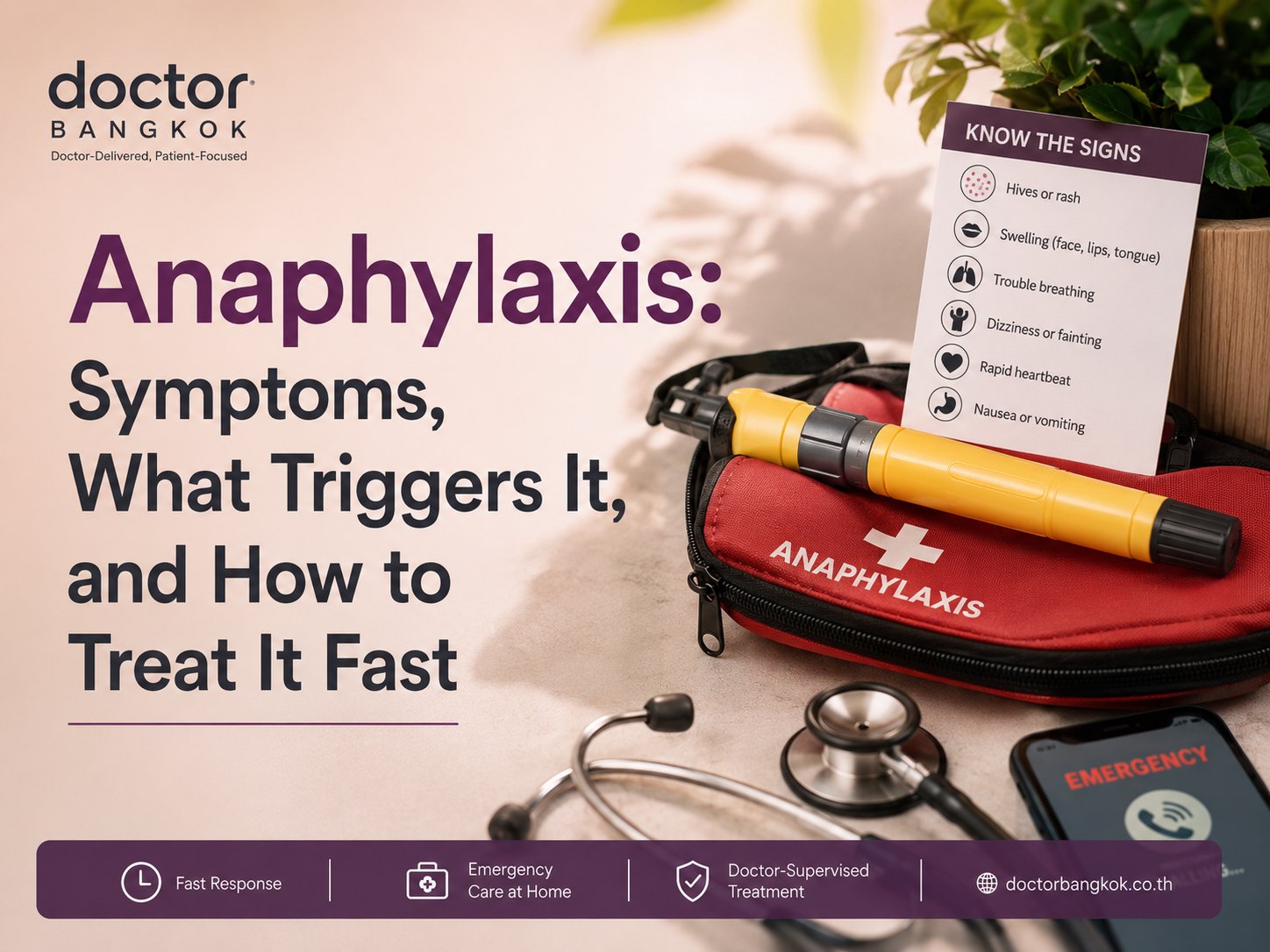
Anaphylaxis is a severe, life-threatening allergic reaction that affects two or more body systems at once, such as your skin and your airway, or your gut and your circulation. Symptoms can move from mild to fatal within minutes. Use adrenaline first, then call Thailand’s emergency number 1669. Do not wait to see if it passes on its own.
If you are in Bangkok and something you ate, a bee sting, or a medication has sent your body into full alarm mode, you need to know what you are dealing with right now. Anaphylaxis is not a bad allergic reaction that needs an antihistamine. It is a full-body emergency, and the window between early warning signs and collapse can be very short.
I see patients at Doctor Bangkok who come in after a reaction and say they thought they just needed to ride it out. Some of them got lucky. This article tells you what to look for, what to do in Bangkok when it happens, and what you should never skip even after the symptoms ease off.

What Anaphylaxis Actually Feels Like — Body System by Body System
The reason anaphylaxis is dangerous is that it hits multiple systems fast. One moment you feel fine. Then several things go wrong at once.
On your skin, you may get sudden hives, a red flushing rash, or swelling around the lips, eyes, or tongue. Skin symptoms alone are not anaphylaxis. It is when the skin reacts alongside something else that we get concerned.
Your airway is where things turn critical. Throat tightness, a high-pitched squeaking sound when you breathe in, hoarseness, or the feeling that something is closing in your throat are all warning signs. This is the symptom that can kill.
Your blood pressure can drop suddenly. You may feel faint, go pale, or lose consciousness. In children this sometimes shows up before any skin symptoms appear.
Your gut may cramp hard, or you may vomit. And then there is what clinicians call a sense of impending doom. Patients describe it as a feeling that something is terribly wrong, that they are about to die. This is real, not anxiety. If someone tells you they feel like they are going to die, believe them.
Early Warning Signs vs Full Anaphylaxis
The early signs come first. Itchy palms. Tingling or numbness around the mouth. Skin flushing. A feeling of warmth spreading up the chest and neck. These signs may last only a minute or two before things escalate.
Full anaphylaxis means two or more body systems are reacting at the same time. Skin plus airway. Gut plus circulation. Any combination. A large localised swelling at a sting site is alarming but is not anaphylaxis on its own. Once your blood pressure drops or your airway tightens, we are in emergency territory.
Do not wait for all the symptoms to arrive before you act. If early signs appear after known allergen exposure, treat it as anaphylaxis until proven otherwise.

Biphasic Anaphylaxis — Why Symptoms Can Return Hours Later
This is the part most people do not know about. Biphasic anaphylaxis means symptoms return hours after the initial reaction, even with no further exposure to the allergen. It can happen up to 12 hours later, sometimes longer.
This is exactly why you cannot go home after you feel better in the emergency room. The second wave can be just as severe as the first, and it can arrive when you are alone or asleep.
Every patient who has had anaphylaxis should be observed for at least four to six hours after treatment. Some patients need longer. This is standard care, not overcaution.
Common Anaphylaxis Triggers in Bangkok — What Expats and Tourists Need to Know
Bangkok is a hard city to manage if you have severe allergies. Street food and restaurant dishes often contain shellfish, peanuts, and tree nuts without any labelling. Even dishes that seem safe may be cooked in shared oil or a wok used for allergens. If you have a known food allergy, communicate it clearly and repeatedly, and do not assume it has been understood.
Insect stings are an underestimated trigger here. Wasps in Bangkok’s markets and parks can sting without much warning. If you have had a previous systemic reaction to a sting, your risk of anaphylaxis with the next one is significantly higher.
Drug reactions are another cause I see regularly. NSAIDs like ibuprofen and aspirin are sold over the counter at Thai pharmacies without much discussion of allergy history. If you have had a previous reaction to an NSAID, speak to a doctor before taking one here. Penicillin-type antibiotics are another common culprit.
Latex can also trigger anaphylaxis in sensitised patients, particularly in hospital settings. Tell every medical provider about a latex allergy before any procedure.
What To Do If You Suspect Anaphylaxis in Bangkok
First: if you carry an adrenaline auto-injector, use it immediately. Do not take an antihistamine instead and hope for the best. Antihistamines do not stop anaphylaxis. Adrenaline does.
Call 1669. That is Thailand’s emergency ambulance number. Say "anaphylaxis" or "severe allergic reaction" and give your location. If you are near a private hospital, go directly to the emergency department. Do not drive yourself if you feel faint.
Lie flat with your legs raised. This helps your blood pressure. If you are struggling to breathe, sit up instead. Do not stand up suddenly.
Tell the emergency team what you were exposed to and exactly when symptoms started. If you used your auto-injector, tell them the time and dose. Do not leave even if you feel completely better. Biphasic reactions are real, and you need to be observed.
EpiPens and Adrenaline Auto-Injectors in Bangkok — What You Need to Know
This is one of the most common questions I get from expats. Adrenaline auto-injectors are not easily found over the counter at Thai pharmacies the way they are in the US or UK. If you have a known severe allergy, bring your auto-injectors from home. Bring two. Check the expiry dates before you travel.
If you arrive in Bangkok without one and have a known anaphylaxis history, come and see us at Doctor Bangkok. We can help you access epinephrine through the appropriate prescription route and make sure you leave with a written allergy action plan.
In any Bangkok emergency department, intramuscular adrenaline will be given immediately by clinical staff. But self-administered adrenaline in the first minutes before you reach care can be the difference that matters.
After Anaphylaxis — Allergy Testing and Follow-Up
After a serious allergic reaction, you need to know what caused it. Without knowing your trigger, you cannot avoid it, and another exposure could be worse.
We offer allergy blood testing at Doctor Bangkok to identify specific triggers. For patients who want to go further, we can refer for skin prick testing through our network. Knowing your triggers means you can carry a properly labelled allergen alert card, communicate your allergy clearly in Thai and English, and get the right auto-injector prescription before your next outing.
If you were given a steroid or antihistamine after your emergency room visit, come in for a review. We can check that the prescribing was appropriate, go over your risk going forward, and make sure you leave with a proper allergy action plan. Book a general medical consultation and tell us it is a post-anaphylaxis review.
Had a severe allergic reaction in Bangkok, or worried about your allergy risk? Doctor Bangkok offers same-day medical consultations, allergy blood testing, and prescription support for adrenaline auto-injectors. Our English-speaking physicians are BTS accessible and see walk-in and booked patients. Visit doctorbangkok.co.th or contact us directly to arrange your appointment.
Frequently Asked Questions
What are the first signs of anaphylaxis I should watch for?
Look for itchy palms, tingling around the mouth or lips, sudden skin flushing, and a rising sense that something is very wrong. These early signs can appear within seconds to minutes of allergen exposure. Do not wait for them to worsen before you act.
Is anaphylaxis the same as a severe allergic reaction?
Not exactly. Anaphylaxis specifically means two or more body systems are reacting at the same time, for example skin and airway, or gut and circulation. A large local swelling at a sting site is serious but is not anaphylaxis on its own. Anaphylaxis is always a medical emergency.
Can anaphylaxis symptoms come back after they seem to have passed?
Yes. This is called biphasic anaphylaxis, and it is one of the most important things to understand after a reaction. Symptoms can return hours later with no further allergen exposure. This is why you must stay under medical observation after treatment, even if you feel completely fine.
Where can I get an EpiPen or adrenaline auto-injector in Bangkok?
Adrenaline auto-injectors are not widely stocked at Thai pharmacies without a prescription. If you have a known severe allergy, bring auto-injectors from home and travel with two. If you are in Bangkok without one, Doctor Bangkok can help you access epinephrine through the correct clinical route.
What should I do if I have an anaphylactic reaction in Bangkok?
Use your adrenaline auto-injector immediately if you have one. Call 1669 for an ambulance, or go directly to the nearest private hospital emergency department. Lie flat with your legs raised unless you are struggling to breathe, in which case sit up. Do not leave the hospital when you feel better, because symptoms can return hours later.
How is anaphylaxis different from a panic attack?
A panic attack can feel similar, with a racing heart, tight chest, and a sense of doom. The key difference is the physical signs: hives, swelling, dropping blood pressure, or throat tightness do not occur in a panic attack. If there is any doubt and you have just been exposed to a possible allergen, treat it as anaphylaxis.
Do I need follow-up care after anaphylaxis, even if I recovered fully?
Yes, and this matters more than most people realise. You need to identify the trigger so you can avoid it in future. You should leave with a written allergy action plan and, where appropriate, a prescription for an adrenaline auto-injector. Doctor Bangkok offers post-anaphylaxis consultations for exactly this reason.
Dr. Ponlawat Pitsuwan
Physician, Doctor Bangkok
a private medical clinic in central Bangkok. He sees expats, residents, and medical tourists for allergy reactions, emergency assessments, and general medical consultations. His focus is straightforward, evidence-based care delivered in plain language.
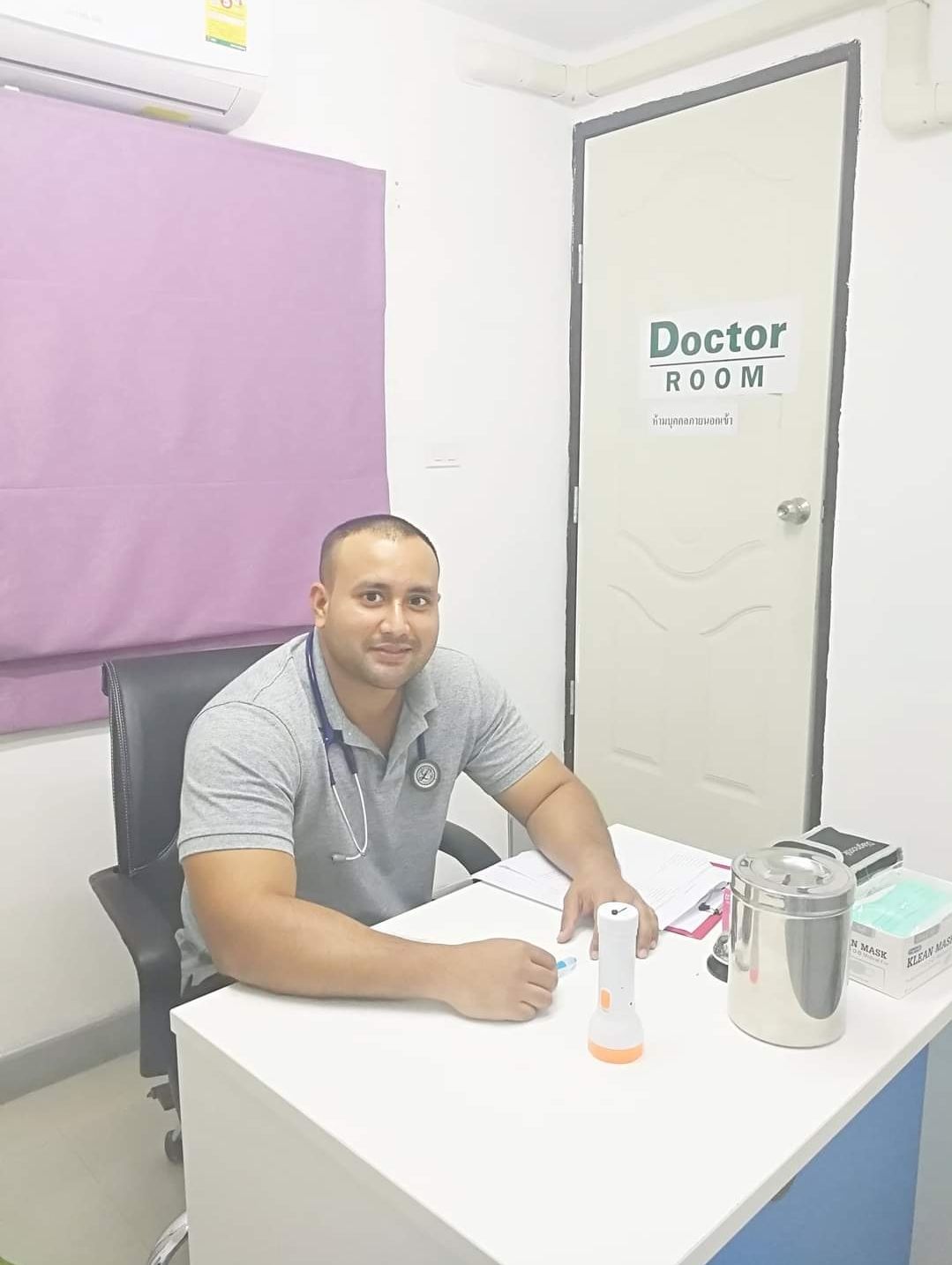
Dr. Ponlawat Pitsuwan is a physician at Doctor Bangkok, a private clinic in central Bangkok. He sees expats, residents, and medical tourists for general medicine, wellness consultations, and IV therapy. His focus is straightforward, evidence-based care delivered in plain language.