
Clinically reviewed by Dr. Ponlawat Pitsuwan, Physician, Doctor Bangkok.
Last reviewed: July 2026
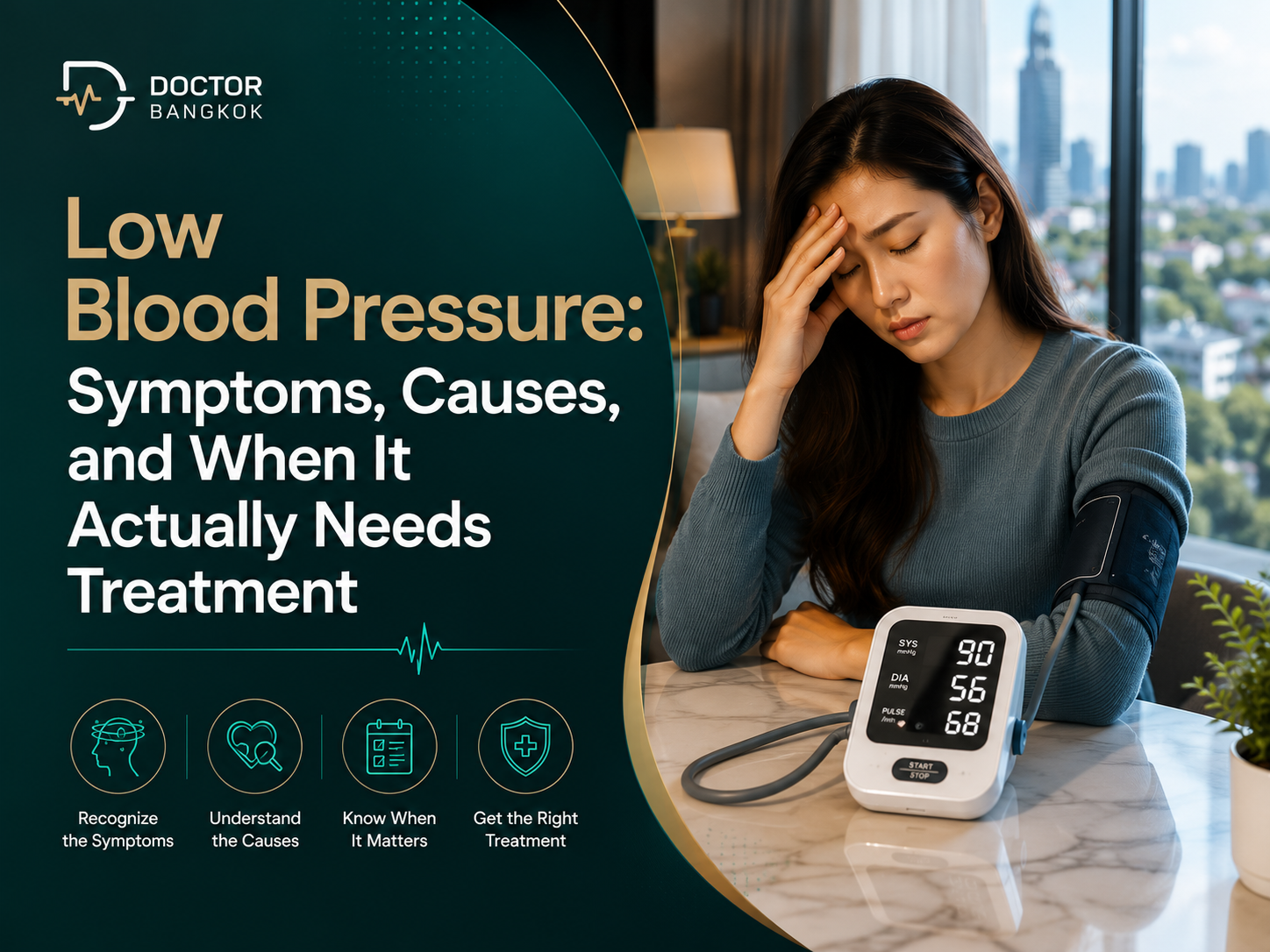
Low blood pressure is generally defined as a reading below 90/60 mmHg. For many people, a naturally low reading causes no problems at all. But if you are getting dizzy when you stand up, feeling faint in Bangkok’s heat, or blacking out unexpectedly, that is your body telling you something needs attention. The number alone does not tell the whole story. How you feel matters just as much.
If you felt dizzy standing up from a chair, nearly fainted on the BTS, or your blood pressure monitor just showed a number that worried you, here is the honest answer: a low reading does not automatically mean something is wrong. But it does not mean you can ignore it either.
Bangkok changes things. The heat, the humidity, the long days outside, the jet lag if you just arrived. All of it can push blood pressure lower than you are used to. I see expats and tourists at the clinic every week who have been brushing off symptoms for too long because they assumed low blood pressure was the safe kind. Sometimes it is. Sometimes it is not. This article helps you tell the difference.

What Low Blood Pressure Actually Means
Blood pressure is measured in two numbers. The top number is the pressure when your heart beats. The bottom number is the pressure between beats. Below 90/60 mmHg is where we call it low blood pressure, or hypotension.
Here is what most people do not hear: many healthy people run low all the time with zero symptoms. Athletes often sit in the 80s/50s range and feel completely fine. That is not a disease. That is just their normal.
The reading only becomes a problem when your brain, organs, and muscles are not getting enough blood flow. That is when symptoms appear.
Recognising Low Blood Pressure Symptoms
The most common thing I hear is: "I felt fine, then I stood up and the room went dark for a second." That is a classic sign. Dizziness when you move from lying or sitting to standing happens because blood briefly pools in your legs before your body adjusts.
Other common symptoms include unusual tiredness, blurred vision, difficulty concentrating, or a feeling that you might faint. Some patients describe a sudden wave of nausea paired with feeling cold and sweaty.
Actual fainting, where you lose consciousness, is less common but needs same-day assessment. If it has happened more than once, do not wait.

The Three Main Types and Why They Feel Different
The type most people recognise is a blood pressure drop when you change position. It usually corrects within a minute or two. If it does not, or if it keeps happening, that is worth investigating.
A less well-known type causes blood pressure to drop after eating, usually within one to two hours. Blood rushes to your digestive system after a meal. Older adults are more prone to this, and it can explain why some people feel drowsy after lunch for no obvious reason.
A third type tends to happen after long periods of standing, during emotional stress, or in hot environments. Your nervous system misreads a signal and triggers a sudden drop in blood pressure and heart rate. This type is most likely to cause an actual faint.
Low Blood Pressure in Bangkok’s Heat: Why Expats Are at Higher Risk
This is the section most articles skip, and it is the most relevant if you live or travel here.
Bangkok’s heat causes your blood vessels to widen to help cool you down. That widening lowers blood pressure. Sweating in this humidity means you are losing fluid and salt faster than most people realise, which reduces the volume of blood in circulation and lowers pressure further.
Put those two together and you have a real recipe for symptomatic low blood pressure, especially if you have just arrived, are not eating much, or have been more active than usual. Hot season, March through May, makes this worse.
I regularly see patients at Doctor Bangkok who have been managing symptoms as "just tiredness" or "just the heat" for weeks. A quick blood pressure check, taken lying down and standing, takes ten minutes and gives you a real answer.
What Causes Low Blood Pressure
Dehydration is the most common cause I see in this climate. But it is far from the only one.
Medications are a significant cause, especially in the expat population. Blood pressure tablets, antidepressants, diuretics, and some heart medications can all push blood pressure lower than intended. If your dose was set in a cooler climate, it may now be too strong for Bangkok’s environment.
Other causes include anaemia, thyroid problems, adrenal gland issues, heart rhythm problems, and prolonged bed rest. Pregnancy commonly lowers blood pressure in the first and second trimesters. If your symptoms are new, persistent, or getting worse, an underlying cause needs to be ruled out.
When Low Blood Pressure Needs Treatment and When It Does Not
A low reading with no symptoms almost never needs treatment. If you feel well, are not dizzy, not fainting, and your reading has always been on the lower end, there is nothing to fix.
Treatment becomes necessary when symptoms are affecting your quality of life or safety, when there is a sudden unexplained drop from your personal normal, or when tests reveal an underlying cause. Fixing the root cause, whether that is adjusting a medication, treating anaemia, or addressing a thyroid issue, often resolves the blood pressure problem entirely.
Lifestyle changes work well for mild symptomatic cases. Drinking more fluids, adding a little more salt to your diet, eating smaller and more frequent meals, and rising slowly from sitting or lying down all help. Compression stockings reduce blood pooling in the legs and help some patients significantly.
For more persistent cases, doctors occasionally use medication to help retain fluid or gently raise pressure. These are not first-line options. At Doctor Bangkok’s chronic conditions service, patients with recurring symptoms can get a structured assessment and a management plan, not just a single reading and a wave goodbye.
Warning Signs That Mean Go Now
Most low blood pressure is not an emergency. But some is.
Go to emergency care immediately if someone has collapsed and cannot be easily roused, has cold and clammy skin with a weak rapid pulse, is confused or not making sense, is breathing with difficulty, or has chest pain alongside any of the above.
These can be signs of shock, a dangerous collapse in blood pressure caused by severe infection, severe allergic reaction, or major blood loss. These need emergency treatment, not a clinic visit.
How Low Blood Pressure Is Diagnosed
The assessment is straightforward. Blood pressure is measured lying flat, sitting, and standing. A drop of 20 mmHg or more on standing is the key threshold. An ECG checks heart rhythm. A blood panel covers anaemia, thyroid function, electrolytes, and adrenal markers.
Medication review is part of every assessment because drug-induced low blood pressure is one of the most common and most fixable causes. In some cases a specialist may arrange further tests, but most patients get clear answers from this first-line workup.
Doctor Bangkok carries out all standard investigations on-site, same day. For expats who want one place, one appointment, and clear results, that is what we offer.
Practical Self-Management in Bangkok
Hydration matters more here than almost anywhere expats have lived before. Plain water is fine, but if you are sweating heavily, your body needs electrolytes too. Coconut water, oral rehydration salts, and sports drinks all work, though watch the sugar content in sports drinks.
Salt advice is a little different in Bangkok because Thai food is already high in sodium. Rather than adding extra salt, focus on not skipping meals and eating regularly. A long gap followed by a large meal is the worst pattern for people prone to post-meal dizziness.
Rise slowly. If you have been lying down, sit for thirty seconds before you stand. This sounds too simple, but for most patients this habit alone makes a real difference day to day. Avoid long hot showers first thing in the morning before you have had anything to drink.
Feeling dizzy in Bangkok’s heat? Getting light-headed when you stand? Doctor Bangkok offers same-day blood pressure assessments with ECG and blood panel on-site, carried out by English-speaking physicians in central Bangkok. Walk in or book online at doctorbangkok.co.th. Know your number. Know what it means.
Frequently Asked Questions
Can Bangkok’s heat and humidity cause low blood pressure?
Yes, and this is something I explain to patients every week. High temperatures cause your blood vessels to widen, which lowers pressure. Sweating in Bangkok’s humidity causes you to lose fluid and salt faster than you might expect, which lowers pressure further. Newly arrived expats are especially vulnerable in the first few weeks before their body adjusts.
What is the difference between dizziness from low blood pressure and dizziness from dehydration?
Clinically, they overlap a lot because dehydration is one of the most common causes of low blood pressure, especially in this climate. If symptoms only appear in the heat, after exertion, or when you have not drunk enough, dehydration is the likely explanation. If they keep happening regardless of conditions, something else needs ruling out. A quick lying-and-standing blood pressure check tells you a lot.
Does low blood pressure always need treatment?
No. A consistently low reading in someone who feels well is usually just their normal and not a cause for concern. Treatment is only needed when symptoms are present, when there is a sudden unexplained drop from your usual level, or when an underlying cause is found. The reading alone does not make the decision.
What tests does a doctor do to check low blood pressure?
The core workup is blood pressure measured in multiple positions, an ECG, and a blood panel checking for anaemia, thyroid problems, electrolyte levels, and adrenal function. A full medication review is also part of the assessment, because drug-induced low blood pressure is very common and very fixable. Doctor Bangkok carries out all of this on-site in a single appointment.
When should I see a doctor versus go to an emergency room?
Go to emergency immediately if there is collapse, confusion, cold clammy skin with a weak pulse, chest pain, or difficulty breathing. These can signal shock. See a doctor same-day if you have had a fainting episode, recurrent dizziness on standing, or are on blood pressure or heart medications and something feels off. A single mild episode of dizziness in obvious heat, with no recurrence, can usually wait for a routine appointment.
Can my blood pressure medication be causing my symptoms in Bangkok?
Absolutely, and this is one of the most common findings in expat patients. A dose that was right in a cooler climate may be too strong here, where heat and sweating already lower your pressure. If you have recently relocated and new symptoms have appeared, bring your medication list to your appointment. A simple dose review can make a significant difference.
Dr. Ponlawat Pitsuwan
Physician, Doctor Bangkok
a private medical clinic in central Bangkok. He sees expats, residents, and medical tourists for general medical consultations, cardiovascular health assessments, chronic condition management, and travel-related health concerns. His focus is straightforward, evidence-based care delivered in plain language.
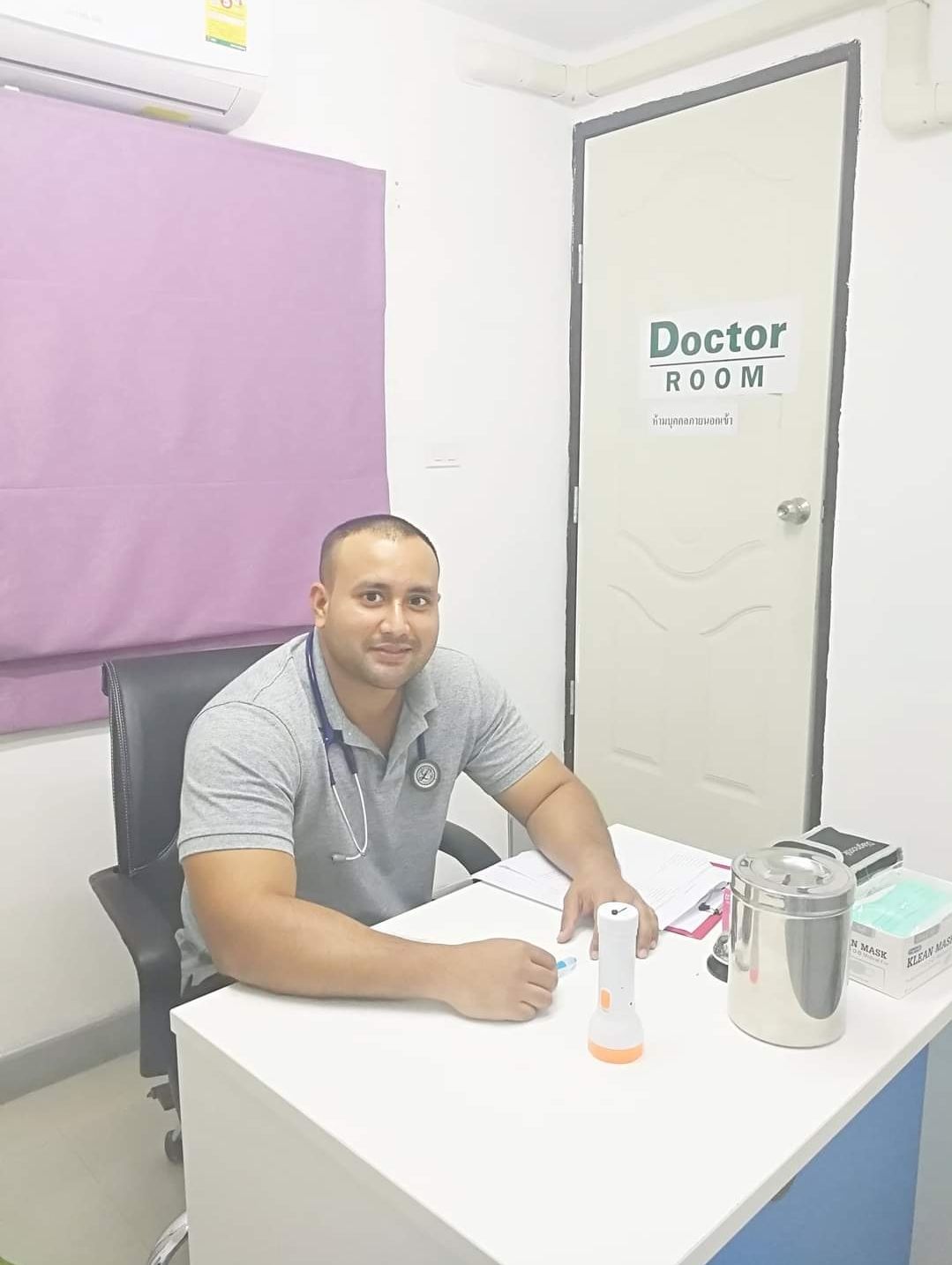
Dr. Ponlawat Pitsuwan is a physician at Doctor Bangkok, a private clinic in central Bangkok. He sees expats, residents, and medical tourists for general medicine, wellness consultations, and IV therapy. His focus is straightforward, evidence-based care delivered in plain language.