
Clinically reviewed by Dr. Ponlawat Pitsuwan, Physician, Doctor Bangkok. Last reviewed: July 2026
Most minor cuts and grazes can be managed at home with proper cleaning and dressing. In Bangkok, you need to be more careful than usual. The heat and humidity here accelerate bacterial growth and soak through dressings faster than in cooler climates. Change your dressing every 24 hours at minimum, watch for redness spreading beyond the wound edge, and come in if anything looks or feels wrong.
If you just scraped yourself on a Bangkok footpath, caught something at the market, or came off a scooter, you are in the right place. Most wounds that happen here are minor and can be handled at home. But Bangkok’s climate means the rules are a little different from what you may be used to back home.
The biggest mistake I see is people using the same approach they would in London or Sydney. Heat and humidity change how quickly a wound can go from fine to infected. This guide covers proper wound care at home, what to watch for, and when it is time to stop managing it yourself and come in.

Why Bangkok’s climate makes wound care different
This is the thing most online guides miss completely. Standard wound care advice is written for temperate climates. Bangkok is not that.
At 30 to 35 degrees with humidity sitting between 70 and 90 percent most of the year, your dressing gets saturated faster. When a dressing stays wet against a wound, bacteria thrive. What might take a week to show signs of infection in a cooler city can go wrong in two or three days here.
You will sometimes see white, wrinkled skin forming around the wound edge. This means the dressing stayed wet too long and the skin is starting to break down. In Bangkok, this can happen overnight.
Bangkok’s air pollution also matters. Fine particles settle on open wounds, especially road rash and abrasions. A thorough rinse immediately after injury is more important here than anywhere else.
Step-by-step: how to care for a minor wound at home
Start with your hands. Wash them thoroughly before touching the wound. This sounds basic, but it is the step most people skip when they are stressed and bleeding.
Rinse the wound under clean running water for two to three minutes. Use bottled water if possible, especially for anything deeper than a surface graze. Do not use hydrogen peroxide or alcohol directly on the wound. Both damage the tissue you are trying to heal.
Pat the area dry gently with a clean cloth or sterile gauze. Apply a thin layer of antibiotic ointment if you have it, then cover with an appropriate dressing and secure it firmly.
Change the dressing at least once a day in Bangkok. If you are sweating heavily, or the dressing is damp or lifting at the edges, change it sooner.

Choosing the right dressing in Bangkok’s heat
Standard adhesive bandages work fine for very small, surface-level cuts. For anything larger or in an area that sweats, you need something better.
Look for breathable, moisture-wicking dressings. Foam dressings and hydrocolloid dressings handle moisture better than plain gauze and adhesive strips. If you need to shower, a waterproof dressing will protect the wound without locking in too much heat.
For road rash covering a larger area, non-stick dressings with sterile gauze over the top work well. Avoid anything fully sealed and non-breathable on a wound that is producing fluid. In this climate, that combination causes skin breakdown fast.
Most pharmacies on Sukhumvit stock decent dressings, and any pharmacist at a larger chain will help you choose. If you are unsure, our team at Doctor Bangkok can dress the wound properly and send you home with the right supplies.
Bangkok-specific risks you may not have considered
Road rash from scooter accidents is probably the most common wound I see in expats. Bangkok road surfaces carry real contamination: exhaust residue, bacteria, and sometimes glass or gravel. These wounds need thorough flushing, not just a quick rinse.
If you have not had a tetanus booster in the last ten years, a contaminated road wound is reason to get one. This applies to puncture wounds, deep grazes, or anything involving rusty or dirty surfaces. Tetanus vaccination is available at Doctor Bangkok and can be done on the same visit as your wound assessment.
Animal scratches and bites cannot wait. Bangkok has a significant stray dog and monkey population, and any bite or deep scratch that breaks the skin needs same-day assessment. Decisions about rabies post-exposure treatment are time-sensitive.
If you have an open wound and you walk through floodwater during rainy season, cover it beforehand and clean it thoroughly if exposure happens. Leptospirosis is a real risk in flooded Bangkok streets.
Warning signs: when to stop managing at home
Most wounds improve steadily after the first day or two. Here is what tells me a wound has crossed the line.
Redness spreading beyond the wound edge is the clearest warning sign. The skin around the wound may also feel warmer, firmer, or more painful over time rather than less. These signs need clinical assessment, not another day of watching.
Some discharge is normal in the first 24 to 48 hours if it is clear and minimal. Thick yellow or green discharge, a foul smell, or increasing fluid after day two means the wound is infected.
Fever above 38 degrees alongside any wound symptoms is urgent. That combination suggests infection may be spreading beyond the wound itself. Come in the same day.
If the wound opens back up after appearing to close, that needs professional review. The same goes for wounds with edges that will not stay together, anything deeper than the surface skin layer, or anything on your face, hands, or over a joint.
Minimising scarring in Bangkok’s tropical sun
Once a wound closes, the new skin is fragile and much more vulnerable to sun damage. Bangkok’s UV index sits at extreme levels for most of the year. Without protection, healed skin exposed to sun is very likely to develop a dark patch where the wound was. This can last months or become permanent.
Apply SPF 50 sunscreen to the area every day once the wound is fully closed, even if you are mostly indoors. Cover it with clothing where possible when going outside.
Silicone gel applied to a closed scar once or twice daily can improve how the scar forms over time. Start this only after the wound has completely closed with no scabs remaining.
When home care is not enough: getting wound care in Bangkok
If your wound is not improving, is getting worse, needs stitches, or you are simply not sure what you are dealing with, come in.
At Doctor Bangkok, we see walk-in wound presentations regularly. We clean, dress, and assess wounds properly, check your tetanus status, prescribe antibiotics when indicated, and arrange follow-up if needed. Everything is in English, no referral required, and the clinic is BTS accessible in central Bangkok.
If you had a procedure elsewhere and your surgical wound is not healing as expected, we can assess that too. You do not need to navigate a public hospital for this level of care.
Travel insurance typically covers wound care. Keep your receipts and ask for an itemised summary at the time of your visit.
You can find out more about our wound care service and book online, or simply walk in.
Need wound care in Bangkok today? Doctor Bangkok offers walk-in wound assessment, professional cleaning and dressing, tetanus vaccination, and antibiotic prescriptions when needed. English-speaking physicians. Central Bangkok, BTS accessible. Visit doctorbangkok.co.th/wound-care-bangkok/ to book or walk in.
Frequently asked questions
Does Bangkok’s heat and humidity make wounds more likely to get infected?
Yes, and this is something I explain to patients regularly. Warm, humid conditions accelerate bacterial growth and cause dressings to saturate faster. Change your dressing at least once a day, and check the wound each time you do.
Can I swim in a Bangkok pool or the sea with an open wound?
No. Pool water still carries bacteria despite the chlorine, and seawater carries microorganisms that can significantly worsen an open wound. Wait until the wound is fully closed before swimming. A waterproof dressing is adequate for the shower but not for swimming.
How do I know if my wound needs stitches or professional treatment in Bangkok?
Come in if the wound is longer than about two centimetres, if the edges gap open and will not stay together, if it is on your face, hand, or over a joint, or if it involves a bite or debris you cannot fully remove. Our wound care clinic in Bangkok handles all of these without a prior appointment.
I got road rash from a motorbike accident in Bangkok. What should I do first?
Flush the wound thoroughly with clean water right away. Bangkok road surfaces carry significant contamination and a quick rinse is not enough. Apply a clean dressing and come in to have it properly cleaned and to check your tetanus status. Road rash covers a large surface area and infection risk here is higher than most people expect.
How long does a wound take to heal in Bangkok’s climate?
A minor cut that closes in five to seven days in a cooler climate may take seven to fourteen days here. Slower healing alone is not always a sign of infection, but monitor it daily. If the wound is getting redder, more painful, or producing more discharge after day two, come in.
Should I be worried about tetanus from a wound in Bangkok?
If you have not had a tetanus booster in the last ten years, yes. Any wound from a contaminated surface, road debris, or animal should prompt you to check your vaccination record. Doctor Bangkok can give you a booster on the same visit as your wound assessment.
Dr. Ponlawat Pitsuwan
Physician, Doctor Bangkok
a private medical clinic in central Bangkok. He sees expats, residents, and medical tourists for wound care, infection assessment, travel health, and general medical concerns. His focus is straightforward, evidence-based care delivered in plain language.
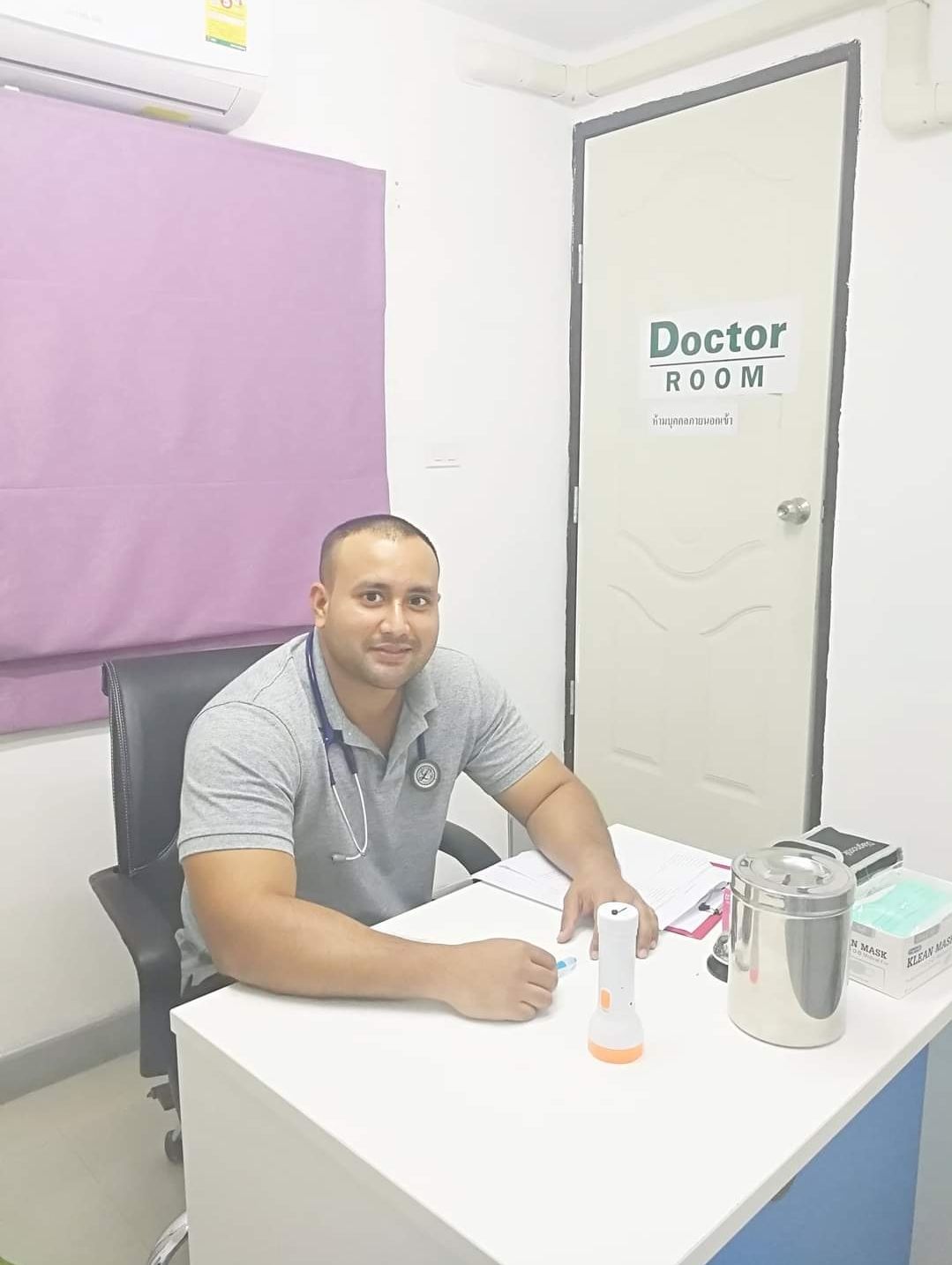
Dr. Ponlawat Pitsuwan is a physician at Doctor Bangkok, a private clinic in central Bangkok. He sees expats, residents, and medical tourists for general medicine, wellness consultations, and IV therapy. His focus is straightforward, evidence-based care delivered in plain language.