
Clinically reviewed by Dr. Ponlawat Pitsuwan, Physician, Doctor Bangkok.
Last reviewed: June 2026
A wound that has not healed after four weeks is considered chronic. The most common types are venous ulcers, arterial ulcers, and diabetic foot ulcers, each with different causes and different treatments. Getting the right diagnosis early makes a real difference to how well and how fast you recover.
You have had a wound for weeks. Maybe months. You have kept it clean, changed the dressings, and waited. It is not getting better. If that sounds familiar, you are not imagining things. Some wounds do not heal the way they should, and there is always a reason why.
A wound that fails to close within four weeks is what doctors call a chronic wound, or a non-healing wound. In Bangkok’s heat and humidity, this can happen faster than you might expect. Swelling gets worse, infection risk goes up, and dressings stay damp longer than they should. At our wound care clinic in central Bangkok, we see this regularly, especially in expats who have been managing something at home for too long before coming in.

What makes a wound chronic?
Most small wounds heal on their own within a few days to a couple of weeks. The body stops the bleeding, fights off bacteria, and rebuilds the skin. In a chronic wound, that process stalls, usually at the inflammation stage, where the body is still fighting rather than rebuilding.
The most common reasons this happens are poor blood flow, uncontrolled diabetes, nerve damage, and infection. Sometimes it is a combination of all four. Bangkok’s climate adds its own layer. High humidity softens the skin around wound edges, making them easier to break down. Heat increases swelling in legs with poor circulation.
If your wound has not shrunk over two to four weeks, is producing more discharge than before, smells unusual, or you are getting fevers, those are signs you need to come in. Do not wait another week.
Ulcer wounds: venous, arterial, and diabetic ulcers explained
Not all ulcers are the same. Treating the wrong type can make things worse, not better.
Venous ulcers
Venous ulcers happen when the veins in your legs stop moving blood upward efficiently. Blood pools in the lower leg, pressure builds, and the skin breaks down. These ulcers almost always appear just above the inner ankle. They tend to be shallow, wet, and irregular in shape. The skin around them often looks brownish or leathery, and they itch more than they hurt.
The main treatment is compression therapy, which applies graduated pressure to push blood back up the leg. This only works for venous ulcers. Using compression on an arterial ulcer can be dangerous, which is exactly why getting the right diagnosis matters before anything else.
Arterial ulcers
Arterial ulcers happen when not enough blood reaches the tissues. The arteries are narrowed or blocked, so the feet, toes, and heels do not get enough oxygen. These ulcers are typically small, round, and deep. The wound base looks pale, grey, or yellow, and the surrounding skin is often cool and hairless. They are very painful, especially at night or when the leg is elevated.
Treatment focuses on improving blood flow. Compression bandaging is not appropriate here. Anyone with suspected arterial disease needs a proper vascular assessment before wound treatment begins.
Diabetic ulcers
Diabetic ulcers are driven by nerve damage and poor circulation together. The nerve damage means you may feel nothing, no pain warning you that something is wrong. Many patients come in with a significant wound on the sole of their foot and had no idea it was there. We see this regularly at Doctor Bangkok, even in people who have had diabetes for years and believe they are managing it well.
The wound usually appears over a pressure point on the sole of the foot. It can look clean on the surface but be quite deep underneath. These wounds need careful assessment of depth, signs of bone infection, and blood supply before any treatment plan is made.

Diabetic wounds: why they heal slowly and how doctors treat them
High blood sugar damages blood vessels and nerves over time. Small blood vessels become stiff and narrow, reducing the oxygen and nutrients that healing tissue needs. The nerve damage, called peripheral neuropathy, means the normal pain signals that would prompt you to rest or notice a blister simply do not fire. By the time most patients notice a diabetic foot ulcer, it has often been there for days or longer.
Treatment is not just about the wound itself. Blood sugar control is the foundation. Without it, even the best dressing will not produce good results. We also use a technique called offloading, which means reducing pressure on the wound site. Special footwear, casts, or simply keeping weight off the foot can make a significant difference, and this is one of the most evidence-backed steps in diabetic foot ulcer care.
At the wound itself, the goal is to remove dead tissue, control infection, and encourage new tissue to grow from the base upward. For deeper or more complex wounds, some patients are referred for hyperbaric oxygen therapy or, in severe cases, surgical input including skin grafting. Doctor Bangkok can assess the wound, start treatment, and coordinate referral if the wound needs more than a clinic can provide.
Calciphylaxis wounds: what causes these rare and painful ulcers
Calciphylaxis is rare, but if you have kidney disease and develop painful, rapidly worsening skin ulcers, this needs to be on your radar.
In calciphylaxis, calcium deposits build up inside small blood vessels under the skin. Those vessels become blocked, the tissue loses its blood supply, and painful ulcers develop. The wounds tend to appear on the thighs, abdomen, and buttocks. They are intensely painful, often out of proportion to what the wound looks like on the surface.
The highest risk group is people with end-stage kidney disease, particularly those on dialysis. It can also occur in people with earlier kidney disease, certain clotting conditions, or those on long-term warfarin or corticosteroids. Treatment involves managing the underlying kidney condition, adjusting contributing medications, and in some cases using a drug called sodium thiosulfate to reduce calcium deposits. These wounds do not respond to standard dressing protocols and require specialist input.
If you have kidney disease and develop painful skin lesions that are not healing, do not assume it is something minor. Seek a medical assessment promptly.
Warning signs that mean you need to see a doctor now
Some wound changes need same-day attention. Redness spreading away from the wound edge, red streaking tracking up the limb, a foul smell, pus, a fever above 38 degrees, or a wound that has visibly grown in the past week are all reasons to stop waiting and come in.
Bangkok has excellent medical facilities, but going to a large hospital when you are not fluent in Thai is stressful. Doctor Bangkok offers English-speaking doctors in a private clinic setting, BTS accessible, with no referral letter needed and no multi-hour wait in a general emergency department. For wound care that needs an urgent assessment, you can book directly.
Wound not healing? We can help. Doctor Bangkok offers wound assessment and treatment at our private clinic in central Bangkok. English-speaking doctors, same-day appointments available, BTS accessible. Whether you have a diabetic foot ulcer, a wound that has been stuck for weeks, or something you are not sure about, we will assess it properly and give you a clear plan. Visit our wound care page to book.
FAQ
How do I know if my wound is chronic and needs specialist care in Bangkok?
If your wound has not reduced in size after four weeks of proper care, it meets the clinical definition of a chronic wound. Red-flag signs include increasing discharge, a foul smell, spreading redness, or fever. You do not need a hospital referral to be seen. Our wound care clinic in central Bangkok can assess you directly.
What is the difference between a venous ulcer and an arterial ulcer?
Venous ulcers appear above the inner ankle, are shallow and moist, and tend to itch more than hurt. Arterial ulcers appear on the toes, feet, and heels, are deep and dry, and are very painful. Treatment is completely different for each type, and using the wrong approach, such as compression on an arterial ulcer, can cause harm. A proper diagnosis before treatment is essential.
Does Bangkok’s heat and humidity make a chronic wound harder to heal?
It can. High humidity increases the risk of the skin around the wound edges breaking down, and heat worsens swelling in legs with poor venous circulation. Managing dressings in a tropical climate takes more attention than in a temperate one. If your wound care routine was designed for a different climate, it may need adjusting here.
Can a diabetic foot ulcer be treated at a private clinic in Bangkok, or do I need a hospital?
Early-stage and moderate diabetic foot ulcers can be assessed and managed at a private clinic with a doctor experienced in wound care. If the wound shows signs of deep infection, bone involvement, or significant vascular compromise, we will coordinate referral to the right specialist. Doctor Bangkok can start that process from the first appointment.
What is calciphylaxis and who is at risk?
Calciphylaxis is a rare condition where calcium builds up in small blood vessels under the skin, blocking blood flow and causing intensely painful ulcers. It is most common in people with end-stage kidney disease or those on long-term dialysis. If you have kidney disease and develop painful non-healing skin lesions, seek medical review promptly, as early diagnosis significantly affects how treatable the condition is.
I have been in Bangkok for six months and my wound is getting worse. What should I do?
Come in for an assessment. A wound that deteriorates over weeks, especially in Bangkok’s heat and humidity, needs a doctor to examine it, not just a new dressing from a pharmacy. We see this situation regularly at Doctor Bangkok, particularly with expats who have been managing something at home longer than they should have.
Dr. Ponlawat Pitsuwan
Physician, Doctor Bangkok
a private medical clinic in central Bangkok. He sees expats, residents, and medical tourists for wound care, chronic wound assessment, and general medical concerns. His focus is straightforward, evidence-based care delivered in plain language.
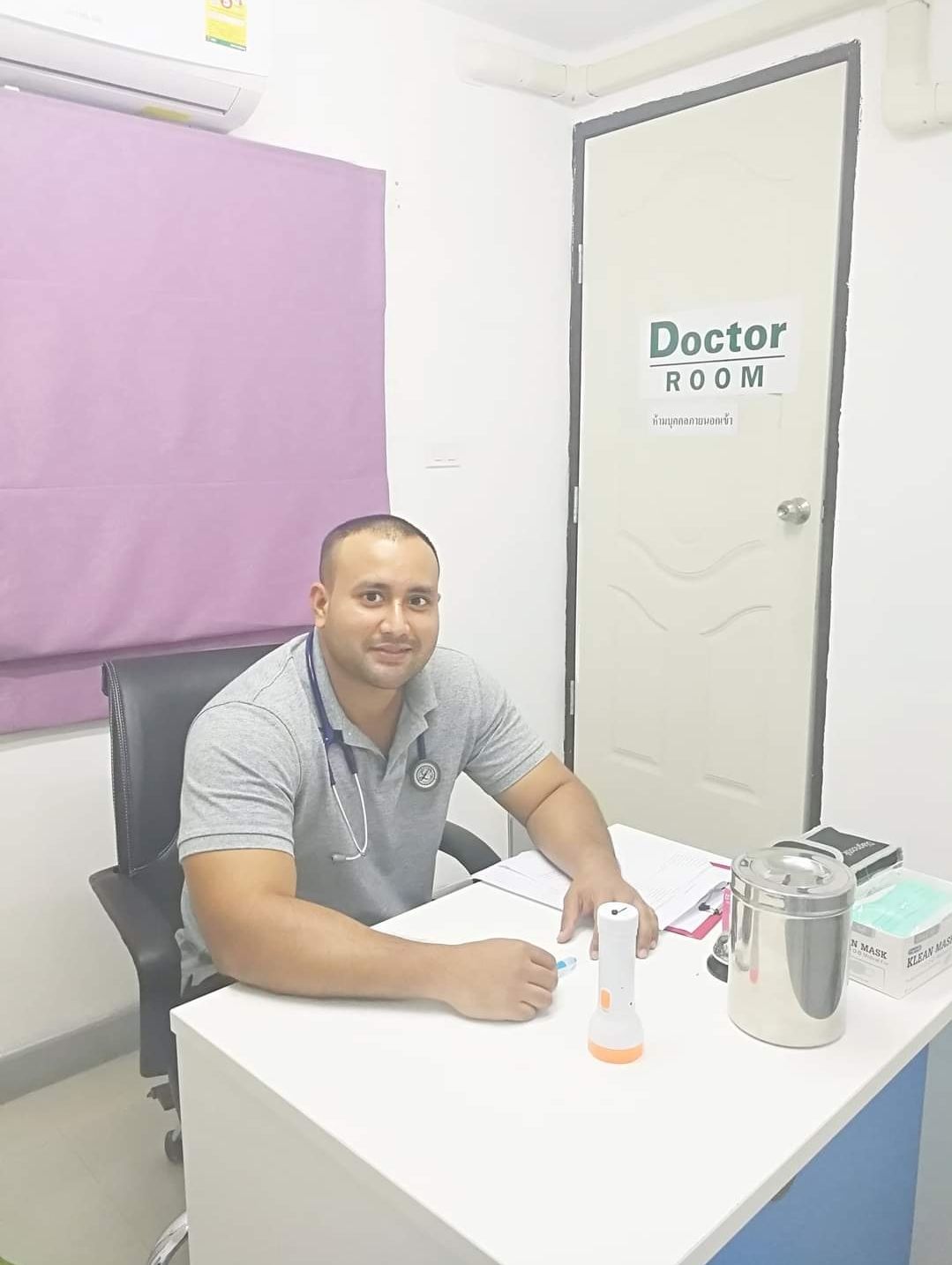
Dr. Ponlawat Pitsuwan is a physician at Doctor Bangkok, a private clinic in central Bangkok. He sees expats, residents, and medical tourists for general medicine, wellness consultations, and IV therapy. His focus is straightforward, evidence-based care delivered in plain language.