
Clinically reviewed by Dr. Ponlawat Pitsuwan, Physician, Doctor Bangkok.
Last reviewed: September 2026
Iron, vitamin B12, and folate are the three nutrients your body needs most to make red blood cells. Getting enough through food can help if your levels are mildly low, but dietary changes take several weeks to show in your results, and some causes of low red blood cell count will not respond to food changes at all. A blood test is the only way to know what your body actually needs.
Persistent fatigue is one of the most common things I hear from expats in Bangkok. Not jet lag, not the heat. The kind of tiredness that does not shift after a full night’s sleep. Often, the answer is straightforward: red blood cell count is low, and the body is not carrying oxygen the way it should. What you eat is usually the first place to look.
But here is what most people get wrong. They read about iron-rich foods, eat more spinach for two weeks, and wonder why nothing has changed. Red blood cells live for roughly 120 days, so any dietary change takes weeks before it shows in your results. And if your low count is caused by something other than iron, such as a B12 deficiency or a condition called thalassemia, which is common across Southeast Asia, eating more iron will not help at all. Knowing what you actually need matters more than eating more of everything.

Why Your Red Blood Cell Count Drops in the First Place
Red blood cells carry oxygen from your lungs to every part of your body. When the count falls, everything feels harder. You tire faster, concentration drops, and you may feel breathless doing things that never bothered you before.
The most common reason is iron deficiency. Without enough iron, the body cannot make haemoglobin, the protein inside red blood cells that carries oxygen. Low B12 or folate causes a different problem: the body makes red blood cells that are too large and do not function correctly. This is called megaloblastic anaemia, and the dietary fix is completely different from iron deficiency.
A third cause, especially relevant here in Thailand, is thalassemia. This is an inherited condition affecting how haemoglobin is built, and it is common in the Thai population. No dietary iron will correct it. Taking iron supplements when you have thalassemia can actually cause harm. This is exactly why we test before we treat.
The Core Nutrients Your Body Needs to Make Red Blood Cells
Iron
Iron is the starting point. The body uses it to build haemoglobin inside each red blood cell. Most adults need between 8 and 18 milligrams per day, with higher needs during pregnancy.
Good sources include red meat, liver, shellfish, eggs, legumes, tofu, and dark leafy greens. The issue is not just how much you eat, but how much your body actually absorbs.
Vitamin B12
B12 is essential for red blood cell production and maturation. It is found almost entirely in animal products: meat, fish, eggs, and dairy. If you eat a largely plant-based diet, which many expats in Bangkok do, your B12 intake may be lower than you realise.
Deficiency develops slowly and can go undetected for months. Fatigue and mental fog are usually the first signs.
Folate (Vitamin B9)
Folate works alongside B12 to help your bone marrow produce red blood cells correctly. It is found in dark leafy vegetables, beans, lentils, and fortified grains. Unlike B12, it is easier to get enough folate from a plant-heavy diet. Cooking destroys a portion of it, so raw or lightly cooked vegetables retain more.
Vitamin C
Vitamin C does not build red blood cells directly, but it significantly improves how much plant-based iron your gut absorbs. Pairing a plant iron source with lime juice, papaya, or orange juice is a simple habit that makes a real difference.
Copper
This is the nutrient most people overlook. The body needs copper to release absorbed iron into the bloodstream. Without it, iron cannot do its job even if your intake is good. Shellfish, nuts, seeds, and whole grains are reliable sources.

Heme Iron Versus Non-Heme Iron, and Why It Matters If You Eat Thai Food Daily
Not all iron is absorbed equally. Iron from animal sources is absorbed at up to 30 percent. Iron from plants is absorbed at roughly 2 to 10 percent. That gap is significant.
Many expats in Bangkok eat primarily plant-based Thai dishes: stir-fried vegetables, jasmine rice, tofu, and som tum. These are not bad foods, but they are mostly low-absorption iron sources. You can eat a lot of them and still end up deficient if you are not being deliberate about what you pair them with and when.
Combining plant iron sources with vitamin C, and being aware of what blocks absorption, closes a large part of this gap.
Iron-Rich Foods You Can Actually Find in Bangkok
Most online guides list foods as if you are shopping at a Western supermarket. Here is what is actually available to you in Bangkok.
Pad tab wua, the Thai liver stir-fry, is a rich source of heme iron and available at most traditional Thai restaurants. Morning glory, known locally as pak boong, is one of the higher-iron leafy greens in Thai cooking and appears on almost every menu. Clams and dried shrimp, used widely across Thai cuisine, are excellent sources of both iron and copper.
At larger supermarkets like Tops, Villa Market, and Gourmet Market, you will find spinach, lentils, canned beans, edamame, and fortified breakfast cereals. Tofu is accessible everywhere and provides a reasonable amount of plant-based iron when eaten consistently.
Foods and Drinks That Block Iron Absorption
This section may matter more than the food list above, and most people have never read it.
Thai milk tea, or cha yen, is loaded with tannins from black tea. Tannins bind to plant-based iron in your gut and block absorption. If you drink Thai tea with meals or shortly after, you are actively working against yourself. Coffee has a similar effect. Aim to leave at least one hour between an iron-rich meal and either drink.
Jasmine rice, eaten at almost every meal in Thailand, contains phytates that reduce plant iron absorption. This does not mean stop eating rice, but it does mean you should not rely on rice-based meals alone to meet your iron needs.
Calcium competes with iron for absorption. Taking a calcium supplement or drinking a glass of milk at the same time as an iron-rich meal reduces how much iron gets through.
How Long Does It Take for Food to Raise Your Red Blood Cell Count?
Longer than most people expect. Even if you address the underlying deficiency today, your blood count will not normalise until enough new, healthy red blood cells have been produced and the old ones have cycled out.
With consistent dietary changes, you might start to feel better within four to six weeks. A full recovery in blood test results often takes two to three months. If your deficiency is moderate to severe, diet alone may not be fast enough, and supplementation under medical guidance is usually needed.
Do not judge the diet by how you feel after ten days. Give it the time it actually needs.
Special Note for Vegan and Vegetarian Expats in Bangkok
Bangkok is genuinely one of the easier cities in Asia to eat plant-based. But a fully vegan diet carries a real B12 risk because B12 is almost exclusively found in animal products.
Fortified plant milks, nutritional yeast, and algae-based supplements can help. Check labels carefully, because not all plant milks sold in Thailand are fortified to the same level. If you have been fully plant-based for more than a year without supplementing B12, a blood test to check your levels is a sensible and simple step.
When Food Is Not Enough: Getting Tested in Bangkok
If you have been eating well and still feel exhausted, do not keep adjusting your diet and hoping for the best. Get tested.
A complete blood count, or CBC, shows your red blood cell count, haemoglobin level, and the size and shape of your cells. We typically add a serum ferritin test, which shows stored iron levels, alongside B12 and folate. Ferritin is particularly useful because your blood iron can appear normal even when your stores are nearly empty.
At Doctor Bangkok, we run these panels regularly for expats and residents dealing with persistent fatigue. Results are usually ready within 24 to 48 hours, and the consultation walks you through what they mean and what to do next. If something else is going on, such as thalassemia or anaemia from a chronic condition, we make sure you get the right answer rather than the wrong treatment.
Do not take iron supplements without testing first. Too much iron carries its own risks, and if your anaemia is caused by B12 deficiency or thalassemia, iron will not help.
Persistent fatigue in Bangkok is worth investigating, not just pushing through. Doctor Bangkok offers CBC blood tests, ferritin, B12, and folate panels at our central Bangkok clinic, with English-speaking physicians and results usually within 24 to 48 hours. We are BTS accessible and see patients seven days a week. Book a consultation if you want clear answers rather than guesswork.
Frequently Asked Questions
Dr. Ponlawat Pitsuwan
Physician, Doctor Bangkok
a private medical clinic in central Bangkok. He sees expats, residents, and medical tourists for general consultations, health screening, and blood testing including CBC, ferritin, B12, and folate panels. His focus is straightforward, evidence-based care delivered in plain language.
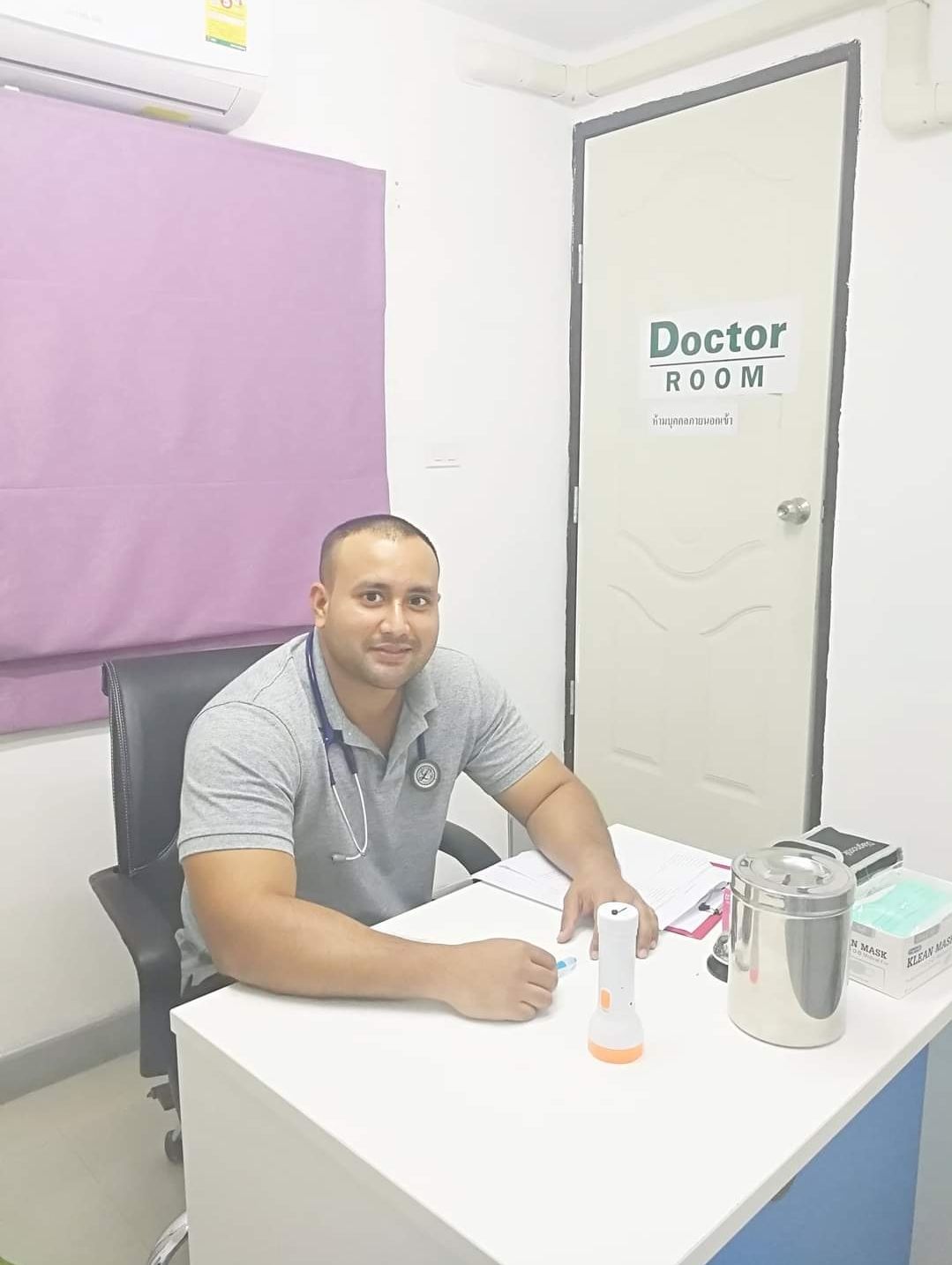
Dr. Ponlawat Pitsuwan is a physician at Doctor Bangkok, a private clinic in central Bangkok. He sees expats, residents, and medical tourists for general medicine, wellness consultations, and IV therapy. His focus is straightforward, evidence-based care delivered in plain language.