
Clinically reviewed by Dr. Ponlawat Pitsuwan, Physician, Doctor Bangkok. Last reviewed: September 2026
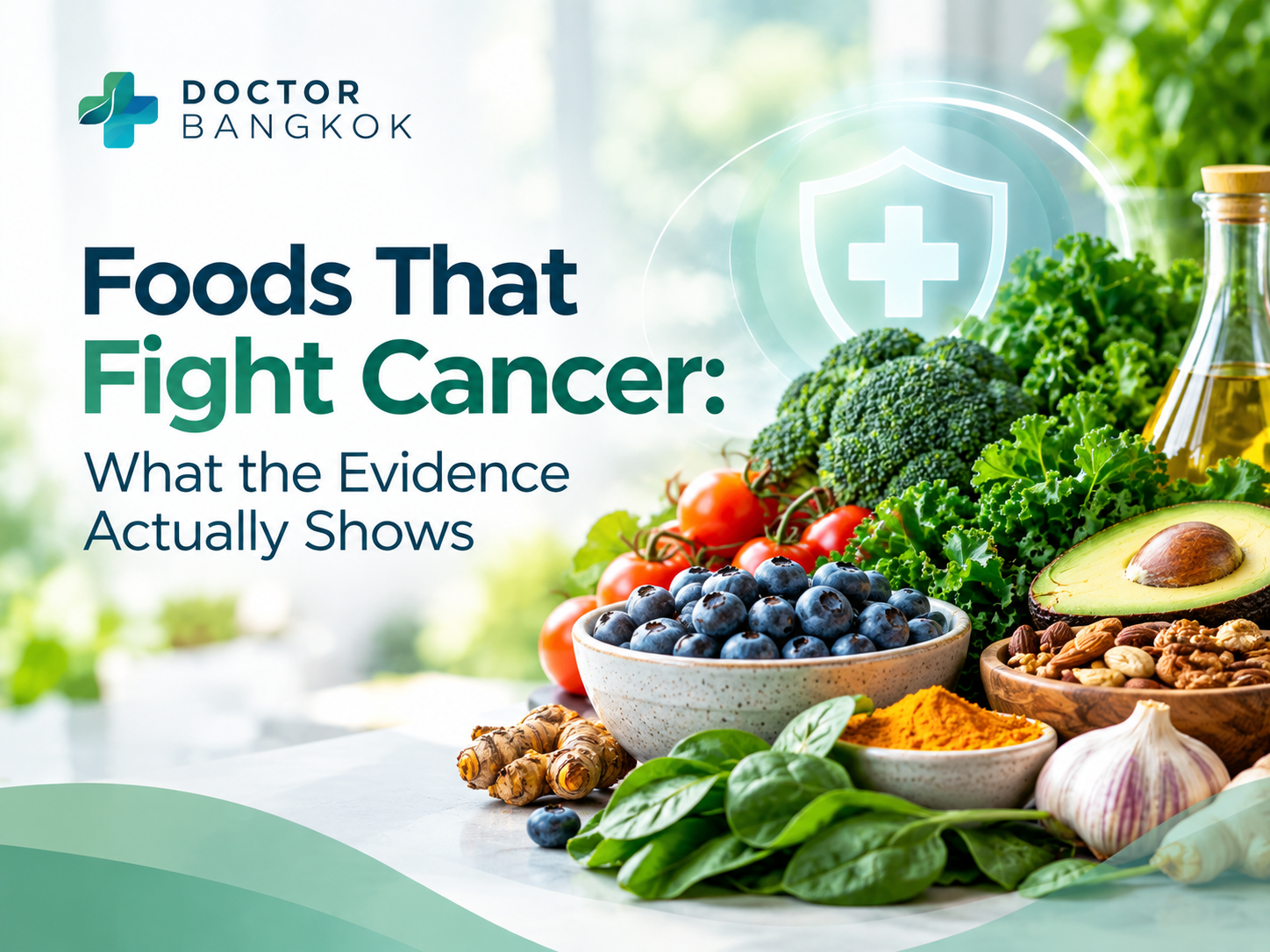
No single food prevents cancer. But a consistent diet rich in vegetables, fruits, whole grains, and specific plant compounds can meaningfully reduce your risk. The evidence is strongest for dietary patterns overall, not individual superfoods. Pair a cancer-protective diet with regular health screening for the best results.
A lot of patients come in after a cancer diagnosis in the family and ask me the same thing: "What should I be eating?" It is a good question. Diet is one of the few cancer risk factors you can actually change. And if you are living in Bangkok, you have better access to cancer-protective foods than most people realise.
Food will not cure cancer and will not guarantee you never get it. But strong evidence shows that diet plays a real role in reducing risk. Some compounds found in everyday Thai ingredients have been studied extensively for their effects on cancer cell growth and inflammation. Here is what the science actually supports, and what you can find at your nearest Bangkok market tomorrow morning.

Why What You Eat Matters for Cancer Risk
Diet is one of the most significant modifiable risk factors for cancer. That means it is something you can change, unlike your age or genetics. The World Health Organization links a large proportion of cancers to lifestyle factors including diet, alcohol, physical inactivity, and excess body weight.
Certain foods promote chronic inflammation and cell damage over time, creating conditions where cancer can develop. Plant-based compounds found in vegetables, fruits, and whole grains can work against that damage and support healthy cell function. This does not mean eating broccoli once a week will protect you. It means your overall dietary pattern, maintained over years, shapes your risk in real and measurable ways.
Cancer Fighting Foods: How They Help
When you eat vegetables, fruits, legumes, and whole grains consistently, you take in compounds your body uses to reduce inflammation, support DNA repair, and keep cells functioning normally. Some of these compounds are particularly relevant for hormone-sensitive cancers like breast and prostate cancer.
Cruciferous vegetables like broccoli, cabbage, and kale contain sulforaphane, a compound studied for its cancer-protective effects across multiple human trials. Tomatoes and pink guava contain lycopene, a pigment linked to reduced risk of certain cancers in observational studies. Turmeric contains curcumin, which has shown anti-inflammatory effects in both lab research and early human studies.
None of these work like medication. They work slowly, consistently, and as part of a broader dietary pattern.
Cancer Fighting Foods You Can Find Every Day in Bangkok
This is where living in Bangkok actually works in your favour. Every morning market, every street stall, and every mid-range supermarket here stocks ingredients that researchers have been studying for decades.
Turmeric is in everything. Tom kha, curries, stir-fries. Galangal, a close relative of ginger used heavily in Thai cooking, contains compounds studied for anti-cancer properties in early research. Lemongrass and kaffir lime are similarly researched and cheap. You are probably already eating them without thinking about it.
Pink-fleshed guava grown in Thailand is one of the richest sources of lycopene available at a fresh market, often at ten baht a piece. Mangosteen contains xanthones, plant compounds with antioxidant and anti-inflammatory properties studied for their potential protective effects. Anthocyanins, the pigments in dragon fruit and roselle, have shown promise in early research.
Cruciferous vegetables are stocked at Villa Market, Tops, and Gourmet Market. Brown rice and oats are in every major supermarket. The building blocks of a genuinely cancer-protective diet are all here, and they are not expensive.
Top Cancer Fighting Foods and the Evidence Behind Them
| Food | Key Compound | Evidence Level | Easy to Find in Bangkok |
|---|---|---|---|
| Turmeric | Curcumin | Moderate (strong in lab, developing in humans) | Yes, everywhere |
| Broccoli and cruciferous vegetables | Sulforaphane | Strong | Yes, major supermarkets |
| Pink guava | Lycopene | Moderate | Yes, fresh markets |
| Tomatoes | Lycopene | Moderate | Yes |
| Berries and dragon fruit | Anthocyanins | Moderate | Yes |
| Garlic and onion | Organosulfur compounds | Moderate | Yes |
| Green tea | EGCG (catechins) | Moderate | Yes |
| Galangal and lemongrass | Various phytochemicals | Limited (early research) | Yes, all markets |
| Mangosteen | Xanthones | Limited (early research) | Yes, seasonal |
| Whole grains | Fibre, phytic acid | Strong | Yes |
| Legumes | Fibre, protein, phytates | Strong | Yes |
"Strong" means consistent findings across multiple human studies. "Moderate" means solid observational evidence. "Limited" means promising early research, often from lab or animal studies, without definitive human trials yet.
Foods to Limit or Avoid
The other side of the equation matters just as much. Ultra-processed foods are consistently associated with higher cancer risk in large observational studies. In Bangkok, this means the fast food chains, convenience store snacks, and sugary drinks that many expats rely on when they are busy.
Processed meats, including sausages, deli ham, bacon, and cured meats found in expat supermarkets, are classified as Group 1 carcinogens by the International Agency for Research on Cancer. That means strong evidence links them to colorectal cancer specifically. Eating one sausage will not cause cancer. Making them a daily habit carries real risk.
Alcohol increases the risk of at least seven cancer types, including breast, liver, bowel, and oesophageal cancers. Bangkok’s social culture around drinking is real, and I am not going to pretend otherwise. But the evidence on alcohol and cancer is among the strongest in nutrition research.
High-salt diets, including heavy reliance on fish sauce and processed street food, are linked to stomach cancer risk, which remains relatively common across parts of Asia. You do not need to avoid Thai food, but balance matters.
How to Build a Cancer-Protective Diet in Bangkok
The pattern that consistently shows up across major cancer prevention guidelines is the same: eat mostly plants, limit processed and red meat, cut alcohol, and minimise refined sugar and ultra-processed food. You do not need to follow a specific named diet. You need to move in that direction consistently.
A practical starting point for Bangkok: swap white rice for brown rice at a few meals each week. Eat one meal a day that is mostly vegetables and legumes. Choose a fresh fruit from a street stall instead of a packaged snack from 7-Eleven. Use the fresh herbs already in your Thai food rather than treating them as decoration. None of this is extreme.
Fibre from vegetables, fruits, and whole grains also feeds the gut microbiome, which plays a role in inflammation and immune function, both connected to cancer risk. Most expats in Bangkok are not eating nearly enough of it.
Eating Well During and After Cancer Treatment
If you or someone you know is going through chemotherapy or recovering from treatment, the dietary focus shifts. Supporting the body through treatment becomes the priority.
Protein becomes critical because treatment puts your body under significant physical stress. Legumes, eggs, fish, and tofu are good sources that tend to be easier on the digestive system than red meat. Ginger, widely available in Thailand, has moderate evidence for reducing treatment-related nausea. Soft, easily digestible plant foods are often better tolerated when appetite is low.
One practical warning: grapefruit interacts with several cancer medications by affecting how the drug is processed in the body. If you are on active treatment, check with your doctor before making major dietary changes. At Doctor Bangkok, we can review your situation and advise on nutrition that fits your treatment plan.
Diet Is Only Part of the Picture: Cancer Screening in Bangkok
Diet reduces risk. It does not detect cancer. And that distinction matters enormously.
Many cancers, including colorectal, cervical, breast, and liver cancers, are highly treatable when caught early. They are often symptomless in the early stages. Waiting until something feels wrong is frequently too late for the most favourable outcomes.
At Doctor Bangkok, our health check-up packages include cancer biomarker screening and can be tailored to your age, sex, and family history. If you have never had a baseline health screen since moving to Thailand, that is a gap worth closing. Early detection is one of the most evidence-based things you can do for your long-term health, alongside everything on this page about what you eat.
If you have a family history of cancer or have been putting off routine health checks since arriving in Bangkok, a consultation with one of our English-speaking physicians is a straightforward next step.
Eating the right foods is a strong start. But cancer screening is what catches problems before you feel them. Doctor Bangkok offers health check-up packages including cancer biomarker blood tests, tailored to your age and risk profile. Our English-speaking doctors see expats and medical tourists for general health consultations, wellness checks, and preventive screening. BTS accessible. Book a consultation at Doctor Bangkok today.
FAQ
Dr. Ponlawat Pitsuwan
Physician, Doctor Bangkok
a private medical clinic in central Bangkok. He sees expats, residents, and medical tourists for general health consultations, preventive screening, and wellness assessments. His focus is straightforward, evidence-based care delivered in plain language.
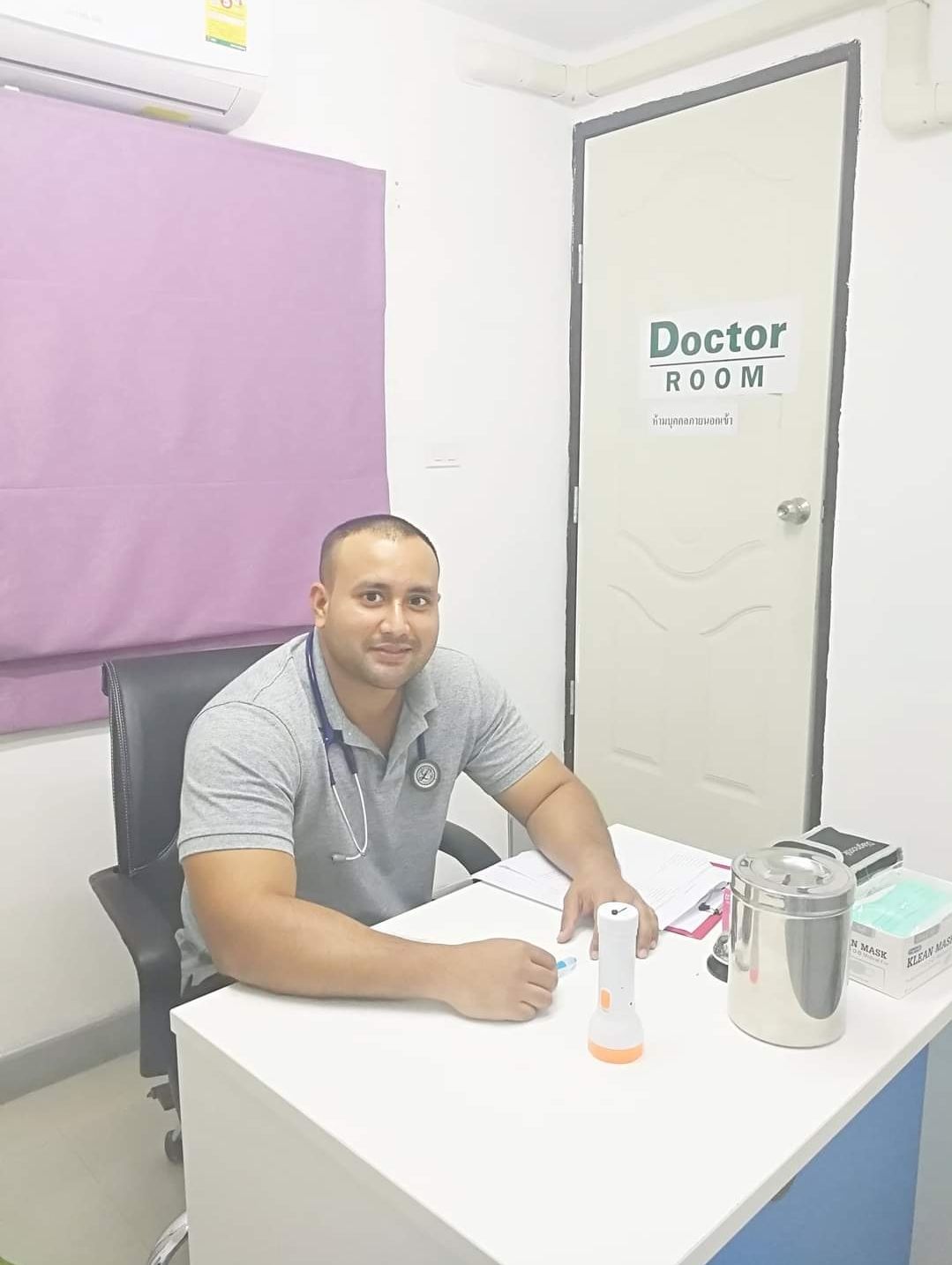
Dr. Ponlawat Pitsuwan is a physician at Doctor Bangkok, a private clinic in central Bangkok. He sees expats, residents, and medical tourists for general medicine, wellness consultations, and IV therapy. His focus is straightforward, evidence-based care delivered in plain language.