

Clinically reviewed by Dr. Ponlawat Pitsuwan, Physician, Doctor Bangkok. Last reviewed: July 2026
BMI, or body mass index, is a simple calculation using your weight and height. It gives a rough sense of whether your weight is in a healthy range. But it cannot measure body fat directly, and for people living in or visiting Thailand, the thresholds that matter are often lower than the Western numbers you may be used to seeing.
You looked up your BMI, got a number, and now you are not sure what it actually means. Maybe it came back normal but you still feel off. Maybe it flagged overweight and you are wondering whether that is accurate given how much you exercise. Either way, a single number from a calculator is rarely the whole story.
BMI is a useful starting point, not a final answer. I use it in clinic every day, but I always pair it with other markers. If you are living in Bangkok or visiting and have not had a proper health check in a while, this is worth understanding before you take that number at face value.

How BMI Is Calculated and What the Numbers Mean
The formula is straightforward. Take your weight in kilograms and divide it by your height in metres squared. A person weighing 70 kg at 1.70 m tall gets a BMI of 24.2.
The standard Western categories look like this.
| BMI Range | Category |
|---|---|
| Below 18.5 | Underweight |
| 18.5 to 24.9 | Healthy weight |
| 25.0 to 29.9 | Overweight |
| 30.0 and above | Obese |
These thresholds come from WHO guidelines built around Western populations. If you grew up outside Asia and have always used these numbers, they may not fully apply to you here.
Why BMI Was Never Designed for Everyone
BMI was created in the 1830s by a Belgian statistician. His goal was to describe average body proportions in European men. He was not a physician and was not measuring health risk.
That formula has been in clinical use for nearly two centuries, applied to every body type and ethnicity on the planet. A number designed for 19th-century Belgian men was never meant to assess metabolic risk in a Thai woman in 2026. This directly affects how you should interpret your result in Bangkok.

BMI in Bangkok: Why the Thresholds Are Different Here
This is the part most online BMI calculators skip entirely. In Thailand and across much of Asia, health guidelines use lower cutoff points. Overweight begins at BMI 23, not 25. Obesity is defined from BMI 27.5 onward, not 30.
Evidence from Thai adult populations shows that the risk of type 2 diabetes and high blood pressure rises at BMI levels well below Western cutoffs. This is especially true for women. A BMI of 24 might look perfectly healthy on a Western chart. Under Thai clinical guidelines, it sits in the overweight category and may warrant a closer look at blood sugar and cholesterol.
This is not about being alarmist. It is about using the right reference point for your body and where you live. If you are receiving care at a clinic in Bangkok, your doctor should be interpreting your BMI against these regional thresholds.
| Category | Western WHO Threshold | Asian Threshold |
|---|---|---|
| Healthy weight | 18.5 to 24.9 | 18.5 to 22.9 |
| Overweight | 25.0 to 29.9 | 23.0 to 27.4 |
| Obese | 30.0 and above | 27.5 and above |
What BMI Misses: The Limitations You Need to Know
Here is what I tell patients who come in relieved that their BMI is normal: a healthy BMI does not mean healthy body composition.
BMI measures weight relative to height. It cannot tell the difference between fat and muscle. A trained athlete with significant muscle mass can register as overweight. A sedentary person with very little muscle can have a normal BMI while carrying dangerous levels of fat around their organs.
That second scenario has a clinical name: normal weight obesity. The BMI looks fine, but fat stored around the liver, pancreas, and intestines is elevated. This pattern is linked to insulin resistance, high triglycerides, and increased cardiovascular risk. None of that shows up on a BMI calculator, and I see it in clinic more often than most patients expect.
BMI also does not adjust for age, sex, or where fat sits on your body. Two people with identical BMIs can have completely different health profiles depending on whether their weight sits around the abdomen or the hips.
Better Metrics to Use Alongside BMI
BMI is where assessment starts, not where it ends.
Waist circumference is one of the most practical tools available. For Asian men, a waist above 90 cm signals elevated risk. For Asian women, the threshold is 85 cm. These numbers are lower than Western equivalents because Asian adults tend to carry more visceral fat at equivalent waist sizes.
Waist-to-height ratio is even simpler to track. Divide your waist measurement by your height, both in the same unit. Keeping that number below 0.5 is associated with lower cardiometabolic risk across most adult populations.
Body fat percentage, measured through a painless scan called bioelectrical impedance analysis, gives a more direct picture of how much of your weight is fat versus lean tissue. Many health check packages in Bangkok include this as standard.
Blood tests matter just as much. Fasting blood glucose, an HbA1c for longer-term sugar control, and a lipid panel including triglycerides and HDL cholesterol will tell you far more about your metabolic health than your BMI alone. You can read more about what a full health check covers at our travel and health assessment page.
When to Get Your BMI and More Assessed by a Doctor in Bangkok
If you have not had a health check in a few years and you are living in or visiting Bangkok, that is reason enough to come in. I see a lot of expats who have been here for months and have never had their baseline markers checked. They feel fine. That is often exactly when things are quietly building.
Any BMI outside the healthy range is worth discussing with a doctor, particularly if you have a family history of diabetes, high blood pressure, or heart disease. But even a normal BMI warrants a proper review if you have risk factors or symptoms that do not add up.
At Doctor Bangkok, a health check consultation covers BMI alongside waist circumference, blood pressure, blood sugar, and cholesterol in a single visit. Results are discussed with you directly, in plain English, before you leave. Our clinic is BTS accessible and open to expats, residents, and visitors who want clear answers without waiting weeks for an appointment.
If you are not sure what to ask for, start with a general health check. We will help you work out what your numbers actually mean for your body, your age, and where you are living.
Ready to go beyond the BMI calculator? At Doctor Bangkok, our English-speaking physicians offer health checks that include BMI, waist measurements, blood sugar, lipid panels, and a proper clinical review of your results. One visit gives you a complete metabolic picture, not just a number. Book your health assessment at doctorbangkok.co.th or walk in to our central Bangkok clinic, BTS accessible and open to expats, residents, and medical tourists.
Frequently Asked Questions
Is a healthy BMI the same in Thailand as in my home country?
No, and this matters clinically. Thailand applies lower thresholds: overweight starts at BMI 23 and obesity at BMI 27.5, compared to 25 and 30 in Western guidelines. A number that looks reassuring on a standard calculator may warrant a closer look under Thai clinical guidelines.
Can I have a normal BMI and still be at health risk?
Yes. This is called normal weight obesity, and I see it regularly in clinic. A person can have a BMI in the healthy range while carrying excess fat around their abdominal organs, which is linked to insulin resistance and cardiovascular risk. BMI alone will not catch it, which is why waist circumference and blood tests matter.
How do I calculate my BMI?
Divide your weight in kilograms by your height in metres squared. A person weighing 70 kg at 1.70 m tall gets a BMI of 24.2. For Asian adults in Bangkok, interpret that number using Asian thresholds, and pair it with a clinical assessment rather than relying on the calculator alone.
What is a healthy BMI for an expat living in Bangkok?
It depends on your ethnicity and individual health history. Western adults are typically assessed using 18.5 to 24.9 as the healthy range. If you are being cared for in Bangkok, your doctor may discuss Asian-specific thresholds alongside those figures. BMI should always be read alongside waist circumference, blood sugar, cholesterol, and blood pressure for a full picture.
When should I see a doctor about my BMI?
Any time your BMI sits outside the healthy range, or if you have risk factors like a family history of diabetes or high blood pressure, or if you simply have not had a health check in a few years. Doctor Bangkok offers English-language consultations that cover all the key metabolic markers in a single visit, with results explained clearly before you leave.
Does BMI work the same way for men and women?
The formula is the same, but the health implications can differ. Women generally carry a higher proportion of body fat than men at the same BMI. Asian women in particular show elevated cardiometabolic risk at BMI levels that Western charts consider healthy, which is why both ethnicity and sex need to factor into how your result is interpreted.
Is BMI useful at all, or should I ignore it?
It is useful as a quick reference point, but it should never be the only number you look at. I use it in clinic as an opening marker, not a conclusion. Pair it with waist circumference, a blood test panel, and a proper clinical review, and it becomes genuinely helpful. On its own, it can mislead in both directions.
Dr. Ponlawat Pitsuwan
Physician, Doctor Bangkok
a private medical clinic in central Bangkok. He sees expats, residents, and medical tourists for general health assessments, metabolic screening, preventive care, and chronic disease management. His focus is straightforward, evidence-based care delivered in plain language.
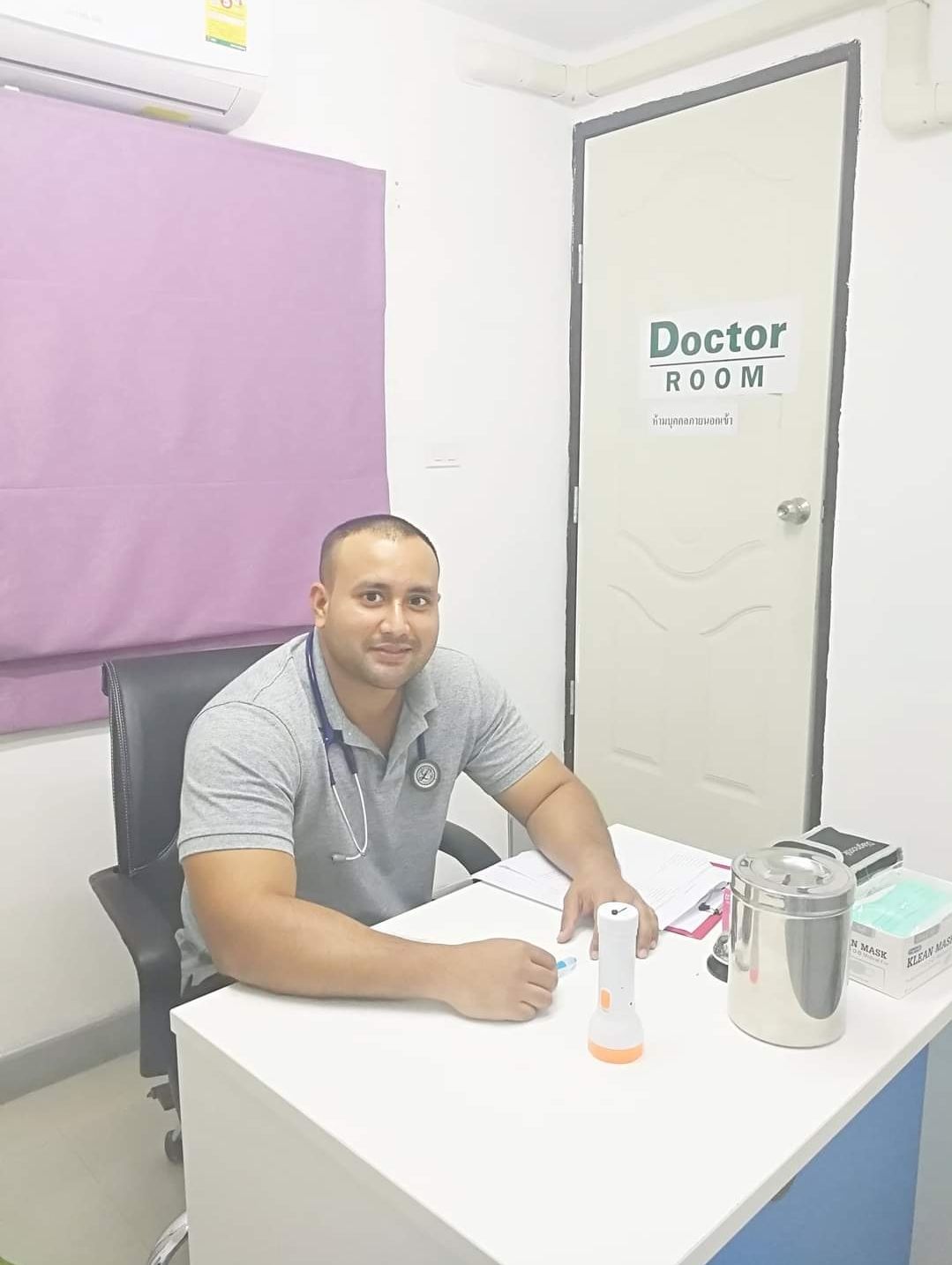
Dr. Ponlawat Pitsuwan is a physician at Doctor Bangkok, a private clinic in central Bangkok. He sees expats, residents, and medical tourists for general medicine, wellness consultations, and IV therapy. His focus is straightforward, evidence-based care delivered in plain language.