

Clinically reviewed by Dr. Ponlawat Pitsuwan, Physician, Doctor Bangkok. Last reviewed: July 2026
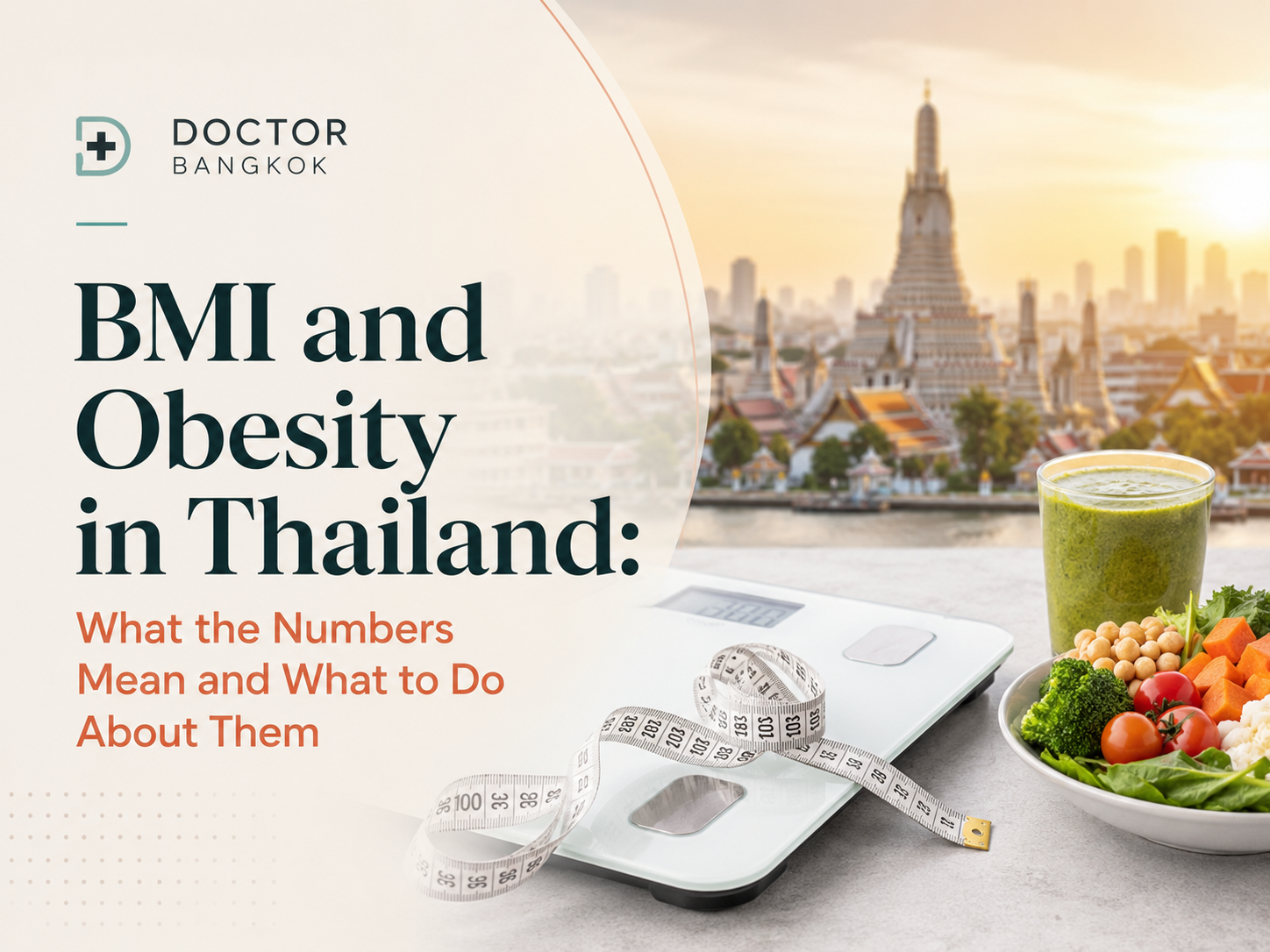
Thailand uses different BMI thresholds than Western countries. Overweight begins at BMI 23 here, not 25. Obesity begins at BMI 25, not 30. If your BMI is 24 and a Thai doctor flagged it, they are not wrong. The scale has shifted, and your metabolic risk is real at lower numbers than you may have been told back home.
A lot of expats come into my clinic confused. They had a health check back home six months ago, everything was fine, BMI was normal. Now a doctor in Bangkok is telling them they are overweight. Nothing dramatic has changed, or so they think. But the numbers mean something different here, and that gap is exactly what I want to close.
This article is for anyone living in Bangkok, visiting long-term, or relocating here. I will cover the thresholds, why they differ, what other numbers matter more than BMI alone, and when you should come in for a proper check.
The Asian BMI Scale — Why Your Home-Country Numbers Do Not Apply Here
Back home, overweight starts at BMI 25 and obesity at BMI 30. Those are the WHO standards most Western countries use. Thailand, along with much of Asia, follows different guidelines from the WHO Western Pacific Regional Office.
Under those guidelines, overweight starts at BMI 23 and obesity starts at BMI 25. A BMI of 24, which would be perfectly normal in the UK, US, or Australia, puts you in the overweight category here. This is not a mistake or an overly cautious doctor. It is a different clinical standard with solid research behind it.
At the same BMI, people of Asian background tend to carry a higher proportion of body fat than people of European background. That extra fat tends to sit around the organs, and that is where the health risk lives. The old Western thresholds did not account for this.
| Category | Standard WHO (Western) | WHO WPRO (Asian/Thai) |
|---|---|---|
| Underweight | Below 18.5 | Below 18.5 |
| Normal weight | 18.5 to 24.9 | 18.5 to 22.9 |
| Overweight | 25.0 to 29.9 | 23.0 to 24.9 |
| Obesity | 30.0 and above | 25.0 and above |
Beyond BMI — Waist Circumference, Visceral Fat, and Why They Matter More in Bangkok
BMI is a useful starting point. But it does not tell you where your fat is sitting, and that is the part that actually matters.
Visceral fat is fat stored deep inside your abdomen, around your organs. It raises your risk of diabetes, heart disease, and fatty liver disease faster than your overall weight suggests. You can have a completely normal BMI and still carry dangerous levels of it.
In Thailand, the waist circumference threshold for abdominal obesity is 90 cm for men and 80 cm for women. These are lower than Western thresholds. If you are above those numbers, your metabolic risk is elevated regardless of what your BMI says. I see this regularly in patients who look lean but whose blood results tell a different story.
Body fat percentage is another measure worth knowing. A person can be a normal weight on the scale but have high body fat and low muscle mass. Your waist-to-height ratio is a simple screen you can do at home: your waist should ideally measure less than half your height.
Why Obesity Is Rising in Bangkok — and Why Expats Are Not Immune
Urban Bangkok food is not the same as traditional Thai cooking. Street food and restaurant meals here tend to be high in refined carbohydrates, sodium, and sugar. A single cup of Thai iced tea or bubble tea can carry as much sugar as a soft drink. Expats often assume they are protected because they are eating local. They are not always right.
The other factor is lifestyle disruption. Most expats exercise less in Bangkok than they did at home. The heat keeps people indoors. Car and BTS commutes replace walking. Long working hours shrink time for physical activity. I have seen this happen to very health-conscious people who were genuinely surprised by their check results.
The Thai Ministry of Public Health has reported that overweight and obesity now affect close to half of Thai adults. That shift has happened fast, driven by urbanisation and changes in diet. Expats are living inside the same environment.
What Health Risks Does Obesity Carry in a Thai Context
The conditions linked to obesity are similar worldwide: type 2 diabetes, hypertension, fatty liver disease, cardiovascular disease, and obstructive sleep apnoea. But these risks appear at lower BMI thresholds in Thai and other Asian populations than Western guidelines have traditionally recognised.
Metabolic syndrome, a cluster of raised blood sugar, high blood pressure, abnormal cholesterol, and abdominal obesity, becomes clinically relevant at lower body weights here. This is why a Thai doctor may want to run blood tests on a patient who looks healthy by Western standards.
The issue is not appearance. It is preventing disease that is largely silent until it becomes serious.
What a BMI and Obesity Assessment Looks Like at a Bangkok Clinic
When a patient comes to Doctor Bangkok for a weight or metabolic assessment, we do not just put them on a scale.
The physical part includes height, weight, BMI, waist circumference, and blood pressure. No single measurement gives the full picture, so we look at all of them together.
Blood work is where we find out what is actually happening inside. A fasting blood glucose shows diabetes risk. A lipid panel measures your cholesterol and blood fats, which tells us about cardiovascular risk. Liver enzymes can screen for fatty liver disease. We run all of this in a single visit, and most results come back the same day or the next morning.
From there, we talk through what the numbers mean and what needs to change. Some patients need lifestyle guidance. Some need a referral. Some just need the reassurance that comes from knowing where they actually stand.
Weight Management Options in Bangkok — From Lifestyle Guidance to Medical Support
Most of what drives weight gain in Bangkok is reversible with the right information. Structured dietary guidance adapted to local food is genuinely useful here because generic Western advice does not account for Thai portion sizes, cooking styles, or the reality of eating out most days.
Exercise in Bangkok is possible even in the heat. Most condos have gyms. Covered malls have walking space. The key is building a routine early, before sedentary habits become fixed.
For patients where lifestyle changes are not enough, medical support is available. GLP-1 receptor agonists are a class of injectable medications that reduce appetite and improve blood sugar control. They have strong evidence behind them for people with obesity-related metabolic risk. They are not appropriate for everyone and work best as part of a broader plan. Medication is not the first step, but it is a legitimate option for the right patient.
When Should You See a Doctor About Your BMI in Bangkok
If your BMI is 23 or above under the Asian scale, a metabolic screening is worth doing. That is not a crisis. It is a reasonable time to know your numbers.
If your waist is above 90 cm as a man or 80 cm as a woman, come in and get a blood test regardless of your BMI. If you have a family history of diabetes, heart disease, or hypertension, lower your threshold for getting checked. These conditions run in families and tend to surface earlier in people living with Bangkok’s dietary and lifestyle patterns.
If you have not had a health check since moving to Thailand and it has been over a year, book one. The biggest mistake I see is people waiting until something feels wrong. Metabolic disease does not feel like anything until it does.
At Doctor Bangkok, you can walk in without an appointment for a consultation and same-day blood tests. We are BTS accessible with English-speaking doctors. A full metabolic assessment, including BMI measurement, waist circumference, blood pressure, fasting glucose, and a lipid panel, is done in a single visit. You leave knowing where you actually stand.
Concerned about your BMI or metabolic health in Bangkok? Doctor Bangkok offers same-day health assessments including BMI, waist circumference, blood pressure, fasting blood glucose, and a full lipid panel. English-speaking doctors, no appointment needed, BTS accessible. Visit doctorbangkok.co.th to find out more or walk in to our central Bangkok clinic.
FAQ
My BMI is 24 — why did a doctor in Thailand say I might be overweight?
Under the Asian BMI guidelines used in Thailand, overweight begins at 23, not 25. A BMI of 24 is normal by Western standards but falls into the overweight category here. Research shows that Asian populations carry higher body fat and metabolic risk at lower BMI levels than Western populations, which is why the threshold differs.
Can I be a healthy weight by BMI but still be at risk for diabetes or heart disease?
Yes. Visceral fat, the fat stored around your organs, accumulates at lower BMI levels in Asian populations. This raises insulin resistance and cardiovascular risk even when your overall BMI looks normal. Waist circumference above 90 cm in men or 80 cm in women indicates elevated risk regardless of what the scale shows.
Where can I get a proper BMI and obesity assessment in Bangkok as an expat?
Look for an English-speaking private clinic that can do both physical measurements and blood work in one visit. A thorough assessment should include BMI, waist circumference, blood pressure, fasting glucose, and a lipid panel. Doctor Bangkok in central Bangkok offers all of this with no appointment needed and results often available the same day.
Why am I gaining weight in Bangkok even though I think I am eating healthily?
Urban Bangkok food is often high in refined carbohydrates, sodium, and sugar, even when it does not feel that way. Sugar-sweetened drinks are a major hidden source of calories. Most expats also exercise less here than they did at home due to heat, long working hours, and changed daily routines. These factors add up quickly in the first year or two after relocating.
What is the difference between overweight and obese under Thai BMI standards?
Under WHO Western Pacific Regional Office guidelines used in Thailand, overweight is a BMI between 23.0 and 24.9, and obesity begins at BMI 25. Under standard Western guidelines, overweight starts at 25 and obesity at 30. The gap is significant and means many people are in a higher risk category here than their assessments back home suggested.
Do I need to fast before a metabolic blood test in Bangkok?
Yes, ideally. Fasting blood glucose and triglyceride readings are most accurate after eight to twelve hours without food, though water is fine. If you are coming in for a metabolic panel at Doctor Bangkok, a morning appointment without breakfast beforehand works well.
Is medication available for weight management in Bangkok private clinics?
Yes. GLP-1 receptor agonists, medications that reduce appetite and support blood sugar control, are available at some private clinics in Bangkok. They are not suitable for everyone and work best alongside lifestyle changes. A doctor consultation is needed to assess whether they are appropriate for your situation.
Dr. Ponlawat Pitsuwan
Physician, Doctor Bangkok
a private medical clinic in central Bangkok. He sees expats, residents, and medical tourists for [general health assessments](https://doctorbangkok.co.th/travel-health-bangkok/), metabolic screening, weight-related consultations, and chronic disease management. His focus is straightforward, evidence-based care delivered in plain language.
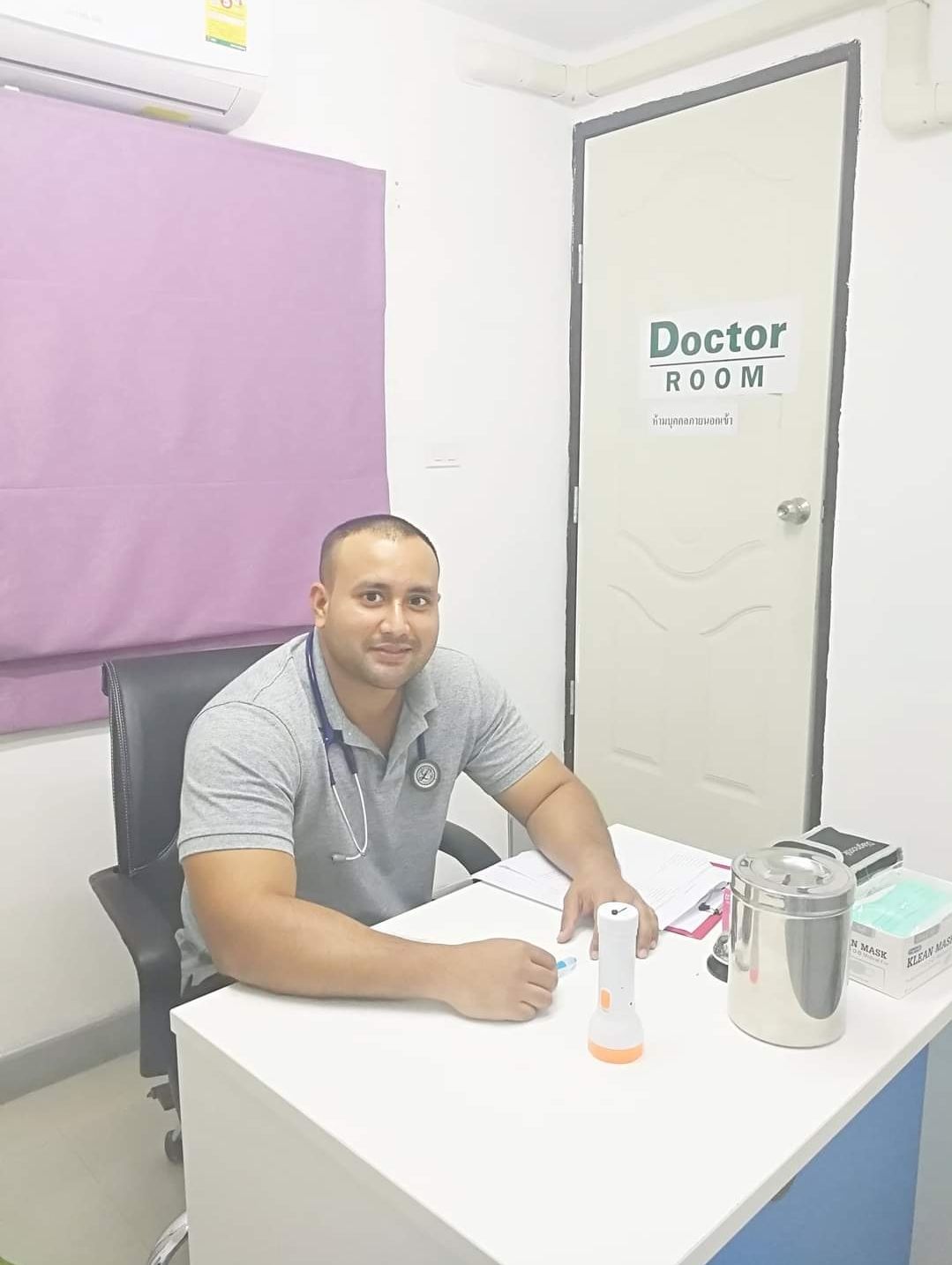
Dr. Ponlawat Pitsuwan is a physician at Doctor Bangkok, a private clinic in central Bangkok. He sees expats, residents, and medical tourists for general medicine, wellness consultations, and IV therapy. His focus is straightforward, evidence-based care delivered in plain language.