

Clinically reviewed by Dr. Ponlawat Pitsuwan, Physician, Doctor Bangkok.
Last reviewed: July 2026
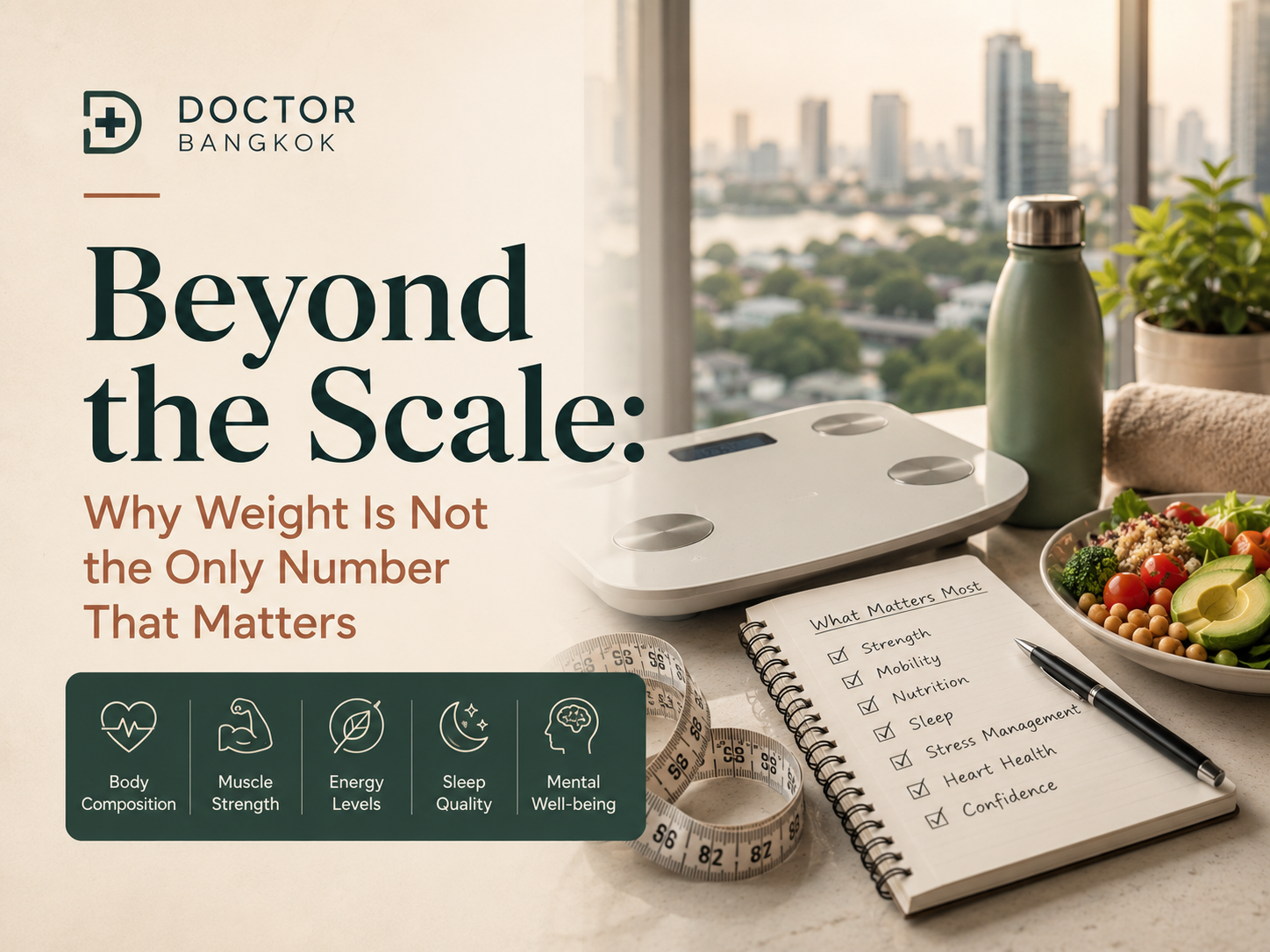
Your weight tells you very little about your actual health. Blood pressure, fasting glucose, waist circumference, and cholesterol are far more useful markers, and all can be checked in a single clinic visit. Many people with a normal body weight carry hidden metabolic risk they have no idea about until they test.
You step on the scale. The number looks fine. Maybe it even looks good. So why do you feel tired, sluggish, or just not quite right? This is one of the most common things I hear from patients in Bangkok, and the answer is almost always the same: weight is not the whole picture.
The number on the scale tells you how heavy you are. That is it. It says nothing about your blood sugar, your blood pressure, how much fat is sitting around your organs, or whether your cholesterol is quietly building up risk. I have seen patients with perfectly normal BMI who had pre-diabetes, high blood pressure, and cholesterol that needed immediate attention. The scale missed all of it.

What the Scale Actually Measures — and What It Misses
Your body weight is the sum of everything: muscle, bone, fat, water, organs. All of it combined into one number. The problem is that number treats a kilogram of fat exactly the same as a kilogram of muscle, even though they behave very differently.
BMI, which is your weight divided by your height squared, was designed as a population tool, not a personal health assessment. It can be a useful rough screen. But it cannot tell the difference between someone who is muscular and someone who carries excess fat. It cannot tell you where that fat sits, and it completely ignores what is happening inside your blood.
Bone density, muscle mass, water retention, fat distribution: none of these show up on a standard scale. Two people can weigh exactly the same and have completely different health profiles. This is why I never rely on weight alone when a patient comes in for a health review.
The Numbers That Actually Tell the Story
These are the markers I look at when I want to understand someone’s real health picture.
Blood Pressure
Normal is below 120 over 80. Most people have no symptoms when it is elevated, which is why it gets missed for years. High blood pressure is one of the leading drivers of stroke and heart disease. You can be slim and have dangerously high readings. You can be overweight and have normal ones. You have to measure it to know.
Fasting Blood Glucose and HbA1c
A fasting glucose below 5.6 mmol/L is the target. A single reading can vary based on sleep and stress, so HbA1c, your average blood sugar over roughly three months, gives a more reliable picture. Pre-diabetes often develops silently, with no symptoms and a perfectly normal weight.
Cholesterol and Lipid Profile
Your LDL, HDL, and triglycerides each tell a different part of the story. High LDL with low HDL is a concerning combination regardless of what the scale says. Triglycerides tend to rise with diets high in refined carbohydrates and sugar, which is directly relevant to how most people eat in Bangkok.
Waist Circumference
This matters more than most people realise. In Southeast Asia, clinical guidelines use lower thresholds than Western reference ranges: under 90 cm for men, under 80 cm for women. Fat stored around the abdomen wraps around internal organs and drives inflammation, insulin resistance, and cardiovascular risk. A person can look lean and still carry too much of it.
Body Fat Percentage
This is what most people actually want to know, and it is the one number a standard scale cannot give you. A person with a normal BMI but high body fat percentage, sometimes called skinny fat, carries real cardiometabolic risk. Direct measurement is the only way to find out.
Resting Heart Rate
A consistently high resting heart rate can signal poor cardiovascular fitness, chronic stress, or a thyroid problem. It costs nothing to check and is often overlooked entirely.

The Hidden Risk — Normal Weight, Abnormal Results
This is the scenario that surprises patients most. You look healthy. Your weight is normal. Your doctor has never flagged anything on a basic check. But you feel off, and you are right to trust that feeling.
There is a recognised pattern called metabolically unhealthy normal weight. These are people who sit within a normal BMI range but have elevated blood sugar, high blood pressure, poor cholesterol profiles, or high visceral fat. This group carries meaningful cardiovascular and metabolic risk that gets completely missed when weight is the only number anyone checks.
I see it regularly, particularly among patients who have spent years in Bangkok eating out every day, drinking socially, and spending most of their time in air-conditioned offices. The scale never moved. The results told a different story.
Why Bangkok Changes the Equation
Bangkok creates a specific set of conditions that affect your metabolic health in ways most people do not account for.
The local diet is built around white rice, noodles, and sauces high in sodium and sugar. Street food is cheap, convenient, and genuinely delicious, but most of it is high-glycaemic. Sugary drinks are everywhere, and even fruit juices here tend to be sweetened. Over months and years, this pattern quietly pushes blood sugar and triglycerides up while the scale stays the same.
Heat adds another layer. In high temperatures, your cardiovascular system works harder just to keep you cool. Alcohol, which many expats consume more of here than they would at home, raises blood pressure, disrupts blood sugar regulation, and affects liver enzymes. None of this shows up on a scale.
Chronic sitting deserves a mention too. Long desk hours, taxis everywhere, and limited outdoor time affect insulin sensitivity even in people who are not overweight. You can be thin, sedentary, and metabolically at risk all at once.
What a Complete Health Picture Looks Like at a Bangkok Clinic
Getting a proper picture of your metabolic health does not require a full day or a complicated procedure. At Doctor Bangkok, a single consultation can cover blood pressure, fasting glucose, a full lipid panel, waist measurement, and a clinical conversation about your lifestyle and risk factors.
Blood is drawn on site and results come back quickly. The clinic is English-speaking, BTS accessible, and set up for expats and medical tourists who want clear answers without navigating a large hospital system.
What I recommend to most patients is to treat this as a baseline, not a one-off. Once you know your numbers, you have something real to work with. You can track change over time, respond to early warning signs, and make informed decisions rather than guessing from how you look or feel.
A preventive health consultation at Doctor Bangkok covers the markers that actually matter and gives you a plan based on your results, not your weight.
Small Shifts, Measurable Change
Once you have your numbers, you have a starting point. Here is how I frame it for patients.
Blood sugar responds quickly to cutting sugary drinks and reducing white rice portions. Most restaurants in Bangkok will substitute extra vegetables without issue, and most coffee shops will make drinks without syrup if you ask. Within weeks, fasting glucose can shift meaningfully.
Blood pressure responds to sodium reduction, more water, and consistent movement. A 20-minute walk before the heat builds is enough to make a difference over time. Early morning in Bangkok is manageable. Midday is not.
Waist circumference tends to follow when blood sugar and activity improve together. It is a slower marker, but watching it shrink is more motivating for most patients than watching a number that moves unpredictably. The most important shift is this: stop measuring success by weight alone. Measure it by numbers that actually predict your health.
If you are ready to get your actual numbers, our travel health services are a practical place to start.
Feeling off despite a normal weight? Or just overdue for a proper health review in Bangkok? At Doctor Bangkok, a full metabolic assessment covers blood pressure, fasting glucose, cholesterol, and waist measurement in a single English-speaking clinic visit. Walk-in or appointment. BTS accessible. Book a preventive health consultation today.
Frequently Asked Questions
If my weight is normal, do I still need a health check?
Yes, and this is exactly the point. Normal BMI can coexist with elevated blood pressure, high blood sugar, poor cholesterol, and excess visceral fat. None of these conditions cause obvious symptoms early on, and none of them show up on a scale. If you have not had a full biomarker check in the past year, book one regardless of what you weigh.
What health numbers should I actually be tracking?
The most clinically meaningful ones are blood pressure, fasting glucose, HbA1c, LDL and HDL cholesterol, triglycerides, waist circumference, and body fat percentage. Resting heart rate is a useful addition. Most of these can be checked in a single clinic visit with one blood draw and a few simple measurements.
Does living in Bangkok affect my metabolic health differently?
It does. The local diet is high in refined carbohydrates and sodium, the heat puts extra strain on the cardiovascular system, and many expats drink more alcohol here than they would at home. These factors can raise blood pressure, blood sugar, and inflammatory markers even when weight stays stable. Bangkok-specific habits deserve Bangkok-specific attention.
What is the difference between BMI and body fat percentage?
BMI is calculated from height and weight, so it cannot distinguish between muscle, fat, bone, or water. Body fat percentage directly measures how much of your body is fat. Someone can have a normal BMI but a high body fat percentage, which carries real metabolic risk. Body fat percentage is the more clinically useful number and can be measured at a clinic.
Can a doctor in Bangkok check all of these markers in one visit?
Yes. At Doctor Bangkok, a single consultation covers blood pressure, fasting glucose, a full lipid panel, waist measurement, and a clinical discussion about your lifestyle. The clinic is English-speaking, results come back quickly, and walk-in consultations are available. It is a straightforward way to get your actual numbers rather than guessing from the scale.
What waist circumference thresholds apply in Southeast Asia?
Clinical guidelines for Southeast Asian populations use lower thresholds than Western reference ranges: under 90 cm for men and under 80 cm for women. People of Asian descent tend to carry visceral fat at lower overall body weights, so if your doctor is applying Western cut-offs, your risk may be underestimated.
Dr. Ponlawat Pitsuwan
Physician, Doctor Bangkok
a private medical clinic in central Bangkok. He sees expats, residents, and medical tourists for metabolic health assessments, preventive care, and general medical consultations. His focus is straightforward, evidence-based care delivered in plain language.
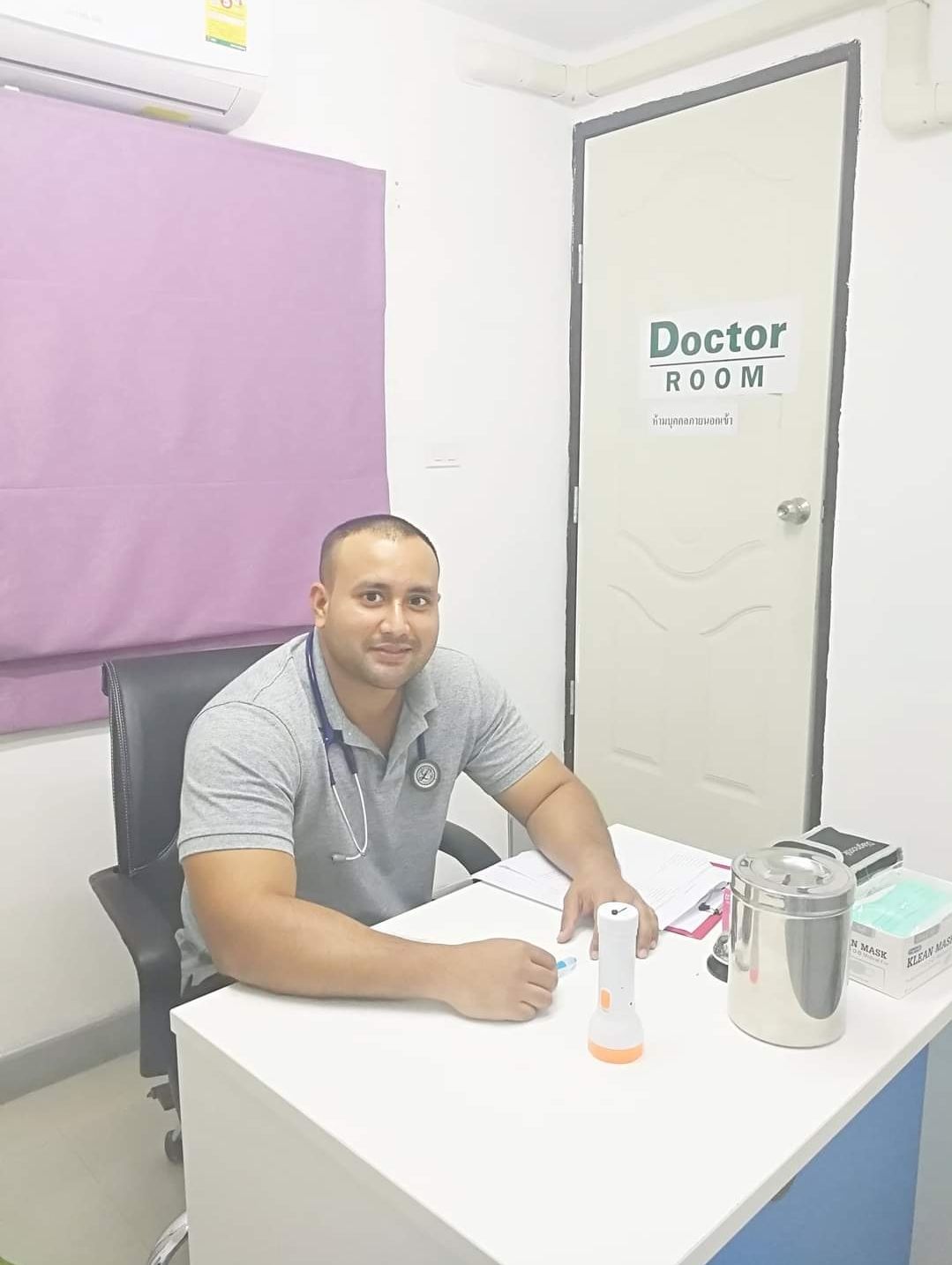
Dr. Ponlawat Pitsuwan is a physician at Doctor Bangkok, a private clinic in central Bangkok. He sees expats, residents, and medical tourists for general medicine, wellness consultations, and IV therapy. His focus is straightforward, evidence-based care delivered in plain language.