

Clinically reviewed by Dr. Ponlawat Pitsuwan, Physician, Doctor Bangkok. Last reviewed: July 2026
Most GLP-1 side effects are digestive, such as nausea, reduced appetite, constipation or diarrhoea, and they usually ease as your body adjusts. Slow dose titration, smaller meals and good hydration help. Severe abdominal pain, persistent vomiting or allergic reactions are red flags needing urgent care.
Side effects are the number one reason people stop weight-loss injections early, and often unnecessarily. Many of the most common effects are manageable and temporary if you know what to expect and how to respond. This guide sets out what is normal, what helps, and what genuinely needs medical attention.
As a physician who supervises these treatments in Bangkok, I would rather you contact us early about a side effect than quietly abandon a medicine that is working for you. Most problems have a straightforward solution.
The common side effects
The great majority of side effects from semaglutide and tirzepatide are digestive. Nausea is the most talked about, along with reduced appetite (which is partly the point), constipation, diarrhoea, bloating and occasionally reflux. These are usually most noticeable in the first weeks and after each dose increase, then settle.
Why side effects happen and why titration helps
Because these medicines slow stomach emptying and act on appetite, digestive symptoms are an expected part of how they work. This is exactly why doses are started low and increased gradually. Rushing the dose up is the most common cause of avoidable nausea. Your doctor will advise a titration pace that suits you.
Practical ways to manage the common effects
Nausea
Eat smaller meals, stop when comfortably full rather than stuffed, avoid very fatty or fried food, and eat slowly. Many patients find bland foods easier in the first days after a dose.
Constipation
Increase fibre and fluids and stay active. In Bangkok’s heat it is easy to become dehydrated, which makes constipation worse, so keep water intake up.
Diarrhoea and hydration
Keep well hydrated, as fluid loss adds up quickly in a hot climate. If it is persistent, let us know rather than pushing through.
Red flags: when to seek urgent care
Some symptoms are not part of normal adjustment and need same-day assessment. Seek prompt medical care for severe or persistent abdominal pain, especially pain that radiates to your back (a possible sign of pancreatitis), relentless vomiting, signs of dehydration, an allergic reaction such as swelling or difficulty breathing, or symptoms of very low blood sugar such as confusion, sweating and shakiness if you also take diabetes medication. Because we are open 24/7 in central Bangkok, do not wait, come in.
The value of supervision
This is the core argument for starting through a doctor rather than an unchecked source. A supervised programme adjusts your dose when side effects bite, spots the difference between normal adjustment and a red flag, and keeps you safe. Eligibility screening beforehand, covered in our eligibility guide, also reduces the chance of serious problems.
Struggling with side effects or thinking of starting? We manage these day to day. Read our overview of weight-loss injections in Bangkok or contact the clinic.
Frequently asked questions
How long do side effects last?
For most people the digestive effects are worst in the first weeks and after dose increases, then ease. If they persist or worsen, speak to us.
Can the dose be slowed if I feel unwell?
Yes. Adjusting the titration pace is one of the main tools we use. Your doctor will advise, rather than you changing it alone.
Is nausea a sign something is wrong?
Usually not; mild to moderate nausea is expected. Severe abdominal pain or persistent vomiting is different and needs urgent review.
Do Ozempic and Mounjaro have different side effects?
Their side-effect profiles are broadly similar, mostly digestive. Individual tolerance can differ between the two.
Should I stop the medicine if I feel sick?
Do not simply stop or change the dose on your own. Contact us so we can advise the safest course for your situation.
Dr. Ponlawat Pitsuwan
Physician, Doctor Bangkok
Dr. Ponlawat is a physician at Doctor Bangkok, a private medical clinic in central Bangkok. He manages GLP-1 side effects and titration for patients on weight-management treatment.
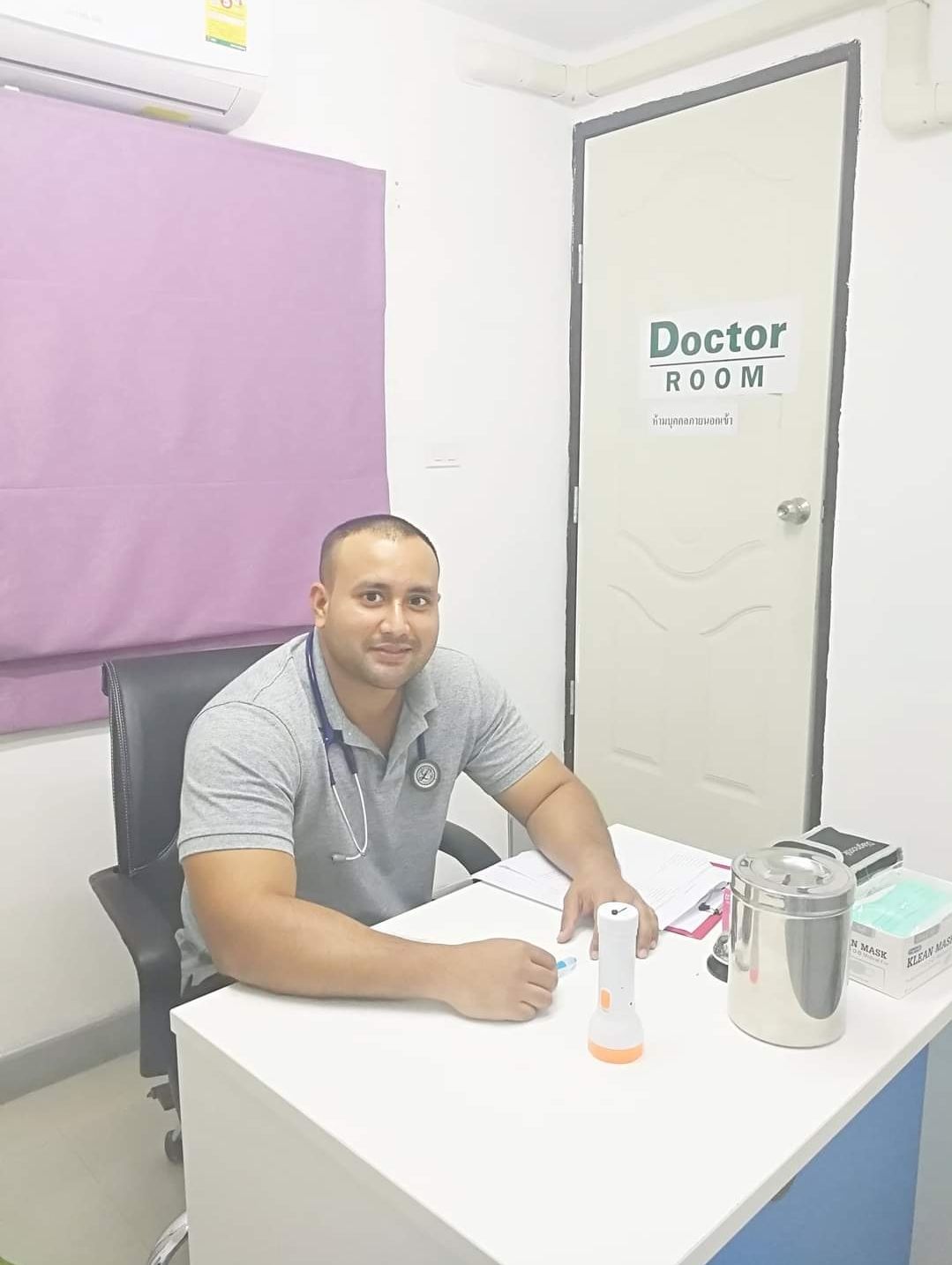
Dr. Ponlawat Pitsuwan is a physician at Doctor Bangkok, a private clinic in central Bangkok. He sees expats, residents, and medical tourists for general medicine, wellness consultations, and IV therapy. His focus is straightforward, evidence-based care delivered in plain language.