
Clinically reviewed by Dr. Ponlawat Pitsuwan, Physician, Doctor Bangkok. Last reviewed: July 2026
Yes, you can catch STDs from oral sex. Infections such as gonorrhea, syphilis, herpes, chlamydia, and HPV can all be passed to or from the mouth and throat. Many cause no symptoms, so testing the right sites and using protection both matter.
One of the most common misconceptions I meet in my Bangkok clinic is that oral sex is completely safe from a sexual-health point of view. It is often assumed to be a risk-free alternative to intercourse. In reality, oral sex can transmit a number of sexually transmitted infections, and because throat infections rarely cause obvious symptoms, they frequently go unnoticed.
This guide walks through which STDs can be passed on through oral sex, how likely each is, what symptoms to look out for, and the practical steps you can take to lower your risk. The aim is honest, non-judgemental information so you can make informed choices.
How oral sex transmits infections
Oral sex involves contact between the mouth and the genitals or anus. Infections can pass in either direction: from the genitals to the mouth and throat, or from an infected mouth to a partner’s genitals. Transmission happens through infected fluids or through direct skin-to-skin contact, depending on the organism. Small cuts or sores in the mouth, or recent dental work, can make it easier for some infections to take hold.
Which STDs can you get from oral sex?
Several infections can be transmitted this way, though the level of risk varies.
Gonorrhea and chlamydia
Both can infect the throat. Throat gonorrhea and chlamydia usually cause no symptoms and can be missed unless a throat swab is taken. You can read more in our detailed guide on gonorrhea symptoms and treatment.
Herpes
Oral herpes (cold sores) can be passed to a partner’s genitals during oral sex, and genital herpes can be passed to the mouth. This is a very common route of transmission, as explained in our herpes symptoms guide.
Syphilis and HPV
Syphilis can be transmitted through contact with a sore in or around the mouth or genitals. HPV can also be passed to the mouth and throat, and certain high-risk types are linked to throat cancers over the long term.
HIV and hepatitis
The risk of HIV from oral sex is considered low compared with other activities, but it is not zero, especially if there are sores or bleeding gums. Hepatitis B can also be transmitted. If HIV is a concern, our page on HIV testing in Bangkok explains your options, and PrEP and PEP may be relevant for some people.
Symptoms to watch for
Because throat infections are so often silent, symptoms are an unreliable guide. When they do occur, they can include a persistent sore throat, redness, or discomfort when swallowing. Sores, ulcers, or blisters in or around the mouth can also be a sign. The key point is that the absence of symptoms does not mean the absence of infection, which is exactly why testing matters after a possible exposure.
How to reduce your risk
You can lower the risk of oral STDs in several practical ways. Barrier protection such as condoms and dental dams reduces contact with infected fluids and skin. Avoiding oral sex when you or a partner has visible sores, ulcers, or an active outbreak is sensible. Regular sexual-health testing, the HPV vaccine, and hepatitis B vaccination all add further protection. Good oral and dental health also helps, since cuts and bleeding gums can raise the risk of transmission.
When to get tested
Consider getting tested if you have had oral sex with a new or casual partner, if a partner has told you they have an STD, or if you notice a persistent sore throat, mouth ulcer, or any genital symptom. Crucially, tell your doctor about the types of sex you have had, including oral, so that the right sites, such as the throat, can be swabbed rather than relying on a urine test alone. A full STD test panel can be tailored to your situation. If you are unsure what you need, feel free to contact the clinic.
Had oral sex and want peace of mind? Our walk-in clinic in Sukhumvit offers confidential, non-judgemental testing that covers the throat and other sites for expats and travellers. Visit our STD testing hub to learn more.
Frequently asked questions
Is oral sex safer than vaginal or anal sex?
For some infections, such as HIV, the risk from oral sex is generally lower. But oral sex is not risk-free, and infections like gonorrhea, herpes, syphilis, and HPV can all be transmitted this way. It is safer for certain risks, not all.
Can I have a throat STD without knowing?
Yes. Throat gonorrhea and chlamydia usually cause no symptoms at all. The only reliable way to find them is a throat swab, which is why it is important to mention oral sex to your doctor.
Does a standard STD test check my throat?
Not automatically. A basic urine test will not detect a throat infection. Throat swabs are added when you tell your doctor you have had oral sex, so being open about this ensures the right sites are tested.
Do dental dams and condoms really help?
Yes. Barriers reduce contact with infected fluids and skin and meaningfully lower the risk, though no method is completely foolproof. Combining barriers with regular testing is the most effective approach.
I have a sore throat after oral sex. Should I worry?
A sore throat is usually just a common cold, but if it persists or follows a new partner, it is worth getting checked so an infection can be ruled out. We can arrange the appropriate swabs.
Dr. Ponlawat Pitsuwan
Physician, Doctor Bangkok
Dr. Ponlawat practises at Doctor Bangkok, a private medical clinic in central Bangkok. He routinely arranges site-specific STD testing, including throat swabs, for the international community, and encourages open, judgement-free conversations so nothing important is missed.
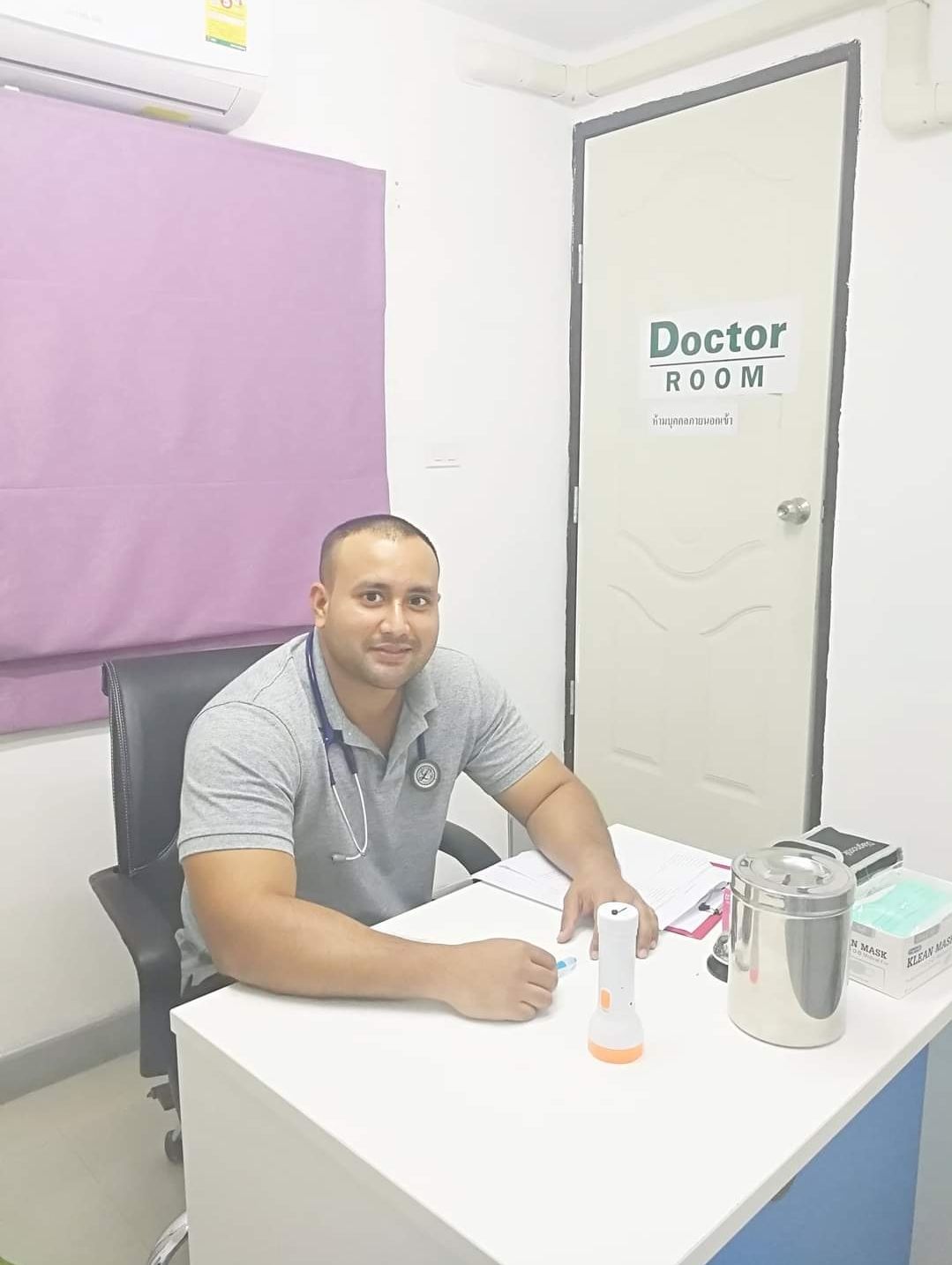
Dr. Ponlawat Pitsuwan is a physician at Doctor Bangkok, a private clinic in central Bangkok. He sees expats, residents, and medical tourists for general medicine, wellness consultations, and IV therapy. His focus is straightforward, evidence-based care delivered in plain language.