
Clinically reviewed by Dr. Ponlawat Pitsuwan, Physician, Doctor Bangkok. Last reviewed: July 2026
Herpes is a very common viral infection that causes painful blisters or sores, either around the mouth (oral herpes) or the genitals (genital herpes). Many people have no symptoms at all. There is no cure, but outbreaks can be managed effectively with medication prescribed at consultation.
Of all the sexual-health topics I discuss with patients in Bangkok, herpes is the one that causes the most worry and the most confusion. Part of that is stigma, and part is misinformation. The reality is far more reassuring than most people fear: herpes is extremely common, usually mild, and very manageable.
This guide explains what herpes actually is, how oral and genital herpes differ, what an outbreak looks like, and how we can help. My aim is to replace anxiety with clear, practical information so you know what to expect and when to seek care.
What is herpes?
Herpes is caused by the herpes simplex virus (HSV). There are two types. HSV-1 traditionally causes cold sores around the mouth, while HSV-2 more often causes genital herpes. However, either type can affect either location, largely because oral sex can transfer HSV-1 to the genitals.
Once you have the virus it stays in the body permanently, resting quietly in the nerves and occasionally reactivating to cause an outbreak. A great many people carry HSV without ever knowing, because they have few or no symptoms.
Symptoms of an outbreak
When symptoms do occur, the first outbreak is often the most noticeable and can include feeling generally unwell.
Blisters and sores
Small fluid-filled blisters appear, then break to leave painful sores that gradually crust over and heal. On the genitals these may be on or around the penis, vulva, anus, or nearby skin. Around the mouth they appear as cold sores on or near the lips.
Tingling, itching, and other signs
Many people notice tingling, itching, or burning in the area before blisters appear. A first genital outbreak may also bring flu-like symptoms such as fever, aches, and swollen glands, and pain when urinating if sores are near the urethra.
Recurrent outbreaks
Later outbreaks are usually shorter and milder than the first. They can be triggered by stress, illness, or being run down, and become less frequent over time for many people.
How herpes spreads
Herpes spreads through skin-to-skin contact, including vaginal, anal, and oral sex, and through kissing in the case of oral herpes. It is most contagious when sores are present, but it can also be passed on when there are no visible symptoms, which is one reason it is so widespread. Condoms reduce the risk but do not eliminate it entirely, because they may not cover all affected skin. You can read more about oral transmission in our guide on STDs from oral sex.
Testing and treatment
If you have an active sore, the most reliable test is a swab taken from it. Blood tests for herpes antibodies exist but have limitations and are not routinely recommended for everyone, so we discuss whether testing is appropriate for your situation as part of a wider sexual-health review.
There is no cure that removes the virus, but antiviral medication works well to shorten outbreaks, ease discomfort, and reduce how often they happen. The specific medicine and dose are decided at consultation. For people with frequent or severe recurrences, a longer daily course can be considered, which also lowers the chance of passing herpes to a partner.
When to see a doctor
See a doctor if you develop painful genital or oral blisters or sores for the first time, if an outbreak is severe or not healing, or if you have frequent recurrences that affect your quality of life. It is also worth seeking advice if you are pregnant and have herpes, or think you may have been exposed, since there are extra precautions to consider. Getting a clear diagnosis is genuinely reassuring, and we approach these conversations without judgement. You are welcome to contact the clinic to arrange a discreet consultation.
Think you may have herpes? Our walk-in clinic in Sukhumvit offers confidential, non-judgemental assessment and treatment for expats and travellers. Learn more on our STD testing hub.
Frequently asked questions
Is there a cure for herpes?
No, there is currently no cure that removes the virus from the body. However, antiviral medication is very effective at controlling outbreaks and reducing symptoms, so most people manage herpes without much disruption.
Can I pass herpes to a partner when I have no symptoms?
Yes, transmission can happen even without visible sores, though the risk is lower. Antiviral medication and condoms reduce this risk, and we can discuss strategies that suit your relationship.
Is a cold sore the same as genital herpes?
They are caused by the same family of viruses. Cold sores are usually HSV-1 around the mouth, but HSV-1 can also cause genital herpes through oral sex, so the distinction is about location rather than a completely different infection.
How soon do symptoms appear after exposure?
A first outbreak often appears within a few days to a couple of weeks of exposure, but some people do not have their first noticeable outbreak until much later, or ever. Timing varies a lot from person to person.
Does having herpes affect pregnancy?
It can, particularly if a first outbreak occurs late in pregnancy, so it is important to tell your doctor. With the right precautions and care, the risk to the baby can be managed effectively.
Dr. Ponlawat Pitsuwan
Physician, Doctor Bangkok
Dr. Ponlawat practises at Doctor Bangkok, a private medical clinic in central Bangkok. He supports many patients living with herpes and is committed to replacing stigma with facts, helping people manage the condition calmly and confidently.
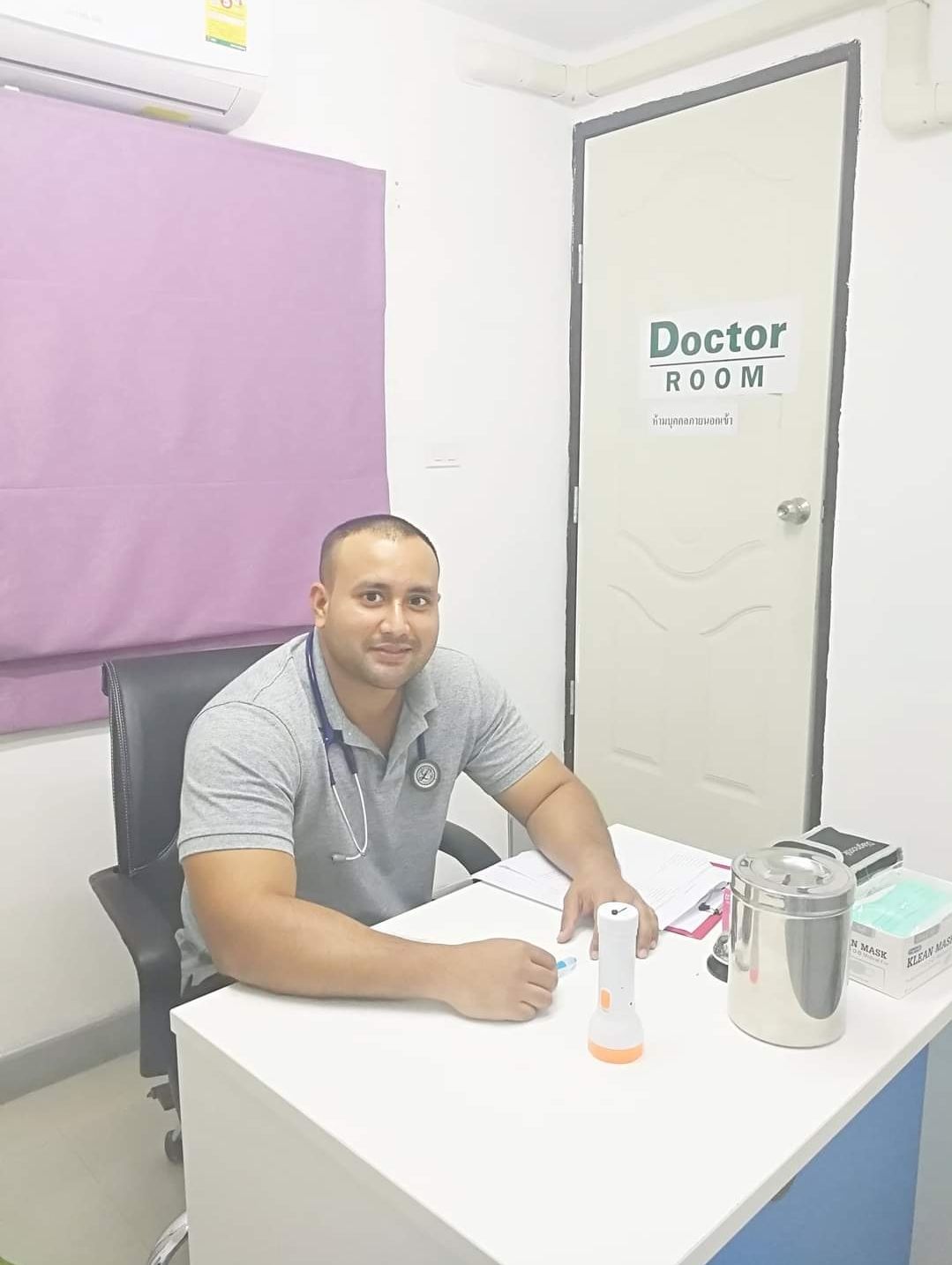
Dr. Ponlawat Pitsuwan is a physician at Doctor Bangkok, a private clinic in central Bangkok. He sees expats, residents, and medical tourists for general medicine, wellness consultations, and IV therapy. His focus is straightforward, evidence-based care delivered in plain language.