

Clinically reviewed by Dr. Ponlawat Pitsuwan, Physician, Doctor Bangkok. Last reviewed: July 2026
Gonorrhea is a common bacterial STD that often causes no symptoms at all, especially in women. When symptoms do appear they can include discharge, burning when you urinate, or pelvic pain. It is diagnosed with a simple test and cured with antibiotics prescribed at consultation.
As a physician working in central Bangkok, gonorrhea is one of the sexually transmitted infections I see and test for most often. It is easy to catch, easy to pass on without knowing, and reassuringly straightforward to cure once it is identified. The problem is that many people never notice it, which is exactly why it keeps spreading.
This guide explains what gonorrhea does in the body, how symptoms differ between men and women, and what testing and treatment involve. If you have had a possible exposure or any symptoms below, please read on and consider getting checked. Everything discussed at our clinic is confidential and handled without judgement.
What is gonorrhea?
Gonorrhea is an infection caused by the bacterium Neisseria gonorrhoeae. It is passed on through vaginal, anal, and oral sex, and can infect the genitals, rectum, and throat. It can also be passed from a mother to her baby during birth. Because it thrives on warm, moist surfaces of the body, any unprotected sexual contact can transmit it.
It is one of the most common STDs worldwide, and rates are high among sexually active adults of all backgrounds. You do not need to have many partners to catch it. A single unprotected encounter is enough.
Gonorrhea symptoms in men
When men do develop symptoms, they usually appear within one to two weeks of exposure. Common signs include:
Discharge from the penis
A white, yellow, or greenish discharge from the tip of the penis is one of the more recognisable signs. It may be light or heavy.
Burning or pain when urinating
Many men describe a burning sensation when passing urine, sometimes with a feeling of needing to go more often.
Testicular pain or swelling
Less commonly, one testicle may become painful or swollen. This can signal that the infection has spread and needs prompt treatment.
Gonorrhea symptoms in women
Gonorrhea is often silent in women. When symptoms do occur, they are frequently mild and mistaken for a bladder infection or ordinary vaginal irritation. Possible signs include:
Unusual vaginal discharge
A change in the colour, amount, or smell of vaginal discharge can be a clue, though it is easy to overlook.
Pain when urinating or during sex
Burning on urination and discomfort during sex are common but non-specific, which is why testing matters.
Bleeding between periods or pelvic pain
Spotting between periods or lower abdominal pain can occur if the infection travels upward. Untreated gonorrhea in women can lead to pelvic inflammatory disease and affect future fertility.
Throat and rectal infections
Gonorrhea in the throat, from oral sex, usually causes no symptoms, though occasionally it produces a sore throat. Rectal infection may cause discomfort, discharge, or itching, but often none at all. Because these sites are easy to miss, tell your doctor about all the types of sex you have had so the right areas can be tested. You can read more in our guide on STDs from oral sex.
How gonorrhea is tested and treated
Testing is quick and painless. Depending on your situation it may involve a urine sample or a swab of the genitals, throat, or rectum. Results are usually available within a few days. Because gonorrhea and chlamydia often occur together, we frequently test for both at the same time as part of a wider STD test panel.
Gonorrhea is treated with antibiotics, and the specific medication and dose are chosen at consultation based on current guidance and any allergies. It is important to complete the full course, avoid sex until treatment is finished, and have your recent partners tested and treated so you are not reinfected. Because some strains have become resistant to older antibiotics, a follow-up check is sometimes recommended to confirm the infection has cleared.
When to see a doctor or get tested
See a doctor promptly if you have any discharge, burning on urination, pelvic or testicular pain, or bleeding between periods. Just as importantly, get tested even without symptoms if you have had unprotected sex with a new partner, a partner has told you they have an STD, or you are due for a routine sexual-health check. Because gonorrhea is so often silent, testing is the only reliable way to know your status. If you are also concerned about HIV, our page on HIV testing in Bangkok explains your options.
Worried about gonorrhea or another STD? Our walk-in clinic in Sukhumvit offers confidential, non-judgemental testing and same-day treatment for expats and travellers. Learn more on our STD testing hub or contact us to arrange a visit.
Frequently asked questions
How soon after exposure should I get tested for gonorrhea?
Testing is generally reliable a few days to about a week after exposure. If you test very early and there is ongoing concern, your doctor may suggest repeating the test. We can advise on timing at consultation.
Can gonorrhea go away on its own?
No. Gonorrhea does not clear without antibiotics. Left untreated it can cause serious complications, including infertility, so it always needs proper treatment.
Is gonorrhea curable?
Yes. Gonorrhea is curable with the right antibiotics. Because resistant strains exist, it is important to take the exact treatment prescribed and to attend any recommended follow-up.
Do I need to tell my partner?
Yes. Recent sexual partners should be tested and treated even if they feel well, otherwise you can be reinfected. We can discuss how to approach this sensitively.
Can I catch gonorrhea from oral sex?
Yes. Gonorrhea can infect the throat through oral sex and often causes no symptoms. This is why we ask about all types of sexual contact when deciding which sites to test.
Dr. Ponlawat Pitsuwan
Physician, Doctor Bangkok
Dr. Ponlawat practises at Doctor Bangkok, a private medical clinic in central Bangkok. He regularly cares for expats and travellers needing confidential STD testing and treatment, and believes clear, judgement-free information helps people get checked sooner.
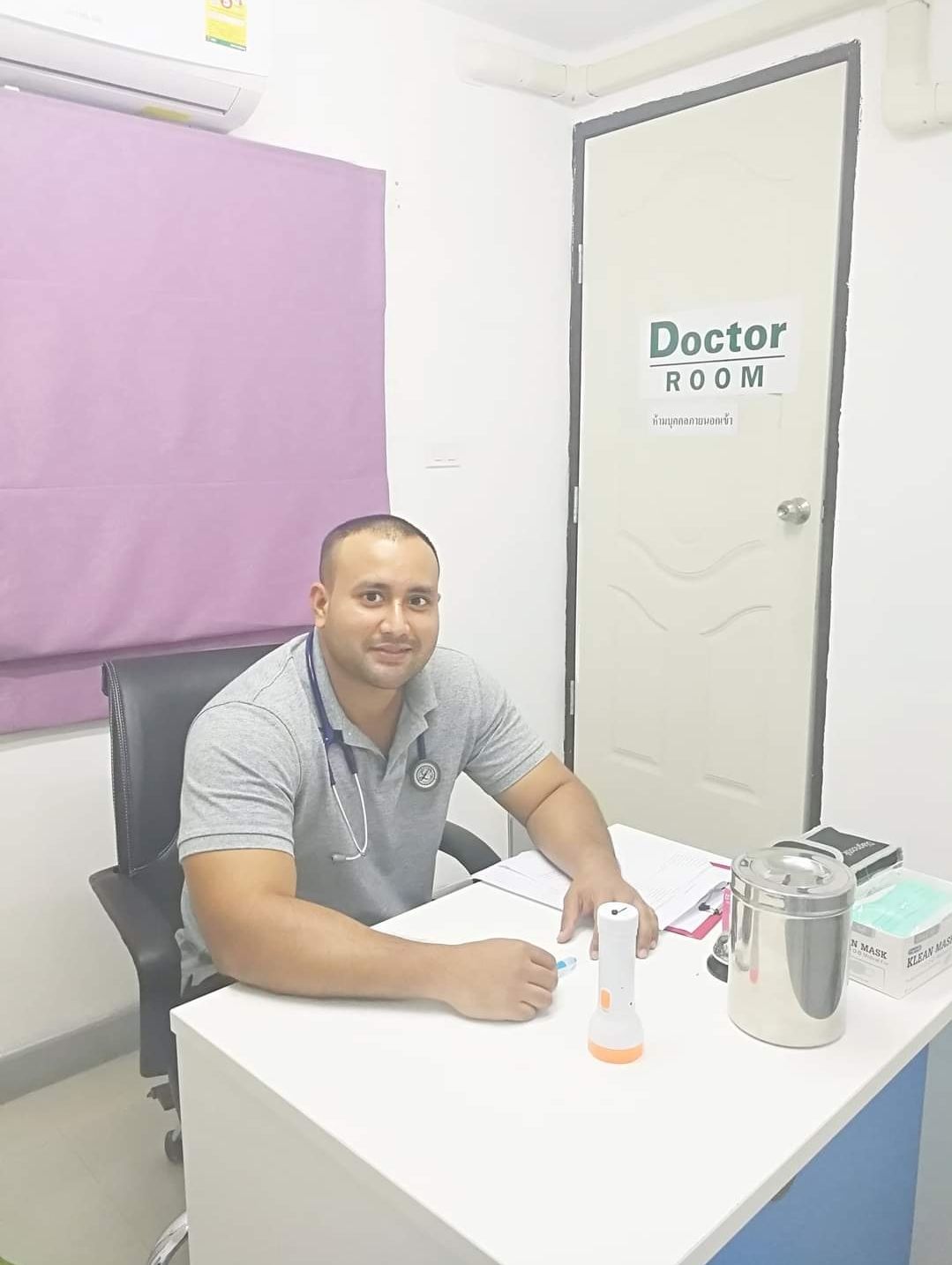
Dr. Ponlawat Pitsuwan is a physician at Doctor Bangkok, a private clinic in central Bangkok. He sees expats, residents, and medical tourists for general medicine, wellness consultations, and IV therapy. His focus is straightforward, evidence-based care delivered in plain language.