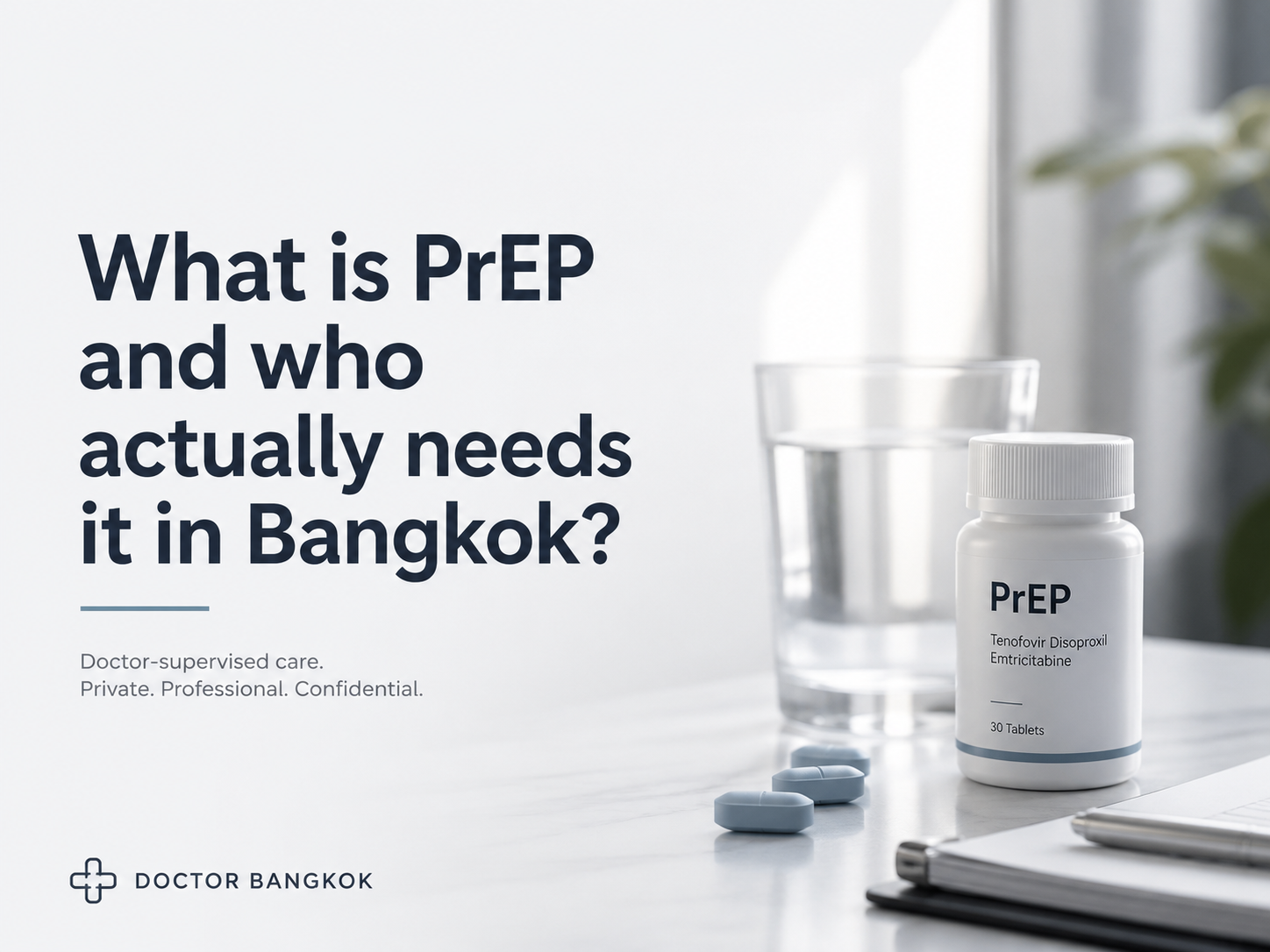

Clinically reviewed by Dr. Ponlawat Pitsuwan, Physician, Doctor Bangkok. Last reviewed: July 2026
PEP is a 28-day course of anti-HIV medication that can prevent infection after a possible exposure, but only if it is started within 72 hours. The sooner it begins the better it works. If you may have been exposed recently, treat it as an emergency and contact a doctor today.
If you are reading this because something happened last night or over the weekend, the most important message is this: PEP is time-critical, so do not spend days deciding. In my Sukhumvit clinic I regularly see expats and travellers who have had a condom break or a condomless encounter and are frightened. PEP exists for exactly these moments, and acting quickly is what makes it work.
This guide explains what PEP is, how the 72-hour window works, and the practical steps to get it started fast here in Bangkok. It is a partner to our main PrEP and PEP in Bangkok page, which covers prevention more broadly.
What is PEP?
PEP stands for post-exposure prophylaxis. It is a course of the same antiretroviral medicines used to treat HIV, taken for around 28 days after a possible exposure to stop the virus from establishing a lasting infection. Think of it as an emergency intervention that gives your body a chance to clear the virus before it takes hold.
PEP is not a morning-after pill you take once, and it is not a substitute for ongoing prevention. It is a specific, medically supervised course for a specific emergency.
The 72-hour window: why timing is everything
PEP only works if it is started within 72 hours of the exposure, and ideally much sooner. In the hours and days after a possible exposure, the virus has not yet spread throughout the body, and PEP aims to block it during this narrow window. Once that window closes, PEP is no longer effective, which is why we treat it as a genuine emergency.
Sooner is better
Starting PEP within a few hours is better than waiting until day two, and day two is better than day three. If you are anywhere inside the 72 hours, do not talk yourself out of coming in. It is far better to be assessed and told you do not need it than to miss the window.
When might you need PEP?
Common reasons include a condom breaking or slipping, condomless sex with a partner whose HIV status is unknown or positive and not on treatment, sexual assault, or sharing injecting equipment. If you are unsure whether your situation counts, come in and let us assess it rather than guessing.
How to get PEP in Bangkok today
Getting PEP started with us is straightforward. You can walk in or contact us and explain that you may need emergency HIV prevention; mention the timing so we know it is urgent.
What happens at the visit
A doctor will ask about the exposure to confirm PEP is appropriate, and we will run a baseline HIV test and a few other checks. If PEP is right for you, we can start it the same day and explain how to take the course. The initial assessment is quick precisely because the clock matters.
Completing the course and follow-up
PEP is taken for the full course, usually 28 days, and finishing it is essential; stopping early reduces its protection. Some people experience mild side effects such as nausea or tiredness, which we can help you manage. Afterwards, follow-up HIV testing confirms your status once the window period has passed, and we will arrange this with you.
Cost
The cost of PEP depends on the specific medication and the tests involved. We will give you clear pricing at the consultation, but please do not let uncertainty about cost delay you from coming in within the window; we can discuss the details when you arrive.
What about after PEP?
If you find yourself needing PEP more than once, or you have an ongoing risk, PrEP is usually the better long-term choice. Many people transition from an emergency PEP course to regular PrEP for dependable protection. Our guide to PrEP dosing explains the options, and we can plan this together at your follow-up.
When to see a doctor
See a doctor immediately if you may have been exposed to HIV within the last 72 hours; this is the core situation PEP is designed for and it cannot wait. Seek care the same day even if you are unsure whether the exposure was truly high-risk, because only an assessment can decide. You should also see a doctor if you are on PEP and develop troublesome side effects, or if you have symptoms of an acute infection such as fever, sore throat or a rash in the weeks afterwards.
If you may have been exposed to HIV in the last 72 hours, PEP could still prevent infection, but only if you act now. Our walk-in clinic in Sukhumvit can assess you and start PEP the same day, confidentially. Contact us or read our full PrEP and PEP guide right away.
Frequently asked questions
How long after exposure can I start PEP?
PEP must be started within 72 hours of the exposure, and the earlier the better. After 72 hours it is no longer effective, so if you are inside that window you should seek care straight away.
How long is a course of PEP?
PEP is usually taken for around 28 days. Completing the full course is essential, as stopping early reduces its ability to prevent infection.
Does PEP have side effects?
Some people experience mild side effects such as nausea, headache or tiredness, which usually settle. We can advise on managing them, and modern PEP regimens are generally well tolerated.
Can I just walk in to get PEP?
Yes. You can walk in to our Sukhumvit clinic, and for PEP we recommend you do not wait for an appointment. Mention that it is time-sensitive so we can assess you quickly.
What if it has already been more than 72 hours?
PEP will no longer help beyond 72 hours, but you should still see a doctor. We can arrange appropriate HIV testing after the window period and discuss ongoing prevention such as PrEP.
Dr. Ponlawat Pitsuwan
Physician, Doctor Bangkok
Dr. Ponlawat is a physician at Doctor Bangkok, a private medical clinic in central Bangkok. He provides emergency PEP and ongoing HIV prevention for expats and travellers, and prioritises fast, confidential care when timing is critical.
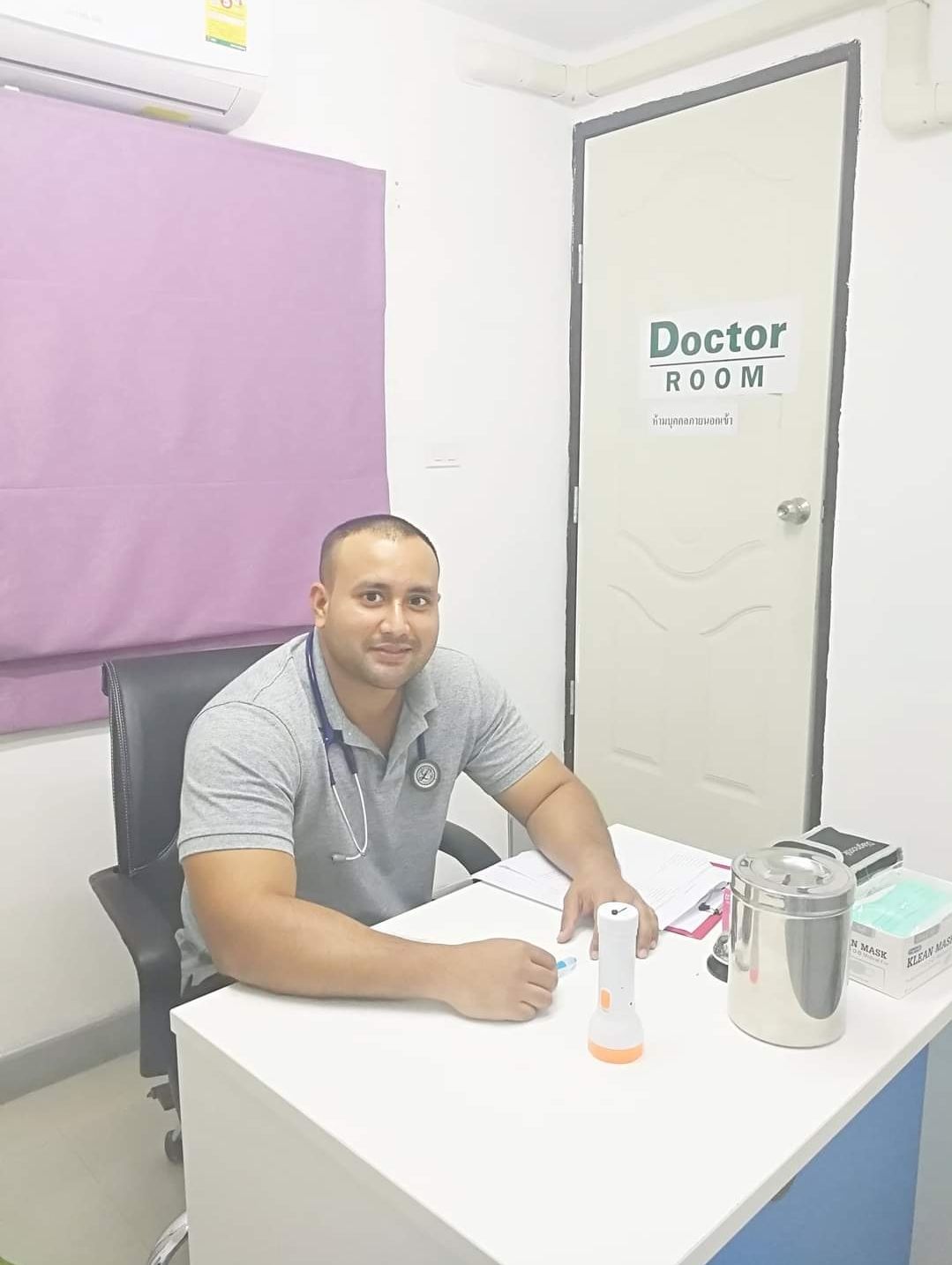
Dr. Ponlawat Pitsuwan is a physician at Doctor Bangkok, a private clinic in central Bangkok. He sees expats, residents, and medical tourists for general medicine, wellness consultations, and IV therapy. His focus is straightforward, evidence-based care delivered in plain language.