

Clinically reviewed by Dr. Ponlawat Pitsuwan, Physician, Doctor Bangkok. Last reviewed: July 2026
Weight-loss injections are generally considered for adults living with obesity, or those overweight with a weight-related condition such as type 2 diabetes or high blood pressure. BMI is a starting reference, not the whole story. Some people must avoid them, so a doctor should confirm your eligibility.
Not everyone who wants a weight-loss injection is a suitable candidate, and that is an important thing to understand before you invest hope and money in one. Eligibility is a genuine medical judgement, balancing how much these medicines could help you against whether they are safe for your particular history.
In this guide I explain the criteria clinicians commonly use, why BMI is only a starting point, and who should not take these medicines. The goal is to help you understand where you might stand before a consultation, not to replace that consultation.
How BMI is used
Body mass index is a quick screen that relates your weight to your height. Clinicians commonly consider weight-loss injections for adults in the obese range, and for those in the overweight range who also have a weight-related health condition. BMI gives us a starting reference, but it is not the final word: it does not distinguish muscle from fat and does not capture where fat is carried.
Why BMI alone is not enough
Two people with the same BMI can have very different health risks. That is why we also look at waist measurement, blood pressure, blood sugar, cholesterol and your overall history. Ethnic background can also affect how BMI relates to risk. A proper assessment, ideally alongside a general health check-up, gives a far clearer picture than a single number.
Weight-related conditions that strengthen the case
If you are overweight and also live with a condition linked to weight, treatment often makes more sense. These conditions include type 2 diabetes, high blood pressure, obstructive sleep apnoea, fatty liver disease and high cholesterol. In these cases, losing weight can improve the condition itself, not just the number on the scale.
Who should not take these medicines
Some people should avoid GLP-1 and GIP injections. This generally includes those with a personal or family history of certain thyroid tumours (medullary thyroid cancer), a history of pancreatitis, some serious gut conditions, and anyone who is pregnant, breastfeeding or trying to conceive. Certain other medications and conditions also need caution. This list is not exhaustive, which is precisely why a doctor must review your history rather than you self-assessing.
Why medical screening is the deciding step
This is the single biggest reason to start through a GP rather than buy online. Screening confirms both that the medicine could help you and that it is safe for you. A general practitioner sees the whole picture, checks for the conditions that make these drugs risky, and often arranges baseline bloods. If an injection is not right for you, we will say so and discuss alternatives.
When to see a doctor
See a doctor before starting any weight-loss injection so your eligibility can be confirmed properly. And if you are already on treatment and develop severe abdominal pain, persistent vomiting or an allergic reaction, seek prompt care, as our guide to GLP-1 side effects explains. Our 24/7 clinic is available whenever you need review.
Wondering if you qualify? The only reliable way to know is a screening consultation. Read our overview of weight-loss injections in Bangkok or contact the clinic.
Frequently asked questions
What BMI do I need to qualify?
There is no single universal cut-off. Injections are commonly considered in the obese range, or the overweight range with a weight-related condition. A doctor confirms this with your full profile.
Can I get them if I just want to lose a few kilos?
These medicines are intended for meaningful weight-related health need, not minor cosmetic goals. A doctor will assess whether they are appropriate for you.
Does having diabetes change my eligibility?
Type 2 diabetes is a weight-related condition that can strengthen the case for treatment, but your full history still needs review to confirm safety.
Why can’t I just decide for myself?
Some conditions make these drugs unsafe and are easy to miss without a medical review. Screening protects you from harm you might not anticipate.
What if I am not eligible?
We will explain why and discuss other approaches to weight and health that may suit you better.
Dr. Ponlawat Pitsuwan
Physician, Doctor Bangkok
Dr. Ponlawat is a physician at Doctor Bangkok, a private medical clinic in central Bangkok. He screens patients for weight-loss injection eligibility and advises on safe alternatives when needed.
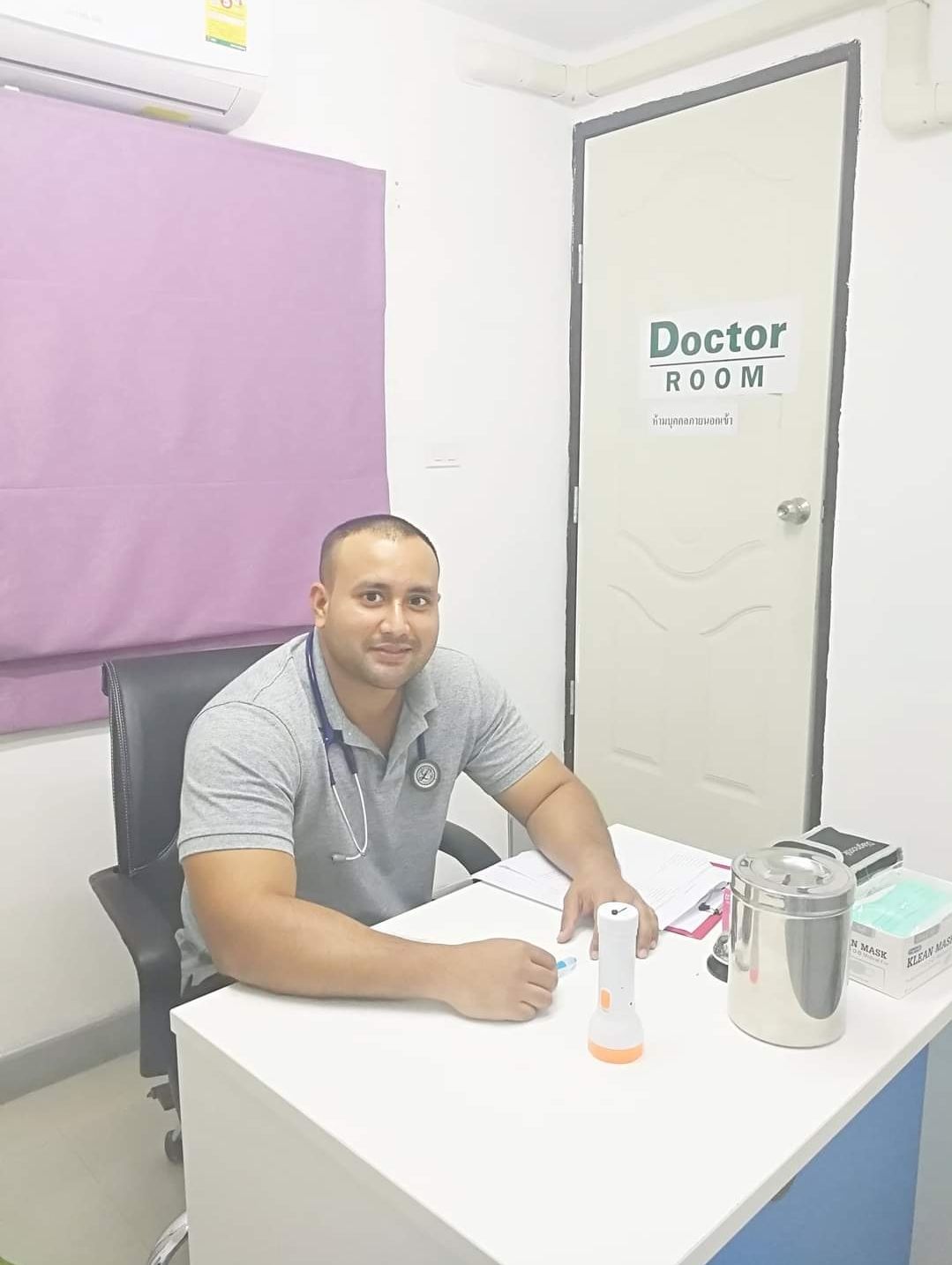
Dr. Ponlawat Pitsuwan is a physician at Doctor Bangkok, a private clinic in central Bangkok. He sees expats, residents, and medical tourists for general medicine, wellness consultations, and IV therapy. His focus is straightforward, evidence-based care delivered in plain language.