
Clinically reviewed by Dr. Ponlawat Pitsuwan, Physician, Doctor Bangkok. Last reviewed: July 2026
Songkran in Bangkok is one of the most intense days of the year for your body. Heat, hours of sun exposure, water from public hoses and tanks, street food, and alcohol all hit at once. The most common problems I see are dehydration, heat exhaustion, waterborne eye and gut infections, and festival injuries. Most are preventable. The ones that are not can be treated quickly if you come in early.
If you are planning to join Songkran in Bangkok, or you are already out there and starting to feel off, this is what I want you to know. April in Bangkok is brutal even without a water festival. Add hours in the sun, soaking wet clothes, and street drinks, and your body is working a lot harder than usual.
I see a spike every Songkran, and the pattern is always the same. People wait too long. A headache becomes heat exhaustion. A mild stomach upset becomes real dehydration. A red eye becomes an infection that needs treatment. Almost everything I see during this period was avoidable, or at least manageable, if the person had acted earlier.

Heat, Sun, and Your Body — What April in Bangkok Actually Does
Bangkok in April is the hottest month of the year. Temperatures regularly hit 38 to 40 degrees Celsius, and with humidity, it feels much worse. Standing on Silom Road or the Sukhumvit strip for hours, soaking wet and drinking, puts your body under real stress.
Heat exhaustion is what I see most often. You feel weak, dizzy, and a bit nauseous. Your skin is pale and cool despite the heat, and your heart rate picks up. Move to shade, drink water with electrolytes, and rest. Most people recover within an hour.
Heatstroke is different, and it is serious. Your temperature goes above 39 degrees, your skin turns hot and dry, and you may feel confused or stop sweating. If someone with you is confused, cannot stand properly, or has stopped sweating in this heat, get them inside and call for help immediately. This is a medical emergency.
The fix is simple. Drink before you feel thirsty. Take shade breaks every hour. Wear a hat, sunscreen, and light clothing even if you expect to get wet.
Dehydration — The One Everyone Underestimates
Most people at Songkran are not drinking enough water. They are drinking alcohol, which makes dehydration worse. They are also sweating heavily without realising how much fluid they are losing.
Mild dehydration feels like a headache and dry mouth. Moderate dehydration means very dark urine, feeling lightheaded when you stand, and a sharp drop in energy. Severe dehydration can send you to a clinic.
What I tell patients is simple: if you are drinking alcohol in this heat, match every drink with a glass of water. An oral rehydration solution from any 7-Eleven works much better than plain water once you are already behind.
If you cannot keep fluids down, IV rehydration is the fastest fix. Doctor Bangkok offers IV drip therapy for dehydration and recovery that restores fluids and electrolytes directly. It takes about an hour and most patients feel significantly better by the end.

Waterborne Infections — Eyes, Gut, and Skin
The water at Songkran comes from hoses, storage tanks, water trucks, and buckets. It is not clean water. It can carry bacteria, viruses, and fungi, and this matters for three parts of your body.
Your gut is at risk if you swallow any of it, which is hard to avoid. Stomach cramps, nausea, and diarrhoea are common in the days after Songkran. Most cases settle in two to three days with rest and oral rehydration. Come in if you have bloody diarrhoea, a fever above 38.5 degrees, or you cannot keep fluids down.
Your eyes are at serious risk, especially if you wear contact lenses. Festival water can carry bacteria that cause painful eye infections. Lenses trap these organisms right against your eye. Wear glasses or goggles during water fights instead. If your eye becomes red, painful, or starts producing discharge after water exposure, get it assessed. Do not wait on an eye infection.
Your skin can also pick up infections through cuts or broken skin. If a wound becomes red, swollen, warm, or starts producing pus in the days after Songkran, come in for proper wound care rather than hoping it clears up on its own.
Dengue Fever — The Risk Most People Do Not Think About
April is one of the higher-risk months for dengue fever in Bangkok. Mosquitoes breed in standing water, and after Songkran, there is no shortage of that. People are also outside for hours in shorts and wet clothing, which gives mosquitoes easy access.
Dengue starts with a sudden high fever, intense headache, pain behind the eyes, and muscle aches bad enough to make moving uncomfortable. A rash often appears after a few days. There is no antiviral treatment for dengue, so what matters is catching it early and keeping you properly monitored.
If you develop a high fever within two weeks of Songkran and it does not feel like a regular cold, come in for a dengue test. At Doctor Bangkok, we run a rapid test and have a result for you quickly.
Use insect repellent with DEET, cover your arms and legs in the evenings, and check that your accommodation does not have standing water nearby.
Alcohol Safety and Methanol Risk
Street drinks at Thai festivals are usually fine, but counterfeit alcohol is a real risk at large public events. Methanol, a toxic substance sometimes used to cut cheap spirits, can cause vision problems, confusion, and organ failure. It is rare, but it happens.
The warning signs appear hours after drinking: headache, nausea, and sudden blurred vision. If someone develops vision changes or confusion after alcohol, that is an emergency. Get to a doctor immediately.
Stick to sealed bottles from reputable shops. Be cautious with very cheap spirits and pre-mixed buckets from street vendors where you cannot see the source.
Road Safety During Songkran
Thailand’s road toll during Songkran is one of the highest of any festival in the world. Drunk driving is a serious problem, and wet roads add to the risk. Walk where you can. If you need a vehicle, take a licensed taxi or rideshare app rather than a motorbike. Wear shoes with grip on wet surfaces. Falls on slippery pavements are a common reason people end up needing wound care during this period.
When to See a Doctor — Symptoms You Should Not Wait Out
Most Songkran health problems are mild and short-lived. But some are not, and waiting is the biggest mistake I see.
Come in promptly if you have a fever above 38.5 degrees that does not come down, vomiting that stops you keeping fluids down, bloody diarrhoea, a red or painful eye with discharge, a wound that looks infected, or any confusion or difficulty standing. These are not symptoms to manage alone in a hotel room in Bangkok’s heat.
If you are unsure, contact us. It is always faster to rule something out than to deal with a problem that has been left too long.
Getting Medical Help Without Leaving Your Hotel
Here is something most people do not realise during Songkran: getting to a clinic is genuinely hard. Streets are flooded with water fights, transport is disrupted, and if you are unwell, going outside is the last thing you want to do.
Doctor Bangkok’s hotel doctor service means you do not have to. A physician can come to your hotel room, assess you, and in many cases treat you on the spot. The service covers central Bangkok including Sukhumvit, Silom, and Sathorn, and runs around the clock, including all Songkran public holidays.
You can reach us by WhatsApp or phone to arrange a visit, and we can usually be with you within the hour. If getting to a clinic feels impossible right now, that is exactly what this service is for. You can find out more about our travel health and hotel doctor service on our website.
What to Pack for Songkran
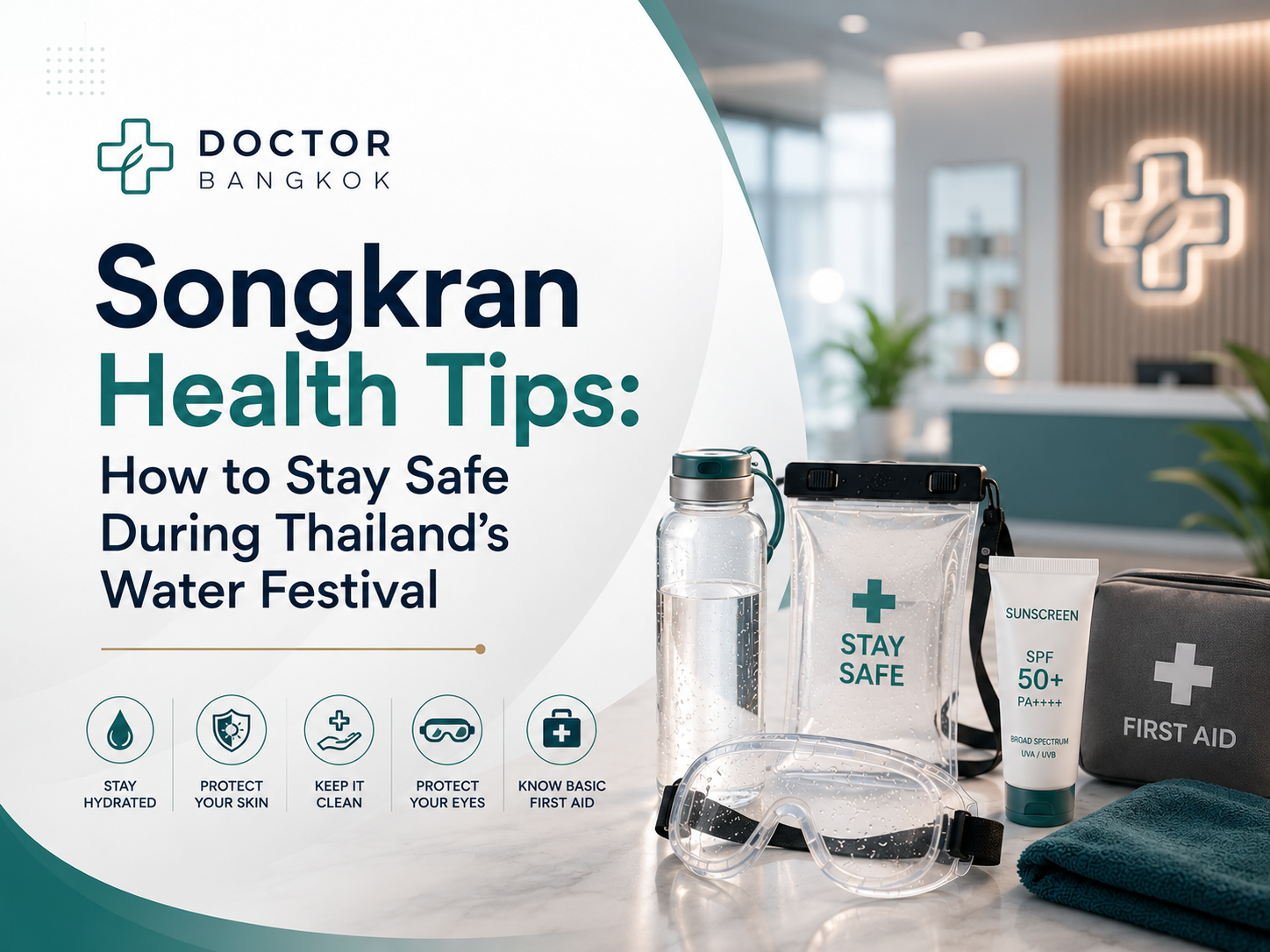
You do not need a lot, but a few things will save you real trouble. Carry oral rehydration sachets from any pharmacy. Bring waterproof sunscreen and reapply it often. Pack insect repellent with DEET. Have antiseptic wipes and plasters on hand. Wear shoes with grip, not flip flops on wet streets. Keep your travel insurance details accessible. And know where your nearest English-speaking clinic is before you need it.
Feeling unwell during Songkran? Doctor Bangkok is open 24 hours a day, 7 days a week, including all public holidays. No appointment needed. Walk in to our clinic at Sukhumvit Soi 13, or contact us to arrange a hotel doctor visit anywhere across central Bangkok. We offer IV rehydration, fever and dengue assessment, wound care, eye infection treatment, and general medical consultations in English. Do not wait it out in a hotel room. Get in touch and we will come to you.
Frequently Asked Questions
Can I get a doctor to come to my hotel during Songkran in Bangkok?
Yes. Doctor Bangkok’s hotel doctor service runs 24 hours a day, including all Songkran public holidays. A physician can reach you across central Bangkok zones including Sukhumvit, Silom, and Sathorn, typically within the hour. This is especially useful during Songkran when street transport is chaotic and travelling while unwell is the last thing you want to do.
What should I do if I feel sick after Songkran water fights?
Rest and rehydrate first if your symptoms are mild, such as a sore throat or mild stomach upset. Come in if you develop a fever above 38.5 degrees, vomiting, bloody diarrhoea, a painful red eye, or any confusion. WhatsApp Doctor Bangkok or walk in rather than waiting alone in the heat.
Is it safe to wear contact lenses during Songkran water fights?
I advise against it. Festival water comes from tanks, hoses, and public sources that often carry bacteria and other organisms. Contact lenses hold those microorganisms directly against your cornea, raising your risk of a serious eye infection. Wear glasses or waterproof goggles instead, and if your eye becomes red or painful after water exposure, get it checked promptly.
Are Bangkok clinics open during Songkran public holidays?
Most regular clinics reduce their hours or close during the Songkran long weekend. Doctor Bangkok at Sukhumvit Soi 13 is open 24 hours a day with no appointment required, including all public holidays. The hotel visit service is also available around the clock during this period.
How can I tell if I have heat exhaustion or heatstroke during Songkran?
Heat exhaustion means heavy sweating, weakness, pale or cool skin, and dizziness. Move to shade and drink fluids, and it usually improves within an hour. Heatstroke is different: skin turns hot and dry, temperature goes above 39 degrees, and the person may become confused or lose consciousness. Heatstroke is a medical emergency and needs immediate help.
What are the signs of dengue fever after Songkran?
Dengue usually starts with a sudden high fever, severe headache, pain behind the eyes, and significant muscle aches. A rash may follow after two to three days. If you develop these symptoms within two weeks of Songkran, come in for a rapid dengue test. Catching it early allows us to monitor you properly and reduce the risk of complications.
What is the methanol risk at Songkran and how would I know?
Methanol is a toxic substance occasionally found in counterfeit or very cheap spirits at large festivals. Symptoms appear hours after drinking and include severe headache, nausea, and sudden vision changes. If someone develops blurred vision or confusion after drinking, treat it as an emergency and get medical help immediately. Stick to sealed bottles from reputable shops to reduce your risk.
Dr. Ponlawat Pitsuwan
Physician, Doctor Bangkok
a private medical clinic in central Bangkok. He sees expats, residents, and visitors for travel health, fever and infection assessment, dengue, wound care, and general medical consultations. His focus is straightforward, evidence-based care delivered in plain language.
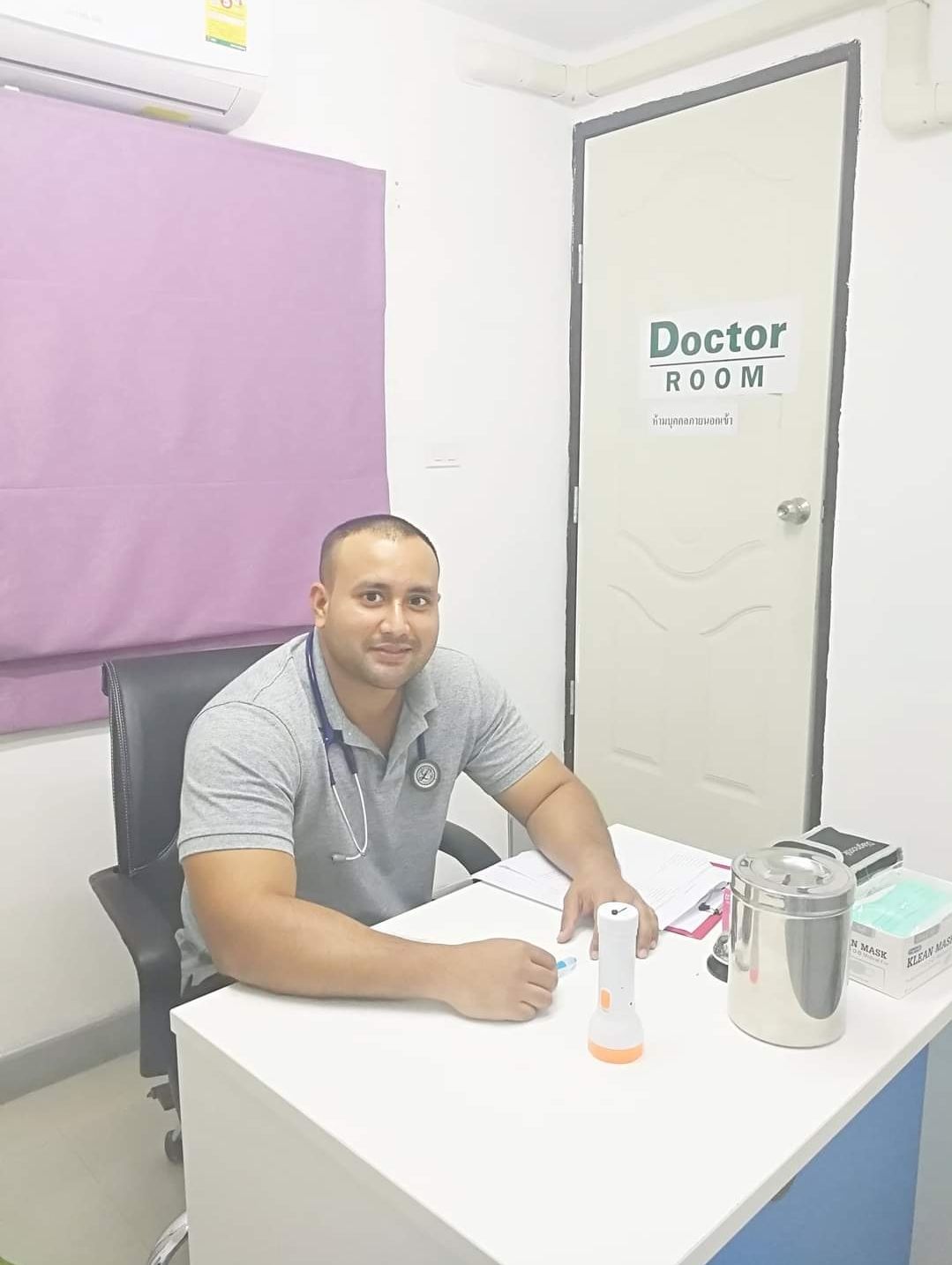
Dr. Ponlawat Pitsuwan is a physician at Doctor Bangkok, a private clinic in central Bangkok. He sees expats, residents, and medical tourists for general medicine, wellness consultations, and IV therapy. His focus is straightforward, evidence-based care delivered in plain language.