
Clinically reviewed by Dr. Ponlawat Pitsuwan, Physician, Doctor Bangkok. Last reviewed: July 2026
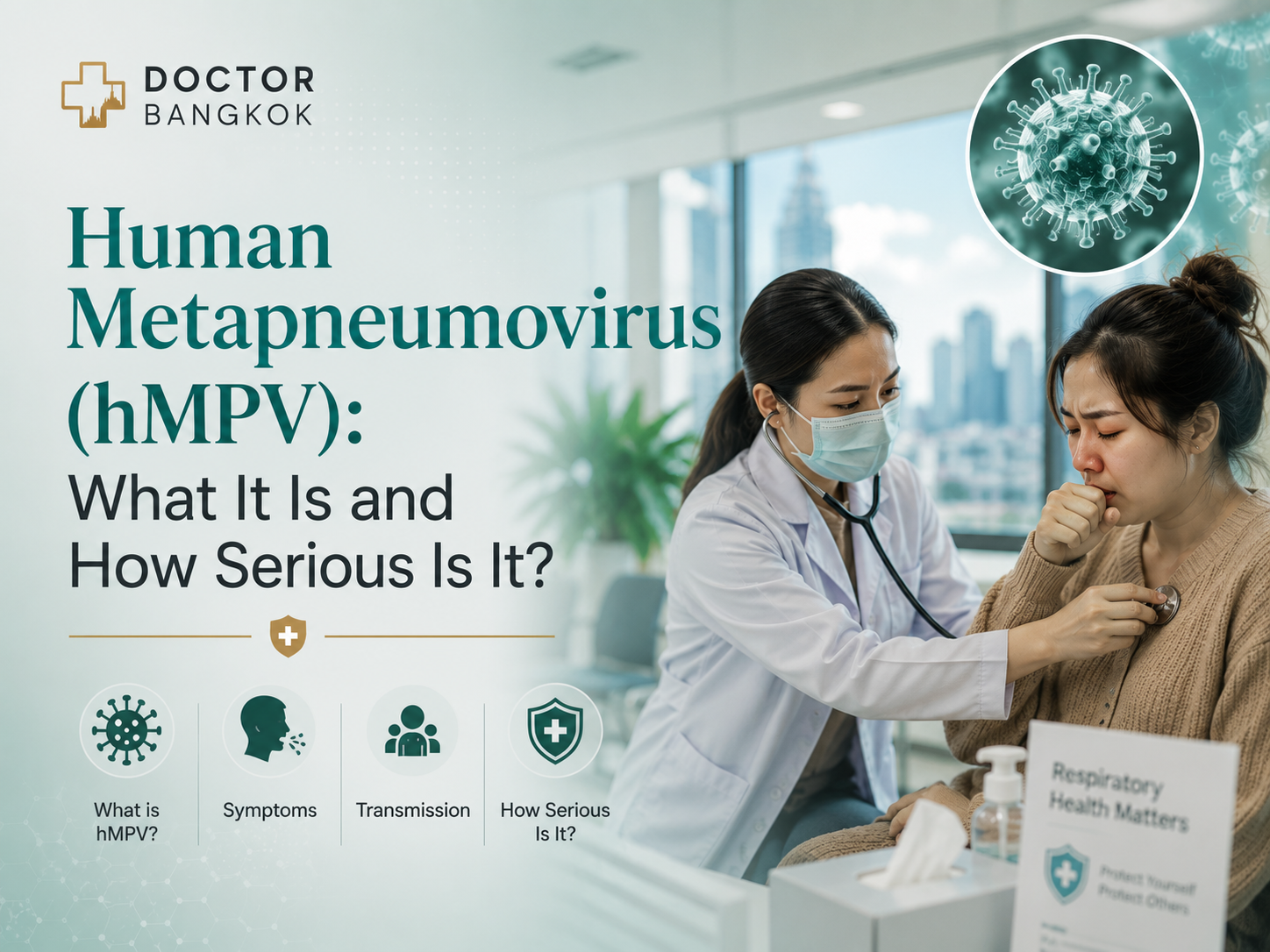
hMPV is a respiratory virus that causes symptoms similar to a cold, flu, or RSV. Most healthy adults recover with rest and fluids. Children under five, older adults, and anyone with a weakened immune system are at higher risk of serious illness. There is no specific antiviral treatment and no vaccine. If you have a persistent fever, worsening breathlessness, or you are in a high-risk group, get assessed by a doctor.
If you are in Bangkok with a cough that will not quit, a fever, and a blocked nose, you have probably already Googled every respiratory virus you can think of. hMPV does not get as much attention as flu or COVID-19, but I see it in the clinic. It circulates here, especially during the rainy season, and it can hit harder than people expect.
Most of the time, hMPV feels like a bad cold and passes within one to two weeks. But for some patients, it moves lower into the lungs and causes bronchitis or pneumonia. The tricky part is that you cannot tell it apart from flu, RSV, or COVID-19 just by how you feel. Knowing when to get assessed matters more than trying to self-diagnose.

What Is the hMPV Virus?
hMPV is a respiratory virus from the same family as RSV. It was only identified in 2001, but it has been circulating in humans for decades. By adulthood, nearly everyone has been exposed at least once. It starts in the nose and throat, and in some cases moves into the lower airways and lungs. That is when things get more serious.
How Does hMPV Spread?
hMPV spreads like most respiratory viruses. You breathe in droplets from an infected person who coughs or sneezes near you. You can also pick it up by touching a contaminated surface and then touching your face.
In Bangkok, this matters. The BTS and MRT during rush hour, air-conditioned offices, crowded shopping malls. These are the environments where respiratory viruses move fast. Most expats I see with respiratory illness have been in exactly these situations in the days before they got sick. The virus can spread before a person knows they are sick, which is why it moves through households and offices quickly.

What Are the Symptoms of hMPV?
Symptoms usually start three to six days after exposure. Most people get a combination of cough, runny or blocked nose, sore throat, and low-grade fever. It feels like a standard upper respiratory infection.
For some patients, the cough worsens over the first few days and breathing becomes harder. That is a sign the infection has moved into the lower airways. Wheezing, shortness of breath, and a high fever that is not settling are all reasons to get checked. You can read more about what to expect and how symptoms are managed on our travel health and respiratory illness page.
Who Is Most at Risk from hMPV?
Healthy adults usually get through hMPV without needing much more than rest. The patients I worry about are children under five, adults over 65, and anyone with a weakened immune system, whether from illness or medications.
Co-infection is also worth knowing about. hMPV often circulates at the same time as RSV, influenza, and COVID-19 in Bangkok. Getting two respiratory viruses together is not rare here, and it tends to mean a more severe illness. If you feel like you are getting worse instead of better after a few days, take that seriously.
hMPV vs. RSV vs. Flu vs. COVID-19
This is the question patients ask me most. The honest answer is that you cannot reliably tell these apart by symptoms alone. They all cause cough, fever, congestion, and fatigue.
| Feature | hMPV | RSV | Flu | COVID-19 |
|---|---|---|---|---|
| Fever | Common, usually mild | Common in children | Often high | Variable |
| Cough | Prominent | Prominent | Prominent | Prominent |
| Runny nose | Yes | Yes | Sometimes | Sometimes |
| Shortness of breath | In severe cases | In severe cases | Less common | Common in severe cases |
| Specific antiviral | No | No | Yes (oseltamivir) | Yes (nirmatrelvir/ritonavir) |
| Vaccine available | No | Yes | Yes | Yes |
The practical takeaway: do not try to diagnose yourself based on symptoms. A PCR-based test is the only reliable way to identify which virus you have. And it matters, because flu and COVID-19 have specific antivirals that work if you start them early.
hMPV in Bangkok: When Is the Risk Highest?
Most international health sites say hMPV peaks in winter and spring. That is accurate for temperate countries. Bangkok does not have those seasons.
Research from Chulalongkorn University shows hMPV follows a tropical pattern here, with activity peaking during the rainy season, roughly July through November. If you are in Bangkok during those months and you develop respiratory symptoms, hMPV is a realistic possibility alongside flu and COVID-19. I tell expats to take respiratory illness more seriously during the second half of the year. The risk does not disappear the rest of the time, but it is clearly higher during rainy season.
How Is hMPV Diagnosed?
A multiplex PCR respiratory panel is the most reliable way to confirm hMPV. It is a single swab test that checks for multiple viruses at once, including hMPV, flu A and B, RSV, and COVID-19. Results typically take one to two days.
Not every clinic in Bangkok runs this panel routinely. At Doctor Bangkok, we assess you clinically and arrange appropriate testing, including PCR respiratory panels where needed. Knowing which virus you have changes the management plan, particularly if flu or COVID-19 antivirals are relevant to your case.
How Is hMPV Treated?
There is no specific antiviral for hMPV. Treatment focuses on managing symptoms. Rest, staying hydrated, and paracetamol for fever and discomfort cover most cases.
If breathing is affected, a doctor may use bronchodilators to open the airways. In severe cases, hospital admission for oxygen support may be needed. Antibiotics do not treat viral infections. A doctor may prescribe them if there is evidence of a secondary bacterial infection, but that is a separate clinical decision.
The biggest mistake I see is patients using antibiotics bought at a pharmacy without seeing a doctor. It does not help hMPV and it contributes to antibiotic resistance, which is a real concern in Bangkok.
When Should You See a Doctor in Bangkok?
If your symptoms are mild and you are a healthy adult, it is reasonable to monitor at home for the first 48 hours. Rest, fluids, and paracetamol are appropriate.
See a doctor if you have difficulty breathing or it is getting worse. See a doctor if your fever has not improved after 48 to 72 hours. Go promptly if you feel confused, very weak, or unable to eat or drink. Go promptly if the person who is sick is a child under two, an older adult, or someone with a chronic illness or weakened immune system. Doctor Bangkok offers same-day appointments and walk-ins in central Bangkok, with English-speaking physicians and BTS access. You do not need to figure this out alone.
Can hMPV Come Back? What About Immunity?
This surprises a lot of patients. Getting hMPV once does not reliably protect you from getting it again. Immunity after infection is real but fades, and reinfection in adults is well-documented, including in research conducted in Thailand.
You may have had hMPV as a child and still be fully susceptible as an adult living in Bangkok. There is no vaccine to close that gap yet.
How to Reduce Your Risk in Bangkok
Wash your hands regularly, especially after using public transport or before eating. Avoid touching your face in crowded spaces. If you are sick, stay home. If someone around you is sick, reduce close contact where possible.
If you are in a high-risk group, ask a doctor about your influenza and RSV vaccination status. Those vaccines do not protect against hMPV, but reducing your overall respiratory virus exposure during Bangkok’s rainy season is sensible. You can discuss this as part of a travel health consultation at Doctor Bangkok, or ask about it at your next general visit.
Respiratory symptoms in Bangkok? Do not guess which virus it is. At Doctor Bangkok, our English-speaking physicians provide same-day assessments for fever, cough, and respiratory illness. We can arrange PCR respiratory panel testing and give you a clear management plan. Walk-ins welcome. BTS accessible. Visit doctorbangkok.co.th or contact us to book.
Frequently Asked Questions
Is hMPV currently spreading in Bangkok or Thailand?
hMPV circulates year-round in Thailand but peaks during Bangkok’s rainy season, roughly July through November, based on research from Chulalongkorn University. It is one of the viruses I see regularly during that period alongside flu and COVID-19. If you develop respiratory symptoms during those months, get assessed rather than waiting it out.
Can you catch hMPV more than once?
Yes, and this is something many patients do not realise. Immunity after hMPV infection is temporary, and reinfection in adults is well-documented, including in Thai research. There is no vaccine yet, so general hygiene remains the main way to reduce your risk.
How do I know if my cough is hMPV, flu, RSV, or COVID-19?
You cannot tell from symptoms alone. All four viruses cause cough, fever, and congestion, and co-infections are common in Bangkok during rainy season. A PCR-based respiratory panel is the only way to confirm which virus is causing your illness. See a doctor rather than self-diagnosing, especially if your symptoms are worsening.
Is there an hMPV test available in Bangkok?
Yes. A multiplex PCR respiratory panel can detect hMPV alongside flu, RSV, and COVID-19 from a single swab. Not all clinics run this routinely. At Doctor Bangkok, we can assess you clinically and arrange appropriate hMPV testing and treatment based on your symptoms. A confirmed diagnosis matters if flu or COVID-19 antivirals are relevant to your case.
When should an expat in Bangkok see a doctor for hMPV symptoms?
Go to a clinic if you have worsening breathlessness, a fever that has not improved after 48 to 72 hours, confusion, unusual fatigue, or if you cannot eat or drink. Also go promptly if the person who is sick is a child under two, an older adult, or immunocompromised. Doctor Bangkok has English-speaking doctors, same-day appointments, and walk-in availability in central Bangkok.
Are antibiotics useful for hMPV?
No. Antibiotics do not work against viral infections. If your doctor suspects a secondary bacterial infection has developed alongside hMPV, that is a separate clinical decision made after assessment. Taking antibiotics from a pharmacy without seeing a doctor is not helpful and contributes to antibiotic resistance, which is already a concern in Bangkok.
Is hMPV dangerous for healthy adults?
For most healthy adults, hMPV causes a self-limiting illness that resolves within one to two weeks with rest and fluids. Serious illness is more common in children under five, adults over 65, and people with weakened immune systems. Co-infection with other viruses can increase severity in any age group, so monitor your symptoms and get checked if you are not improving.
Dr. Ponlawat Pitsuwan
Physician, Doctor Bangkok
a private medical clinic in central Bangkok. He sees expats, residents, and medical tourists for respiratory illness, fever assessment, general consultations, and travel health. His focus is straightforward, evidence-based care delivered in plain language.
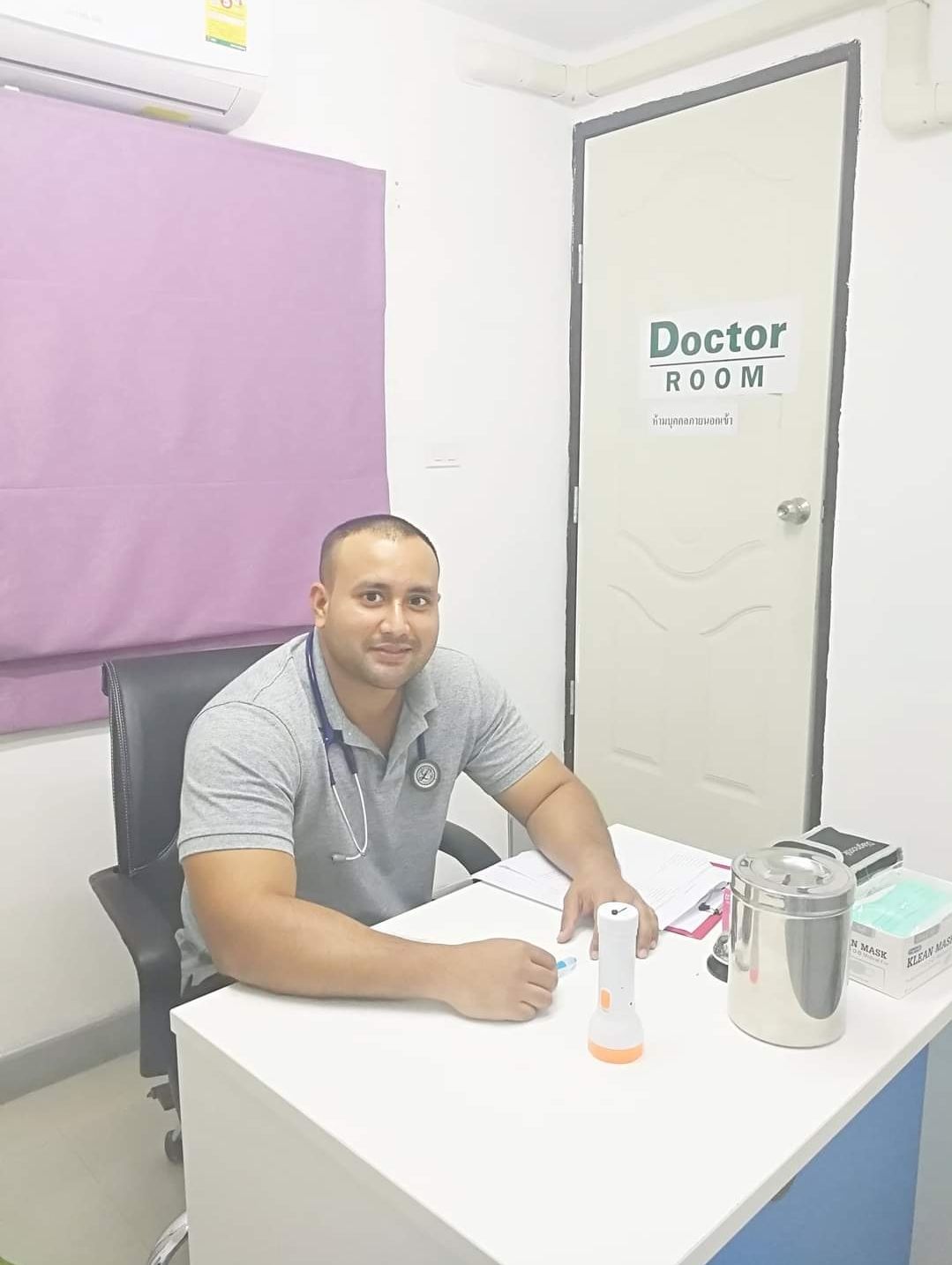
Dr. Ponlawat Pitsuwan is a physician at Doctor Bangkok, a private clinic in central Bangkok. He sees expats, residents, and medical tourists for general medicine, wellness consultations, and IV therapy. His focus is straightforward, evidence-based care delivered in plain language.