
Clinically reviewed by Dr. Ponlawat Pitsuwan, Physician, Doctor Bangkok. Last reviewed: September 2026
Stem cell therapy in Bangkok typically costs between ฿59,000 for entry-level cosmetic protocols and ฿490,000 or more for comprehensive systemic anti-aging programs. Prices vary based on cell type, cell count, delivery method, and clinic tier. Bangkok costs are generally 50 to 70 percent lower than equivalent protocols in the US or Europe. Most international insurance plans do not cover this treatment.
I get asked about stem cell therapy at least a few times a month, usually by someone who has done a lot of Googling and is now more confused than when they started. Prices all over the map, clinics making bold claims, and almost no plain-English explanation of what the Thai FDA actually permits.
If you are an expat or medical tourist trying to figure out what you will genuinely pay in Bangkok, and whether it is worth it, this is that explanation. The range of providers here goes from reputable hospital-grade programs to wellness spas that have no business doing this. This article gives you the real numbers, the regulatory reality, and what to check before you book anything.

Stem Cell Therapy Cost in Bangkok: 2025 to 2026 Price Ranges by Treatment Type
Here is what patients are actually paying in Bangkok right now. These are indicative ranges, not guarantees. The exact price you receive depends on your consultation, cell count, and protocol.
| Treatment Type | Typical Bangkok Price Range | Notes |
|---|---|---|
| Cosmetic / facial rejuvenation | ฿59,000 to ฿120,000 | Lower cell counts, often exosome or low-dose MSC |
| Hair restoration | ฿65,000 to ฿140,000 | Usually combined with PRP |
| Orthopaedic (single joint) | ฿80,000 to ฿200,000 | Knee, hip, or spine injection protocols |
| Systemic IV anti-aging (single session) | ฿120,000 to ฿250,000 | Umbilical cord MSCs most common |
| Multi-session systemic programs | ฿250,000 to ฿490,000+ | Two to four sessions, pre and post labs included |
| Exosome therapy (standalone) | ฿35,000 to ฿95,000 | Not stem cells — cell-derived particles only |
Exosome therapy appears in many Bangkok packages marketed alongside stem cells. Exosomes are particles released by stem cells, not stem cells themselves. The distinction matters for both cost and what you should expect.
What Drives the Price Up or Down
Cell count is the single biggest price driver. A 25-million-cell IV infusion costs far less than a 100-million-cell protocol. Most reputable clinics disclose exact cell count in writing before you pay anything. If a clinic cannot tell you how many cells you are receiving, that is a problem.
Cell source is the second major factor. Umbilical cord-derived mesenchymal stem cells, commonly called MSCs, are taken from screened donor cord tissue and are the most widely used type in Bangkok regenerative clinics. They require no harvesting procedure from you. Adipose-derived stem cells, taken from your own fat tissue, require a minor liposuction procedure first, which adds surgical time and cost.
GMP laboratory certification matters for both cost and safety. Good Manufacturing Practice is the standard that governs how cells are processed and stored. It is expensive to maintain, so clinics using GMP-certified or ISO-certified biobanks charge more. That premium is worth paying.
Delivery method also affects price. Intravenous infusion requires a physician and monitoring equipment. A localised joint injection for orthopaedic cases typically requires imaging guidance in serious protocols. Clinic tier matters too. A hospital-based program will cost more than a private clinic, which will cost more than a wellness spa.

Types of Stem Cell Therapy Available in Bangkok
Bangkok offers a broader range of regenerative options than most cities outside the US, Japan, or Germany. The most common you will encounter are MSCs from umbilical cord tissue, MSCs from adipose fat or bone marrow, exosome preparations, and platelet-rich plasma combinations, known as PRP, which is sometimes grouped in but is a different category entirely.
Umbilical cord MSCs dominate the Bangkok market for systemic anti-aging and immune protocols. They are screened, processed, and ready to use without any procedure on your end. Adipose-derived stem cells, taken from your own body, appeal to patients who want cells from themselves rather than a donor. The harvesting adds a step but removes donor-source concerns.
Haematopoietic stem cell transplants, the kind used in blood cancer treatment, are a completely different clinical category. These are performed in hospital oncology units, not in private regenerative clinics. If a clinic conflates these with anti-aging MSC therapy in their marketing, that is a red flag.
What Conditions Is Stem Cell Therapy Used For in Bangkok?
The most common reasons patients come to Bangkok for stem cell therapy fall into a few clear groups. Anti-aging and general wellness protocols are the largest category, driven by expats and medical tourists looking for systemic rejuvenation. Orthopaedic applications, particularly knee arthritis, spine degeneration, and joint injuries, are the second largest.
I see a fair number of expats who have been told back home that surgery is their only option and who come here looking for an alternative. Autoimmune conditions, neurological applications, and hair loss restoration round out the more common uses. Fertility-related applications exist but are less standardised.
The evidence base varies significantly across these uses. The evidence for orthopaedic MSC applications is stronger than for many neurological or systemic protocols. Ask your clinician directly about this before committing to any program.
Is Stem Cell Therapy Legal and Regulated in Bangkok?
This is the question I get most often, and it deserves a clear answer. Yes, stem cell therapy is legal in Thailand. The Thai Food and Drug Administration, the Thai FDA, regulates both approved clinical applications and investigational protocols under the Ministry of Public Health.
There is an important two-tier distinction. Established clinical procedures, such as haematopoietic transplants for blood cancers, are fully approved and performed in accredited hospitals. Regenerative and anti-aging MSC protocols are classified as investigational therapies. They are legal, but they should be administered only under an Institutional Review Board approved protocol, meaning the clinic has formal ethical oversight. Patients must also receive informed consent documentation that clearly states the experimental nature of the treatment.
Any clinic that does not provide this documentation, or that dismisses the question, should not get your business. Investigational does not mean dangerous, but it does mean you have rights as a patient that a reputable clinic will respect.
What a Legitimate Bangkok Stem Cell Package Should Include
A well-structured package should include a pre-treatment medical consultation, baseline blood work, the stem cell infusion or injection with physician supervision, post-treatment monitoring on the same day, and at least one follow-up consultation. Cell count, cell source, and viability percentage should be documented in writing before you pay.
Watch for hidden costs. Pre-treatment labs, hospital facility fees, and follow-up consultations are sometimes excluded from the headline price. Add-ons often bundled into packages include NAD+ IV therapy, hyperbaric oxygen therapy, and PRP. A good clinician will tell you which are clinically relevant for your case and which are optional.
Cell viability, the proportion of live and functional cells in the batch, should always be disclosed. A batch with poor viability is not worth what you are paying, and any serious clinic will tell you this figure upfront.
Does Insurance Cover Stem Cell Therapy in Bangkok?
Directly: no, in almost all cases. Most international health insurance plans classify regenerative stem cell therapy as experimental or elective and exclude it. Plan to pay entirely out of pocket.
One partial exception is worth knowing. If a complication arises from stem cell treatment and requires hospitalisation or emergency care, some insurers will cover that resulting medical treatment even if they excluded the original procedure. Keep every receipt and every piece of documentation from your treatment.
I advise anyone travelling to Bangkok specifically for stem cell therapy to request written confirmation from their insurer before booking flights. Verbal confirmation from a call centre means nothing if you need to make a claim later. Get it in writing, and share your records with your GP at home before you travel.
How to Evaluate a Stem Cell Clinic in Bangkok Before You Book
The biggest mistake I see is patients booking on price alone. On one end of the Bangkok market you have hospital-based programs with full specialist oversight. On the other end are wellness centres where the word stem cell is used loosely and the clinical rigour is minimal.
Here is what to check. First, confirm that a licensed physician leads and administers the protocol. Not a wellness consultant, not a nurse. A physician. Second, ask for documentation of cell source: which biobank, what certification, and what is the cell viability percentage at infusion. Third, ask to see the clinic’s Thai medical facility licence.
Fourth, request the informed consent document before your appointment day and read it properly. Fifth, if the clinic guarantees a specific outcome or pressures you to book before a full consultation, walk away. No ethical provider in this space makes outcome guarantees, because the evidence does not support them.
At Doctor Bangkok, we offer general medical consultations, pre-treatment health assessments, and a range of IV therapy and wellness services for expats and medical tourists in central Bangkok. If you are considering stem cell therapy and want an honest, physician-led assessment of your health status and treatment readiness before you commit to any protocol, we can help. We are BTS accessible and see patients in English. Contact us to book a consultation.
How much does stem cell therapy cost in Bangkok in 2025 to 2026?
Entry-level cosmetic protocols start around ฿59,000. Orthopaedic joint injections typically run ฿80,000 to ฿200,000. Comprehensive multi-session systemic anti-aging programs can reach ฿490,000 or more. The biggest price drivers are cell count, cell source, delivery method, and clinic tier. Bangkok prices are generally 50 to 70 percent lower than equivalent protocols in the US or Europe.
Is stem cell therapy legal and safe in Bangkok?
Yes, it is legal. The Thai FDA regulates stem cell therapy, with established clinical applications fully approved and regenerative protocols permitted under investigational status requiring IRB oversight and informed consent. Safety varies significantly by provider. Look for GMP-certified cell sourcing, physician-led protocols, and a Thai-licensed medical facility. Any clinic that makes guaranteed outcome claims is a red flag.
Will my international health insurance cover stem cell therapy in Bangkok?
Almost certainly not. Most international health insurers classify regenerative stem cell therapy as experimental and exclude it from coverage. Plan to pay out of pocket. Some insurers may cover complications requiring hospitalisation even if they exclude the original procedure, so keep all documentation and share your records with your home-country GP before you travel.
What is the difference between autologous and allogeneic stem cells, and does it affect price?
Autologous means cells from your own body, usually fat or bone marrow, which requires a harvesting procedure and adds cost and recovery time. Allogeneic means donor-derived cells, most commonly umbilical cord MSCs, which are pre-screened and ready to infuse without a procedure on your end. Both types are widely used in Bangkok, and pricing reflects the different processing and procedural requirements of each.
Should I get a health check before stem cell therapy in Bangkok?
Yes, always. A baseline blood panel before any regenerative protocol is standard practice in any reputable program. It checks for contraindications and gives you a real starting point to measure any changes against. A general health check at Doctor Bangkok before you proceed anywhere for treatment is a practical first step, regardless of your overall health.
How do I know if a stem cell clinic in Bangkok is legitimate?
A legitimate clinic will have a licensed physician administering the protocol, documented cell sourcing from a GMP or ISO-certified biobank, a Thai medical facility licence, and informed consent paperwork that clearly states the investigational nature of the treatment. They will disclose exact cell count and viability before you pay. If any of those elements are missing, or the clinic leads with outcome guarantees and high-pressure tactics, find somewhere else.
Dr. Ponlawat Pitsuwan
Physician, Doctor Bangkok
a private medical clinic in central Bangkok. He sees expats, residents, and medical tourists for general medical consultations, health assessments, IV therapy, travel medicine, and wellness services. His focus is straightforward, evidence-based care delivered in plain language.
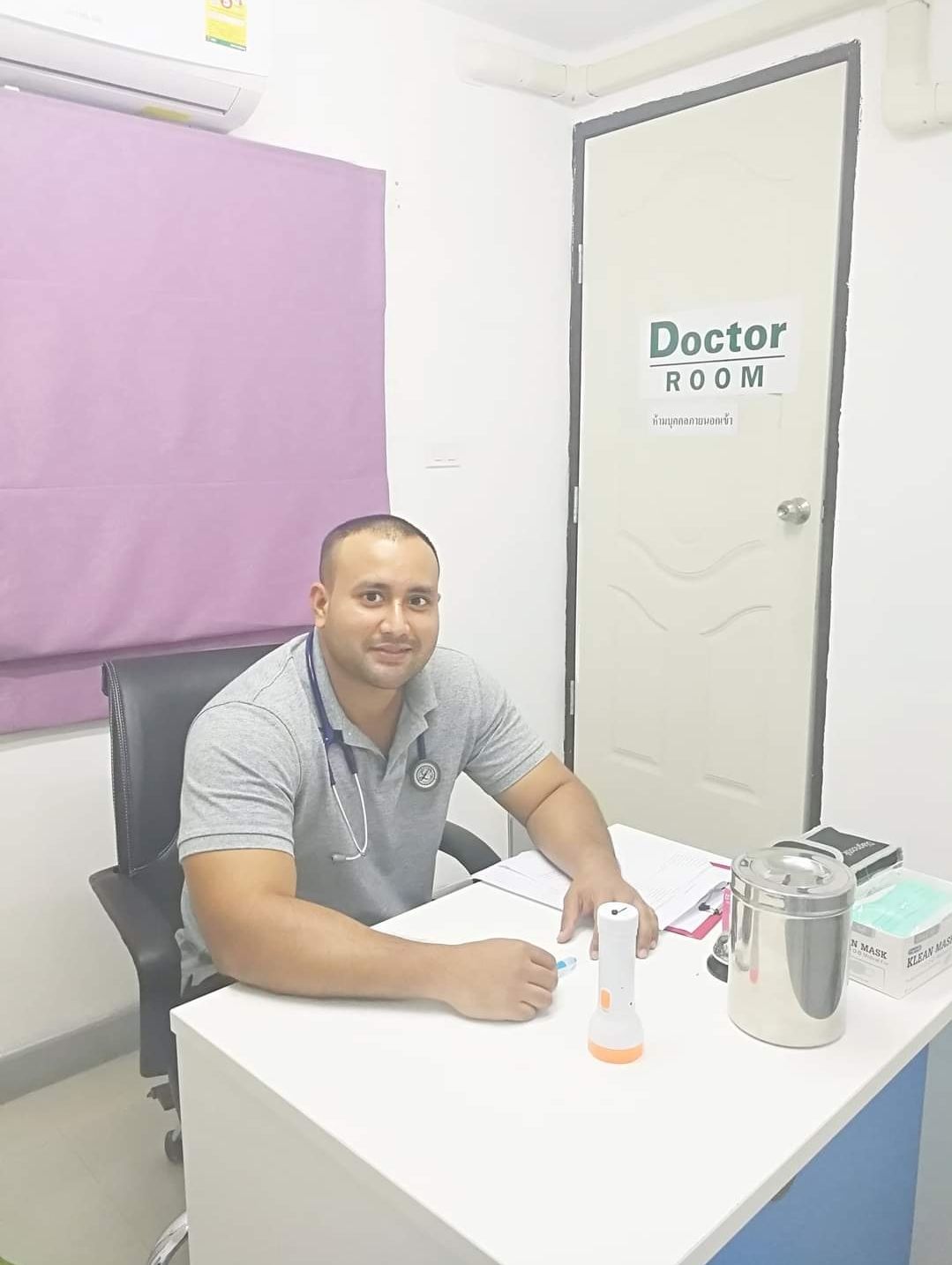
Dr. Ponlawat Pitsuwan is a physician at Doctor Bangkok, a private clinic in central Bangkok. He sees expats, residents, and medical tourists for general medicine, wellness consultations, and IV therapy. His focus is straightforward, evidence-based care delivered in plain language.