
Clinically reviewed by Dr. Ponlawat Pitsuwan, Physician, Doctor Bangkok. Last reviewed: September 2026
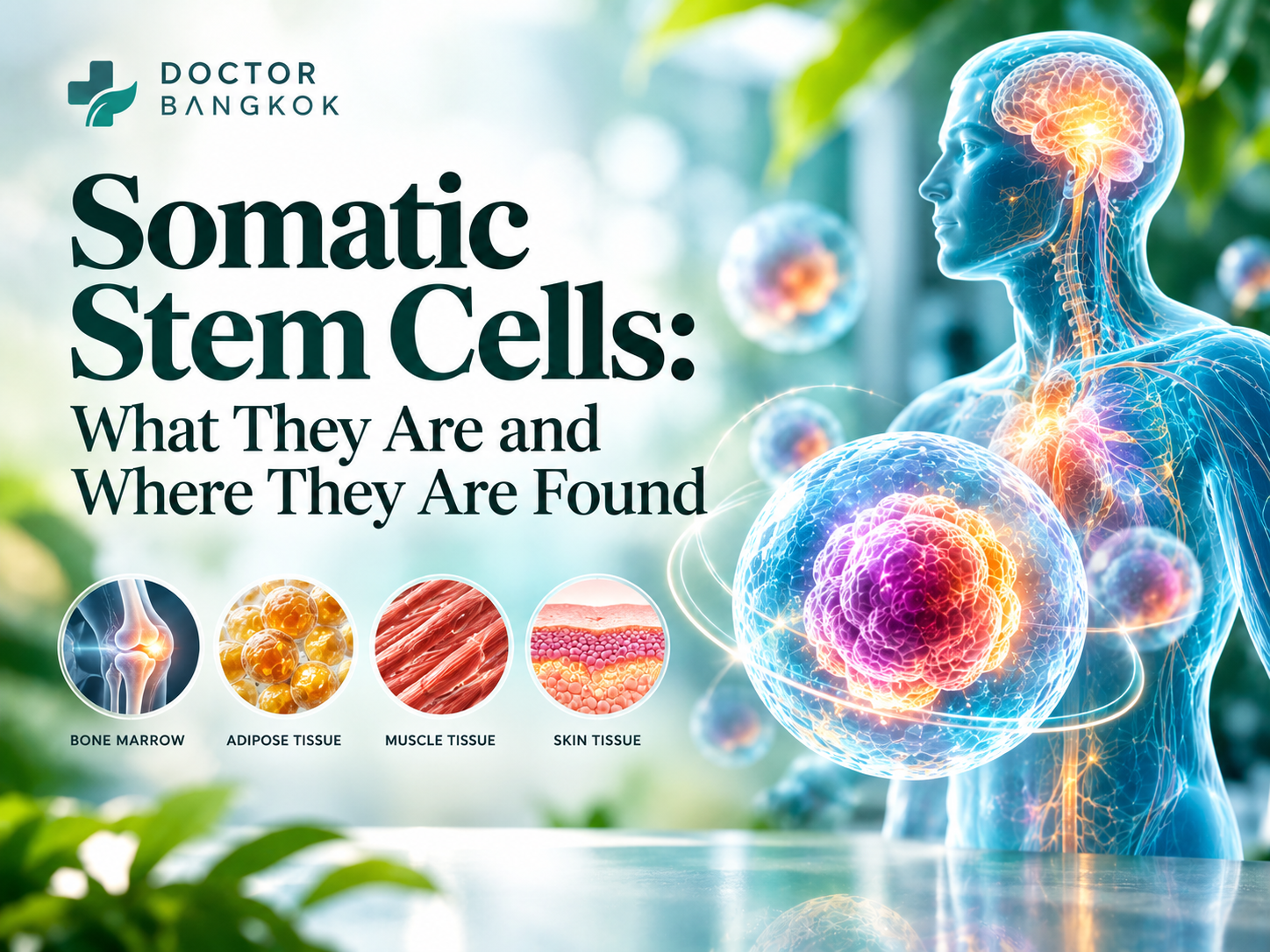
Somatic stem cells, also called adult stem cells, are repair cells your body already makes. They sit in tissues like bone marrow and fat, waiting to replace damaged cells. Most stem cell therapies available in Bangkok today use these cells, not embryonic cells. They are multipotent, meaning they can become several cell types, but not every cell type in the body.
A lot of patients come to me after reading about stem cell therapy online and feeling more confused than when they started. The science sounds impressive but the language is dense, and most Bangkok clinic pages skip straight to pricing without explaining what these cells actually are.
Somatic stem cells are the body’s own maintenance crew. They have been in your body since birth, quietly sitting in specific tissues, replacing cells that wear out or get damaged. When people talk about stem cell therapy in Bangkok, whether in the context of longevity medicine or anti-aging, they are almost always talking about somatic stem cells. Not embryonic. Not science fiction. Cells your body already understands.

What Somatic Stem Cells Actually Are
Every tissue in your body has a turnover problem. Skin cells die. Blood cells age out. Cartilage wears down. Somatic stem cells are what your body uses to handle that.
They sit in a protected area inside a tissue and wait for a signal. When cells need replacing, they do two things: make a copy of themselves to keep the supply going, and produce cells that mature into the specific tissue type needed. That combination of self-renewal and the ability to become different cell types is what makes them medically useful.
They are not all-powerful. A blood stem cell becomes blood cells. A fat-derived stem cell can become bone, fat, or cartilage. They stay within their lane, which is worth understanding before you read any clinic’s marketing material.
Types of Somatic Stem Cells and Where They Come From
Hematopoietic Stem Cells
These live in your bone marrow and produce every type of blood cell: red cells, white cells, platelets. Bone marrow transplant for leukaemia is one of the most established stem cell treatments in the world, and this is the cell type involved. It has decades of clinical evidence behind it.
Mesenchymal Stem Cells
Mesenchymal stem cells, or MSCs, are the type most commonly used in Bangkok’s wellness and anti-aging clinics. They can be taken from bone marrow, from fat tissue, or from umbilical cord tissue donated at birth. They have anti-inflammatory properties and can help calm an overactive immune response. That is why they appear in research on joint conditions, autoimmune problems, and tissue repair.
Umbilical cord MSCs have become popular in Bangkok because they come from young, healthy donors and require no invasive extraction from the patient receiving treatment.
Neural and Epidermal Stem Cells
Neural stem cells sit in specific parts of the brain and contribute to nerve repair. Epidermal stem cells in the skin and hair follicles replace surface tissue. These are far less accessible and remain mostly in the research phase rather than routine clinical use in Bangkok.

Somatic Stem Cells vs Embryonic Cells and iPSCs
This is where patients often get confused, and some clinics are not much help.
Embryonic stem cells come from early-stage human embryos. They can become any cell type in the body, which sounds appealing, but they carry significant ethical concerns and tumour risk. They are not used in clinical treatment in Thailand or most of the world.
Induced pluripotent stem cells, or iPSCs, are adult cells reprogrammed in a lab to behave like embryonic cells. The technology is promising in research but is not yet a standard clinical treatment. The safety profile is still being studied.
Somatic stem cells sit in a different category. They have a decades-long clinical track record, a well-understood safety profile, and are the basis of treatments that are approved and regulated in Thailand right now. That is a meaningful difference when you are deciding whether to pursue treatment.
One term also worth knowing: somatic cell nuclear transfer is a cloning technique used in research. It is not the same as somatic stem cell therapy and plays no role in Bangkok clinical treatments.
What Conditions Can Somatic Stem Cell Therapy Target?
I want to be straight with you here, because a lot of Bangkok clinic marketing is not.
Some applications have strong evidence. Hematopoietic stem cell transplant for blood cancers and severe blood disorders is well-established and has been for decades. Epidermal stem cell use in severe burn treatment also has solid clinical support.
Other applications, including MSC therapy for osteoarthritis, autoimmune conditions, and anti-aging, have promising early evidence but are still largely in the research and early clinical trial phase. That does not mean they are useless. It means you should hear that clearly from your doctor before you pay for anything.
Any clinic that presents experimental applications as fully proven treatments is overstating what the science currently supports.
Regulation and Safety in Thailand
Somatic stem cell therapies are legal in Thailand and fall under the oversight of the Thai FDA and the Thai Ministry of Public Health. Clinics offering these treatments are required to meet GMP-certified laboratory standards for cell preparation and must obtain informed consent from patients.
In practical terms: there are legitimate, properly regulated clinics in Bangkok. There are also clinics that operate in grey areas, overpromise, and do not follow the standards they claim to meet. The regulation exists. Enforcement is the variable.
Before any treatment, a reputable clinic should provide a Certificate of Analysis for the cells being used. This document confirms the cell count and viability meet clinical standards. If a clinic cannot or will not produce one, that is a problem worth taking seriously.
What to Look for Before You Commit to a Clinic
This is the section most clinic websites skip, for obvious reasons.
The treating physician must be licensed with the Thai Medical Council. Cells must be processed in a GMP-certified facility. A Certificate of Analysis showing cell viability should be available before treatment starts. The clinic should run a health assessment and biomarker testing before recommending any specific plan.
There should also be a follow-up plan after treatment, not just a single infusion session with no monitoring. How your body responds tells you and your doctor whether what was done is working. Without follow-up, you have no way to know.
How This Fits Into a Broader Wellness Plan
Stem cell therapy does not work in isolation, at least not when it is done properly. The patients who get the most out of it come in with a clear picture of their baseline health: inflammatory markers, immune function, metabolic health.
At Doctor Bangkok, we approach this the way any honest longevity medicine consultation should. Blood work first, a clear picture of where you are, then a conversation about what options make sense. Treatment should follow assessment, not the other way around.
If you are considering somatic stem cell therapy in Bangkok and want an independent, English-speaking physician to help you evaluate your options or review a clinic’s documentation before you commit, that is exactly the kind of consultation we offer.
Thinking about somatic stem cell therapy in Bangkok and want an honest assessment first? At Doctor Bangkok, our English-speaking physicians can review your health baseline, explain your options clearly, and help you evaluate any treatment plan or clinic documentation before you commit. We are centrally located and BTS accessible. Book a consultation today.
Frequently Asked Questions
Dr. Ponlawat Pitsuwan
Physician, Doctor Bangkok
a private medical clinic in central Bangkok. He sees expats, residents, and medical tourists for wellness consultations, general health assessments, and longevity-focused care including pre-treatment evaluation for stem cell therapy. His focus is straightforward, evidence-based care delivered in plain language.
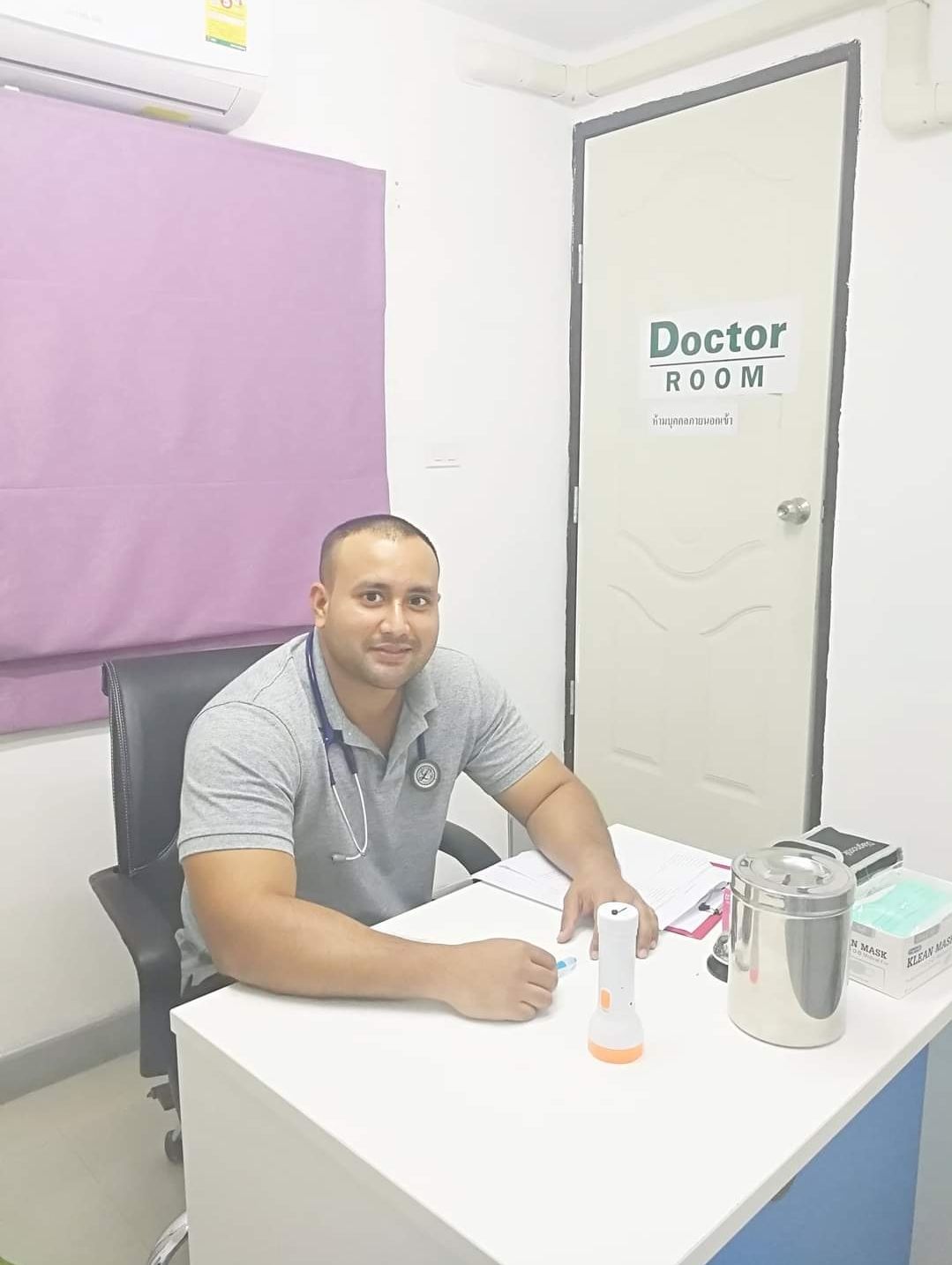
Dr. Ponlawat Pitsuwan is a physician at Doctor Bangkok, a private clinic in central Bangkok. He sees expats, residents, and medical tourists for general medicine, wellness consultations, and IV therapy. His focus is straightforward, evidence-based care delivered in plain language.