
Clinically reviewed by Dr. Ponlawat Pitsuwan, Physician, Doctor Bangkok.
Last reviewed: October 2026
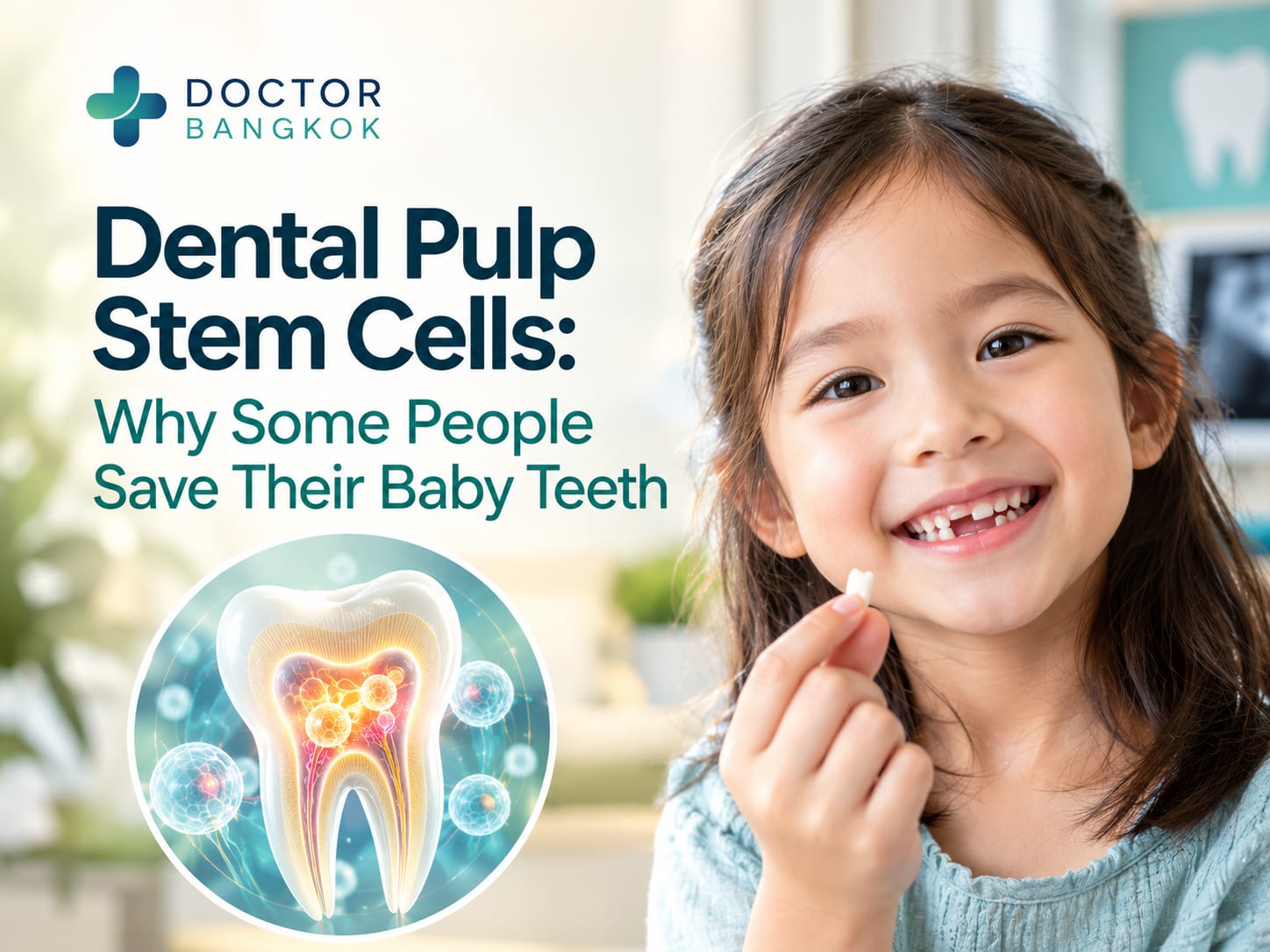
Dental pulp stem cells are living cells found inside teeth. They can be harvested from baby teeth or wisdom teeth and stored long-term for potential future medical use. The science is real and growing, but most therapeutic applications are still in clinical trial phases. A physician consultation before committing to a banking programme helps parents make a genuinely informed decision.
If your child has started losing baby teeth and someone has mentioned stem cell banking, you are probably reading this on your phone during lunch or between school pickups. The short answer: yes, the science behind dental pulp stem cells is real. No, it is not a cure for everything that banking companies sometimes imply. Here is what you actually need to know before deciding.
The teeth in your child’s mouth right now contain something useful. The soft tissue inside each tooth, called the dental pulp, holds stem cells that can potentially grow into bone, nerve, cartilage, and other tissue types. Once that tooth is gone, that opportunity is gone too. Whether banking those cells makes sense for your family depends on timing, evidence, and some honest thinking about what these cells can and cannot currently do.

What Are Dental Pulp Stem Cells?
The pulp inside a tooth is not just filler. It contains a type of stem cell that can develop into several different tissue types. These dental pulp stem cells, or DPSCs, come from the same embryonic tissue that forms nerves, bone, and cartilage in the head and face. That origin is part of what makes them useful to researchers.
They are also relatively straightforward to collect compared to bone marrow stem cells. They are multipotent, meaning they can become more than one type of specialised cell. That versatility has attracted serious research attention in regenerative medicine over the past two decades.
DPSC vs SHED: What Is the Difference and Does It Matter?
This distinction matters more than most banking company websites let on. DPSCs come from permanent teeth, most commonly wisdom teeth removed during extraction. SHED stands for stem cells from human exfoliated deciduous teeth, meaning baby teeth that fall out naturally.
SHED cells tend to be more abundant and show higher flexibility in early research. Collection is completely non-invasive because the tooth has already come out. DPSCs from wisdom teeth require an extraction procedure but offer a later banking window for anyone who missed the baby tooth stage. If your child is roughly between five and twelve and losing baby teeth, that is your SHED window. Do not wait until it has passed.

When Is the Right Time to Bank Dental Pulp Stem Cells?
Timing is the part most banking websites gloss over. For baby teeth, the window is roughly ages five to twelve. The tooth must still have a blood supply at collection. A tooth sitting on the bathroom shelf for a day is unlikely to yield viable cells.
Orthodontic extractions are a good opportunity that parents often miss. If your child’s dentist is pulling teeth to make space for braces, those extracted teeth can go to a banking lab instead of being discarded. For adults, wisdom tooth removal is often the last realistic chance, and cell quality does decline with age, so earlier is generally better.
How the Banking Process Works
The tooth goes into a transport kit provided by the banking company, usually a sterile solution that keeps the pulp cells alive during transit. Most providers require the tooth to reach the processing lab within a set number of hours. The pulp tissue is then isolated, cells are extracted, and viability testing checks whether enough cells survived.
This is the part most companies do not advertise clearly: not every submitted tooth produces a successful bank. If the tooth was too dry, damaged, or delivered too slowly, the cells may not be viable. Reputable providers will tell you the result. Cells are stored in liquid nitrogen at around negative 196 degrees Celsius, divided across multiple tubes so a single storage failure does not destroy the entire sample. Ask any provider for their published viability and recovery rates before signing anything.
What Could Dental Pulp Stem Cells Actually Be Used For?
This is where I want to be straight with you, because some Thai banking providers and international companies have made claims that outrun the science considerably.
Dental and bone applications have the most credible research behind them right now. These include tooth and periodontal tissue repair, bone grafting, and dentin-pulp regeneration after injury. There is also meaningful early-stage research into neurological repair, based on the origin of these cells in embryonic nerve tissue.
Claims about autism, HIV, and diabetes have been flagged by independent researchers and a BMJ investigation as unsupported by adequate clinical trial data. That does not mean the research will not progress. It means those claims should not be the reason you bank. Base your decision on what the science currently supports, not on what a marketing brochure promises.
Dental Pulp Stem Cells Compared to Other Sources
Cord blood is the most commonly banked stem cell source and has the longest clinical track record. It is harvested at birth, which means that window is either taken or missed. Dental pulp stem cells offer a second chance years later, which is genuinely useful for families who did not bank cord blood.
Bone marrow is the other established source, but harvesting it is invasive and painful. SHED collection from baby teeth involves no additional procedure at all. One practical advantage of banking from your own child’s body is that immune rejection risk is essentially eliminated if those cells are ever used therapeutically.
Regulation and What to Ask Before You Sign Up
Thailand has a regulatory framework for advanced therapy medicinal products overseen by the Thai FDA. Banking is the storage part. The clinical application of those cells at a future date is more tightly regulated, and the rules governing therapeutic use are still evolving in Thailand and globally.
Before committing to any provider, ask these questions directly. What are your published viability rates after initial processing? What are your long-term storage recovery rates? What accreditation does your lab hold? What happens to my child’s cells if your company closes? What peer-reviewed citations support each therapeutic claim you are making? A company that cannot answer these questions clearly is not one worth trusting with a long-term biological deposit.
Getting Independent Advice in Bangkok Before You Commit
Most banking decisions are made after reading a company’s own website. That is a conflict of interest built into the process: the people explaining the science are also selling the service.
At Doctor Bangkok, we offer an independent physician consultation before you commit to anything. Our English-speaking doctors can review your child’s dental timeline, discuss whether SHED or DPSC banking suits their age and situation, and give you an honest read on the current evidence. We have no commercial relationship with any specific banking provider. You can find more detail on our dental pulp stem cell banking page.
For expats in Bangkok, this kind of consultation is hard to find elsewhere: clinical, independent, and in your language. If you are visiting as a medical tourist and considering banking while you are here, we can help you understand what to look for in a local provider and what to ask before any contract is signed.
Thinking about dental pulp stem cell banking for your child or yourself? Doctor Bangkok offers independent physician consultations in English to help you understand your options, assess the evidence, and decide whether banking is right for your family. We serve expats, residents, and visitors across Bangkok. BTS accessible. Book a consultation at Doctor Bangkok today.
FAQ
Dr. Ponlawat Pitsuwan
Physician, Doctor Bangkok
a private medical clinic in central Bangkok. He sees expats, residents, and medical tourists for general consultations, health assessments, and questions about stem cell banking and regenerative medicine. His focus is evidence-based care delivered in plain language.
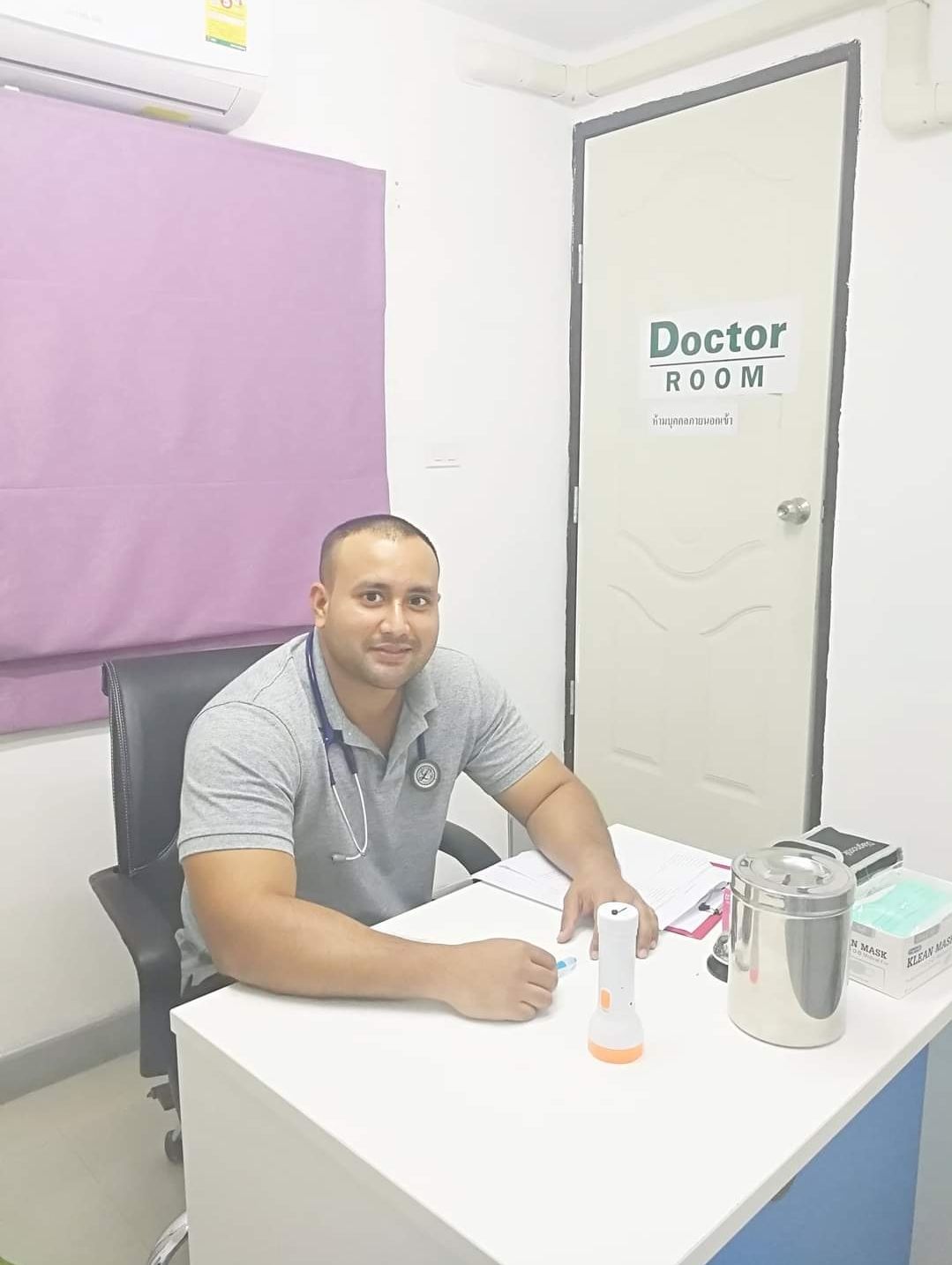
Dr. Ponlawat Pitsuwan is a physician at Doctor Bangkok, a private clinic in central Bangkok. He sees expats, residents, and medical tourists for general medicine, wellness consultations, and IV therapy. His focus is straightforward, evidence-based care delivered in plain language.