
Clinically reviewed by Dr. Ponlawat Pitsuwan, Physician, Doctor Bangkok. Last reviewed: September 2026
Cancer stem cells are a small group of cells inside a tumour that resist chemotherapy and drive cancer recurrence. Stem cell therapy is something different: a treatment used in blood cancers to rebuild the immune system after high-dose chemotherapy. Confusing the two is common and understandable. This article separates them clearly and explains what the current evidence actually supports.
I see this question at least once a week. A patient comes in, cancer history in hand, having read something online about stem cell therapy in Bangkok. The question underneath the question is almost always the same: can stem cells cure my cancer? The honest answer depends entirely on which cancer you have and which type of stem cells we are talking about.
These are two very different things. Most of what you read online blurs them together. Cancer stem cells are a problem inside your tumour. Stem cell therapy is a clinical tool. Getting that distinction right matters before you make any decisions, especially if you are an expat or medical tourist in Bangkok, where private clinics actively market stem cell treatments to international patients.
Cancer Stem Cells and Stem Cell Therapy Are Not the Same Thing
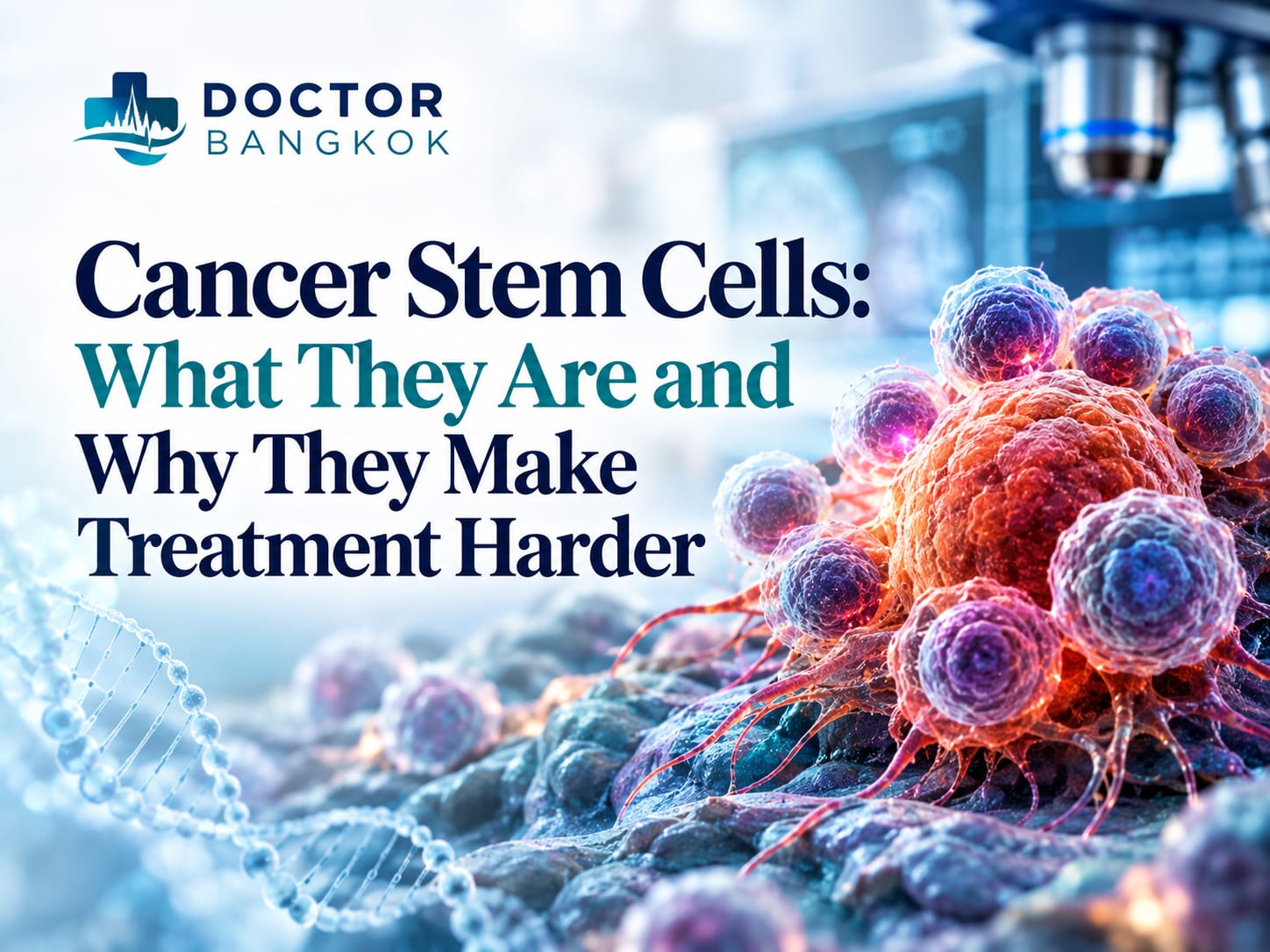
Cancer stem cells are a small subset of cells within a tumour. They can copy themselves indefinitely, produce new tumour cells, and survive treatments that kill everything else around them. They are the reason cancer comes back.
Stem cell therapy means transplanting healthy stem cells into a patient. For cancer treatment, this almost always means a haematopoietic stem cell transplant, a procedure that rebuilds the immune system after high-dose chemotherapy. The stem cells here are not targeting cancer stem cells directly. They are rebuilding your blood and immune system from scratch.
One is the enemy. The other is a clinical tool. They share a name and almost nothing else.
Why Cancer Keeps Coming Back
Standard chemotherapy targets cells that divide rapidly. Most cancer cells do divide rapidly, so chemotherapy works on them. Cancer stem cells often divide slowly, sitting quietly during treatment and surviving what kills everything else around them.
This is the leading explanation for why many patients achieve remission and then relapse. The bulk of the tumour shrank. The cancer stem cells did not. These cells also have built-in survival mechanisms that standard treatments do not reliably reach, which is one of the most active problems in oncology research right now.
Which Cancers Can Actually Be Treated with Stem Cell Transplants
The honest answer is: mainly blood cancers. Leukaemia, lymphoma, and multiple myeloma are the established indications for haematopoietic stem cell transplants. In an allogeneic transplant, donor stem cells are used, and the new immune system can seek out and destroy remaining cancer cells. For some patients, this offers a genuine chance of long-term remission or cure.
Solid tumours are a different story. Breast cancer, lung cancer, colon cancer, and pancreatic cancer are not standard indications for stem cell transplants. Research is ongoing, but the evidence is not strong enough to recommend this approach outside of clinical trials.
If a private clinic in Bangkok is offering stem cell therapy as a cure for a solid tumour, that claim goes well beyond what current evidence supports. This is exactly the kind of thing worth discussing with an independent physician before committing to anything.
Stem Cell Therapy in Bangkok: What Is and Is Not Regulated
Major Bangkok hospitals perform haematopoietic stem cell transplants for blood cancers under specialist haematology care. That is a well-established, regulated procedure.
Regenerative stem cell therapies offered by private wellness clinics are a separate category. Thailand’s regulatory framework for these advanced therapies was still being developed through 2025 and 2026. Some clinics were operating ahead of that framework, and not all were transparent about it.
There is also a clinical safety point that many Bangkok clinic websites do not state clearly. Active cancer is generally a contraindication for regenerative stem cell protocols. If you have active cancer or a recent cancer history, many wellness-oriented stem cell treatments are not appropriate for you, regardless of what the marketing says.
Emerging Therapies That Target Cancer Stem Cells
Researchers are working on treatments that go after cancer stem cells specifically, rather than the broader tumour. A few are showing real promise.
CAR T-cell therapy involves engineering a patient’s own immune cells to recognise and attack specific cancer cells, and it is already approved for certain blood cancers. Immune checkpoint inhibitors are another class, drugs that allow the immune system to better target cancer cells that would otherwise evade it. Dendritic cell vaccines, which train the immune system to recognise tumour-specific targets, are also under investigation.
None of these are standard treatment for most cancers yet. But they represent where oncology is heading, and they are the kind of emerging options worth discussing with a specialist, not a wellness clinic.
Getting a Straight Answer in Bangkok Before You Decide Anything
If you are in Bangkok with a cancer history and someone is recommending stem cell therapy, the most useful thing you can do is talk to an independent physician first. Not the clinic selling the treatment. Someone who has no financial stake in what you decide.
At Doctor Bangkok, we see patients in exactly this situation. They have been through treatment abroad or locally, they are researching their options, and they want a clinical conversation in English with someone who will give them a straight answer. We can review your history, explain what the evidence actually supports for your cancer type, and refer you to the right oncology or haematology team if that is what you need.
That conversation, grounded in evidence and free from commercial pressure, is the right starting point. You can read more about how we approach this on our stem cell therapy page.
Exploring stem cell therapy for cancer in Bangkok? Come in for a consultation at Doctor Bangkok before making any decisions. We offer English-language medical consultations for expats and medical tourists at our central Bangkok clinic, BTS accessible. We will review your history, explain what the evidence supports for your specific situation, and help you ask the right questions before you commit to any treatment. Book through doctorbangkok.co.th.
FAQ
Dr. Ponlawat Pitsuwan
Physician, Doctor Bangkok
a private medical clinic in central Bangkok. He sees expats, residents, and medical tourists seeking clinical guidance on cancer histories, treatment options, stem cell therapy questions, and general health assessments. His focus is straightforward, evidence-based care delivered in plain language.
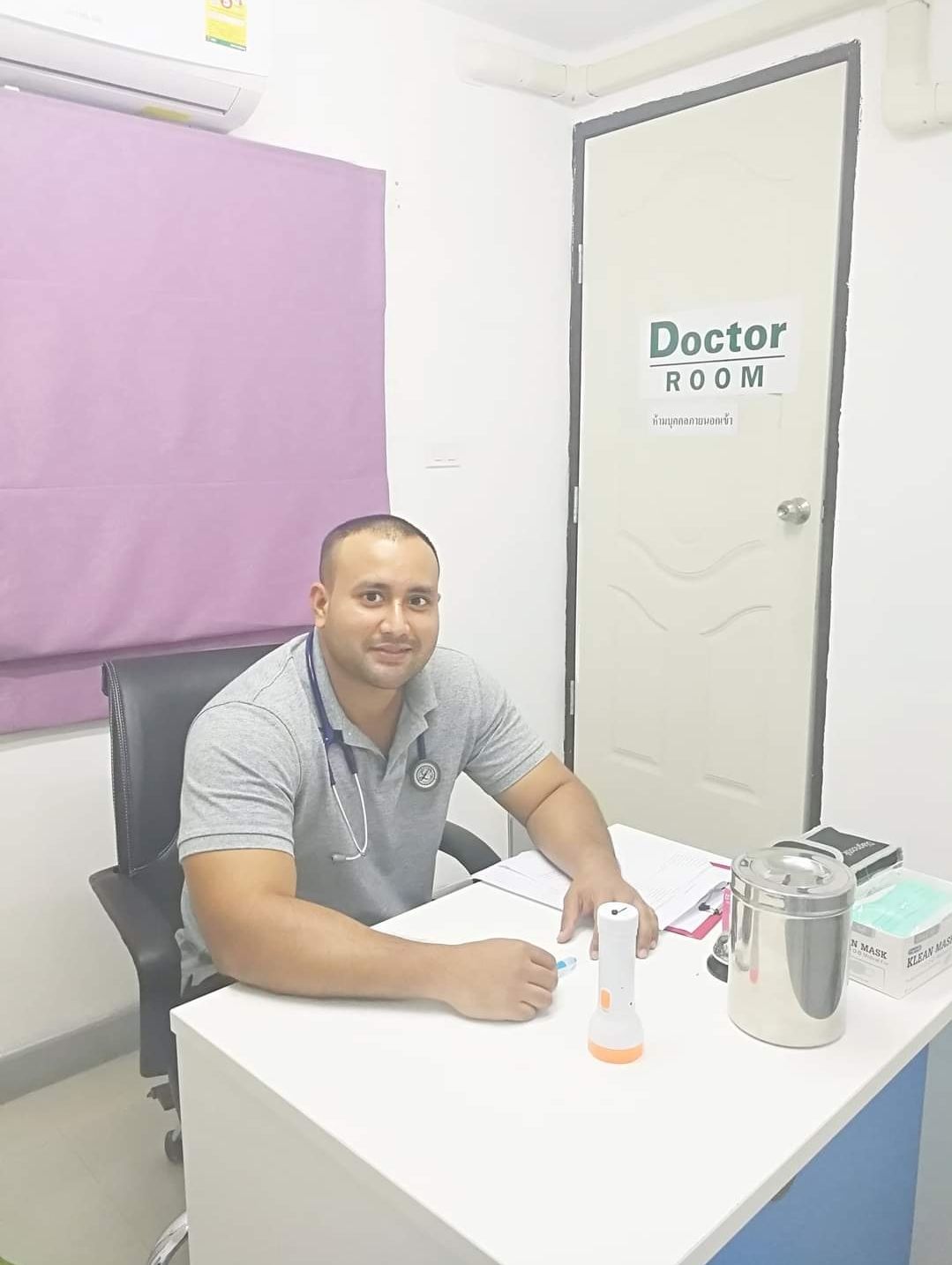
Dr. Ponlawat Pitsuwan is a physician at Doctor Bangkok, a private clinic in central Bangkok. He sees expats, residents, and medical tourists for general medicine, wellness consultations, and IV therapy. His focus is straightforward, evidence-based care delivered in plain language.