
Clinically reviewed by Dr. Ponlawat Pitsuwan, Physician, Doctor Bangkok.
Last reviewed: November 2026
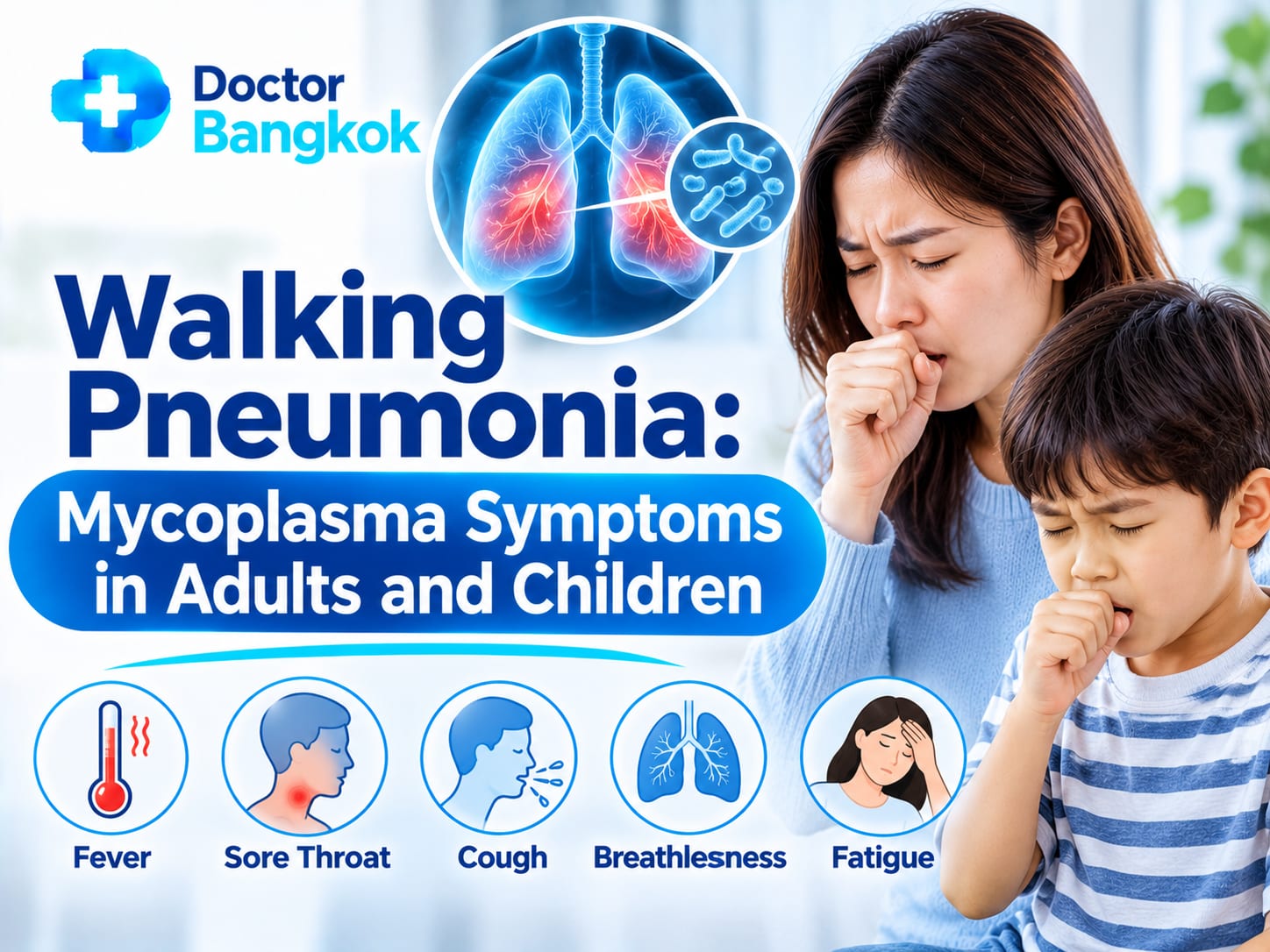
Walking pneumonia is a mild lung infection caused most often by Mycoplasma pneumoniae. It spreads through respiratory droplets and causes a persistent cough, low-grade fever, and fatigue that can last for weeks. Standard antibiotics like amoxicillin do not work because Mycoplasma lacks a cell wall. The correct treatment is a macrolide antibiotic such as azithromycin, or doxycycline in adults.
You have had a cough for two weeks. You are still going to work, still making meetings, still functioning. But you are exhausted, running a mild fever that keeps coming back, and the cough will not quit.
That is the pattern that makes walking pneumonia easy to dismiss and slow to diagnose. The name fits: most people with this infection keep walking around, assuming it is a stubborn cold. It usually is not dangerous in otherwise healthy adults, but it does not resolve as quickly as a cold. Without the right antibiotic, it can drag on for a month or more. Getting assessed early is the faster route back to feeling normal.

What Walking Pneumonia Is
Walking pneumonia is a low-severity lung infection, usually caused by Mycoplasma pneumoniae. It is sometimes called atypical pneumonia, to separate it from the severe, hospital-grade pneumonia caused by bacteria like Streptococcus pneumoniae. Atypical means the symptoms are milder and the chest X-ray findings are often less obvious. Most people do not end up in hospital.
Mycoplasma behaves differently from most bacteria because it has no cell wall. That matters because most common antibiotics attack the bacterial cell wall, and Mycoplasma simply does not have one to act on.
In Bangkok, this is easy to confuse with a prolonged flu, a sinus infection, or early dengue. If you have been here a few months and a respiratory illness just will not shift, get it properly assessed rather than waiting it out.
Symptoms That Hang Around
A dry, persistent cough is the most common complaint. It tends to come on gradually, not suddenly, and it does not clear after a week the way a typical viral cold does.
Low-grade fever, fatigue, mild headache, and a sore throat often appear first. Chest tightness or a mild ache can develop as the infection settles deeper. Some people feel well enough to push through the day, then collapse into exhaustion by evening.
Serious complications are uncommon but do occur. Mycoplasma infection is rarely linked to haemolytic anaemia, where the body breaks down red blood cells, or to neurological complications including encephalitis. These are not typical outcomes in healthy adults, but they are reasons not to dismiss a prolonged or worsening illness.
Get same-day assessment if you develop: worsening breathlessness, high fever or fever that returns after improving, chest pain, bluish lips or fingernails, confusion, or severe headache.

How Walking Pneumonia Spreads in Bangkok
Mycoplasma pneumoniae travels in respiratory droplets. When an infected person coughs, talks, or breathes near you in a confined space, the droplets carry the bacteria. Close, repeated contact carries the highest risk: households, classrooms, shared offices, and anywhere people spend sustained time together indoors.
Bangkok adds a layer to this. The city’s air-conditioned offices, malls, BTS carriages, and school buildings mean large numbers of people are recirculating indoor air for long stretches of the day. That is a reasonable environment for sustained respiratory transmission.
The time between exposure and symptoms is typically one to four weeks. This matters because someone can be infectious before they feel unwell. A person who seems healthy may already be spreading it.
Testing and Antibiotics for Walking Pneumonia
A chest X-ray is the standard tool for confirming pneumonia. In walking pneumonia, the X-ray changes can be subtle: patchy infiltrates rather than the dense consolidation seen in severe pneumonia. Blood tests including a white cell count and Mycoplasma IgM serology can support the diagnosis, though results vary depending on timing.
The right antibiotics are macrolides: azithromycin and clarithromycin are the most commonly used. In adults, doxycycline is also effective. Antibiotic resistance to macrolides is an increasing concern in parts of Asia, so clinical reassessment matters if you are not improving.
Do not take leftover amoxicillin. It will not work, and it delays the right treatment.
Bangkok also has year-round dengue, influenza, and COVID-19 circulation, all of which can present with fever, fatigue, and respiratory symptoms. Getting a clinical assessment rather than buying antibiotics over the counter is the safer call. If you are unwell in your hotel room, Doctor Bangkok’s doctor-on-call service can come to you, assess you on the spot, and arrange same-day chest imaging referral if needed.
Walking Pneumonia in Children
Children get walking pneumonia more often than adults, and school-age kids are particularly susceptible. It tends to spread efficiently in classrooms and then come home. A child with Mycoplasma infection may have a cough, low fever, and tiredness that looks like a standard cold but persists past the one-week mark.
Younger children under five more often present with wheezing and can be harder to assess at home. Children with asthma can have a significant flare triggered by Mycoplasma infection. If a child with known asthma develops a prolonged respiratory illness, get it assessed promptly rather than managing it at home.
A common question is when a child can go back to school. The general principle is fever-free and well enough to participate before returning. If your child is on antibiotics and improving, check with the treating doctor about timing, especially in international schools where the threshold for exclusion may be higher.
Macrolide antibiotics are the standard treatment for children too, with doses based on weight. Doxycycline is not recommended for young children. Do not give a child adult medication. If you are unsure what you are dealing with, a walk-in clinic or a doctor home visit is a faster route to answers than a pharmacy counter.
When to Come In
If you have had a fever and cough for more than two weeks and are not improving, that is the point to stop waiting. A cough alone that has lasted three weeks or more also warrants a check, even if you feel reasonably well.
The upper respiratory infection page covers related illnesses that can look similar on day one. For anything that feels like it is settling into your chest and not shifting, walking pneumonia is worth ruling in or out properly.
Doctor Bangkok can assess, run relevant blood tests, and arrange chest X-ray referral where the picture calls for it. Walk in any time at Sukhumvit Soi 13, or call the doctor-on-call service if you cannot travel.
Need an assessment today? Doctor Bangkok is open 24/7 at Sukhumvit Soi 13. Walk in any time, no appointment needed, with an English-speaking doctor available around the clock. If you are too unwell to travel, our doctor-on-call service comes to your hotel or condo anywhere in Bangkok and can arrange same-day chest X-ray referral where needed. Visit doctorbangkok.co.th or contact us directly.
Frequently Asked Questions
Dr. Ponlawat Pitsuwan
Physician, Doctor Bangkok
a private medical clinic in central Bangkok open 24 hours a day, seven days a week, with a doctor-on-call service that comes to your hotel or condo within one hour. He sees expats, residents, and medical tourists for respiratory infections, fever assessment, and general medical consultations including walking pneumonia and atypical chest infections. His focus is straightforward, evidence-based care delivered in plain language.
References
- Centers for Disease Control and Prevention. About Mycoplasma pneumoniae Infection. CDC, 2024.
- Centers for Disease Control and Prevention. Clinical Care of Mycoplasma pneumoniae Infection: Antibiotic Treatment and Resistance. CDC, 2024.
- Centers for Disease Control and Prevention. Clinical Features of Mycoplasma pneumoniae Infection. CDC, 2024.
- Waites KB, Xiao L, Liu Y, Balish MF, Atkinson TP. Mycoplasma pneumoniae from the Respiratory Tract and Beyond. Clinical Microbiology Reviews. 2017;30(3):747-809.
- World Health Organization. Pneumonia. WHO Fact Sheet, 2024.
- Cleveland Clinic. Atypical Pneumonia (Walking Pneumonia). Cleveland Clinic Health Library, 2024.
The information in this article is for educational purposes only and does not constitute medical advice. It should not be used to self-diagnose or replace a consultation with a qualified physician. If you have concerns about your health, contact a licensed medical professional. For appointments at Doctor Bangkok, visit doctorbangkok.co.th.
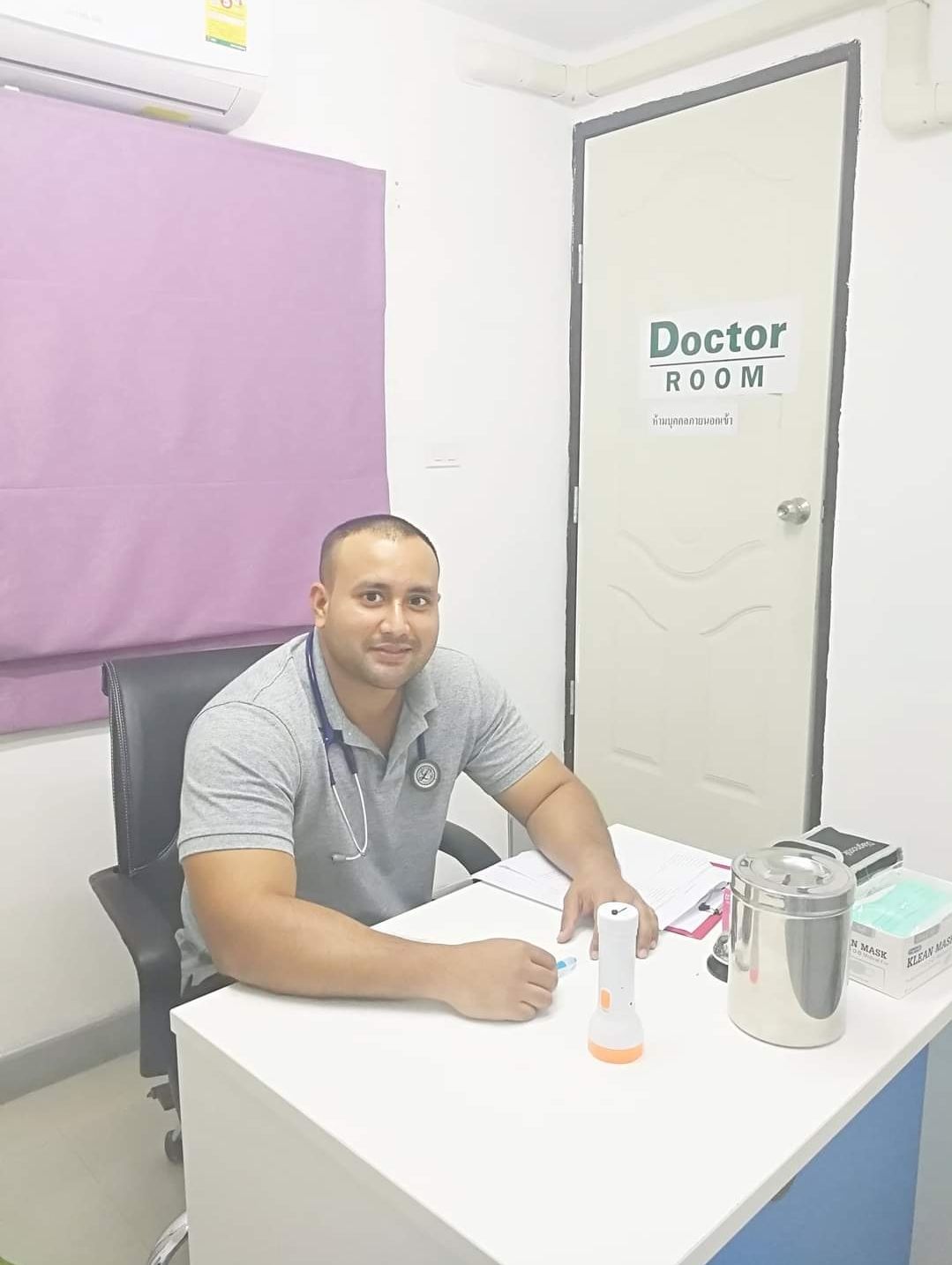
Dr. Ponlawat Pitsuwan is a physician at Doctor Bangkok, a private clinic in central Bangkok. He sees expats, residents, and medical tourists for general medicine, wellness consultations, and IV therapy. His focus is straightforward, evidence-based care delivered in plain language.