
Clinically reviewed by Dr. Ponlawat Pitsuwan, Physician, Doctor Bangkok.
Last reviewed: November 2026
Soi dogs in Bangkok are common, and most are not aggressive. But any bite, scratch, or contact with saliva on broken skin carries a rabies risk and needs prompt medical attention. Wash the wound immediately with soap and running water for at least 15 minutes, then see a doctor the same day. Do not wait to see if symptoms develop. Rabies is fatal once symptoms appear, but post-exposure treatment works if started early.
You are walking a quiet Bangkok soi after dinner. A dog steps out from behind a parked motorbike, stiffens, and lunges. It happens in a second. If that just happened to you, skip ahead to the section on immediate steps. If you are reading this in advance, good. A few minutes now will save you serious stress later.
Most soi dogs are calm and used to people. The problem is you cannot tell at a glance which ones carry rabies, which are territorial, and which have been vaccinated. If you are spending more than a few weeks in Bangkok, knowing what to do before anything happens is worth your time. And if you already have the pre-exposure rabies vaccine, a bite still needs attention, but it simplifies the whole process considerably.

Why Bangkok Has So Many Street Dogs
Bangkok’s street dog population is the result of a few converging factors. Abandoned pets, temple communities that accept and feed strays, and inconsistent animal control enforcement all play a role. The Bangkok Metropolitan Administration runs a catch-neuter-vaccinate-return programme, but coverage across the city is uneven.
New dogs are regularly abandoned or move into areas where food is available. The result is a mix of semi-tame community dogs and more reactive animals with less human contact.
Areas and Times to Be Careful Around Soi Dogs in Bangkok
Risk varies by location and time of day. Residential back streets, construction sites, temple grounds, markets, and areas near food stalls tend to have higher dog concentrations. Dogs are most reactive at night, when territorial behaviour increases. If you are walking after dark on a quiet soi, stay alert.
The Bangkok Metropolitan Administration has issued district-level rabies alerts across both central and outer areas of the city, including Prawet. These alerts confirm that rabies circulates in Bangkok’s street dog population and is not just a rural concern. If you live here or visit regularly, treat any bite anywhere in the city as a potential rabies exposure.
How to Avoid Being Bitten
The simplest rule: do not approach street dogs, even ones that look calm and familiar. Dogs that are relaxed around regular feeders can react unpredictably to strangers.
If a dog approaches you, stop walking, stay calm, and avoid direct eye contact. Do not run. Running triggers a chase response. Back away slowly, keeping the dog in your peripheral vision without staring at it. If you have a bag, water bottle, or umbrella, hold it out to the side as a low barrier. Do not crouch down.
If you are surrounded by a pack, face the most aggressive animal and move steadily toward an open door or anything elevated. Speaking in a low, even voice can reduce escalation. The goal is to give the dog a reason to lose interest.
Joggers, Cyclists and Motorbikes
Running and cycling create a specific problem. Movement at speed triggers chase instinct in dogs that might otherwise ignore you. If you jog regularly in Bangkok, pick routes with good lighting and steady pedestrian traffic. Quiet residential sois at dawn or dusk carry the highest risk.
If a dog starts chasing you while running, do not sprint. Stop, turn to face it, and hold your ground. This breaks the chase dynamic in most cases. Carry something in your hand, a small water bottle or folded map, that you can hold out as a distraction. For cyclists, the specific danger is not just a bite but swerving to avoid a dog and crashing. Slow down and hold a straight line. Pack escalation is real: one dog that barks will often bring others into the chase.
Immediate Steps After a Soi Dog Bite in Bangkok
Do not wait to see how it looks in the morning.
Wash the wound right away with soap and running water for at least 15 minutes. This reduces the amount of virus that can enter the wound. After washing, apply an antiseptic such as povidone-iodine or ethanol if you have it. Then get to a doctor the same day.
The WHO classifies animal bites into three categories. Category I is contact with intact skin only, no break, no saliva on open skin, no treatment needed. Category II is minor scratches or abrasions with no bleeding, which requires wound washing and the rabies vaccine, with no immunoglobulin needed. Category III is any bite that breaks the skin and bleeds, any scratch that bleeds, or any contact between animal saliva and mucous membranes. Category III requires both the rabies vaccine and rabies immunoglobulin (RIG), given into and around the wound site. Most bites people describe as minor are actually Category II or III.
If you had the pre-exposure rabies vaccine before the bite, your post-bite course is shorter: two vaccine doses on days zero and three, no immunoglobulin required. If you have not been vaccinated, the full post-exposure course is four doses, plus RIG if the bite is Category III. Any wound that breaks the skin also warrants a check on your tetanus vaccination status. People who are immunocompromised may need a different vaccine schedule and should tell the doctor before starting treatment. Doctor Bangkok can assess both at the same visit.
If you cannot travel, particularly at night or if the wound is severe, Doctor Bangkok’s doctor-on-call service can reach most central Bangkok hotels and condos within one hour. The doctor can clean the wound, assess the bite category, begin wound care, and advise on the full post-exposure prophylaxis schedule.
What Happens If You Do Nothing
Rabies is almost always fatal once symptoms appear. The gap between a bite and the first symptoms is typically weeks to months, which makes it easy to dismiss an event that felt minor at the time. By the time neurological symptoms begin, treatment cannot change the outcome.
The window for post-exposure treatment works because you act before the virus reaches the nervous system. This is why every guideline says: same day, not tomorrow, not after the weekend. The treatment itself is a vaccine injection on a schedule, and it works extremely well when started promptly. Waiting is the only thing that makes it dangerous.
Pre-Exposure Vaccination for Expats and Regular Visitors
If you live in Bangkok, visit regularly, or spend time in areas with street dogs, the pre-exposure rabies vaccine is worth considering. The standard schedule is two doses, given on day zero and day seven. It does not eliminate the need for post-bite treatment, but it changes the post-bite course significantly: two doses instead of four, no immunoglobulin, and more time to reach a clinic without panic.
For expat families, this matters most for children. Children tend to be bitten on the face, neck, and hands because of their height and the way they interact with animals. Bites in those locations carry a higher risk and may require immunoglobulin injected near the wound site, which is more complicated with facial bites. Getting children vaccinated before any exposure is the most practical step a family living in Bangkok can take.
The rabies vaccine is available at Doctor Bangkok with same-day walk-in access at the Sukhumvit 13 clinic, or via the doctor-on-call service. More detail on the schedule is at that link.
Reporting Aggressive Dogs in Bangkok
If a dog has bitten you or behaved aggressively, report it to the Bangkok Metropolitan Administration via their hotline (1555) or the local district office. This creates a record and can prompt a follow-up with the animal. If the dog can be observed for 10 days after the bite without dying, this provides useful information about rabies status, though it does not change the need for immediate post-exposure treatment.
For temple dogs specifically, speak to the temple staff or abbot. Many temples work with animal welfare groups that coordinate vaccination and sterilisation. Reporting a problem animal helps the people managing that population address it.
Been bitten or scratched by a soi dog in Bangkok?
>
Doctor Bangkok is open 24 hours a day, 7 days a week, with walk-in access at Trendy Office, Soi Sukhumvit 13. If you cannot travel, a doctor can come to your hotel or condo in central Bangkok within one hour, day or night. The same service covers pre-exposure rabies vaccination for expats, long-stay visitors, and families. For wound care and bite assessment or the full post-exposure vaccine course, contact Doctor Bangkok now. Travel insurance accepted at our walk-in clinic.
FAQ
Dr. Ponlawat Pitsuwan
Physician, Doctor Bangkok
a private medical clinic at Trendy Office, Soi Sukhumvit 13, Bangkok, open 24 hours a day, 7 days a week. He sees expats, residents, and medical tourists for animal bite assessment, wound care, rabies post-exposure prophylaxis, and pre-exposure vaccination. His approach is evidence-based care delivered in plain language.
References
- World Health Organization. Rabies vaccines: WHO position paper – April 2018. Weekly Epidemiological Record No. 16, 2018, 93, 201–220.
- Centers for Disease Control and Prevention. Rabies: Pre-exposure Prophylaxis (PrEP). CDC, 2024.
- Centers for Disease Control and Prevention. Rabies: Post-Exposure Prophylaxis (PEP). CDC, 2024.
- Centers for Disease Control and Prevention. Clinical Features of Rabies. CDC, 2024.
- O’Brien KL, Nolan T. The WHO position on rabies immunization – 2018 updates. Vaccine, 2019; 37 Suppl 1:A85-A91. PMID 31753536.
- World Health Organization. Rabies: Key facts and post-exposure prophylaxis. WHO Fact Sheet, 2023.
The information in this article is for educational purposes only and does not constitute medical advice. It should not be used to self-diagnose or replace a consultation with a qualified physician. If you have concerns about your health, contact a licensed medical professional. For appointments at Doctor Bangkok, visit doctorbangkok.co.th.
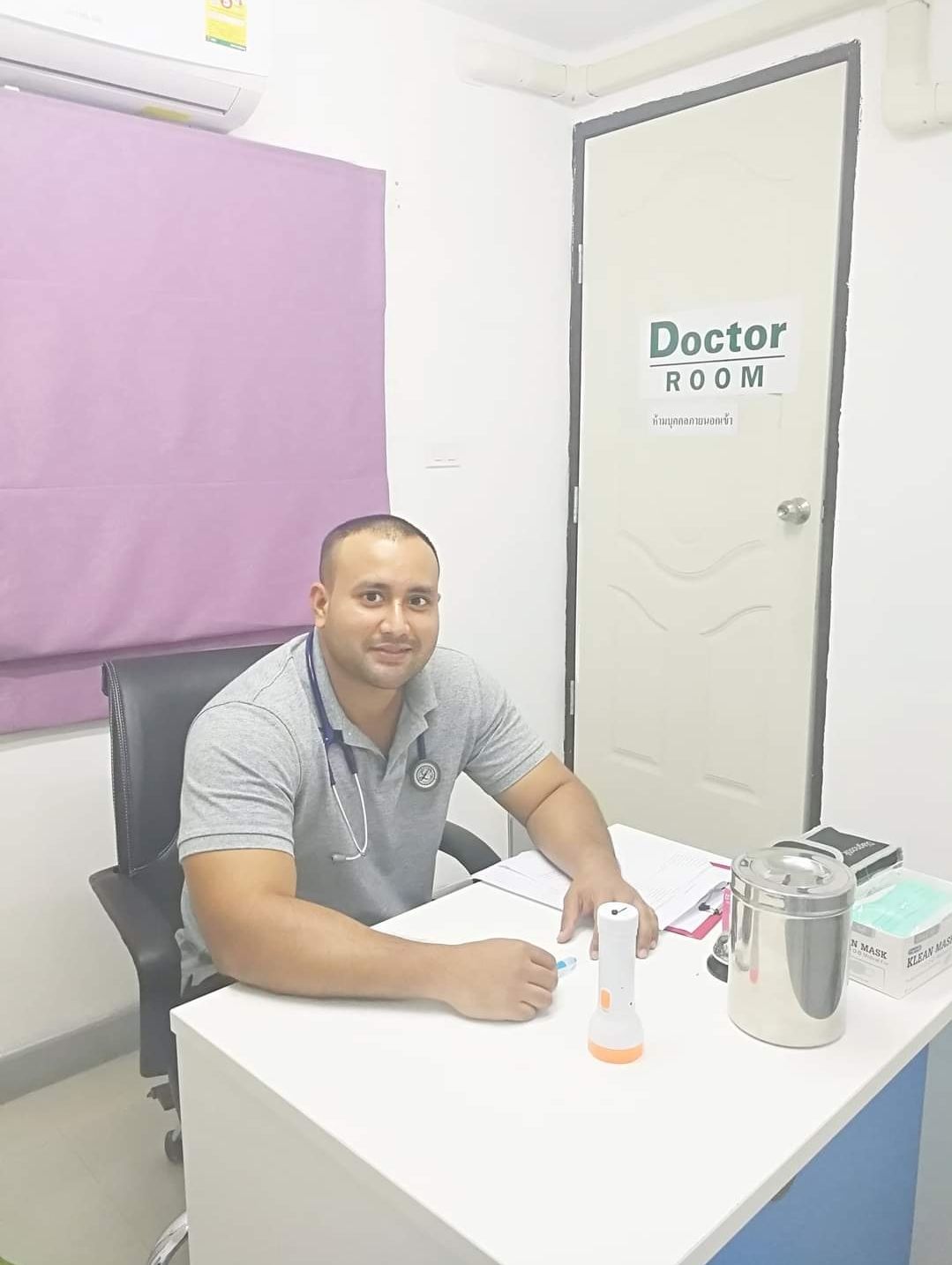
Dr. Ponlawat Pitsuwan is a physician at Doctor Bangkok, a private clinic in central Bangkok. He sees expats, residents, and medical tourists for general medicine, wellness consultations, and IV therapy. His focus is straightforward, evidence-based care delivered in plain language.