


Clinically reviewed by Dr. Ponlawat Pitsuwan, Physician, Doctor Bangkok.
Last reviewed: November 2026
If you started a rabies vaccine course in another country and you are now in Bangkok, you can continue your remaining doses here without restarting from scratch. Bring your vaccination record showing the vaccine name, route, and dates. Doctor Bangkok can continue both pre-exposure and post-exposure courses, same day, using WHO-approved cell culture vaccines.
You got bitten in Bali, started shots in Delhi, or began a pre-travel course in London and ran out of time before dose three. Now you are in Bangkok and your next dose is due. Your course does not reset because you crossed a border.
What does matter is what you bring with you, which vaccine you had, and whether this is post-exposure prophylaxis (PEP, meaning you were actually bitten or scratched) or pre-exposure prophylaxis (PrEP, meaning you are vaccinating ahead of potential exposure). Those two things change how urgently you need to act.
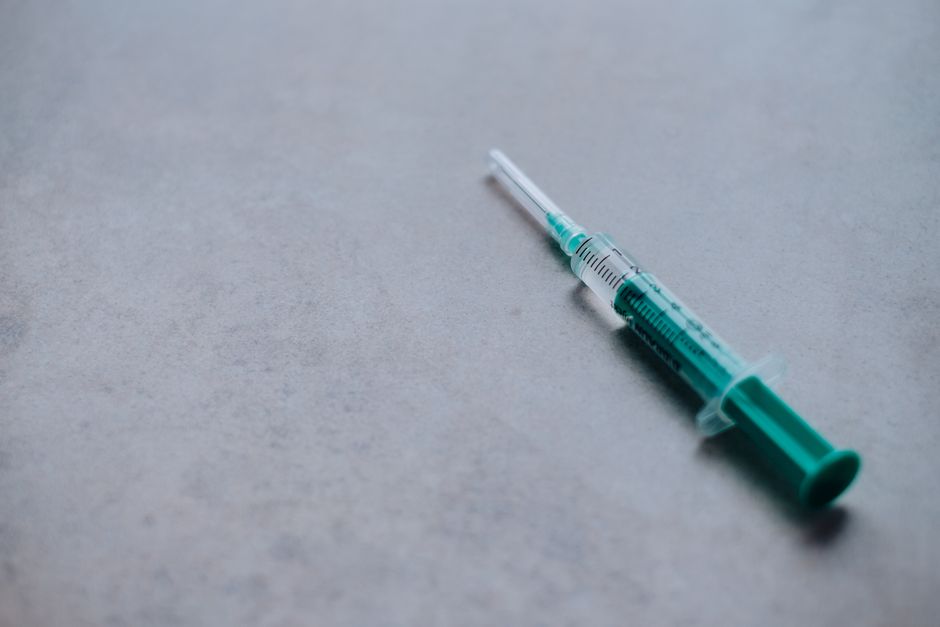
Bring Your Vaccination Record
Your vaccination record is the single most useful thing you can carry into the clinic. The treating doctor needs to know the vaccine name, the route it was given (intramuscular or intradermal), the dates of each dose, and whether rabies immunoglobulin (RIG) was given on day zero.
RIG is a one-time injection given only at the first visit for WHO Category III exposures in immunocompetent people. Category II exposures require vaccine only, without RIG, unless the patient is immunocompromised. Category II means nibbling of uncovered skin, or minor scratches or abrasions without bleeding. Category III means transdermal bites or scratches, licks on broken skin, or contamination of mucous membranes with saliva. If RIG was given correctly abroad, it does not need to be repeated here. If it was needed but never given, your doctor will assess whether it can still be administered based on how far into the course you are.
One thing worth flagging: if your course started in India or certain other countries, your doctor may ask which specific vaccine was used. Courses started with nerve tissue-derived vaccines, an older type still used in a small number of countries, are not interchangeable with modern cell culture vaccines. Those prior doses may not count, and a full restart could be required. This is not common, but it matters if it applies to you.
A titre test, which measures the level of rabies antibodies in your blood, may be recommended if there is genuine doubt about whether your earlier doses produced an adequate immune response. Your doctor will advise if this applies.
What If Your Record Is Incomplete or Missing?
Lost records change the clinical picture. If you cannot confirm the vaccine name, the number of doses, the route, or the dates, your doctor cannot safely assume a continuation schedule. Two options exist: an antibody titre test to check whether you have already built meaningful immunity, or restarting the course from dose one.
Photograph or scan your vaccination card after every dose. It takes ten seconds and prevents this problem entirely.
If your records are written in a language other than English or Thai, bring them anyway. A photo of the original vaccine packaging is also helpful, as the brand name is usually visible. If you had your shots in India, Vietnam, the Philippines, or another country where documentation standards vary, do not assume the records will be accepted without review. Come in and let the doctor assess what is usable.

Pre-Exposure Versus Post-Exposure: Why It Changes Everything
This is the distinction that matters most, and it is the one most often missed.
If you are completing a PrEP course and have not been bitten, a delayed dose is inconvenient but not a medical emergency. The schedule can be adjusted, and you have time to book without urgency.
If you are mid-course on PEP, a delayed dose is clinically significant. WHO guidance states that a missed PEP dose should be given as soon as possible, with the schedule continuing from that point rather than restarting. Any delay in PEP warrants same-day contact with a doctor. Rabies is fatal once symptoms appear. This is one situation where acting the same day is the right call, not waiting to see how you feel.
When You Need More Than Just the Next Dose
Some situations require a full clinical reassessment, not just the next injection. Specifically: if your original exposure was Category III and you are not certain RIG was given on day zero; if the first vaccine used was a nerve tissue type; or if there is genuine uncertainty about whether you had a real exposure at all.
If any of those apply, tell the doctor at the start of the consultation. Do not present it as a simple continuation. The doctor may review your wound history, check your documentation, and decide whether the original management was adequate before proceeding.
For patients who sustained a bite or scratch from a street animal in Bangkok and need wound assessment alongside vaccination, the animal bites in Bangkok page has more detail on what that consultation involves.
Mixing Vaccine Brands Mid-Course
Switching between WHO-approved cell culture-derived rabies vaccines mid-course is acceptable per international guidance. In Bangkok, the vaccines most commonly available are Verorab (Sanofi Pasteur) and Rabipur (also known as Rabavert, manufactured by Bavarian Nordic). Both are cell culture vaccines and both are considered interchangeable within an ongoing course.
If you started with Verorab in Cambodia and need your next dose here, the immune response you have already built is not lost. The brand change does not affect the schedule.
What is not interchangeable is a nerve tissue-derived vaccine with a cell culture vaccine. If there is any chance your earlier doses were nerve tissue-derived, flag this clearly. Your doctor will advise whether a restart is appropriate.
IM Versus Intradermal Schedules
The intramuscular (IM) route means the vaccine is injected into the muscle, usually the upper arm. The intradermal (ID) route uses a much smaller volume injected just under the skin, typically at two sites per visit. Both routes are WHO-approved for rabies.
For RIG, there is no intradermal option. RIG is always given intramuscularly or infiltrated around the wound site on day zero.
If you had ID dosing abroad, confirm this with your doctor before continuing. The volume and technique differ from IM, and the doctor needs to know which route to use. Doctor Bangkok can advise on route continuation based on your records.
Booking Your Remaining Rabies Doses in Bangkok
If your next dose is due today and you are mid-PEP course, same-day access matters. Doctor Bangkok’s Sukhumvit clinic on Soi 13 is open 24 hours, with no appointment needed, and is a short walk from BTS Nana. For anything that falls between meetings or before a flight, walk straight in.
If you are staying in a hotel or serviced apartment and prefer not to travel, the doctor at your hotel or home in Bangkok service can come to your location in central Bangkok. IM rabies doses can be administered in-room by a qualified physician. Have your vaccination record ready when the doctor arrives.
For post-exposure cases where the next dose is overdue, same-day contact is the right approach. Use the contact page or call directly to confirm same-day availability. You can also read more about the full rabies vaccination service in Bangkok if you want to know what to expect before you arrive.
Need your next rabies dose in Bangkok? Doctor Bangkok continues pre-exposure and post-exposure courses 24 hours a day, 7 days a week. Walk in to our Sukhumvit clinic on Soi 13, or book a doctor-on-call visit to your hotel or condo. Bring your vaccination record if you have it. If your records are incomplete, come in anyway and we will assess your situation. For post-exposure cases, do not delay: contact us today at doctorbangkok.co.th.
FAQ
Dr. Ponlawat Pitsuwan
Physician, Doctor Bangkok
a private medical clinic in central Bangkok, open 24/7, with a doctor-on-call service that reaches your hotel or condo within one hour. He sees expats, residents, and medical tourists for rabies post-exposure and pre-exposure vaccine continuation, travel medicine, and general medical consultations.
References
- World Health Organization. Rabies vaccines: WHO position paper. Weekly Epidemiological Record, 2018; 93(16):201-220.
- World Health Organization. WHO expert consultation on rabies: third report. WHO Technical Report Series No. 1012, 2022.
- Fooks AR, et al. Current status of rabies and prospects for elimination. Lancet, 2014; 384(9951):1389-1399. PMC summary of 2018 WHO update.
- GSK. GSK completes divestment of rabies and tick-borne encephalitis vaccines to Bavarian Nordic. Press release, 2020.
The information in this article is for educational purposes only and does not constitute medical advice. It should not be used to self-diagnose or replace a consultation with a qualified physician. If you have concerns about your health, contact a licensed medical professional. For appointments at Doctor Bangkok, visit doctorbangkok.co.th.

Dr. Ponlawat Pitsuwan is a physician at Doctor Bangkok, a private clinic in central Bangkok. He sees expats, residents, and medical tourists for general medicine, wellness consultations, and IV therapy. His focus is straightforward, evidence-based care delivered in plain language.