
Clinically reviewed by Dr. Ponlawat Pitsuwan, Physician, Doctor Bangkok. Last reviewed: August 2026
The HIV window period is the time between exposure and when a test can reliably detect the virus. With a 4th generation lab blood test, that window is 18 to 45 days. A negative result at 45 days is considered highly reliable. Testing earlier can miss an infection, even if it is genuinely there.
You had an exposure. Maybe a condom broke. Maybe you had unprotected sex in Bangkok and you are now sitting with that anxious feeling, Googling at odd hours. The first question everyone asks is: when can I test? The answer depends entirely on which test you use, and most people do not know that.
Testing too early is one of the most common mistakes I see. A patient comes in four days after exposure, gets a negative result, and believes they are in the clear. They are not. The test was simply taken too soon to mean anything. This article tells you exactly how long to wait, which test to use, and what to do if you already tested too early.

What Is the HIV Window Period?
The window period is the gap between getting infected and when a test can actually detect it. During this time, the virus is in your body. You can pass it to others. But the test comes back negative, because the markers it looks for are not yet at detectable levels.
This is not a flaw in the test. Every HIV test has a window period, and the length varies depending on what the test measures. A negative result during the window period tells you almost nothing about your actual status. People walk away reassured when they should still be taking precautions and planning a follow-up test.
HIV Test Types and Their Window Periods
There are three main types of HIV tests, and their window periods are very different.
The RNA or PCR test is the earliest-detecting option available. It looks directly for the virus in your blood. Most infections are detectable within 10 to 33 days after exposure. It is not a routine screening test and costs more, but if you need to know early, it is your best option.
The 4th generation lab blood test is what we use most often for post-exposure testing. It detects two things: a protein the virus produces early on, and your body’s antibodies. Most infections show up within 18 to 45 days. A negative result at 45 days is considered highly reliable by current guidelines.
The antibody-only test, including most rapid fingerprick tests, only looks for your immune system’s response. Your body takes longer to produce enough antibodies to register on these tests, so the window period stretches to 90 days. These tests are fine for routine screening when there is no recent exposure. They are not suitable for early post-exposure testing.
| Test Type | Window Period | Best Use |
|---|---|---|
| RNA / PCR test | 10 to 33 days | Very early post-exposure testing |
| 4th generation lab test | 18 to 45 days | Standard post-exposure testing |
| 4th generation rapid (fingerprick) | Up to 90 days | Less reliable than lab version |
| Antibody-only rapid test | Up to 90 days | Routine screening only |

Symptoms During the Window Period
In the first two to four weeks after infection, viral load is at its highest. This is also when tests are most likely to miss the infection.
Some people develop what feels like a bad flu during this phase: fever, sore throat, swollen glands, muscle aches, fatigue. If you have had a possible exposure and develop symptoms like this two to four weeks later, do not assume it is just a cold. Come in and mention the exposure. The timing matters.
How PrEP and PEP Affect the Window Period
This is something most window period articles miss, and it affects a significant number of people who come through Bangkok clinics.
PEP is a 28-day course of medication taken after a possible exposure. It can delay the appearance of detectable markers in your blood, which effectively extends your window period. Anyone who has completed a PEP course should retest at four to six weeks after finishing, and again at three months.
PrEP is taken before and during potential exposure. If a breakthrough infection occurs while on PrEP, standard window period timelines may not apply. Tell your doctor you are on PrEP before testing. If you are in Bangkok and need to start PEP, you have a 72-hour window from the time of exposure. At Doctor Bangkok, we can assess your exposure risk and start you on PEP the same day.
When to Test After Exposure in Bangkok
If you had a possible exposure in the last 72 hours, do not test yet. Assess whether you need PEP first. That decision must happen within 72 hours, and testing at this stage will not tell you anything useful.
If it has been 10 to 17 days, an RNA or PCR test is your option. A negative still needs confirmation, but a positive is reliable.
If it has been 18 to 45 days, a 4th generation lab test is the right choice. A negative at day 20 is a good sign but not conclusive. Come back at day 45.
If it has been more than 45 days and you used a 4th generation lab test, your negative result is reliable. If you used a rapid antibody-only test, wait until 90 days.
If you have had multiple exposures over several weeks, each one resets the clock. Your doctor needs the full timeline, not just the most recent incident.
What a Negative Result During the Window Period Actually Means
A negative result during the window period does not mean you are HIV negative. It means the test did not find detectable markers yet. There is a difference, and it matters.
Keep using condoms, do not donate blood, and plan your follow-up test. If you are in a higher-risk situation, ask your doctor whether starting PrEP while waiting for a confirmatory result makes sense. The team at Doctor Bangkok can help you think through that decision.
An indeterminate result, where the test shows something but not a clear positive, is uncommon but it happens. It almost always needs a follow-up test. Do not try to interpret it yourself.
The main mistake I see is treating an early negative as certainty and abandoning precautions. The window period is real. It matters.
Getting Tested at Doctor Bangkok
Coming in for an HIV test does not need to feel like a big deal. I see patients for this every week, many of them expats or visitors who want a straight answer from a doctor who speaks their language.
At Doctor Bangkok, we offer 4th generation rapid testing with results available during your appointment, usually within 20 to 30 minutes. We also offer lab-based 4th generation testing with results back within 24 hours, and RNA or PCR testing for patients who need the earliest possible detection window. Every result is discussed with a physician, privately, in English.
We also offer full sexual health screening alongside HIV testing, because co-infections such as syphilis, gonorrhoea, and hepatitis B are relevant to anyone assessing their sexual health risk. We are BTS accessible, in central Bangkok, and same-day appointments are available. If you are a medical tourist or short-stay visitor, we work around your schedule.
Had a possible HIV exposure in Bangkok? Do not wait and worry. At Doctor Bangkok, our English-speaking physicians offer confidential HIV testing, same-day PEP assessment, and full sexual health screening. 4th generation results available during your visit. Same-day appointments. BTS accessible. Visit doctorbangkok.co.th to book.
Frequently Asked Questions
Which HIV test has the shortest window period in Bangkok?
The RNA or PCR test has the shortest window period, detecting most infections from around 10 days after exposure. The standard post-exposure test at Doctor Bangkok is the 4th generation lab blood test, which gives a reliable result by 45 days. Rapid fingerprick tests have a window of up to 90 days and are not suitable for early post-exposure testing.
I tested HIV negative three weeks after a possible exposure. Is my result reliable?
With a 4th generation lab test, a negative at three weeks catches the majority of infections but is not yet conclusive. Retest at 45 days to be confident. If you used a rapid or fingerprick antibody test, you need to wait until 90 days. A doctor at Doctor Bangkok can review your specific test type and exposure details and tell you exactly where you stand.
Does taking PrEP or PEP affect my HIV window period?
Yes. Both can suppress viral activity and delay the appearance of detectable markers, which extends your window period. If you have completed a PEP course, retest at four to six weeks after finishing, and again at three months. Always tell your doctor you have taken PrEP or PEP before interpreting any HIV test result.
Can I transmit HIV to someone else during the window period if my test was negative?
Yes, you can. Viral load is often highest during the early weeks of infection, which is exactly when tests are most likely to miss it. Use condoms and avoid blood-to-blood contact throughout your entire window period, regardless of a negative result. If you want longer-term protection, ask about PrEP at Doctor Bangkok.
How long do I have to wait for HIV test results at Doctor Bangkok?
4th generation rapid tests give results within 20 to 30 minutes during your appointment. Lab-based tests typically return within 24 hours. All results are discussed by a physician in a private, confidential consultation in English. Same-day appointments are available.
What should I do if I think I was exposed to HIV in the last 72 hours?
Come in immediately. PEP must be started within 72 hours of exposure and works best the sooner it begins. Do not wait to test first, because testing this early tells you nothing useful. At Doctor Bangkok, we can assess your risk and start PEP the same day.
I have had multiple potential exposures over several weeks. When should I test?
Each exposure resets the window period clock, so it runs from your most recent exposure. Tell your doctor the full timeline of all exposures, not just the last one. In this situation, ongoing use of PrEP may be the more practical approach, and your doctor can help you assess whether it is right for you.
Dr. Ponlawat Pitsuwan
Physician, Doctor Bangkok
a private medical clinic in central Bangkok. He sees expats, residents, and medical tourists for HIV testing, PEP and PrEP consultations, sexual health screening, and general infectious disease concerns. His focus is straightforward, evidence-based care delivered in plain language.
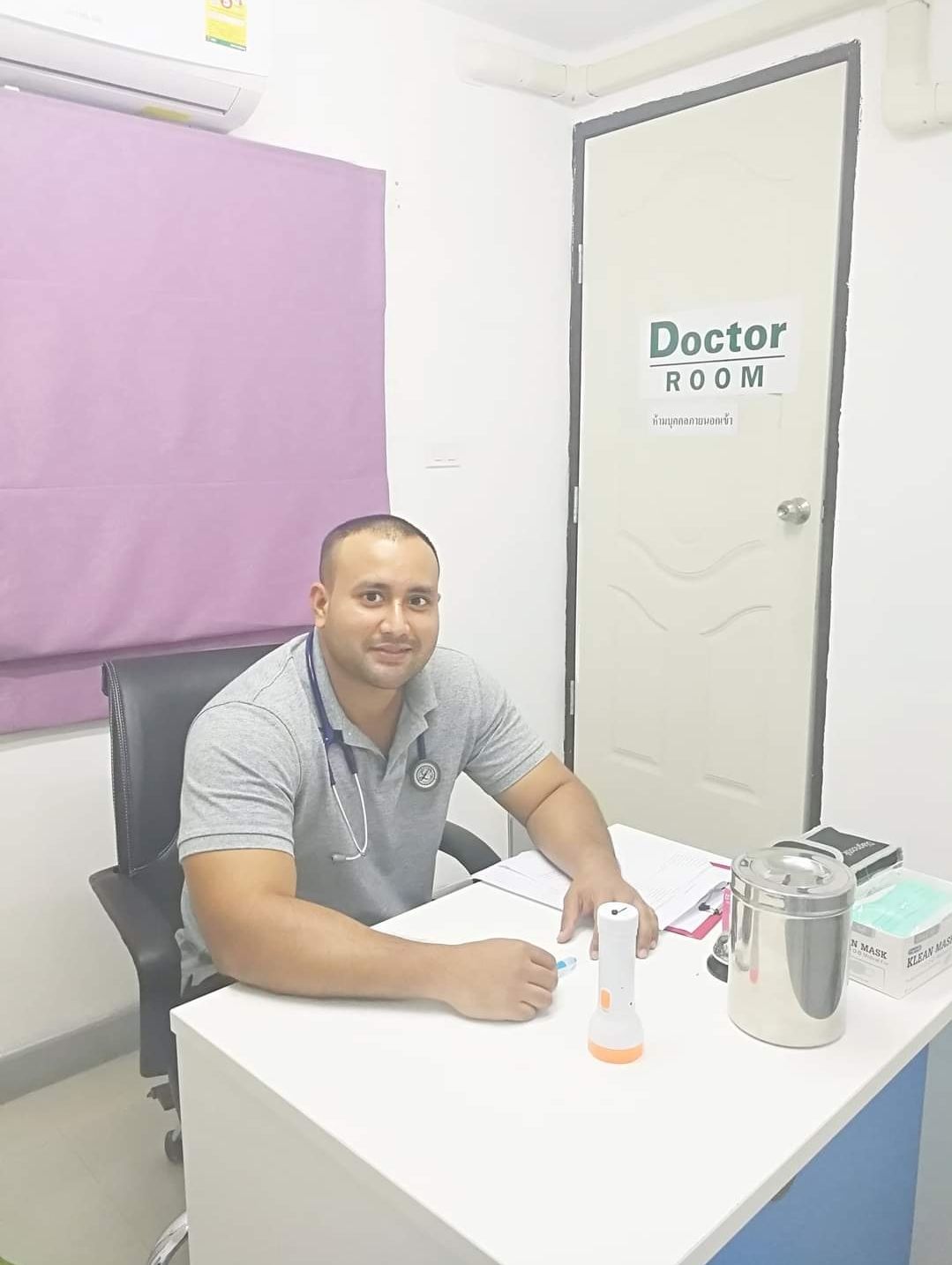
Dr. Ponlawat Pitsuwan is a physician at Doctor Bangkok, a private clinic in central Bangkok. He sees expats, residents, and medical tourists for general medicine, wellness consultations, and IV therapy. His focus is straightforward, evidence-based care delivered in plain language.