
Clinically reviewed by Dr. Ponlawat Pitsuwan, Physician, Doctor Bangkok. Last reviewed: July 2026
With the right treatment started early, the risk of passing HIV to your baby can be reduced to below 1%. The key is starting antiretroviral therapy, keeping your viral load undetectable, and having the right support around labour and feeding. A positive HIV diagnosis during pregnancy is not a barrier to a healthy baby.
If you have just found out you are HIV positive during pregnancy, or you already knew your status and are now expecting, I want to start with this: you can have a healthy, HIV-negative baby. I see patients in this situation regularly. The fear they walk in with is almost always bigger than the actual risk once treatment is in place. The science here is genuinely reassuring.
What I want to do in this article is walk you through what actually matters: when to start treatment, what to expect during pregnancy, how delivery decisions are made, and what happens after your baby is born. If you are an expat in Bangkok navigating this without family close by, I want this to feel like the conversation we would have in my clinic.

How HIV Can Pass to Your Baby — and How Treatment Stops It
There are three windows when HIV can pass from mother to child: during pregnancy, during labour and delivery, and through breastfeeding. Without any treatment, the risk across all three is roughly one in four. With effective antiretroviral therapy and an undetectable viral load, that risk drops to below 1%.
The goal of everything we do in pregnancy is to get your viral load undetectable and keep it there. Viral load is the amount of HIV in your blood. When it is undetectable, the virus cannot realistically pass to your baby. This principle — that undetectable equals untransmittable, or U=U — applies to pregnancy just as it does to sexual transmission.
What Happens When HIV Is Diagnosed for the First Time During Pregnancy
Many women first learn they are HIV positive at their antenatal booking visit. If this happened to you, I know that is a lot to process at once. The most important thing to understand is this: being diagnosed now means you have time to act.
We start treatment as soon as possible, ideally within days of diagnosis. We do not wait for full resistance testing results before beginning. Getting your viral load down quickly is the priority, and we can adjust the regimen later if needed. Most women tolerate modern medications well, and the drugs used are considered safe in pregnancy.
You will also need your CD4 count checked. CD4 cells are part of your immune system. That count tells us how much the virus has affected your immunity and helps us plan your care going forward.

ART in Pregnancy — How Treatment Protects You and Your Baby
Antiretroviral therapy, or ART, is the combination of medications that suppresses HIV. You take it every day. The goal is to get your viral load undetectable and keep it there throughout pregnancy, labour, and beyond.
If you were already on ART before pregnancy, you may be able to stay on your current regimen. Some medications need to be reviewed, particularly in the first trimester. Discuss this with your HIV physician as soon as you know you are pregnant.
For women newly diagnosed during pregnancy, your doctor will choose a regimen based on your viral load, CD4 count, any resistance patterns, and how far along you are. A woman who is on ART and undetectable by the third trimester has a very low chance of passing HIV to her baby. That is the target we work toward from day one.
Monitoring and Antenatal Tests Throughout Pregnancy
Pregnancy with HIV means more frequent monitoring than a standard antenatal schedule. This is not alarming. It is how we make sure everything stays on track.
You will have your viral load checked at your first visit, again at around 36 weeks, and at delivery. We also run routine blood tests to monitor your liver and kidneys, as some ART medications can affect both. These are standard checks, not signs that something is wrong.
The rest of your antenatal care looks similar to any pregnancy: blood pressure, growth scans, routine infection screens. You will work with both an HIV physician and an obstetrician, either at the same clinic or in coordination. At Doctor Bangkok, we can help you get that care joined up if you are not sure where to start.
HIV and Conception — Planning a Pregnancy When One or Both Partners Is HIV Positive
I see couples in this situation more than people might expect. One partner is HIV positive, the other is not. They want to have a baby. With the right approach, this is very manageable.
If the HIV-positive partner is on ART with an undetectable viral load, the risk of transmitting HIV during conception is effectively zero under U=U. Many couples in this situation conceive naturally without significant risk once viral suppression is confirmed.
PrEP, or pre-exposure prophylaxis, is available for the HIV-negative partner and adds an extra layer of protection during the conception window. I recommend couples testing and a pre-conception consultation before trying, so both partners understand their options clearly. If both partners are HIV positive, the priority is making sure both are on effective ART before conception.
Labour, Delivery, and Your Birth Plan
Whether you deliver vaginally or by caesarean section depends mainly on your viral load near term. This is something many patients do not realise until late in pregnancy, so I want to be clear about it now.
If your viral load is undetectable on effective ART, vaginal delivery is generally considered safe and is not associated with a higher risk of transmission. A planned caesarean is recommended when viral load is elevated or unknown at delivery.
During labour, your obstetric team may give you an IV medication to further reduce transmission risk. Your baby will then receive oral medication for several weeks after birth. Bring your HIV physician into the birth plan conversation early. Thai hospital teams are experienced with this, but a clear written plan avoids confusion during labour.
After Birth — Protecting Your Newborn
Your baby will be given antiretroviral medication starting within hours of birth. This runs for four to six weeks and is oral and well tolerated.
Your baby will also be tested for HIV. We do not use a standard antibody test at birth, because maternal antibodies can remain in the baby’s system for many months and would give a false result. We use a PCR test instead, which looks for the virus itself. Testing is typically done at six weeks, three months, and six months.
On breastfeeding: in a setting like private healthcare in Bangkok, where safe formula is easily available, formula feeding is the standard recommendation. Breastfeeding carries a transmission risk even when your viral load is undetectable. I know this can be emotionally complex. Plan this conversation with your doctor before delivery so you have time to prepare.
HIV and Pregnancy in Bangkok — What Expats Need to Know
Thailand was the first country in Asia to be certified by the WHO for elimination of mother-to-child transmission of HIV. Thai hospitals, both public and private, have real experience with HIV in pregnancy.
As an expat, your main challenge is usually coordination: finding an HIV physician who speaks English, making sure your care is joined up between clinics, and understanding how your medications are sourced here. Doctor Bangkok offers confidential HIV testing, English-language care, and referrals to appropriate specialist services when you need them.
If you have not yet had an HIV test as part of your antenatal care, or have not been tested since becoming pregnant, book one now. HIV testing in pregnancy is routine, rapid, and confidential. You can find out about HIV testing in Bangkok on our clinic page.
If you are pregnant and need an HIV test, or you are HIV positive and want guidance on managing your pregnancy in Bangkok, our English-speaking team at Doctor Bangkok can help. We offer confidential HIV testing and can connect you with the specialist care you need. Visit our HIV testing page to book or learn more.
Frequently Asked Questions
Can I have a healthy HIV-negative baby if I am HIV positive?
Yes. With ART started early and sustained through pregnancy and delivery, the risk of transmission to your baby can be below 1%. The single most important factor is keeping your viral load undetectable. Most women on effective treatment go on to have healthy, HIV-negative children.
When should I get an HIV test during pregnancy in Bangkok?
HIV testing is part of standard antenatal blood work in Thailand and should be done at your first antenatal visit. If you have ongoing risk factors, testing again in the third trimester is worth discussing with your doctor. Doctor Bangkok offers rapid, confidential HIV testing with same-day results.
My partner is HIV positive and I want to get pregnant. Is it safe?
If your partner is on ART with a confirmed undetectable viral load, the risk of transmission during conception is effectively zero under the U=U principle. PrEP is available for you as an added precaution during the conception window. Book a pre-conception consultation to go through your specific situation.
Will I need a caesarean if I have HIV?
Not necessarily. Mode of delivery is decided based on your viral load near the end of pregnancy. If your viral load is undetectable on ART, vaginal delivery is generally considered safe. A planned caesarean is recommended when viral load is higher, so discuss your birth plan with both your HIV physician and obstetrician early in the third trimester.
Can I breastfeed if I am HIV positive in Thailand?
In the context of private healthcare in Bangkok, where safe formula is easily available, the guidance is to formula feed. Breastfeeding carries a transmission risk even on effective ART. Plan this conversation with your doctor before delivery so you are prepared.
What if I only find out I am HIV positive late in pregnancy?
We start treatment immediately, without waiting for full lab results, to bring your viral load down as fast as possible before delivery. A late diagnosis is still very manageable. Your baby will receive protective medication after birth regardless of how late in pregnancy you are diagnosed.
Dr. Ponlawat Pitsuwan
Physician, Doctor Bangkok
a private medical clinic in central Bangkok. He sees expats, residents, and medical tourists for HIV testing, sexual health, and general medical consultations including antenatal concerns. His focus is straightforward, evidence-based care delivered in plain language.
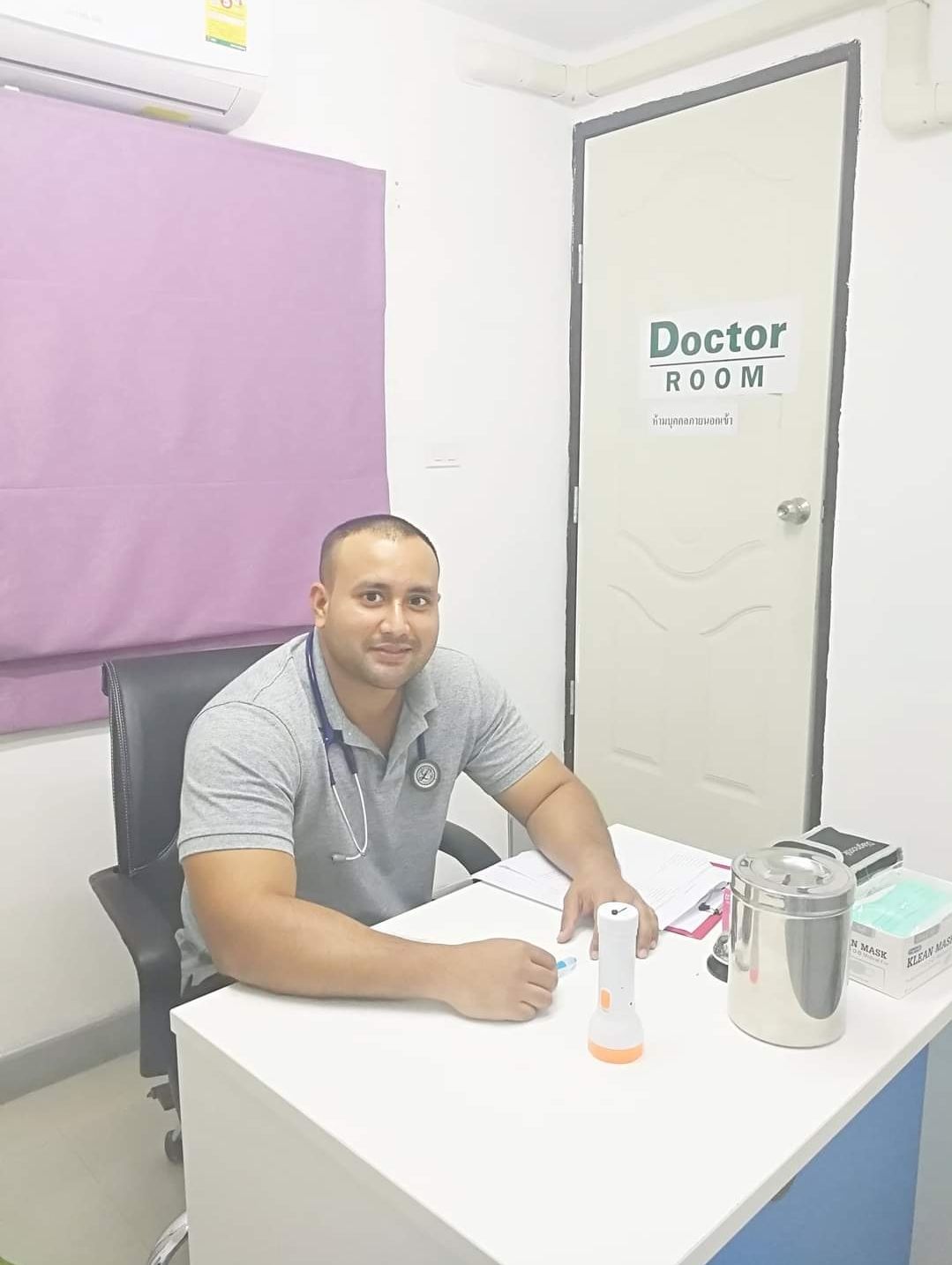
Dr. Ponlawat Pitsuwan is a physician at Doctor Bangkok, a private clinic in central Bangkok. He sees expats, residents, and medical tourists for general medicine, wellness consultations, and IV therapy. His focus is straightforward, evidence-based care delivered in plain language.