
Clinically reviewed by Dr. Ponlawat Pitsuwan, Physician, Doctor Bangkok. Last reviewed: August 2026
Jaundice in adults, yellow skin or eyes caused by a build-up of bilirubin in the blood, always needs a same-day or next-day medical assessment. It is not a condition to wait out. The cause ranges from a straightforward infection like hepatitis A to something that needs urgent investigation. A blood test tells us a great deal, very quickly.
Yellow eyes are not something to wait out. I see patients who noticed the colour change days earlier and hoped it would pass. It does not pass on its own, and waiting makes everything harder to sort out. If you or someone near you has noticed yellowing of the eyes or skin, you are right to take it seriously.
Jaundice happens when bilirubin, a yellow pigment the body produces when old red blood cells break down, builds up in the blood faster than the liver can clear it. Something is either overloading the liver, damaging it directly, or blocking the duct that carries bilirubin out of the body. Finding out which one is the first job. Everything else follows from that.

Red Flag Symptoms: When Jaundice in Adults Is an Emergency
Most jaundice needs to be assessed today, but some presentations need an emergency department right now.
Go immediately if yellow eyes or skin appears with any of these: fever and shaking chills, which can signal a serious bile duct infection that turns into sepsis within hours. Confusion or severe drowsiness points to acute liver failure. Severe upper right abdominal pain radiating to the back suggests a gallstone blocking the bile duct. Vomiting blood or passing black, tarry stools means active bleeding.
Painless jaundice with no fever and no significant pain is a different kind of concern. It does not mean you are fine. Painless jaundice, particularly in adults over 50, is the pattern most associated with cancers of the pancreas, bile duct, and gallbladder. No pain does not mean no urgency. Come in that day.
What Yellow Skin and Eyes Actually Means
Yellowing of the whites of the eyes is usually what a patient or their partner notices first. Skin yellowing follows. Dark urine, the colour of strong tea or cola, appears because the kidneys start filtering out the excess bilirubin. Pale or clay-coloured stools develop when bilirubin stops reaching the gut. Itchy skin can develop as bile salts build up under the surface.
This combination, yellow eyes, dark urine, and pale stools, is a clear signal. It means the bilirubin pathway is disrupted somewhere, and that needs to be found.

How Doctors Think About the Cause
When a patient comes in with jaundice, I am immediately thinking about where the problem sits. There are three broad categories, and the symptoms help narrow it down fast.
The first is the liver being overwhelmed because red blood cells are breaking down too quickly. The second is the liver itself being damaged and unable to process bilirubin properly. Hepatitis, cirrhosis, alcohol-related liver disease, and drug reactions all fall here. The third is a physical blockage of the bile duct, with gallstones being the most common cause and pancreatic or bile duct cancer being the one I always need to rule out. Knowing the category shapes which tests I order first and how urgently I need to act.
Common Causes of Jaundice in Adults
Hepatitis A, B, and C are among the most frequent liver-related causes. Hepatitis A spreads through food and water. Hepatitis B and C spread through blood and bodily fluids. Alcohol-related liver disease and fatty liver disease can both progress silently until jaundice appears, often indicating that significant damage has already occurred. Gallstones blocking the bile duct are a very common cause of obstructive jaundice and usually come with noticeable right-sided abdominal pain.
Tropical and Travel-Specific Causes of Jaundice in Bangkok
This is where general health pages fall short for people living in or visiting Thailand. I see jaundice triggers here that rarely appear on UK or US medical websites.
Hepatitis A is a real risk for unvaccinated expats eating street food regularly. The incubation period is two to six weeks, so you may not connect the jaundice to a meal you ate last month. Hepatitis E spreads the same way and is underdiagnosed across Southeast Asia. Leptospirosis, a bacterial infection spread through water or soil contaminated by animal urine, can cause liver injury and jaundice. In Bangkok, the risk rises after flooding or any contact with floodwater. Dengue-associated hepatitis is something I see in more severe dengue cases. If your jaundice comes with high fever, severe body aches, and a rash, dengue is on my list before anything else.
Thailand also has a high prevalence of hepatitis B carrier status. Many people carry the virus without knowing it, and a trigger such as illness, heavy alcohol use, or a new medication can cause a flare. If you have never been tested for hepatitis B and you are now jaundiced, that test matters.
Medications and Supplements That Can Cause Jaundice
Drug-induced liver injury is more common than most patients expect. Paracetamol in high doses is the most well-known cause, but certain antibiotics, antifungals, anti-tuberculosis drugs, and cholesterol medications can all affect the liver in some people.
What I see specifically in Bangkok is patients using Thai herbal supplements, kratom, or imported fitness and bodybuilding products without mentioning it to their doctor. These can cause significant liver injury. When I assess jaundice, I always ask about everything a patient has taken in the past three months, including herbal teas and anything bought over the counter. Tell your doctor the full list, every time.
Yellow Skin That Is Not Jaundice
Not all yellow skin is jaundice. There is a harmless condition called carotenemia, where eating large amounts of beta-carotene-rich foods, mangoes, papaya, carrots, pumpkin, causes a yellowish tint to the skin. In Bangkok, where fruit intake can be very high, this comes up occasionally.
The key difference is straightforward. In carotenemia, the whites of the eyes stay white. In true jaundice, the eyes yellow first. If your eyes are clear and your skin looks slightly orange-yellow after weeks of heavy fruit intake, carotenemia may be the explanation. That said, do not self-diagnose. A blood test for bilirubin settles it within a few hours.
Getting Tested for Jaundice in Adults When to Worry
When you come in to Doctor Bangkok with jaundice, I take a history and examine you first. I am looking at the whites of your eyes, feeling your abdomen for tenderness, and asking about your diet, medications, alcohol use, recent travel, and any recent illness.
Blood tests come next. A liver function panel checks bilirubin levels and liver enzyme markers that show whether liver cells are under stress. Depending on your history, I will also test for hepatitis A, B, and C. If a blockage is possible, an abdominal ultrasound can show gallstones or changes to the bile duct. Basic blood results come back the same day or the following morning. If something needs specialist input, I refer you directly and coordinate that for you.
The Short Version: When Jaundice Needs Urgent Attention
Every new jaundice in an adult warrants assessment within 24 hours. There is no version of yellow eyes where the right answer is to wait and see.
If you have the emergency symptoms listed above, go to a hospital emergency department now. If your jaundice is new, you have no emergency symptoms, and you can walk in for blood tests, come to a private clinic today. Doctor Bangkok can assess you, run same-day liver and hepatitis tests, and give you a clear picture of what is happening. If results point to something a specialist needs to manage, we handle that referral.
Not sure if your symptoms need to be seen today? They do. Doctor Bangkok offers same-day liver function testing and hepatitis screening at our central Bangkok clinic, with English-speaking physicians and fast results. Whether you are a Bangkok resident, expat, or visitor, walk in or book at doctorbangkok.co.th.
FAQ
Dr. Ponlawat Pitsuwan
Physician, Doctor Bangkok
a private medical clinic in central Bangkok. He sees expats, residents, and medical tourists for liver-related symptoms, viral hepatitis assessment, dengue, fever, and general medical consultations. His focus is straightforward, evidence-based care delivered in plain language.
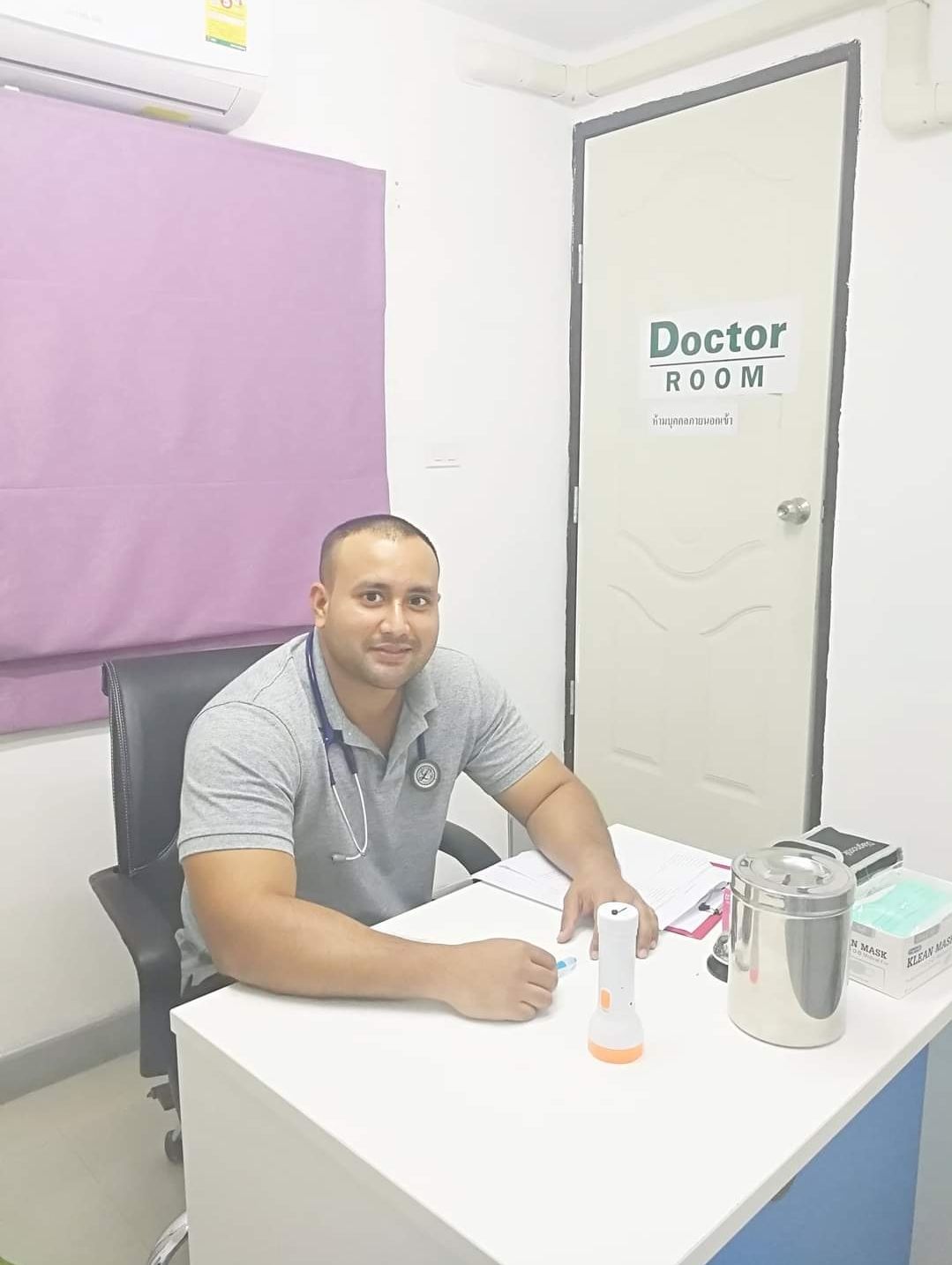
Dr. Ponlawat Pitsuwan is a physician at Doctor Bangkok, a private clinic in central Bangkok. He sees expats, residents, and medical tourists for general medicine, wellness consultations, and IV therapy. His focus is straightforward, evidence-based care delivered in plain language.