


Clinically reviewed by Dr. Ponlawat Pitsuwan, Physician, Doctor Bangkok.
Last reviewed: August 2026
Most early prostate cancer causes no symptoms at all. When urinary or sexual changes do appear, they are often caused by a benign condition rather than cancer. The only reliable way to detect prostate cancer early is a PSA blood test, sometimes combined with a physical exam. Men over 45, or over 40 with risk factors, should discuss screening with a doctor.
I see this pattern regularly. A man in his 50s, been in Bangkok a few years, no GP back home, no check-up since he left. He is not sick. He is just aware, for the first time in a while, that he has probably let something slip. Prostate cancer is usually what brings him in. And more often than not, he has no symptoms at all. That is exactly the point.
Most early prostate cancer is silent. There is nothing to feel, nothing that obviously feels wrong. By the time symptoms appear, the disease has often been present for years. That is not meant to alarm you. It is the reason screening exists, and the reason waiting for symptoms before acting is the wrong approach.

Why Early Prostate Cancer Usually Has No Symptoms
The prostate sits just below the bladder. Most prostate cancers start in the outer part of the gland, away from the tube that carries urine. Because the tumour does not press on anything in the early stages, there is nothing to notice.
This is different from an enlarged prostate, which grows inward and presses on the urethra early. Cancer in the outer zone can grow for years before it affects urinary flow or anything else you would notice day to day. By the time it does cause symptoms, it is often no longer confined to the gland.
The clinical point is simple. Symptoms are a late indicator. A PSA blood test is an early one.
Early Urinary and Sexual Symptoms Worth Knowing
When symptoms do appear, they usually fall into two groups: urinary and sexual. Urinary changes include needing to go more often, especially at night, a weak or interrupted flow, difficulty starting, or a feeling that the bladder has not fully emptied.
These symptoms are real and do warrant a check. But they are far more commonly caused by benign prostatic hyperplasia, an enlarged prostate that is not cancerous, than by cancer itself. You cannot tell them apart just from how they feel.
Sexual symptoms are less talked about. A reduced volume of ejaculate, pain during ejaculation, or blood in the semen are changes some men notice and then quietly ignore for months. Blood in the urine is another. None of these point definitively to cancer, but all of them need a clinical assessment.
The mistake I see most often is men waiting to see if something resolves on its own. Sometimes it does. But not always for the right reasons.

Later-Stage Warning Signs You Should Not Attribute to Ageing
Persistent lower back pain, hip pain, or deep pelvic aching in a man over 50 is not just a posture problem. When prostate cancer spreads, the bones are a common destination, particularly the spine, hips, and pelvis. Men in this age group often write it off as the gym, the commute, or getting older.
Leg swelling, unexplained fatigue, and sudden urinary incontinence are also signs that something beyond routine ageing is going on. None of these symptoms mean cancer. All of them mean see a doctor now, not next month.
If you have persistent lower back or hip pain alongside any urinary changes, that combination needs prompt assessment.
Who Is at Higher Risk of Prostate Cancer
Age is the biggest driver. Risk rises steadily after 50. But several factors move the timeline forward.
Men of Black or African descent face a significantly higher risk and are advised to consider screening from age 40 to 45. Men with a father or brother who had prostate cancer are also at elevated risk. What many people do not realise is that a family history of breast or ovarian cancer, particularly linked to BRCA1 or BRCA2 gene mutations, also raises prostate cancer risk. If that history exists in your family, mention it when you come in.
Excess body weight is linked to more aggressive disease. The evidence on lifestyle factors is consistent enough to take seriously.
How BPH and Prostatitis Can Look Identical to Early Signs of Prostate Cancer
This is something I explain almost every week. BPH and prostatitis, which is inflammation of the prostate, can produce exactly the same urinary symptoms as prostate cancer. Urgency, frequency, a weak stream, burning on urination. You cannot tell them apart by symptoms alone.
PSA levels can be elevated in all three conditions. A raised PSA does not mean cancer. It means the prostate is under some kind of stress, and a doctor needs to look at the full picture before drawing any conclusion.
The wrong takeaway is "it is probably just BPH, so I will leave it." The right takeaway is that only a proper assessment confirms which one you are dealing with.
When to Start Prostate Cancer Screening in Bangkok
Current guidelines recommend that average-risk men discuss PSA screening from age 45 to 50. Men at higher risk, those with a relevant family history, men of Black or African descent, or men with known BRCA mutations, are advised to start that conversation at 40 to 45.
For many expats I see, the more relevant question is not what age to start but how long they have already gone without a baseline. If you are 52 and have never had a PSA test, the time to get one is now, regardless of how you feel.
Screening is a single blood draw. The information it gives you is genuinely useful, and the cost of missing an early-stage cancer is much higher than the cost of the test.
What a Prostate Screening Appointment Involves in Bangkok
At Doctor Bangkok, a prostate screening appointment is straightforward. You sit down with an English-speaking doctor, go through your symptoms and family history briefly, and have a blood draw for PSA. Results are usually available the same day or the next morning.
Depending on your age, symptoms, and PSA result, a brief physical exam may be recommended. This allows the doctor to assess the size and texture of the prostate and adds information the blood test alone cannot give. If your PSA result is ambiguous, additional markers may be used to clarify the picture before any decision about further investigation is made.
If the result suggests further investigation is needed, we will explain your options clearly and refer you to a urologist with the full clinical picture already documented.
If you are over 45 and have never had a PSA test, or if you have noticed urinary or sexual changes you have been putting off, book a men’s health check at Doctor Bangkok. Our English-speaking physicians offer same-day PSA testing at our central Bangkok clinic, accessible from BTS. No referral needed. No long waiting times. Just a clear answer to start from.
Frequently Asked Questions
Dr. Ponlawat Pitsuwan
Physician, Doctor Bangkok
a private medical clinic in central Bangkok. He sees expats, residents, and medical tourists for men’s health concerns including prostate screening, PSA testing, and general health assessments. His focus is straightforward, evidence-based care delivered in plain language.
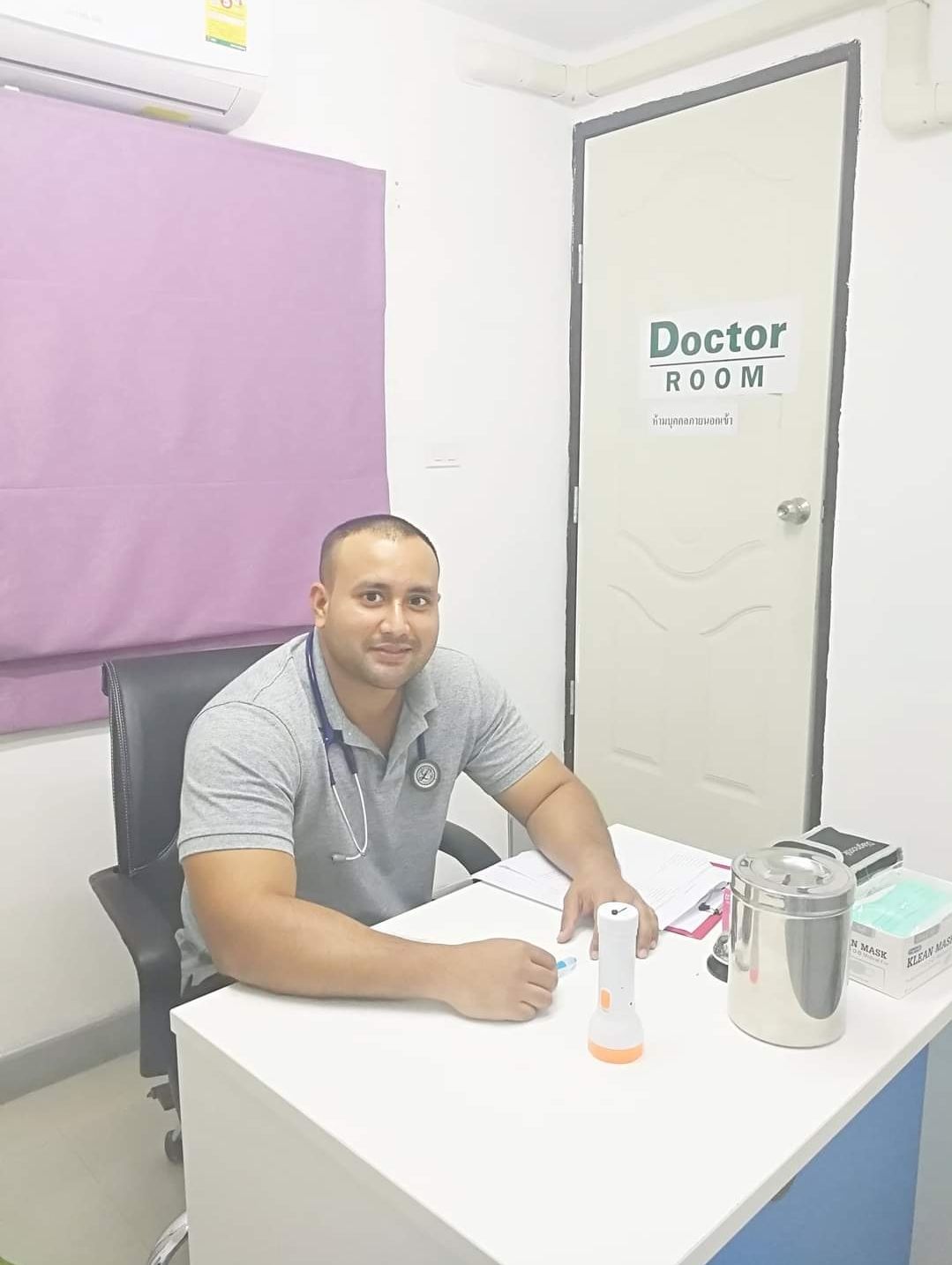
Dr. Ponlawat Pitsuwan is a physician at Doctor Bangkok, a private clinic in central Bangkok. He sees expats, residents, and medical tourists for general medicine, wellness consultations, and IV therapy. His focus is straightforward, evidence-based care delivered in plain language.