
Clinically reviewed by Dr. Ponlawat Pitsuwan, Physician, Doctor Bangkok. Last reviewed: August 2026
Yes, hemorrhoids can cause constipation and make existing constipation worse. Pain during bowel movements leads many people to delay going to the toilet. That delay hardens the stool, makes the next attempt more painful, and keeps the cycle going. The two conditions feed each other, and breaking that cycle usually requires treating both at the same time.
I see this combination regularly, especially in expats who have been in Bangkok a few months and assumed the discomfort would settle on its own. By the time they sit down in front of me, they have been managing both problems separately, with neither getting better. The short answer is yes: hemorrhoids can cause constipation, and constipation almost certainly made the hemorrhoids worse in the first place.
What trips most people up is thinking these are two separate problems. They are not. They are part of the same cycle, and recognising that is what actually gets you better.

The Vicious Cycle: How Hemorrhoids and Constipation Feed Each Other
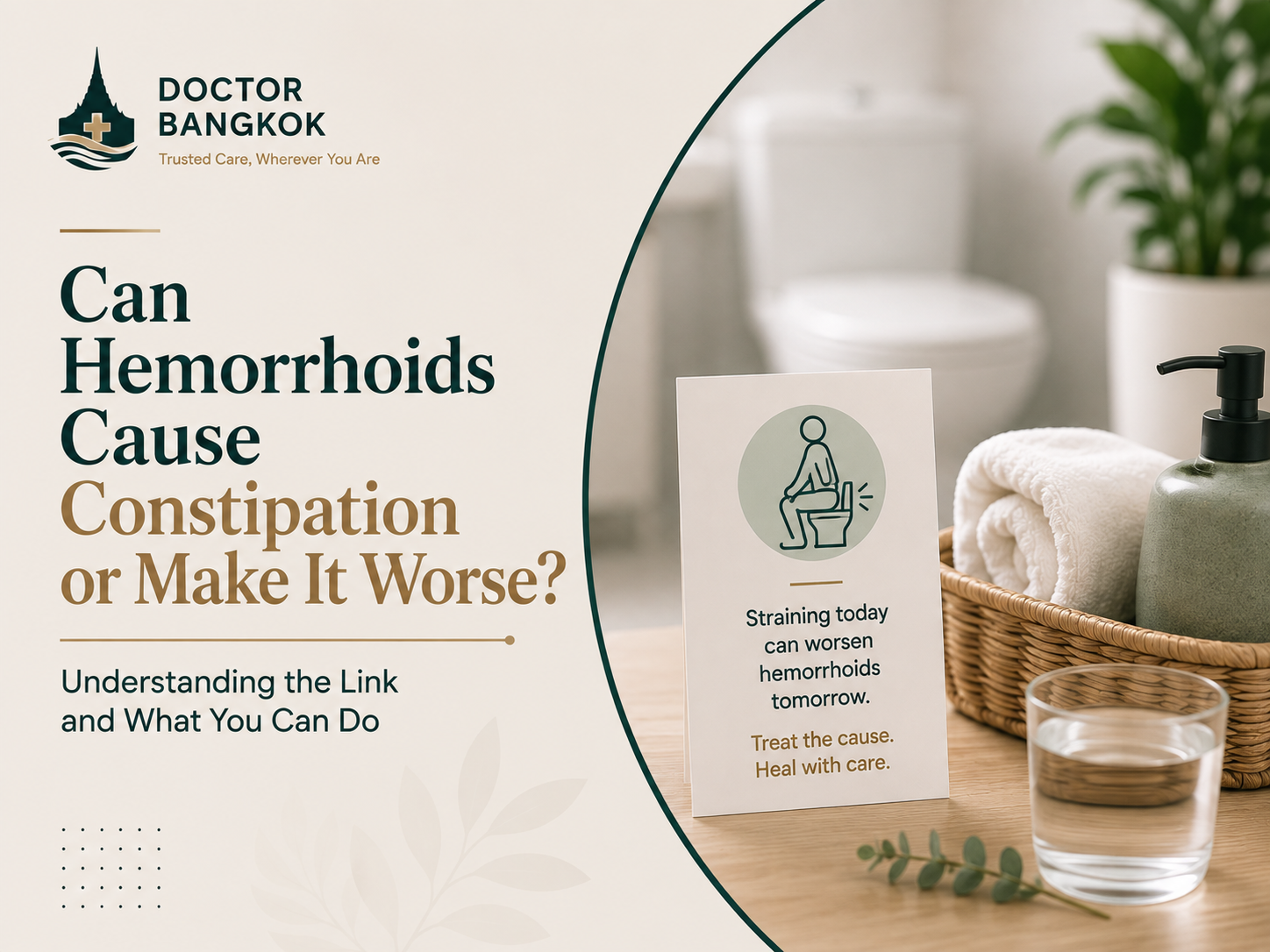
Here is what I explain to nearly every patient who comes in with both complaints. Constipation means straining. Straining puts pressure on the veins around the rectum and anus. That pressure causes hemorrhoids. The hemorrhoids make bowel movements painful. Pain makes you delay going to the toilet. Delayed transit means stool sits in the colon longer, dries out, and becomes harder. Harder stool means more straining next time. The cycle repeats.
The key driver is bowel avoidance. Patients do not consciously decide to hold on. It happens because the body learns that going to the toilet hurts, and starts postponing the urge. Over time, the colon absorbs more water from the stool sitting inside it, and what comes out next is worse.
When the anal area is inflamed or painful, the sphincter muscle also tightens involuntarily. That tightening makes evacuation harder and more incomplete. Patients often describe feeling like they have not fully emptied, even after going. That sensation is real, not anxiety.
Why the Grade of Your Hemorrhoid Matters for Constipation
Not all hemorrhoids behave the same way. Grade directly affects how much they contribute to constipation.
Internal hemorrhoids sit inside the rectum and are graded one to four. Grade I and II hemorrhoids tend to bleed but do not protrude. They can cause discomfort and a sense of incomplete emptying, but they are less likely to physically interfere with stool passage.
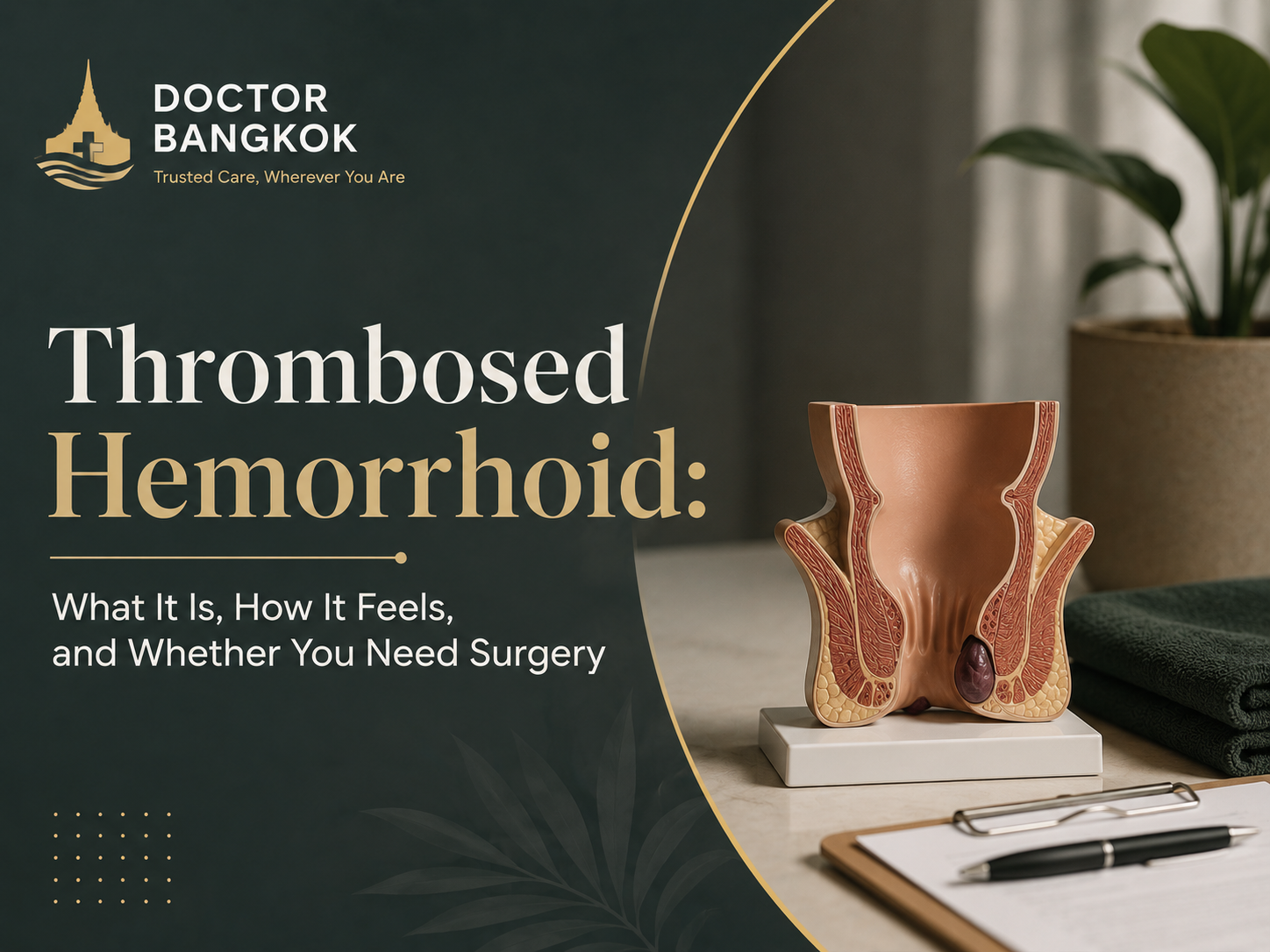
Grade III and IV hemorrhoids prolapse, meaning they push out through the anal opening. At this stage, the hemorrhoid can partially narrow the exit and significantly worsen the sensation that something is blocking the way. Bowel avoidance becomes severe. A thrombosed hemorrhoid, where a clot forms inside, causes intense acute pain and can make normal defecation almost impossible for several days.
External hemorrhoids sit around the outside of the anus. They cause pain and itching more than bleeding. When thrombosed, they are extremely tender, and patients often avoid any toilet visit entirely. That sets off the same hardening and worsening cycle described above.

Bangkok-Specific Triggers That Make This Worse
Bangkok adds several layers to this problem that I rarely see written for an expat audience. The heat is the obvious one. Dehydration in tropical heat is constant and usually underestimated. Most expats are not drinking enough water relative to how much they are sweating. Dehydration hardens stools faster than almost anything else.
Spicy Thai food does not directly cause hemorrhoids, but it irritates the anal lining during and after a bowel movement. When hemorrhoids are already inflamed, that irritation compounds the pain and makes avoidance more likely. I tell patients to track how they feel the morning after a heavy spicy meal during a flare.
Desk jobs, long commutes on the BTS, and sedentary routines increase pressure on the rectal veins throughout the day. Regular alcohol dehydrates and disrupts bowel regularity. Frequent travel, unfamiliar food, and time-zone disruption away from your usual diet round this out. These are not excuses. They are real contributing factors that need to be managed alongside any treatment.
Can Hemorrhoids Cause Constipation or Is It Something More Serious?
This is the part most patients have not thought through. Hemorrhoids are common. But rectal bleeding, changes in bowel habit, and the feeling of incomplete emptying are also symptoms of other conditions, including anal fissure, irritable bowel syndrome, and in some cases, colorectal cancer.
Anal fissures are small tears in the anal lining. They cause sharp pain during defecation and bright red bleeding that looks almost identical to hemorrhoid symptoms. The treatment is different, so getting the right diagnosis matters.
Bright red blood on the toilet paper typically points to hemorrhoids or a fissure. Dark or tarry stools, pencil-thin stools, or blood mixed through the stool rather than coating it are different warning signs that need clinical assessment. Unexplained weight loss combined with a change in bowel habit is never something to attribute to hemorrhoids without investigation.
Red Flag Symptoms That Need Same-Day Attention in Bangkok
Most mild hemorrhoids with constipation can be managed with dietary changes and short-term treatment. But there are situations where I want to see someone the same day.
Come in if you have persistent or heavy rectal bleeding. Come in if you have perianal pain with a fever, which can signal a perianal abscess that needs urgent drainage. Come in if you are over 40 and noticing rectal symptoms for the first time without any prior hemorrhoid history. Come in if you have a prolapsed hemorrhoid that will not reduce on its own, or if you suspect a thrombosis. Rectal prolapse, where tissue protrudes beyond the anus during defecation, also needs same-day assessment.
At Doctor Bangkok, we see patients like this at walk-in, without the queues or language barriers that make larger hospital systems frustrating for expats. One visit with an English-speaking doctor covers the examination, diagnosis, and a clear plan for what happens next.
Treatment Options, From Lifestyle Changes to Clinical Procedures
The first step for most patients is getting the constipation under control. That means significantly increasing water intake, especially in Bangkok’s heat. It means more fibre from vegetables and fruit. Stool softeners are appropriate for hemorrhoid patients because they reduce the trauma of each bowel movement without irritating the bowel. Stimulant laxatives can worsen anal inflammation and are not the right first choice here.
Topical treatments help with pain and swelling. A sitz bath, where you sit in warm shallow water for ten to fifteen minutes after a bowel movement, reduces swelling and muscle spasm and provides real short-term relief.
For Grade II and III hemorrhoids, rubber band ligation is effective. A small band is placed at the base of the hemorrhoid, cutting off its blood supply. It falls off within a few days. Sclerotherapy, an injection-based option, works well for smaller internal hemorrhoids. Both can be arranged through a private clinic referral. Grade IV hemorrhoids or complicated cases are referred for surgical hemorrhoidectomy.
A general medical consultation at Doctor Bangkok is the starting point. We examine you, confirm the grade, rule out other causes, and put together a clear treatment plan. Most patients leave the same visit knowing exactly what they are dealing with and what comes next.
If you have been dealing with hemorrhoids and constipation and home management is not working, come and see us at Doctor Bangkok. We offer walk-in consultations with English-speaking doctors in central Bangkok, BTS accessible. We confirm your diagnosis, advise on treatment, and arrange referrals for procedures if needed. Do not keep waiting for this to resolve on its own.
Frequently Asked Questions
Dr. Ponlawat Pitsuwan
Physician, Doctor Bangkok
a private medical clinic in central Bangkok. He sees expats, residents, and medical tourists for general medical complaints including anorectal conditions, bowel health concerns, and referral coordination for procedures. His focus is straightforward, evidence-based care delivered in plain language.
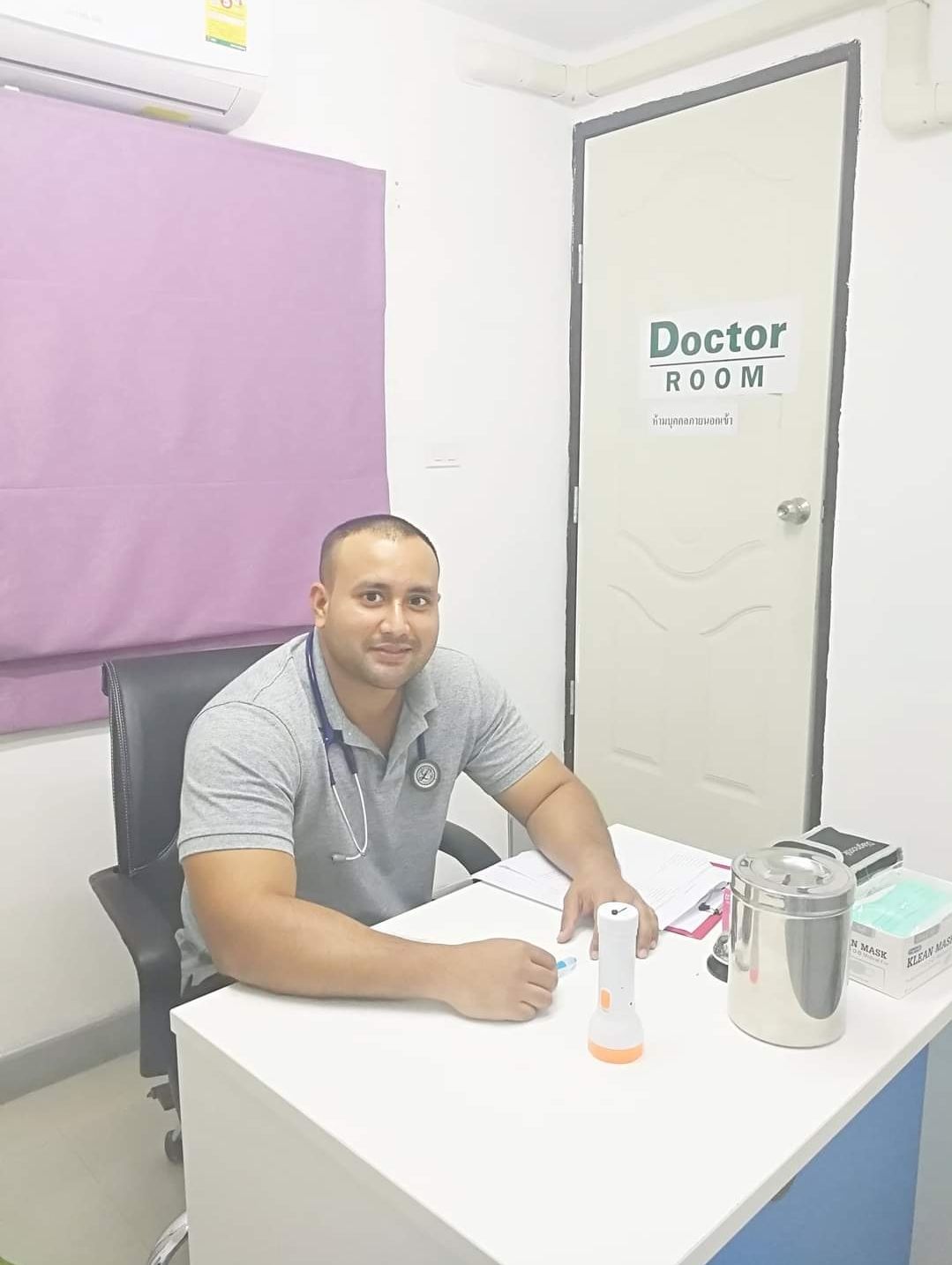
Dr. Ponlawat Pitsuwan is a physician at Doctor Bangkok, a private clinic in central Bangkok. He sees expats, residents, and medical tourists for general medicine, wellness consultations, and IV therapy. His focus is straightforward, evidence-based care delivered in plain language.