
Clinically reviewed by Dr. Ponlawat Pitsuwan, Physician, Doctor Bangkok.
Last reviewed: November 2026
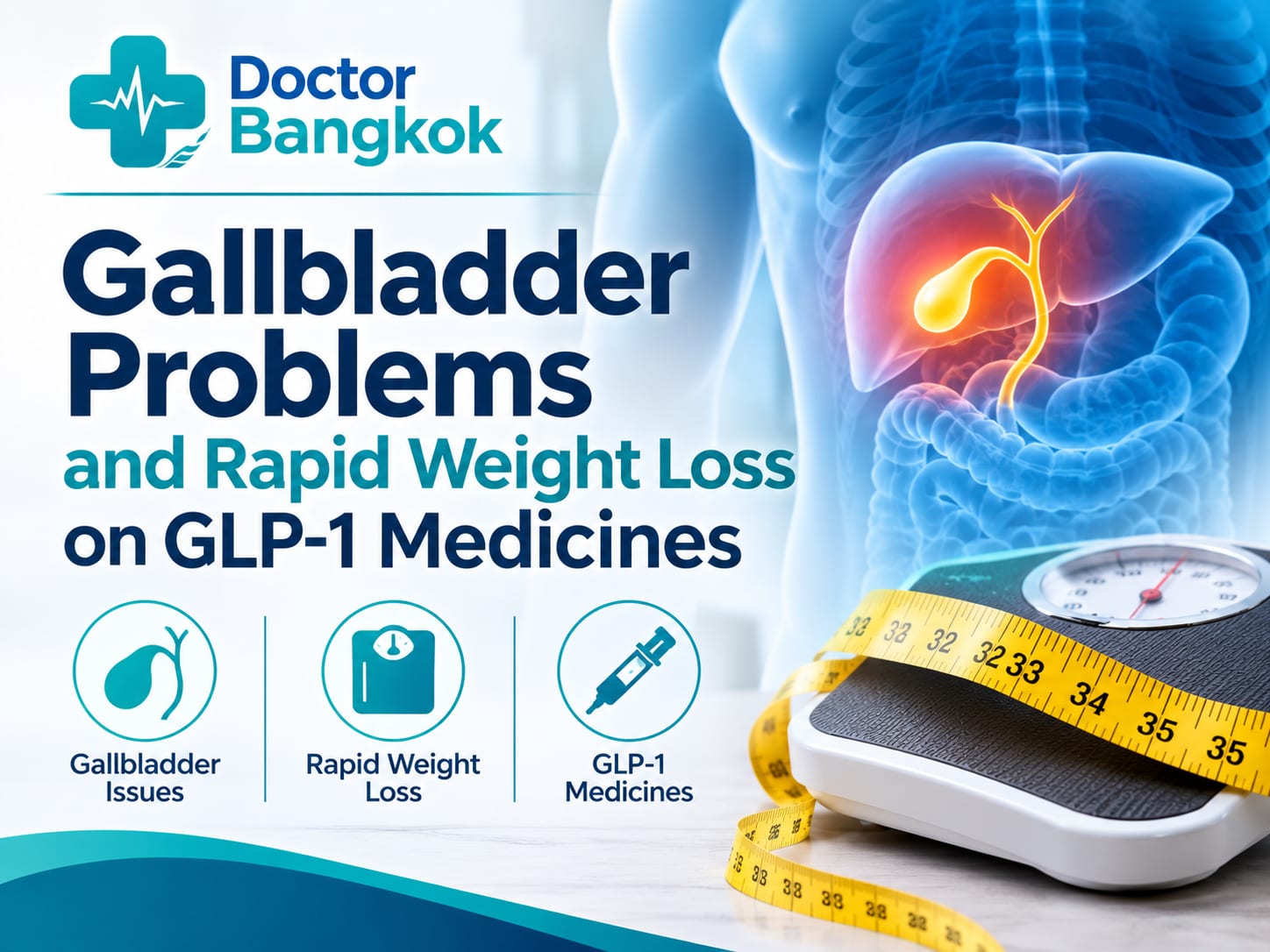
GLP-1 receptor agonists like semaglutide can raise the risk of gallstones, mainly because of rapid weight loss and reduced gallbladder emptying. The absolute increase in risk is small. Most people on these medicines never develop symptoms. But if you get sudden right-sided abdominal pain, especially after eating, or develop a fever with yellowing skin or eyes, get assessed the same day.
Right upper abdominal pain after a meal is easy to dismiss in Bangkok. Maybe it was the street food. Maybe you ate too fast. But if you are on a GLP-1 pen like Ozempic or Wegovy, that pain deserves a closer look before you chalk it up to anything else.
GLP-1 receptor agonists, the class of weight loss injections Bangkok patients are using in growing numbers, are effective and generally well tolerated. Gallbladder complications are a real but uncommon side effect. Knowing what to watch for, and when it actually matters, means you stay safe without worrying about every meal.

How Rapid Weight Loss Leads to GLP-1 Gallstones
When you lose weight quickly, your liver sends more cholesterol into bile. Bile becomes thick, sluggish, and more likely to form crystals that harden into stones.
GLP-1 medicines add a second factor. They may also affect the speed at which the gallbladder contracts and empties, though this direct effect has been better demonstrated for some GLP-1 drugs than others. When bile sits still for longer, those conditions combine and raise the chance that stones will form.
The absolute risk remains low. Evidence suggests the signal is most pronounced during active dose escalation, the months when weight drops most steeply. After that phase, the risk levels off.
The faster the weight comes off, the more closely your gallbladder health should be monitored. That is the practical takeaway.
Who Carries the Highest Risk
Some patients are more likely to develop gallstones on a GLP-1 programme than others. Women are at higher baseline risk, as are patients who start treatment at higher body weight. A personal or family history of gallstones compounds that risk further, as does rapid dose escalation.
If you fall into more than one of these groups, a pre-treatment abdominal ultrasound may be worth discussing before you start. There is no universal guideline requiring this, but it gives a useful baseline. Doctor Bangkok’s GLP-1 programme includes a clinical assessment that considers gallbladder risk as part of the full pre-treatment picture.

Symptoms That Need Prompt Medical Review
The classic symptom is biliary colic: a cramping or aching pain in the right upper part of your abdomen, often starting within one to two hours after a fatty meal. It may spread to your right shoulder or between your shoulder blades. It can last from a few minutes to several hours, then ease on its own.
Nausea and vomiting often accompany the pain. If that pain comes with fever, the picture shifts from biliary colic toward acute cholecystitis, an inflamed gallbladder that needs more urgent attention.
If your symptoms keep coming back, get worse each time, or do not settle between episodes, do not wait for a routine appointment. Same-day assessment is the right call.
What Clinicians Watch During Follow-Up
Regular follow-up on a GLP-1 programme is not just about weight and blood sugar. During active dose escalation, a clinician may ask about digestive symptoms at each review and check liver function tests, which can give early signals of bile duct involvement.
Ursodeoxycholic acid, a bile acid medication, is sometimes considered for patients at high risk of gallstone formation during rapid weight loss. It works by reducing cholesterol concentration in bile. Not every patient needs it, but for those with multiple risk factors, it is a conversation worth having with your prescribing doctor.
If you have not had an abdominal ultrasound recently and you are mid-programme with significant weight loss, ask whether one is warranted. At Doctor Bangkok, same-day health assessments are available without the referral chain that can slow things down in public hospital systems.
Do Not Ignore Severe Right-Upper Abdominal Pain
Most gallstone episodes are uncomfortable but not dangerous. The ones that need same-day care are those that come with fever, chills, or jaundice. Jaundice means your skin or the whites of your eyes turn yellow.
Dark urine and pale stools alongside jaundice suggest a stone has moved into the bile duct. That is a more serious situation that needs hospital-level assessment, not a watchful wait.
If you are staying in Bangkok and this happens at night, do not try to navigate the public hospital system alone. Doctor Bangkok runs a 24-hour doctor-on-call service that reaches your hotel or condo anywhere in Bangkok. A doctor can assess you at your accommodation, arrange urgent investigations, and help you access the right level of care. Find out more about the doctor hotel visit service before you need it.
If you have travel insurance that covers Bangkok clinic visits, keep those details accessible. For anything that includes fever and jaundice together, act fast.
If you are on an Ozempic, Wegovy, or Mounjaro programme and you are getting right-sided abdominal pain, nausea after eating, or any combination of fever and yellowing, do not wait to see how it develops. Doctor Bangkok is open 24 hours, seven days a week, at Trendy Office on Soi Sukhumvit 13. Walk in anytime, or call for a doctor to come to your hotel or condo. Our GLP-1 programme includes pre-treatment gallbladder risk assessment and ongoing clinical follow-up. Same-day appointments, no referral needed.
Frequently Asked Questions
Dr. Ponlawat Pitsuwan
Physician, Doctor Bangkok
a private medical clinic in central Bangkok, open 24 hours, seven days a week, with a doctor-on-call service that comes to your hotel or condo. He sees expats, residents, and medical tourists for GLP-1 weight management, metabolic health, and general medical care, including assessment of gastrointestinal and biliary symptoms in patients on weight loss programmes. His focus is straightforward, evidence-based care delivered in plain language.
References
- Mustafa OG et al. Association of Glucagon-Like Peptide-1 Receptor Agonist Use With Risk of Gallbladder and Biliary Diseases: A Systematic Review and Meta-analysis of Randomized Clinical Trials. JAMA Intern Med. 2022;182(5):513-519.
- Chiang H et al. Glucagon-Like Peptide-1 Receptor Agonists and Gastrointestinal Adverse Events: A Systematic Review and Meta-Analysis. Gastroenterology. 2025.
- U.S. Food and Drug Administration. Ozempic (semaglutide) Prescribing Information. FDA, 2026.
- European Medicines Agency. Ozempic (semaglutide): EPAR product information. EMA.
- Portincasa P et al. Cholesterol gallstone disease. Lancet. 2006;368(9531):230-239.
- 2 Minute Medicine. Patient Basics: Biliary Colic (summary of Harvard/BMJ Best Practice guidance).
The information in this article is for educational purposes only and does not constitute medical advice. It should not be used to self-diagnose or replace a consultation with a qualified physician. If you have concerns about your health, contact a licensed medical professional. For appointments at Doctor Bangkok, visit doctorbangkok.co.th.
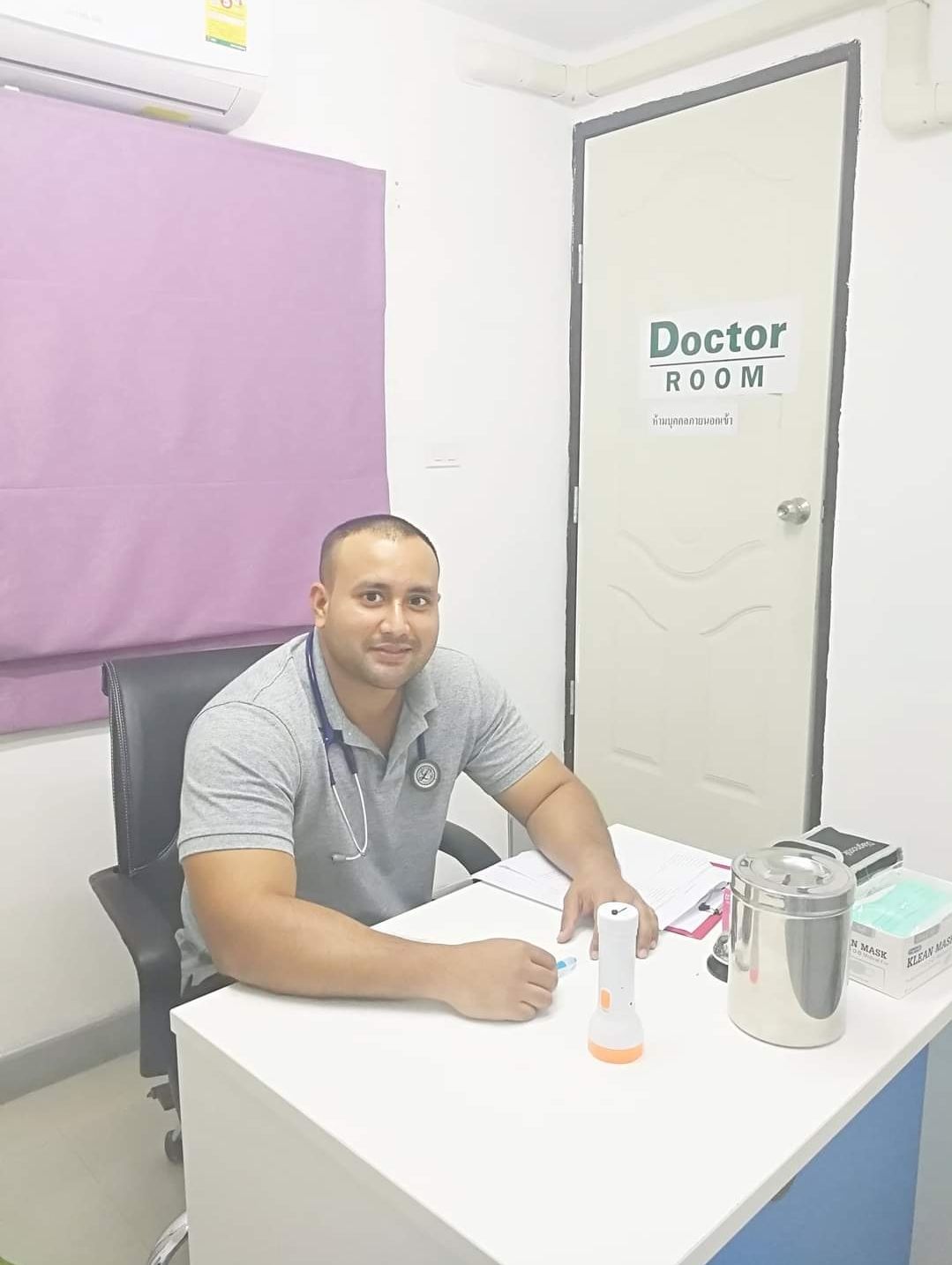
Dr. Ponlawat Pitsuwan is a physician at Doctor Bangkok, a private clinic in central Bangkok. He sees expats, residents, and medical tourists for general medicine, wellness consultations, and IV therapy. His focus is straightforward, evidence-based care delivered in plain language.