
Clinically reviewed by Dr. Ponlawat Pitsuwan, Physician, Doctor Bangkok.
Last reviewed: November 2026
GLP-1 receptor agonists such as semaglutide and tirzepatide are not approved for PCOS, but limited trial evidence suggests they may help women with PCOS who also have obesity or significant insulin resistance. The benefit is less clear without those features. Any prescription requires a proper clinical assessment, including baseline blood tests, and in Thailand these medications are now classified as prescription-only.
You have PCOS, you have read about Ozempic or Mounjaro, and now you are trying to figure out whether any of that applies to you. That is a reasonable place to be. The evidence is real but narrow, and what works for one patient does not always apply to the next.
The short answer is this: GLP-1 for PCOS may be relevant to your management, but only under specific metabolic conditions and only after a proper workup. Polycystic ovary morphology, irregular cycles, and androgen excess do not automatically make someone a candidate. What matters is whether insulin resistance is a dominant driver in your case, and that requires testing.

Why Weight and Insulin Resistance Matter in PCOS
PCOS is not one condition. It is a cluster of hormonal and metabolic patterns that overlap in different ways. For many women, the central problem is chronically elevated insulin, which signals the ovaries to produce more androgens. Those are the hormones behind acne, excess hair growth, and irregular periods.
Measuring insulin resistance starts with HOMA-IR, a calculation based on fasting glucose and fasting insulin. A raised HOMA-IR confirms insulin resistance is present and significant. Women with PCOS and obesity tend to have higher HOMA-IR scores, which is part of why this group shows the clearest response to GLP-1 treatment in trials.
Weight amplifies the insulin-androgen loop. Excess body fat worsens insulin signalling, which pushes insulin higher, which drives more androgen production. Even moderate weight loss can restore menstrual cycles in some women with PCOS and obesity. GLP-1 medications produce meaningful weight loss in people with obesity, and that effect appears to drive most of the PCOS-related benefit seen in trials.
What Studies Suggest When Obesity Is Also Present
The trial evidence for GLP-1 use in PCOS is still early. Most data comes from small trials and a 2024 scoping review covering studies with liraglutide, exenatide, and semaglutide. The picture that emerges is cautiously positive for women with PCOS and obesity or overweight: reductions in weight, improvements in fasting insulin, and in some studies, better menstrual regularity.
Tirzepatide acts on both the GLP-1 and GIP receptors. It produces greater weight loss than semaglutide in head-to-head trials in people with obesity without type 2 diabetes, as shown in the SURMOUNT-5 trial published in 2025, though PCOS-specific tirzepatide data remains limited. Whether the added GIP receptor effect translates to meaningful extra benefit for PCOS specifically is not yet established.
Cardiometabolic risk is also relevant here. Women with PCOS have higher rates of metabolic syndrome, elevated triglycerides, and impaired glucose tolerance. GLP-1 medications reduce several of these markers alongside weight. For women with PCOS who are already heading toward prediabetes, that broader metabolic benefit matters beyond the hormonal picture alone. You can review your own cardiovascular risk profile using the cardiovascular risk calculator at Doctor Bangkok.

What Remains Uncertain Without Obesity
Lean PCOS is real. Some women have a normal BMI and normal glucose tolerance but still have irregular cycles, elevated androgens, and polycystic ovaries on scan. Their insulin resistance, if present at all, is often mild. This is where GLP-1 evidence is thinnest.
Most trials that showed meaningful PCOS-related improvements enrolled women with BMI above 25 and measurable insulin resistance. Applying those findings to a lean woman with PCOS involves an inferential leap the current evidence does not support. The androgen excess in lean PCOS may be driven by different hormonal mechanisms, such as abnormal LH pulsatility, where GLP-1 drugs have no established effect.
This does not mean GLP-1 treatment is never appropriate in lean PCOS. It means the decision cannot be made on weight alone. A fasting insulin level, HOMA-IR, and androgen panel are needed before drawing any conclusions. If insulin resistance is genuinely absent, a GLP-1 drug is unlikely to address the root hormonal problem.
Fertility and Medication Timing Overlap
If you have PCOS and are thinking about pregnancy in the next one to two years, the timing question matters as much as the treatment question. GLP-1 medications are not recommended during pregnancy. Animal studies have shown foetal harm with both semaglutide and tirzepatide, and neither drug is approved for use in pregnancy.
A washout period before attempting conception is standard practice. The generally advised minimum is approximately two months after stopping semaglutide, though your doctor’s individual guidance matters given the half-life and dosing schedule involved. This needs to be planned in advance, not sorted out after a positive pregnancy test.
Some women with PCOS and obesity who lose weight on GLP-1 treatment do restore ovulatory cycles. That is a benefit. But it also means unintended pregnancy becomes more likely once ovulation returns, so contraception planning during treatment is not optional. Discuss this explicitly with your doctor when you start.
Individual Assessment Beats Protocol Copying
Reading about what worked for someone in a forum, or copying a treatment plan written for someone with a different metabolic profile, can lead to PCOS management that does not fit your situation. The variables that determine whether a GLP-1 is appropriate for you are specific: your BMI, your HOMA-IR, your androgen levels, your ovulatory pattern, and whether you are planning pregnancy.
In Thailand, GLP-1 pens require a prescription from a licensed clinic. Thai authorities have moved to restrict their dispensing to licensed premises with a supervising prescriber, and they should not be obtained through informal or unverified channels. Expats and tourists who try to source these medications through unverified pharmacies or online channels face inconsistent dosing, counterfeit supply risk, and no clinical monitoring.
At Doctor Bangkok, a GLP-1 assessment for PCOS starts with the right blood panel: fasting glucose and insulin, HbA1c, lipid profile, LH and FSH, testosterone, SHBG, and liver enzymes. Combined with your BMI, cycle history, and clinical picture, that workup tells us whether a GLP-1 is the right tool or whether metformin, lifestyle intervention, or another approach fits better. You can check your BMI using our calculator before you come in if you want a starting point.
Side effects matter too. The most common reasons women stop GLP-1 treatment are nausea, vomiting, and dizziness, particularly in the early dose-escalation phase. GLP-1 medications are also contraindicated in people with a personal or family history of medullary thyroid carcinoma or multiple endocrine neoplasia type 2, and should not be used alongside certain other medications without medical review. These are manageable with the right starting dose and clear guidance on what to expect. Without a prescribing doctor following your progress, dose escalation tends to go too fast and side effects push people to stop unnecessarily. Getting weight-loss injections in Bangkok through a proper clinical pathway protects you from starting a medication that may not help your specific PCOS presentation.
Ready to find out if GLP-1 for PCOS applies to your situation? Doctor Bangkok can run the full baseline assessment the same day. Our clinic on Sukhumvit Soi 13 is open 24 hours, seven days a week, with walk-ins always welcome. If you cannot get to us, our doctor-on-call service comes to your hotel or condo anywhere in Bangkok, day or night. A proper workup takes one visit. You leave with a clinical picture and a plan. Visit the GLP-1 service page or contact us directly to get started.
Frequently Asked Questions
Dr. Ponlawat Pitsuwan
Physician, Doctor Bangkok
a private medical clinic in central Bangkok open 24/7, with a doctor-on-call service that reaches your hotel or condo within the hour. He sees expats, residents, and medical tourists for hormonal and metabolic health concerns, including PCOS assessment, GLP-1 prescribing, and women’s health consultations. His focus is straightforward, evidence-based care delivered in plain language.
References
- Frangie Machado C, et al. Clinical Effects of Glucagon-Like Peptide-1 Agonist Use for Weight Loss in Women With Polycystic Ovary Syndrome: A Scoping Review. Cureus, 2024.
- Jastreboff AM, et al. Tirzepatide Once Weekly for the Treatment of Obesity (SURMOUNT-1). New England Journal of Medicine, 2022. SURMOUNT-5 head-to-head data reported 2025; see news-medical.net summary
- Frías JP, et al. Tirzepatide Versus Semaglutide Once Weekly in Patients with Type 2 Diabetes (SURPASS-2). New England Journal of Medicine, 2021.
- World Health Organization. Polycystic ovary syndrome. WHO fact sheet, 2023.
- Teede HJ, et al. International evidence-based guideline for the assessment and management of polycystic ovary syndrome 2023. Monash University / NHMRC.
The information in this article is for educational purposes only and does not constitute medical advice. It should not be used to self-diagnose or replace a consultation with a qualified physician. If you have concerns about your health, contact a licensed medical professional. For appointments at Doctor Bangkok, visit doctorbangkok.co.th.
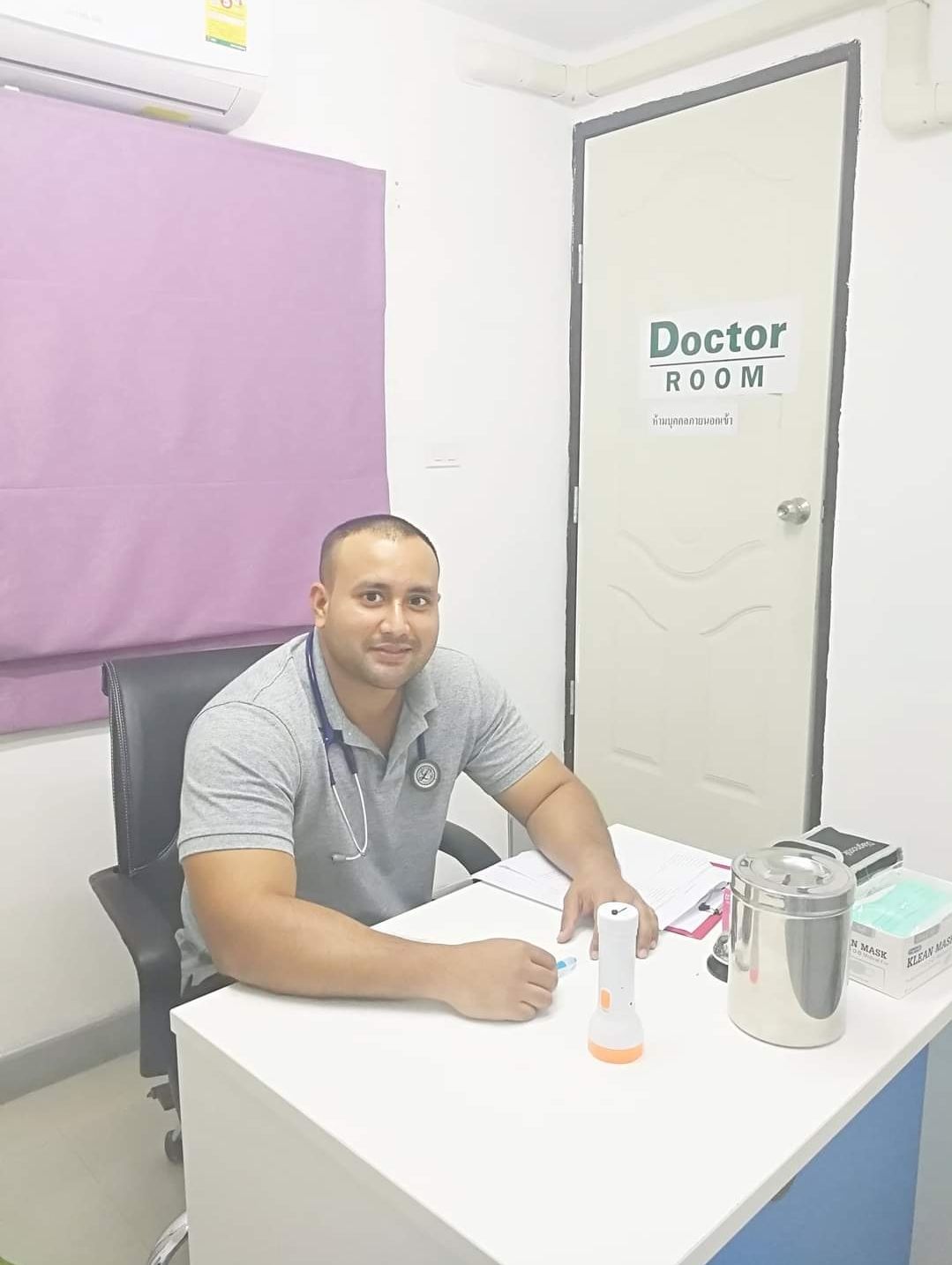
Dr. Ponlawat Pitsuwan is a physician at Doctor Bangkok, a private clinic in central Bangkok. He sees expats, residents, and medical tourists for general medicine, wellness consultations, and IV therapy. His focus is straightforward, evidence-based care delivered in plain language.