
Clinically reviewed by Dr. Ponlawat Pitsuwan, Physician, Doctor Bangkok. Last reviewed: July 2026
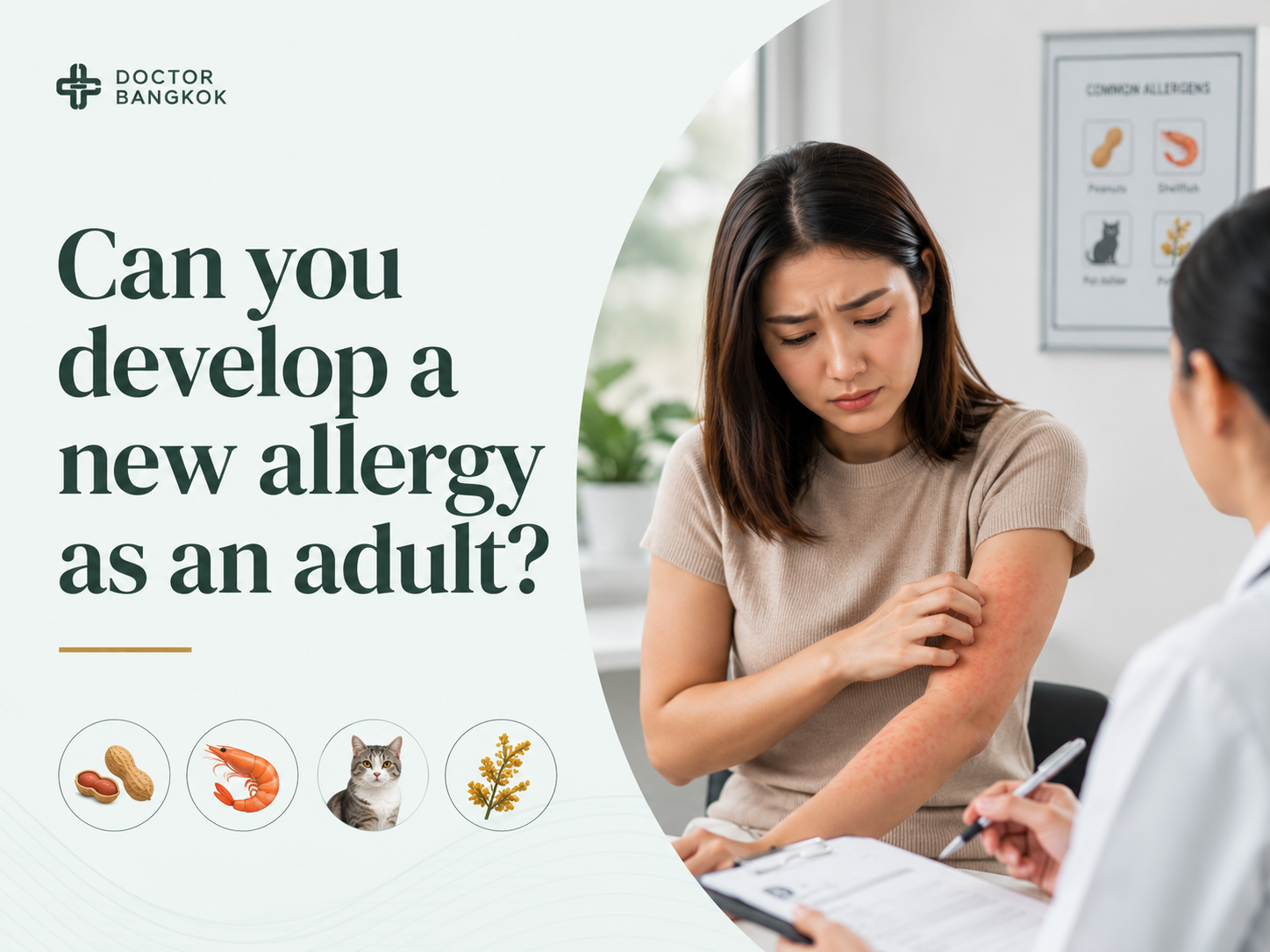
Yes, you can develop a new allergy at any age. Adults regularly develop allergies to things they have tolerated for years, including foods, dust mites, pollen, and animals. Moving to a new country, particularly one with a very different climate like Thailand, can trigger allergies that never appeared at home. If you have new symptoms you cannot explain, allergy testing can give you a clear answer.
If you have lived in Bangkok for a few months and started sneezing constantly, breaking out in hives after meals, or waking up congested every morning, you are not imagining it. I see this pattern regularly, particularly with expats who had no allergy history before moving here. The short answer is yes, adults absolutely can develop new allergies, and Bangkok is one of the cities most likely to trigger them.
Your immune system does not simply stop reacting to new things once you reach adulthood. Some people develop their first allergy at thirty, forty, or even sixty. New surroundings, new foods, a change in exposure, or even a viral illness can all shift how your immune system behaves. This article explains what causes adult-onset allergies, what makes Bangkok a particular hotspot, and when you need to see a doctor.

Why Your Immune System Can Change in Adulthood
Most people assume allergies are something you either have from childhood or never get at all. That is not how it works.
An allergy develops when your immune system decides a harmless substance is a threat and produces proteins called IgE antibodies. Those antibodies trigger symptoms whenever that substance appears again. This can happen at any point in your life.
What makes adulthood different is that the triggers are often things you have encountered before without any problem. You can eat shrimp your whole life and then one day your body reacts. That happens because the immune system can reach a tipping point after repeated exposure, or because something, such as stress, illness, or a change in environment, shifts how it responds.
Why Moving to Bangkok Can Trigger a New Allergy
This is the section I wish every newly arrived expat would read.
Bangkok’s allergen environment is genuinely different from what most people from temperate countries have ever experienced. The humidity stays high almost all year, which creates ideal conditions for a tropical dust mite called Blomia tropicalis. It is far more common here than the species most Westerners grew up around, and your immune system has simply never met it before.
Cockroach allergen is another one. Urban Bangkok apartments and older buildings have much higher cockroach allergen levels than most Western cities. It gets into the air and settles on surfaces. Many patients who think they have a general dust allergy are actually reacting to cockroach proteins.
Bangkok’s grasses, including Bermuda, Johnson, and Para grass, produce pollen year-round rather than in a defined season, so your body gets no break. During the dry months, PM2.5 levels from traffic and agricultural burning also spike. Pollution does not cause allergies directly, but it irritates already sensitised airways and makes reactions worse.
This is why patients often tell me their symptoms appeared six months to a year after arriving, not immediately. Sensitisation takes time. By the second year, your immune system has had enough.

Types of Allergies That Commonly Develop in Adults
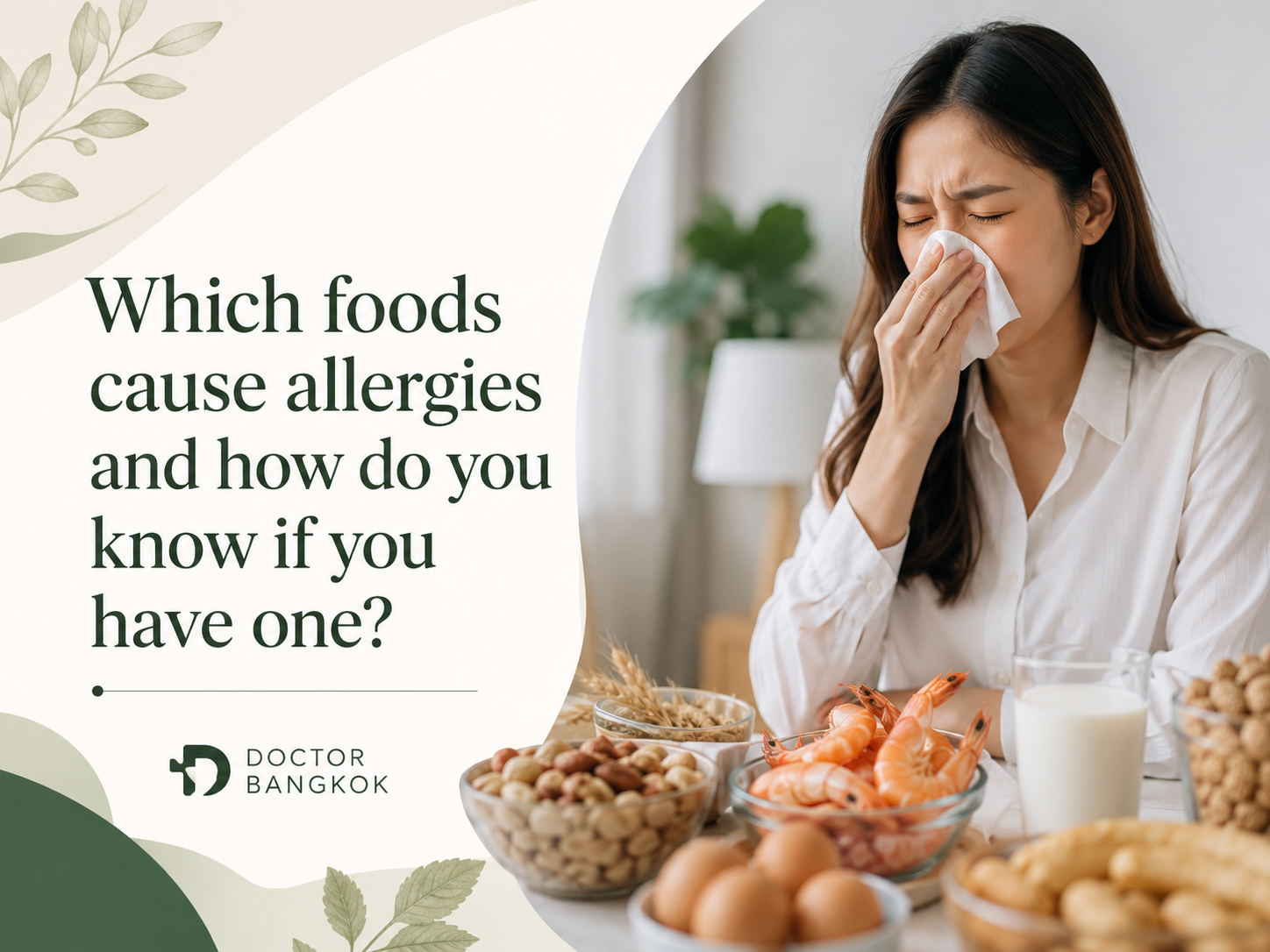
Food allergies are among the most common adult-onset allergies I see in my clinic. Shellfish and tree nuts are the most frequent, but wheat, sesame, and soy can also appear for the first time in adulthood. In Bangkok this matters particularly because Thai cuisine uses shrimp paste and fish sauce in ways that are not obvious. They appear in curries, dipping sauces, and stir-fries without any clear labelling.
Environmental allergies, meaning reactions to dust mites, pollen, mould, and animal dander, are the other major category. These tend to build gradually. You might notice you sneeze more in certain rooms, or that your eyes water every morning.
One thing worth knowing about is cross-reactivity. Some people develop pollen allergies and then find they react to certain raw fruits or vegetables. This is called oral allergy syndrome. The immune system confuses proteins in the fruit with proteins in the pollen it already reacts to. It is usually mild and limited to an itchy mouth and throat, but it can occasionally be more serious.
Allergy, Sensitivity, or Intolerance: What Is the Difference?
I get asked this almost every week, and it matters, especially for patients trying to work out why Thai food is upsetting them.
A true allergy involves your immune system producing IgE antibodies in response to a specific substance. Symptoms usually appear within minutes to two hours of exposure and can include hives, swelling, difficulty breathing, or anaphylaxis, a severe whole-body reaction that is a medical emergency.
A food intolerance does not involve the immune system in the same way. It usually causes gut symptoms like bloating, cramping, or diarrhoea, and tends to be dose-dependent, meaning small amounts may be fine but large amounts cause problems. Lactose intolerance is the most common example. Uncomfortable, but not dangerous the way an allergy can be.
Mistaking an allergy for an intolerance can be life-threatening. If you are avoiding a food because you think it just disagrees with you, but the real issue is an IgE-mediated allergy, you may eat enough of it one day to trigger anaphylaxis. Get tested rather than guessing.
Who Is Most at Risk of Developing Adult-Onset Allergies
Some people are more likely than others to develop new allergies in adulthood. If you have a personal or family history of eczema, asthma, or hay fever, your immune system already has an allergic tendency. Moving to Bangkok and introducing it to a completely new allergen environment can be enough to push it toward new reactions.
Pregnancy is another period when allergies can appear or change. So is recovering from a significant illness. Some patients notice their allergies shifted after COVID-19 or after a bad respiratory infection.
That said, allergies can also develop in people with no prior history and no obvious risk factors. I have seen it happen in patients in their fifties who had genuinely never had an allergic reaction before in their lives.
When to See a Doctor: Symptoms That Need Same-Day Attention
Most allergy symptoms are uncomfortable but not immediately dangerous. A runny nose, itchy eyes, sneezing, and mild hives can wait for a regular appointment.
Some symptoms cannot wait. If you develop swelling of your lips, tongue, or throat after eating, go to a hospital now. Difficulty breathing, chest tightness, dizziness, or widespread hives appearing rapidly after eating or a sting are all signs of anaphylaxis. Call for help immediately.
If you carry an adrenaline auto-injector, use it and then go to hospital. If you have had a severe reaction before but do not carry one, speak to a doctor about getting one prescribed. At Doctor Bangkok, we can assess your allergy history and advise whether you need emergency medication to carry.
How Allergy Testing Works at a Private Clinic in Bangkok
There are two main tests we use: the skin prick test and the specific IgE blood test.
The skin prick test gives results in about fifteen to twenty minutes. We place tiny amounts of common allergens on your forearm and lightly prick the skin through each drop. If you are allergic to something, a small raised bump appears at that spot. The key preparation: stop antihistamines three to seven days before the test. You do not need to stop asthma inhalers or nasal sprays.
The specific IgE blood test measures antibody levels in a blood sample. No preparation regarding medications is needed, so it is useful if you cannot stop antihistamines or if the skin test is not appropriate. Results take a few days to come back.
At Doctor Bangkok’s allergy clinic, a doctor will take a proper history first to understand what is triggering your symptoms, then recommend the most appropriate test. Sometimes the history alone points clearly to the diagnosis and testing confirms it.
How New Allergies Are Treated
Treatment depends on what you are reacting to and how severely.
For environmental allergies such as dust mites or pollen, the first-line treatments are antihistamines and nasal corticosteroid sprays. Both have strong evidence behind them and manage symptoms well for most patients. For food allergies, the main approach is strict avoidance. In Bangkok this requires real effort given how many allergens are hidden in Thai dishes, and we can help you understand where your trigger foods are most likely to appear.
For patients with persistent, moderate to severe allergic rhinitis who want a longer-term option, allergen immunotherapy is worth discussing. This involves regular low-dose exposure to the allergen over several years to gradually reduce sensitivity. Evidence is strong in adults with dust mite and grass pollen allergies. It typically requires three to five years, but some patients achieve significant and lasting relief. If you are considering allergy treatment in Bangkok, this is something we can discuss at your consultation.
If you have developed new allergy symptoms since moving to Bangkok, or you are not sure whether what you are experiencing is a true allergy, Doctor Bangkok can help. We offer allergy assessment and testing at our central Bangkok clinic, accessible by BTS, with English-speaking doctors. Book your allergy consultation online, same-week appointments are usually available.
Frequently Asked Questions
Can I suddenly become allergic to Thai food even if I have eaten it before without any problems?
Yes, and this is more common than most people expect. The immune system can sensitise to a food after years of tolerating it, particularly shellfish and peanuts, which are the most frequent adult-onset food allergens. Thai cuisine makes this especially tricky because fish sauce, shrimp paste, and peanuts appear in many dishes without being listed clearly. If you have a new reaction after eating, see a doctor rather than waiting to see whether it happens again, because reactions can escalate.
Why have I developed allergies since moving to Bangkok when I never had them before?
Bangkok’s allergen environment is genuinely different from most Western countries. Tropical dust mites, cockroach allergen, year-round grass pollen, and high humidity all introduce your immune system to substances it has never encountered before. Sensitisation takes time, which is why symptoms often appear in your first or second year rather than immediately on arrival. This is one of the most common things I hear from expats at my clinic.
How do I know if my symptoms are a true allergy or just irritation from Bangkok’s pollution?
Both can cause a runny nose, sneezing, and itchy eyes, which makes them easy to confuse. A true allergy involves your immune system reacting to a specific substance and symptoms usually appear consistently each time you are exposed. Pollution irritates airways but does not produce the same specific, reproducible pattern. The only way to know for certain is allergy testing, and a negative result is still useful because it rules out specific triggers and guides treatment.
What allergy tests are available in Bangkok and how do I prepare?
The two main options are the skin prick test, which gives results in about twenty minutes and requires stopping antihistamines three to seven days beforehand, and the specific IgE blood test, which measures antibody levels and needs no special preparation. A doctor consultation first helps determine which test suits your situation. At Doctor Bangkok’s allergy clinic, we guide you through the whole process so you know exactly what to expect.
Can an adult allergy go away on its own?
Food allergies that develop in adulthood rarely resolve without treatment, unlike some childhood food allergies that are outgrown. Environmental allergies may ease over time but this is unpredictable. Allergen immunotherapy can meaningfully reduce sensitivity over three to five years and is a real option for adults with chronic dust mite or pollen allergies. Untreated allergies tend to worsen rather than improve and can lead to complications like chronic sinusitis.
Is anaphylaxis a risk with a new adult allergy?
Yes. Any IgE-mediated allergy carries the potential for anaphylaxis, particularly with food allergies to shellfish, peanuts, or tree nuts. A first reaction may be mild and a later one more severe. Swelling of the throat, difficulty breathing, or sudden dizziness after eating are emergency symptoms and you should go to a hospital immediately. If you have had a severe allergic reaction, speak to a doctor about carrying an adrenaline auto-injector.
Dr. Ponlawat Pitsuwan
Physician, Doctor Bangkok
a private medical clinic in central Bangkok. He sees expats, residents, and medical tourists for allergy assessment, general consultations, and a wide range of acute and preventive health concerns. His focus is straightforward, evidence-based care delivered in plain language.
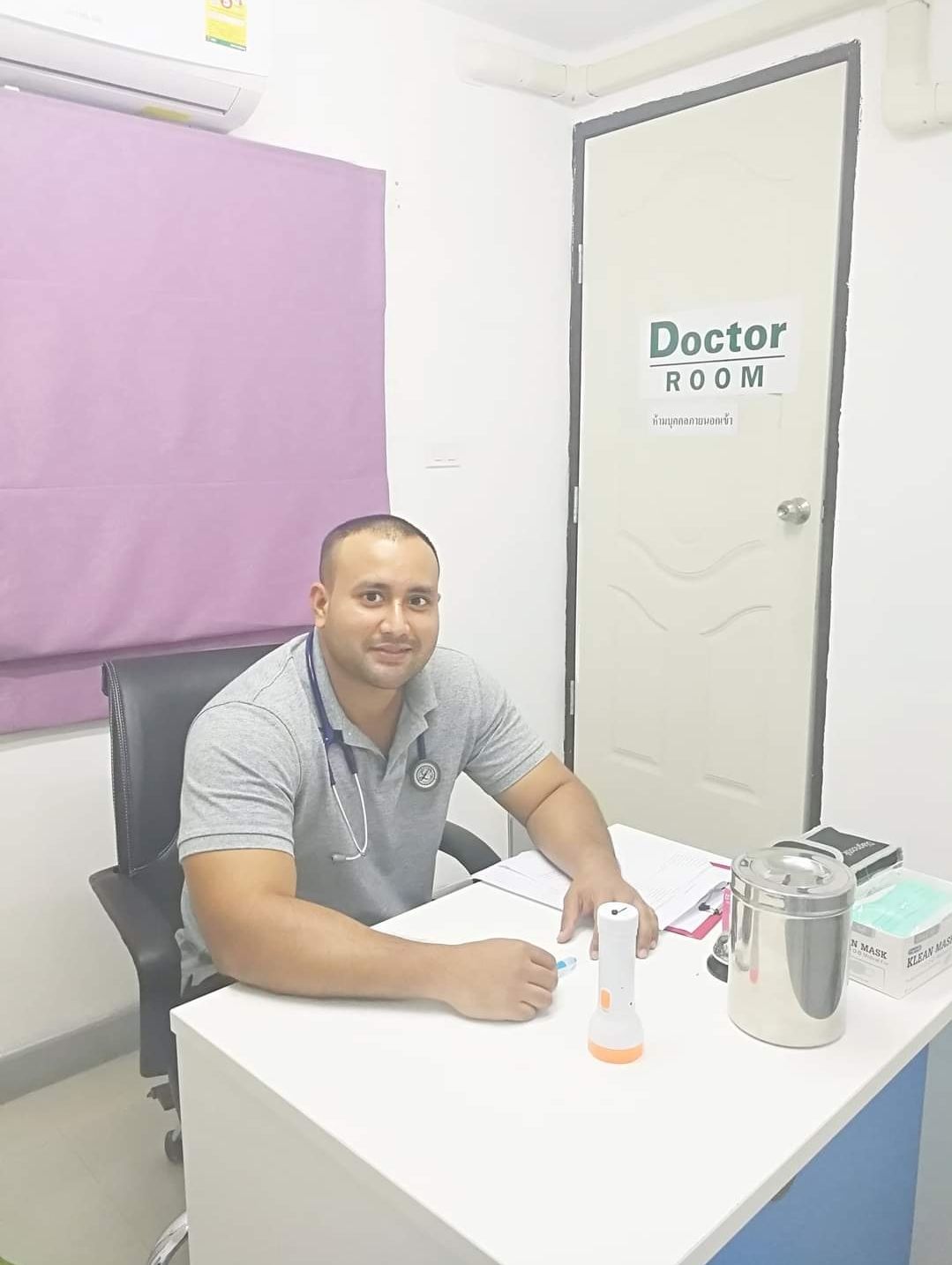
Dr. Ponlawat Pitsuwan is a physician at Doctor Bangkok, a private clinic in central Bangkok. He sees expats, residents, and medical tourists for general medicine, wellness consultations, and IV therapy. His focus is straightforward, evidence-based care delivered in plain language.