

Clinically reviewed by Dr. Ponlawat Pitsuwan, Physician, Doctor Bangkok.
Last reviewed: November 2026
Most people starting PrEP experience mild side effects in the first two to four weeks: nausea, loose stools, headache, or fatigue. These usually resolve on their own. Long-term kidney and bone effects are uncommon, monitored with routine blood tests every three months, and reversible if caught early.
You started PrEP last week and you feel off. Stomach unsettled, a bit flat, maybe a mild headache. You are not sure if this is normal or if something is wrong. The short answer: it is almost certainly normal, and it almost always passes.
What matters now is knowing which symptoms to ride out, which ones to flag to a doctor, and what ongoing monitoring you actually need. If you are in Bangkok without a regular GP, that last part is where things can slip. Daily oral PrEP only protects you if you stay on it safely, with the right checks in place.

Start-Up Symptoms on PrEP
The first two to four weeks are when most people feel it. Nausea is the most common complaint, followed by loose stools, headache, and tiredness. These are typical start-up effects of tenofovir disoproxil fumarate and emtricitabine, the combination found in Truvada and most generic versions available in Thailand.
These symptoms are real but mild for most people. They do not mean the drug is harming you.
Take the pill with food, not on an empty stomach. If mornings are rough, time it with your evening meal instead. Stay hydrated. Avoid ibuprofen or naproxen during the first month, as these add kidney stress at exactly the time the drug is settling in.
If symptoms are still significant after four weeks, that is worth reviewing. It does not automatically mean stopping PrEP, but a doctor should take a look.
Kidney and Bone Effects of PrEP
TDF-based PrEP can affect the kidneys and bones with long-term use. The risk is real but uncommon in healthy adults, and it is the reason monitoring exists.
In a small number of people, TDF causes the kidney tubules to lose efficiency in reabsorbing certain minerals. This shows up on a blood test before you feel anything, which is why the test matters more than waiting for symptoms.
Bone mineral density can also decrease slightly with TDF use. For most people under 40 with no pre-existing bone concerns, this is not clinically significant. If you have a history of fractures, low body weight, or use corticosteroids long-term, raise this before you start.
TAF-based PrEP has a more favourable profile for both kidney and bone markers. The trade-off is a slight increase in LDL cholesterol in some patients. This matters if you already have cardiovascular risk factors. Neither drug is universally better: the right choice depends on your individual health picture. The cardiovascular risk calculator at Doctor Bangkok can give you a clearer sense of where you stand before that conversation.

Who Is at Higher Kidney Risk on PrEP
Not everyone carries the same kidney risk. TDF puts more strain on kidneys that are already working harder. If you have diabetes, high blood pressure, pre-existing kidney disease, or are over 40 with any of those factors, your baseline kidney function needs checking before you start and monitoring more closely once you do.
Older age alone does not exclude you from TDF. But it does mean TAF or injectable cabotegravir may be better starting points. A doctor will check your eGFR (a measure of how well your kidneys filter) and creatinine clearance first, then make that call.
If you are lean, under 40, and otherwise healthy, TDF is generally well tolerated and the kidney risk at standard monitoring intervals is low.
PrEP Monitoring Tests and Schedule
Every three months on PrEP, you need a blood test. That is the standard interval and it is not optional.
The core test is kidney function: eGFR plus serum creatinine. A drop in eGFR below 60, or a meaningful decline from your personal baseline, is a flag to review your regimen.
You also need an HIV test every three months. PrEP only works if you are HIV-negative. Taking it while HIV-positive without knowing it can allow resistance to develop. STI co-testing at each visit makes sense too, since PrEP does not protect against chlamydia, gonorrhoea, or syphilis. The STD clinic at Doctor Bangkok can run the full panel alongside your PrEP bloods in a single visit.
If you have hepatitis B, stopping PrEP abruptly carries a separate risk. Both TDF and TAF suppress hepatitis B replication. Stop suddenly and the virus can rebound sharply, causing liver inflammation. Never run out of PrEP without a plan. If your supply has run low in Bangkok, come in before you stop entirely. The doctor-on-call service can reach you at your hotel the same day if you cannot get to the clinic.
Switching PrEP Options in Bangkok
If start-up symptoms persist past four weeks, your eGFR is declining, or TDF is not right for your profile, there are alternatives worth knowing.
TAF is the most common switch. The kidney and bone profile is better, the pill is the same size, and the transition is straightforward. The LDL consideration is real but manageable with routine monitoring.
On-demand PrEP, the 2-1-1 schedule, is another option for some people. You take two pills two to twenty-four hours before sex, one pill twenty-four hours after, and one pill forty-eight hours after. Less total drug exposure often means fewer side effects. The limitation is that 2-1-1 dosing is only validated for receptive anal sex in cisgender men and trans women who do not have hepatitis B. A doctor needs to confirm eligibility first.
Injectable cabotegravir is now available in Bangkok. It is given every two months, which removes daily adherence entirely and eliminates pill-related start-up symptoms. It is a different drug class from TDF or TAF, so kidney and bone concerns do not apply. It does require a clinic visit every eight weeks and is not suitable if you have hepatitis B co-infection without careful planning. If daily pills are genuinely not working for you, this is worth discussing.
For anyone starting, switching, or restarting PrEP in Bangkok, the PrEP service at Doctor Bangkok includes a full pre-treatment workup and structured follow-up. Walk in any time, or book a same-day STD test alongside your PrEP review.
Starting PrEP, due for your three-month monitoring bloods, or dealing with side effects that have not settled? Doctor Bangkok is open 24/7 on Sukhumvit Soi 13, a short walk from BTS Nana. We run your PrEP blood panel, HIV and STI tests, and kidney function check in one visit. Same-day results where available. If you cannot get to the clinic, our doctor-on-call service comes to your hotel or condo anywhere in Bangkok within one hour.
FAQ
Dr. Ponlawat Pitsuwan
Physician, Doctor Bangkok
a private medical clinic in central Bangkok open 24/7, with a doctor-on-call service that comes to your hotel or condo within one hour. He sees expats, residents, and medical tourists for PrEP prescribing, monitoring, sexual health testing, and STI management. His focus is straightforward, evidence-based care delivered in plain language.
References
- Molina JM et al. On-Demand Preexposure Prophylaxis in Men at High Risk for HIV-1 Infection. New England Journal of Medicine, 2015.
- Centers for Disease Control and Prevention. Preexposure Prophylaxis for the Prevention of HIV Infection in the United States — 2021 Update: Clinical Practice Guideline.
- California Department of Public Health. PrEP 2-1-1 Factsheet, 2019.
- Aidsmap. Switching to TAF-based PrEP improves kidney and bone markers – but does it raise cardiovascular risk? 2019.
- ViiV Healthcare. Apretude (cabotegravir) dosing and administration. ViiV Exchange.
- Baeten JM et al. Antiretroviral Prophylaxis for HIV Prevention in Heterosexual Men and Women. New England Journal of Medicine, 2012.
The information in this article is for educational purposes only and does not constitute medical advice. It should not be used to self-diagnose or replace a consultation with a qualified physician. If you have concerns about your health, contact a licensed medical professional. For appointments at Doctor Bangkok, visit doctorbangkok.co.th.
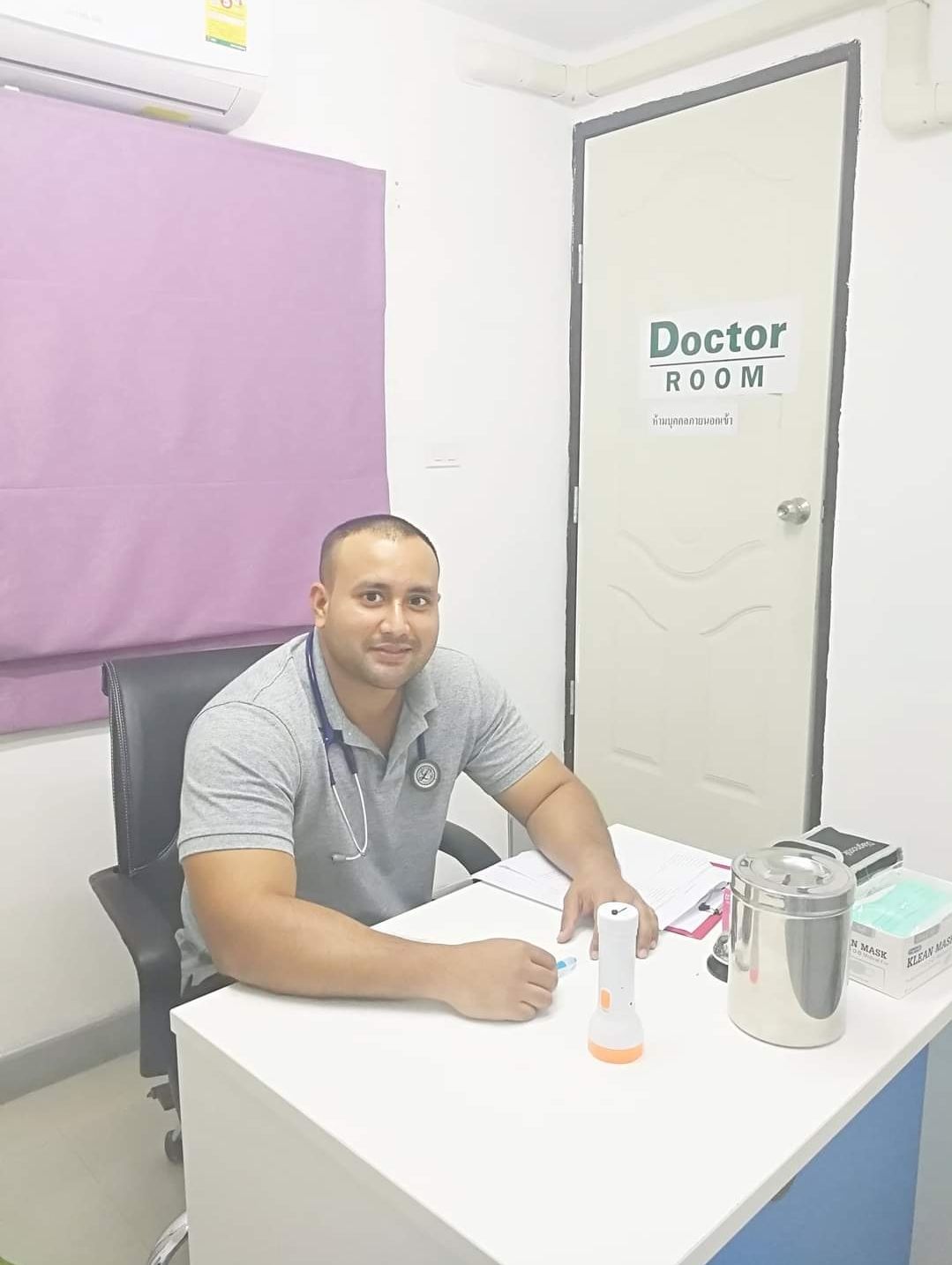
Dr. Ponlawat Pitsuwan is a physician at Doctor Bangkok, a private clinic in central Bangkok. He sees expats, residents, and medical tourists for general medicine, wellness consultations, and IV therapy. His focus is straightforward, evidence-based care delivered in plain language.