

Clinically reviewed by Dr. Ponlawat Pitsuwan, Physician, Doctor Bangkok.
Last reviewed: November 2026
Women need at least 21 days of daily oral PrEP to reach full protection against HIV through vaginal sex. The 2-1-1 on-demand schedule is not recommended for women under current WHO, IAS-USA, or Thai guidelines. TDF/FTC is safe throughout pregnancy and is the preferred option for women planning a family. Daily dosing without gaps is what makes PrEP work.
You are starting PrEP, or thinking about it, and you want to know exactly when it kicks in. The short answer is that the rules are not the same for women as for men. Same tablet, same strength, but a different timeline to protection, and that difference matters.
If you are a woman in Bangkok, whether you are an expat, a frequent traveller, or trying to conceive, the detail you actually need is this: how long until you are covered, whether event-driven dosing applies to you, and what happens if you are pregnant or on hormonal contraception. These are not minor footnotes. They change how you use PrEP safely.

Why PrEP Protection Time Differs for Women
The tablet is identical for everyone. What differs is how quickly the active drug, tenofovir-diphosphate, builds up in the tissues that need protecting.
In rectal tissue, tenofovir-diphosphate accumulates quickly. Protection through receptive anal sex is established within around seven days of daily dosing. Cervicovaginal tissue is different. Drug concentrations build more slowly there, which is why protection through vaginal sex requires approximately 21 days of consistent daily dosing.
Missing doses during those first three weeks, or missing doses later, delays or reduces protection. There is less dosing forgiveness for vaginal exposure than for rectal exposure. Those 21 days need to be uninterrupted.
Daily PrEP Is the Only Recommended Schedule for Women
For women, daily oral PrEP is the only currently recommended schedule.
The 2-1-1 method, two tablets before sex, one the day after, one two days after, is event-driven dosing studied in men who have sex with men. The clinical trials that established it, including the IPERGAY study, enrolled men and transgender women, not cisgender women. WHO and IAS-USA guidelines do not recommend event-driven dosing for women, specifically because vaginal tissue drug concentrations are not established with this schedule.
TAF/FTC (Descovy) is another approved PrEP option, but current prescribing guidance in most countries, including Thailand, restricts it to men and transgender women who have sex with men. TDF/FTC remains the standard choice for cisgender women, particularly those who may become pregnant.
If you have questions about which formulation applies to your situation, a clinician can review this with you at our STD clinic in Bangkok.

PrEP During Pregnancy and Breastfeeding
PrEP and pregnancy is not a reason to stop. It is often a reason to continue.
HIV acquisition risk is elevated during pregnancy and in the postpartum period, with per-act risk appearing highest in late pregnancy and early postpartum in studies of serodiscordant couples. The postpartum window is an under-recognised time of heightened risk. Continuing PrEP through this period is clinically appropriate when risk remains present.
TDF/FTC has extensive safety data in pregnancy and is the most studied antiretroviral option for PrEP in pregnancy. Current WHO and US guidelines recommend it throughout pregnancy and during breastfeeding. If you discover you are pregnant while on PrEP, do not stop without speaking to a doctor first. PrEP should not be started or continued in anyone who is already HIV-positive, and it is not suitable for people with significant kidney impairment. If you have any concern about either of these, tell your doctor before or at the time you start.
Injectable cabotegravir (CAB-LA) is a long-acting PrEP option available at selected clinics in Bangkok. The approved schedule starts with two monthly loading injections, then one injection every two months after that. For women who become pregnant on CAB-LA, there is a specific concern: the drug has a long tail-off period after the last injection, meaning it stays in the body at sub-protective levels for weeks or months. Current guidance generally advises switching to oral TDF/FTC if pregnancy is confirmed or planned. Confirm the current Thai prescribing position on CAB-LA with a physician before making any changes.
Contraception and PrEP Interactions
Good news here. TDF/FTC-based PrEP has no meaningful interaction with hormonal contraceptives. The pill, patch, implant, injection including depot medroxyprogesterone acetate, or hormonal IUD: none of these are affected. PrEP does not reduce contraceptive effectiveness, and contraceptives do not reduce PrEP effectiveness.
The confusion sometimes comes from efavirenz-containing HIV treatment regimens, which carry a drug interaction with hormonal contraceptives. Those are treatment regimens for people living with HIV, not PrEP. If you are on PrEP, this interaction does not apply to you.
One practical point: PrEP prevents HIV. It does not prevent pregnancy or other sexually transmitted infections. If you want to know your full STI status, STD testing in Bangkok can be done at the same visit as a PrEP review.
Starting PrEP as a Woman in Bangkok
The process is straightforward. Before starting, you need an HIV test to confirm you are HIV-negative, a basic kidney function test, and a hepatitis B screen. If you have never had hepatitis B, vaccination at the same time is worth considering.
After starting, follow-up is typically at one month and then every three months. Each visit includes an HIV test and a kidney function check. This monitoring is how PrEP is used safely, not an optional extra.
If you need to start quickly, or if you have run out of PrEP mid-trip, Doctor Bangkok’s doctor-on-call service can come to your hotel or condo anywhere in Bangkok within one hour, any time of day or night. A doctor assesses your eligibility, arranges same-day testing, and initiates PrEP without you navigating a Thai hospital system alone. The clinic on Soi Sukhumvit 13 is also open 24 hours a day for walk-ins.
For women trying to conceive, on hormonal contraception, or in the postpartum period, a focused conversation about your specific situation is more useful than general PrEP guidance. Book a PrEP and sexual health consultation and get advice that fits your circumstances.
Start PrEP or review your current regimen at Doctor Bangkok. Women have specific PrEP needs: the 21-day protection window, pregnancy safety, postpartum risk, and contraception questions all require a clinical conversation. Our physicians are available 24 hours a day, 7 days a week. Walk in to our clinic on Soi Sukhumvit 13, or have a doctor come to your hotel or condo within one hour. HIV testing, PrEP initiation, and ongoing monitoring are all available same-day. Contact us to book your PrEP consultation.
FAQ
Dr. Ponlawat Pitsuwan
Physician, Doctor Bangkok
a private medical clinic in central Bangkok, open 24/7, with a doctor-on-call service that comes to your hotel or condo within one hour. He sees expats, residents, and medical tourists for HIV prevention including PrEP and PEP, sexual health consultations, STI screening, and women’s health. His focus is straightforward, evidence-based care delivered in plain language.
References
- Centers for Disease Control and Prevention. US Public Health Service: Preexposure Prophylaxis for the Prevention of HIV Infection in the United States — 2021 Update. CDC, 2021.
- World Health Organization. WHO Consolidated Guidelines on HIV Prevention, Testing, Treatment, Service Delivery and Monitoring, 2021. WHO, 2021.
- Cottrell ML, et al. A Translational Pharmacology Approach to Predicting Outcomes of Preexposure Prophylaxis Against HIV in Men and Women Using Tenofovir Disoproxil Fumarate With or Without Emtricitabine. Journal of Infectious Diseases, 2016.
- Antiretroviral Pregnancy Registry. Interim Report, 1 January 1989 through 31 January 2024. APRegistry, 2024.
- Nduati R, et al. (HPTN 084 secondary analysis). Evaluation of long-acting cabotegravir safety and pharmacokinetics in pregnant women in eastern and southern Africa. Journal of the International AIDS Society, 2025.
- ViiV Healthcare / FDA. Apretude (cabotegravir extended-release injectable suspension) Prescribing Information. FDA, 2021.
The information in this article is for educational purposes only and does not constitute medical advice. It should not be used to self-diagnose or replace a consultation with a qualified physician. If you have concerns about your health, contact a licensed medical professional. For appointments at Doctor Bangkok, visit doctorbangkok.co.th.
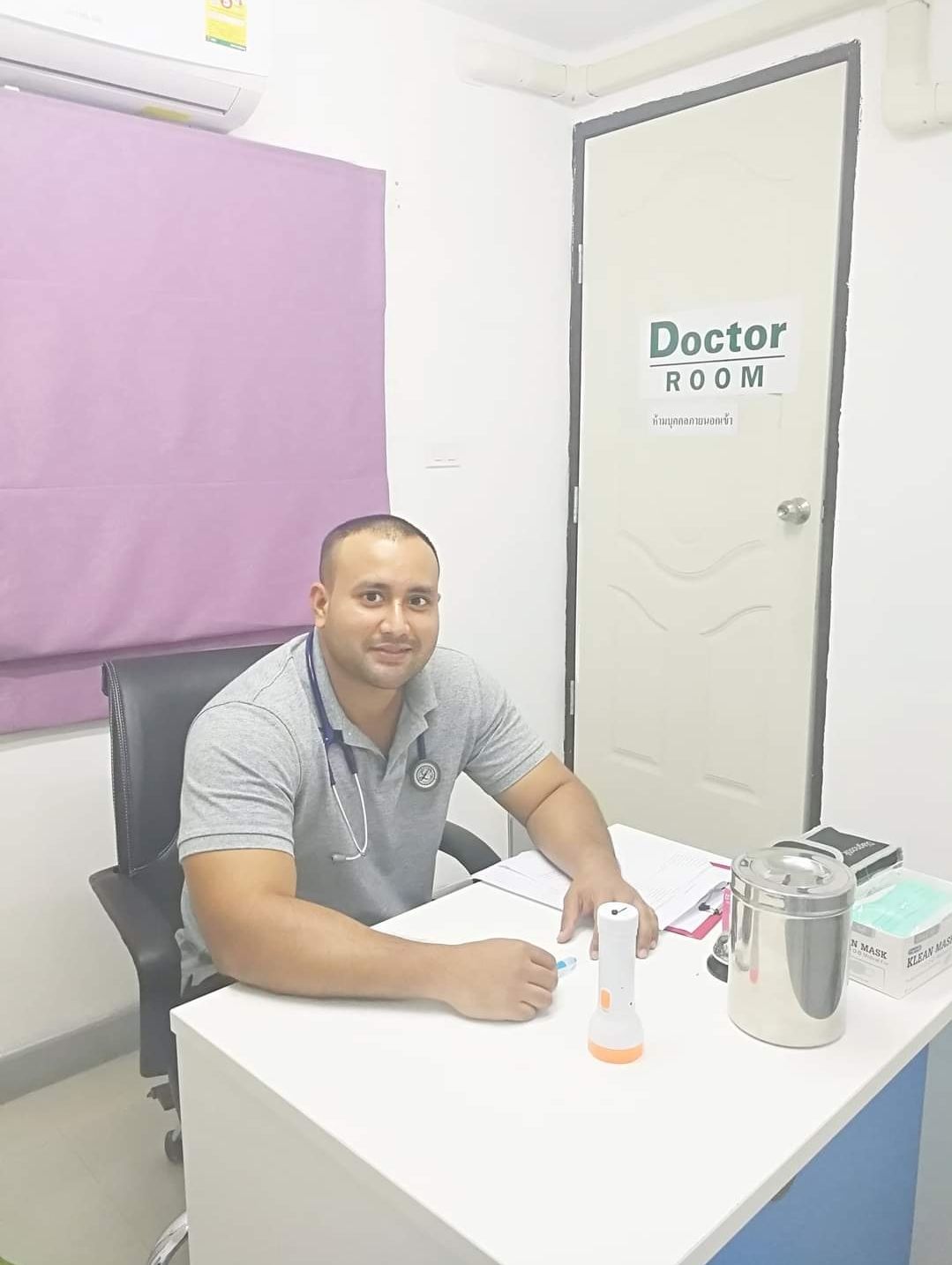
Dr. Ponlawat Pitsuwan is a physician at Doctor Bangkok, a private clinic in central Bangkok. He sees expats, residents, and medical tourists for general medicine, wellness consultations, and IV therapy. His focus is straightforward, evidence-based care delivered in plain language.