
Clinically reviewed by Dr. Ponlawat Pitsuwan, Physician, Doctor Bangkok.
Last reviewed: October 2026
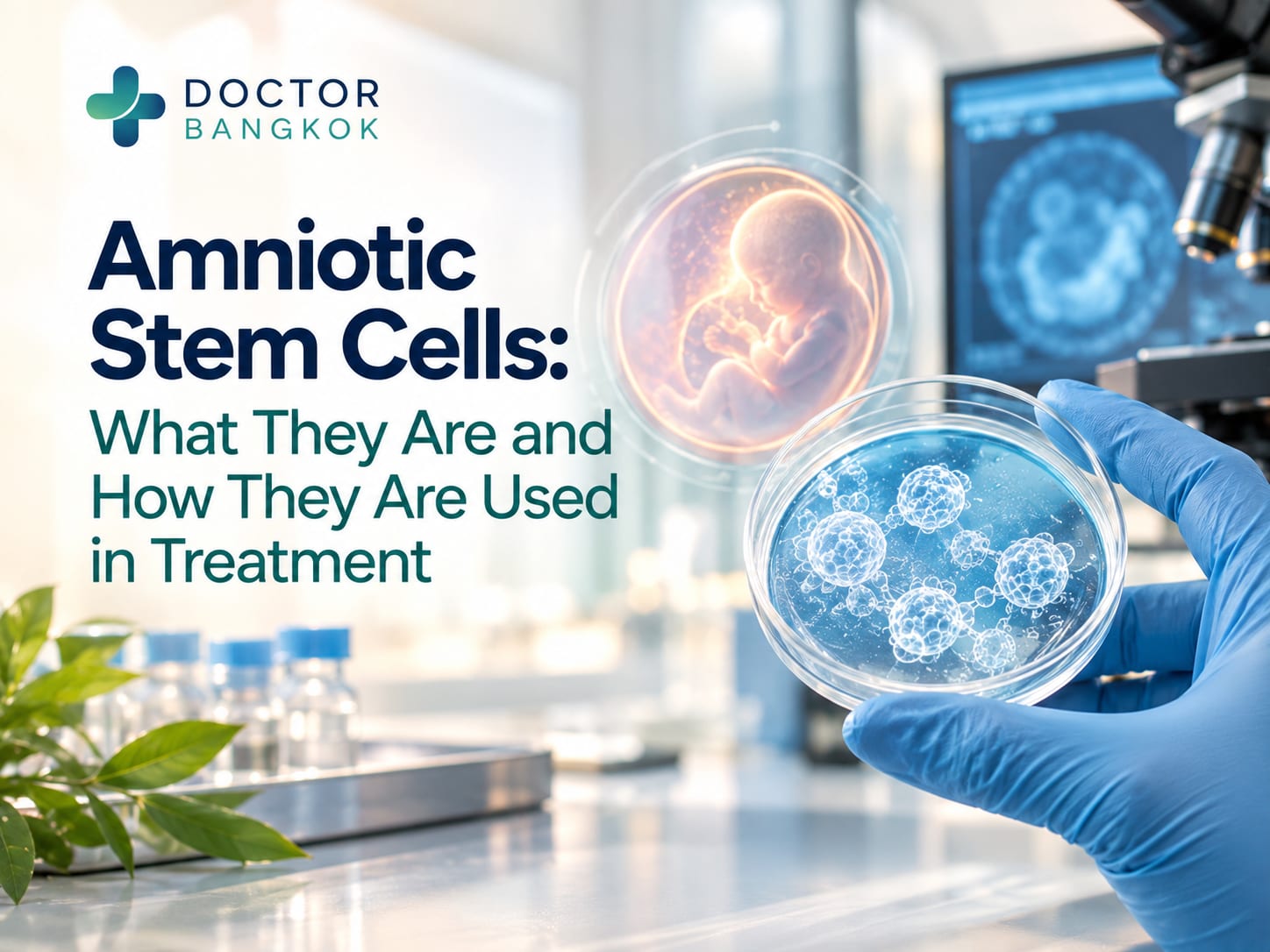
Amniotic stem cells come from the fluid and membrane surrounding a baby during pregnancy. They are collected during routine procedures with donor consent, involve no embryo destruction, and have a strong safety profile in research. They are used in regenerative medicine for joint conditions, wound healing, neurological support, and anti-aging protocols, and are available through physician-led consultation at Doctor Bangkok.
Most patients who come to me about stem cell therapy have spent an hour online and finished more confused than when they started. Embryonic, cord blood, amniotic, mesenchymal — the words blur together fast. If you are trying to figure out whether amniotic stem cells are the right option for you, this is where I will clear that up.
Amniotic stem cells are one of the more clinically interesting tools in regenerative medicine right now. They are ethically straightforward, well-tolerated, and backed by a growing body of research. They are not a cure for everything, and I will be honest about where the evidence is solid and where it is still early.
What Are Amniotic Stem Cells? Types Explained Simply
There are three main types, and they are not the same thing.
The first are amniotic fluid stem cells, or AFSCs. These come from the fluid surrounding the baby in the womb. They sit somewhere between embryonic and adult stem cells in terms of flexibility and can develop into several different cell types.
The second type are human amniotic epithelial cells, known as hAECs. These come from the inner layer of the amniotic membrane, the thin tissue lining the fluid sac. They have strong anti-inflammatory properties and a low risk of being rejected by the recipient’s immune system.
The third type are human amniotic mesenchymal stromal cells, or hAMSCs. These come from the deeper layer of the membrane. They are easier to collect than bone marrow stem cells and tend to cause fewer immune reactions. All three are sometimes grouped under the label placental-derived stem cells.
Why Amniotic Stem Cells Have No Ethical Concerns
This is the question I get most often, and the answer is simple: amniotic stem cells do not come from embryos.
They are collected either during amniocentesis, a routine prenatal procedure, or from the placenta and membrane at the time of delivery. No embryo is harmed. The donor gives informed consent. This is a completely different process from embryonic stem cell research, which is where most ethical debate in this field actually sits.
Research also shows that amniotic stem cells have chromosomal stability. They have not been shown to cause tumour growth in studies, which is one of the key safety questions patients ask about.
How Are Amniotic Stem Cells Sourced and Prepared?
Cells are isolated from donated amniotic fluid or membrane tissue, screened for infectious disease, and processed in a controlled lab. They can be expanded in the lab to produce a usable quantity, then frozen through cryopreservation until needed.
What matters to you as a patient is that sourcing and screening standards vary significantly between providers. This is one reason I always tell patients to ask where cells come from before agreeing to treatment. At Doctor Bangkok, our stem cell therapy uses cells from ethically sourced, screened donors. The treating physician reviews sourcing as part of the clinical assessment before recommending anything.
Conditions Commonly Treated with Amniotic Stem Cells
Joint conditions are the most common application I see. Osteoarthritis and joint degeneration, particularly in the knee and hip, are where the evidence base is strongest. The anti-inflammatory properties of amniotic stem cells, combined with naturally occurring compounds in amniotic fluid such as hyaluronic acid, support joint repair and pain reduction.
Wound healing is another well-supported area. Amniotic membrane has been used in surgical and wound care settings for decades, and stem cell preparations add to this by accelerating tissue repair.
Neurological conditions, including certain inflammatory and degenerative diseases of the nervous system, are an active area of research. Evidence is still early, but the initial studies are promising.
Anti-aging and longevity protocols are increasingly requested, particularly among expats and medical tourists coming through Bangkok. The immune modulation and tissue repair signals that amniotic stem cells produce are linked to slower cellular ageing. Results vary between individuals, and I tell patients upfront to approach this with realistic expectations.
Investigational applications include liver injury, kidney recovery, and cardiovascular support. These are not yet standard treatments, and research is ongoing.
How Are Amniotic Stem Cells Administered? Injection vs. IV Infusion
The delivery method depends on what you are treating.
For joint pain or a localised tissue injury, a direct injection into the affected area is standard. For systemic conditions, including neurological applications and anti-aging protocols, intravenous infusion is used. The cells are delivered through a drip and circulate through the body.
Some protocols use both. The decision is made clinically, based on the condition and the individual patient. This is not something that should be decided by a package price or a standard menu. The treating physician at Doctor Bangkok makes this call during your consultation, after reviewing your history and what you are hoping to address.
Amniotic Stem Cells vs. Other Stem Cell Types
| Stem Cell Type | Source | Ethical Concern | Immune Rejection Risk | Evidence Base |
|---|---|---|---|---|
| Amniotic (AFSCs, hAECs, hAMSCs) | Amniotic fluid or membrane | None | Low | Moderate and growing |
| Embryonic | Embryo | Yes, significant debate | Low | Strong but restricted |
| Bone marrow (MSCs) | Patient’s own bone | None | Very low (autologous) | Strong for blood disorders |
| Umbilical cord | Cord blood at birth | None | Low | Moderate |
Bone marrow stem cells remain the established option for blood-related conditions. For regenerative and anti-inflammatory applications, amniotic stem cells compare well with cord blood cells and have the practical advantage of being easier to source in useful quantities. Embryonic stem cells carry strong research behind them but are ethically restricted and not used in most clinical settings.
What Are the Risks and Limitations of Amniotic Stem Cell Therapy?
I want to be direct here, because a lot of clinic pages skip this part entirely.
The safety profile of amniotic stem cells is genuinely good. Low immunogenicity, no documented tumour formation, stable chromosomes. But response to treatment is not guaranteed and varies between individuals. Not every patient sees significant improvement. Outcomes depend on your baseline health, the severity of the condition, and the quality of the cells used.
There is also real variability in this field globally. Some providers make claims that go well beyond what the evidence supports. That is worth knowing when you are comparing your options.
Not everyone is a suitable candidate. Certain underlying conditions may affect eligibility, which is why a proper clinical assessment matters. At Doctor Bangkok, we assess candidacy carefully before recommending stem cell treatment, and we discuss realistic expectations, not just best-case outcomes.
Getting Amniotic Stem Cell Therapy in Bangkok
Bangkok has become a genuine destination for regenerative medicine. Qualified physicians, lower costs than Western countries, and accessible private clinics attract both long-term expats and patients flying in specifically for treatment.
What I see most often is patients who have done serious research online and arrive with specific questions. That is a good sign. It means you are approaching this seriously.
A consultation at Doctor Bangkok for amniotic stem cell therapy starts with a full review of your health history and current concerns. We discuss what you are hoping to achieve, which cell type and delivery route fits your situation, and what a realistic timeline looks like. The clinic is centrally located and BTS accessible, which makes follow-up visits practical whether you live here or are in Bangkok for a longer medical stay.
If you are an expat managing joint pain or considering an anti-aging protocol, the question is not whether this therapy exists. It is whether it is right for you specifically. That requires a conversation.
Thinking about amniotic stem cell therapy in Bangkok? Doctor Bangkok offers physician-led stem cell consultations for expats, residents, and medical tourists. We assess your individual situation, explain your options honestly, and recommend treatment only where the evidence supports it. We are centrally located in Bangkok and BTS accessible. Contact us to book a consultation.
Frequently Asked Questions
Dr. Ponlawat Pitsuwan
Physician, Doctor Bangkok
a private medical clinic in central Bangkok. He sees expats, residents, and medical tourists for stem cell therapy consultations, general health assessments, and regenerative medicine enquiries. His focus is straightforward, evidence-based care delivered in plain language.
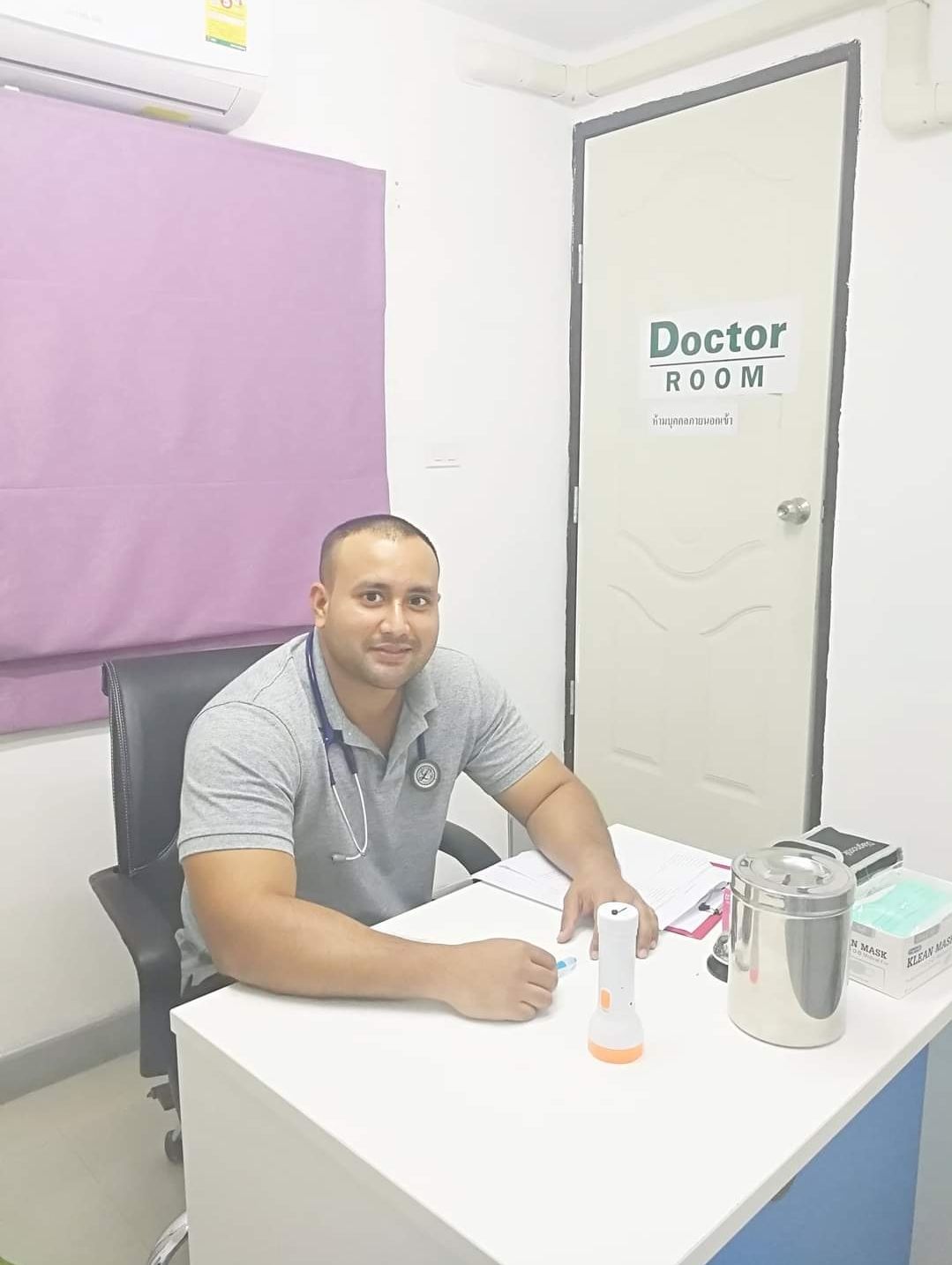
Dr. Ponlawat Pitsuwan is a physician at Doctor Bangkok, a private clinic in central Bangkok. He sees expats, residents, and medical tourists for general medicine, wellness consultations, and IV therapy. His focus is straightforward, evidence-based care delivered in plain language.