
Clinically reviewed by Dr. Ponlawat Pitsuwan, Physician, Doctor Bangkok.
Last reviewed: September 2026
Stem cell therapy for hearing loss is still investigational. Research in animal models is promising, and early human trials are underway, but large-scale clinical evidence does not yet exist. If you are exploring this option in Bangkok, an independent medical consultation before committing to any treatment is the most important first step you can take.
I get asked about stem cells for hearing loss more than you might expect. Usually it is someone who has been told their hearing loss is permanent, has tried hearing aids, and is now looking for something more. That is a completely understandable place to be.
The short answer: stem cell therapy for hearing loss is one of the most promising areas in regenerative medicine right now, but it is not ready for routine use. The research is real, early human trials are genuinely encouraging, and some patients are reasonable candidates for investigational treatment. But the gap between what the science shows and what some clinics are marketing is wide. Here is where things actually stand.

Why the Inner Ear Cannot Repair Itself
Most parts of the body heal to some degree. The inner ear does not. When the tiny hair cells in the cochlea are damaged, they do not grow back. Not in adults. Not without intervention.
Birds and fish regenerate these cells naturally. Mammals lost that ability somewhere in evolution. The result is that noise damage, drug toxicity, ageing, or infection can permanently destroy the hair cells that convert sound into nerve signals. Once they are gone, conventional medicine has no way to replace them.
This is also why cochlear implants and hearing aids, both proven technologies, work by compensating for the damage rather than repairing it. Stem cell research is aimed at actual repair.
Which Types of Hearing Loss Could Stem Cells Actually Address?
This matters more than most sources explain. Stem cell research is focused almost entirely on sensorineural hearing loss. That is hearing loss caused by damage to cochlear hair cells or to the nerve cells that carry signals from the inner ear to the brain.
Conductive hearing loss, where the problem is mechanical, such as a blocked ear canal or damaged eardrum, is not a target for stem cells. That type has other solutions. Auditory neuropathy, where the hearing pathway itself is disrupted, is an area of emerging interest, though the research is at an earlier stage.
Ototoxic drug-induced hearing loss, where certain medications damage the hair cells, is also being studied. If you have taken chemotherapy drugs or high-dose antibiotics and noticed hearing changes afterward, that is the kind of damage researchers are specifically working on.
Genetic hearing loss linked to genes like OTOF is increasingly being addressed by gene therapy rather than stem cells. These are related but distinct fields. If your hearing loss has a known genetic cause, ask your specialist whether gene therapy trials are more relevant for you.

Types of Stem Cells Being Studied for Hearing Loss
Not all stem cells are the same, and the type matters when you are evaluating what a clinic is offering.
Embryonic stem cells can become almost any cell type, including hair cells. They carry a risk of abnormal growth and are heavily restricted in clinical settings. Induced pluripotent stem cells, or iPSCs, are adult cells reprogrammed to an embryonic-like state. They can be made from a patient’s own tissue, and lab research using iPSCs to generate hair-cell-like structures has shown real promise. Making that process safe and scalable for clinical use is the challenge, and we are not there yet.
Mesenchymal stem cells, or MSCs, are the type most commonly offered in Bangkok. They come from bone marrow, fat tissue, or umbilical cord tissue. They do not directly become hair cells, but evidence suggests they may support nerve survival and reduce inflammation in the inner ear. This makes them relevant, but less targeted than the iPSC approaches being developed in research labs.
LGR5 progenitor cells are a particularly interesting direction. These cells already exist in the inner ear in small numbers and may have some regenerative capacity. Researchers are exploring ways to activate them. This is preclinical, but it is one of the more biologically promising directions the field is heading.
Where the Research Actually Stands Right Now
Most of the strongest results are still from animal studies. In rodents, stem cell transplants into the inner ear have led to measurable improvements in hearing function. The biology is compelling. Reliable, safe results in humans have not been established yet.
The most significant recent development is the Rincell-1 trial by Rinri Therapeutics, the first dedicated stem cell therapy for hearing loss to enter human clinical trials. It began in late 2025. That is a genuine milestone. But first-in-human trials are early-stage safety studies. Results that could change clinical practice are still years away.
There is also growing interest in cord blood transplants for children with acquired sensorineural hearing loss. Small studies have shown auditory improvement after autologous cord blood infusion in children who lost hearing after illness. These results are interesting but come from small patient numbers and need replication.
Exosome therapy is another emerging direction. Instead of transplanting whole stem cells, researchers use the signalling molecules that stem cells release to try to trigger repair in the inner ear. This approach may eventually be safer and easier to standardise, but it is even earlier in development.
Stem Cell Therapy for Hearing Loss in Bangkok: What to Know
Stem cell therapy is legal in Thailand. The Thai FDA, together with the Medical Council of Thailand and the Ministry of Public Health, regulates advanced therapy medicinal products. Clinics offering these treatments are required to operate within this framework.
What that framework does not guarantee is that every clinic offering MSC therapy for hearing loss in Bangkok is offering a validated, evidence-backed treatment. There is no currently approved stem cell programme in Thailand specifically for hearing loss. What exists are investigational treatments offered under varying levels of clinical rigour.
If you are an expat living in Bangkok or visiting for treatment, navigating this market without an independent clinical opinion is a real risk. Not necessarily a physical one, but the risk of spending significant money on a treatment that does not match your actual diagnosis.
At Doctor Bangkok, we see patients at exactly this decision point. Our role is not to sell you a package. It is to review your hearing history, your audiological reports, and your current diagnosis, and help you understand what the evidence supports for your specific situation. You can find out more about how we approach this at our stem cell therapy consultation page.
Red Flags and What a Legitimate Provider Looks Like
Stem cell tourism is a documented problem in Thailand and across Asia. Here is what should concern you.
Any clinic that quotes a package price before seeing your medical records and audiological results is not operating to a clinical standard. Any clinic that guarantees hearing improvement is making a claim the evidence does not support. If you cannot get a straight answer about where the cells come from, whether they are GMP-certified, and what regulatory framework applies, that is a serious problem.
A legitimate provider will want your full audiological history before anything else. They will discuss evidence honestly, including its limits. They will explain cell sourcing, confirm GMP certification, and outline what monitoring happens after treatment. They will not pressure you to commit quickly.
Getting an Independent Consultation Before You Commit
If you are seriously considering stem cell therapy for hearing loss, the single most protective thing you can do is get an independent medical opinion first. That means a physician with no financial interest in whether you proceed.
At Doctor Bangkok, that is exactly what we offer. We will look at your hearing loss history, your test results, and the treatment you are considering, and give you a straight clinical view of whether it makes sense for you. We can also help you understand what questions to ask any specialist or stem cell provider you see next.
This is not the same as talking to the clinic that wants to treat you. Those conversations have value, but they are not independent. If you are about to spend a meaningful amount of money, a separate unbiased opinion matters. Learn more about our stem cell therapy consultations and what to expect.
If you are exploring stem cell therapy for hearing loss and want an honest, independent clinical opinion before making any decisions, Doctor Bangkok offers physician consultations specifically for this. We will review your audiological history, discuss what the evidence actually supports for your situation, and help you ask the right questions before committing to any treatment. Book a consultation at Doctor Bangkok, centrally located in Bangkok and BTS accessible.
FAQ
Dr. Ponlawat Pitsuwan
Physician, Doctor Bangkok
a private medical clinic in central Bangkok. He consults with expats, residents, and medical tourists seeking clinical guidance on regenerative medicine options, including [stem cell therapy](https://doctorbangkok.co.th/stem-cell-therapy-bangkok/) for hearing loss and related conditions. His focus is straightforward, evidence-based care delivered in plain language.
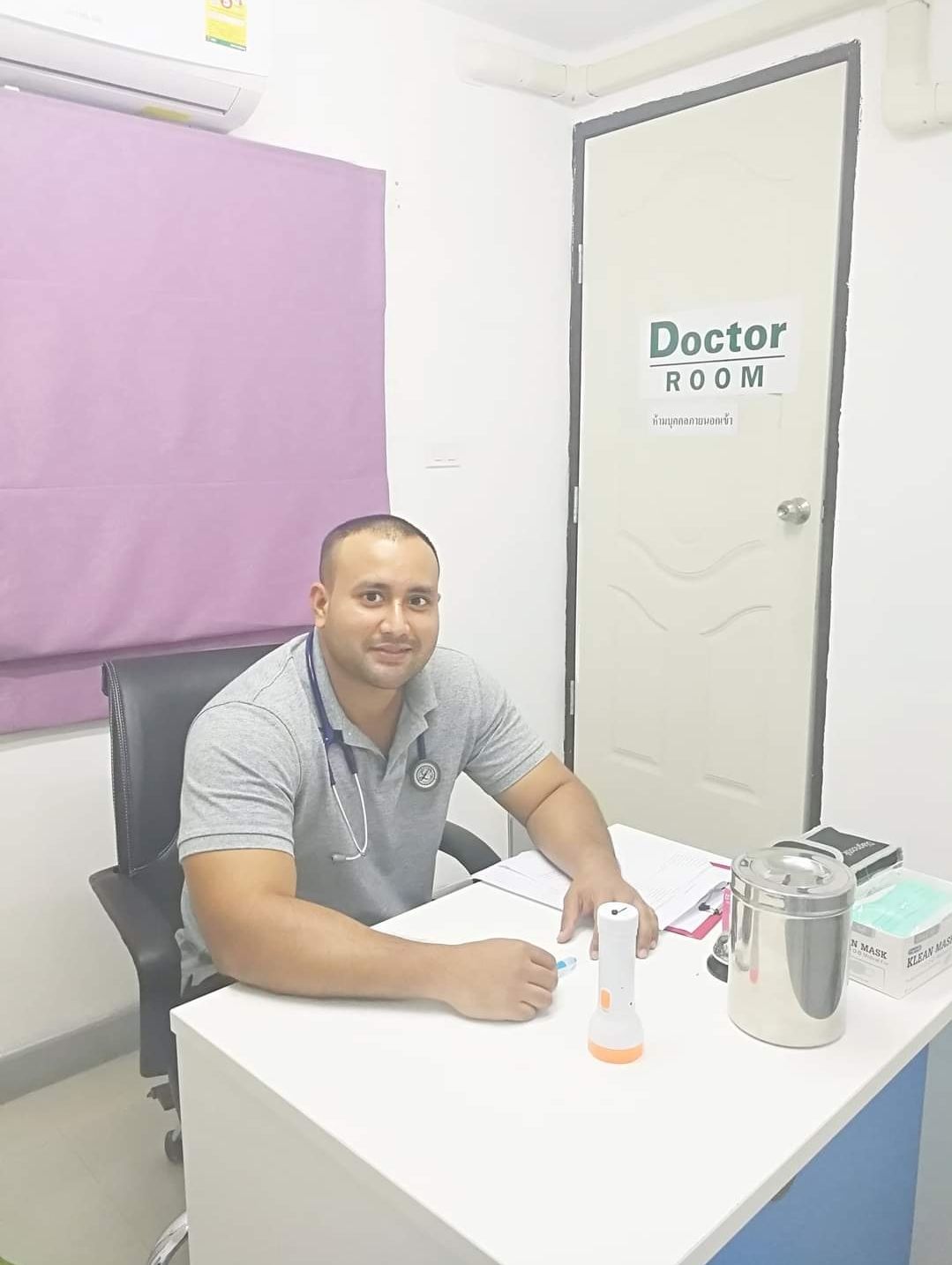
Dr. Ponlawat Pitsuwan is a physician at Doctor Bangkok, a private clinic in central Bangkok. He sees expats, residents, and medical tourists for general medicine, wellness consultations, and IV therapy. His focus is straightforward, evidence-based care delivered in plain language.