
Clinically reviewed by Dr. Ponlawat Pitsuwan, Physician, Doctor Bangkok. Last reviewed: September 2026
Stem cell therapy uses the body’s own repair cells to treat or replace damaged tissue. Some uses are well-established and proven, such as bone marrow transplants for blood cancers. Many others marketed in Bangkok are still experimental. Before committing to any treatment, start with a physician-led consultation to understand what the evidence actually supports for your condition.
A patient came in last month, phone in hand, having already paid a deposit to a Bangkok wellness centre promising stem cell anti-aging infusions. He wanted me to confirm it was a good idea. I get that question more and more often now.
Bangkok has no shortage of clinics offering stem cell therapy, and the marketing is persuasive. What most patients lack is a clear, honest answer to the most basic question: what is stem cell therapy, what does it actually do, and which claims should you be sceptical of?

What Stem Cells Are and Why They Matter
Most cells in your body have a fixed job. Stem cells do not. They can copy themselves and turn into different types of tissue, including muscle, bone, and blood, depending on where they go and what signals they receive.
This is what makes them medically interesting. In theory, you can use them to replace damaged or diseased cells the body cannot fix on its own. In practice, how well that works depends heavily on the condition being treated and the type of stem cells used.
Types of Stem Cells Used in Therapy
The most established type clinically is the hematopoietic stem cell, found in bone marrow and blood. These are used to treat blood diseases and have decades of solid data behind them.
Mesenchymal stem cells, often called MSCs, come from bone marrow, fat tissue, or umbilical cord tissue. These are the ones most widely used in Bangkok’s private clinics and wellness centres, often marketed for joint pain, inflammation, and anti-aging. The evidence here is much more mixed.
A third type, induced pluripotent stem cells, are adult cells reprogrammed back into a stem-cell-like state. They are mostly in research settings and not available for routine clinical treatment yet.

How Stem Cell Therapy Works
Once introduced into the body, stem cells travel toward areas of injury or inflammation and help repair them. They can replace damaged cells directly, or they can signal surrounding tissue to heal. That signalling effect on the immune system is a big part of why researchers find them interesting.
Some clinics in Bangkok also offer exosome therapy alongside stem cell treatments. Exosomes are tiny particles released by stem cells that carry those same signalling molecules. They are not stem cells themselves, and the evidence for them is still early.
One thing I always tell patients: stem cell therapy is not a switch you flip. Biological effects take time, and not every patient responds the same way. Anyone promising quick, dramatic results is overstating what the science currently supports.
Autologous vs. Allogeneic: What the Difference Means for You
These two terms come up in almost every consultation. Autologous therapy uses your own cells, usually taken from your fat tissue or bone marrow, processed, and returned to your body. Because the cells are yours, the risk of rejection is low.
Allogeneic therapy uses donor cells. This gives clinics more flexibility since they can prepare cell batches in advance. It does introduce more immune complexity, and some patients require medication to prevent rejection.
Most wellness-oriented stem cell packages marketed in Bangkok use allogeneic MSCs from umbilical cord or placental tissue. Ask any clinic you visit to explain exactly where the cells come from and how they are prepared.
Established Uses vs. Experimental Claims
This is where I ask patients to slow down.
Stem cell therapy has strong, established evidence for blood cancers such as leukaemia and lymphoma, bone marrow failure, aplastic anaemia, some severe immune deficiencies, and skin grafting for serious burns. Bone marrow transplant is, at its core, a form of stem cell therapy, and it has saved lives for decades.
What is not established, despite what some Bangkok clinic brochures suggest: anti-aging infusions, general immune boosting, systemic rejuvenation, and most joint pain applications are still investigational. Clinical trials are ongoing, which means the picture may change, but right now the evidence is limited. A physician who tells you this honestly is doing their job. One who does not is a red flag.
Is Stem Cell Therapy Safe? What Expats in Bangkok Need to Know
Safety depends entirely on where you go and what is being done. In a properly regulated setting with GMP-certified laboratory preparation and physician oversight, the risks are manageable. These include infection at the injection site, immune reactions, and in rare cases, more serious complications.
The bigger risk in Bangkok is what is sometimes called stem cell tourism, where patients travel specifically to access treatments that are unapproved or unavailable at home. Southeast Asia has documented cases of patients receiving unregulated injections with serious outcomes. This is real, and it matters.
Thailand does have a regulatory framework. The Thai FDA and the Medical Council of Thailand both oversee stem cell procedures, and legitimate providers must meet GMP (Good Manufacturing Practice) standards for cell preparation. If a clinic cannot tell you which certified laboratory prepares their cells, walk away.
The treatment itself is less important than the rigour of the provider. Do not let a polished website or a confident sales pitch substitute for clinical credentials.
Stem Cell Therapy in Bangkok: What to Ask Before You Commit
If you are considering stem cell therapy here, start with a consultation where an English-speaking physician reviews your case. At Doctor Bangkok, that is exactly how we approach it. We want to understand your medical history, what you are hoping to treat, and whether evidence actually supports therapy for your specific situation.
The questions worth asking any provider: What type of stem cells will be used? Where do they come from? Is the laboratory GMP-certified? What does the evidence say for my condition? What pre-treatment tests are required? What monitoring happens after?
You should get clear, direct answers to all of these. If a clinic redirects you toward testimonials and package pricing instead of clinical answers, that tells you what you need to know.
Related Treatments Worth Knowing About
Not every patient who asks about stem cell therapy actually needs it. Some are looking for recovery support, better energy, or general wellness, and there are less invasive options with a reasonable evidence base.
IV drip therapy can support hydration and micronutrient levels during recovery. PRP therapy, which uses components from your own blood, has moderate evidence for certain joint and tissue applications. These are not the same as stem cell therapy, but they may be appropriate starting points depending on what you are trying to address.
If you are still early in the research phase, a general health consultation is the right first move. It costs far less than a stem cell package and gives you a clinical opinion you can actually trust before spending anything significant.
Thinking about stem cell therapy in Bangkok and not sure where to start? Book a general health consultation at Doctor Bangkok. Our English-speaking physicians will review your case honestly, explain what the evidence supports for your condition, and help you decide whether stem cell therapy, an alternative treatment, or simply further investigation is the right next step. We are BTS accessible and available for same-day appointments.
FAQ
Dr. Ponlawat Pitsuwan
Physician, Doctor Bangkok
a private medical clinic in central Bangkok. He sees expats, residents, and medical tourists for general health consultations, health checks, and assessments of emerging treatments including regenerative medicine. His focus is straightforward, evidence-based care delivered in plain language.
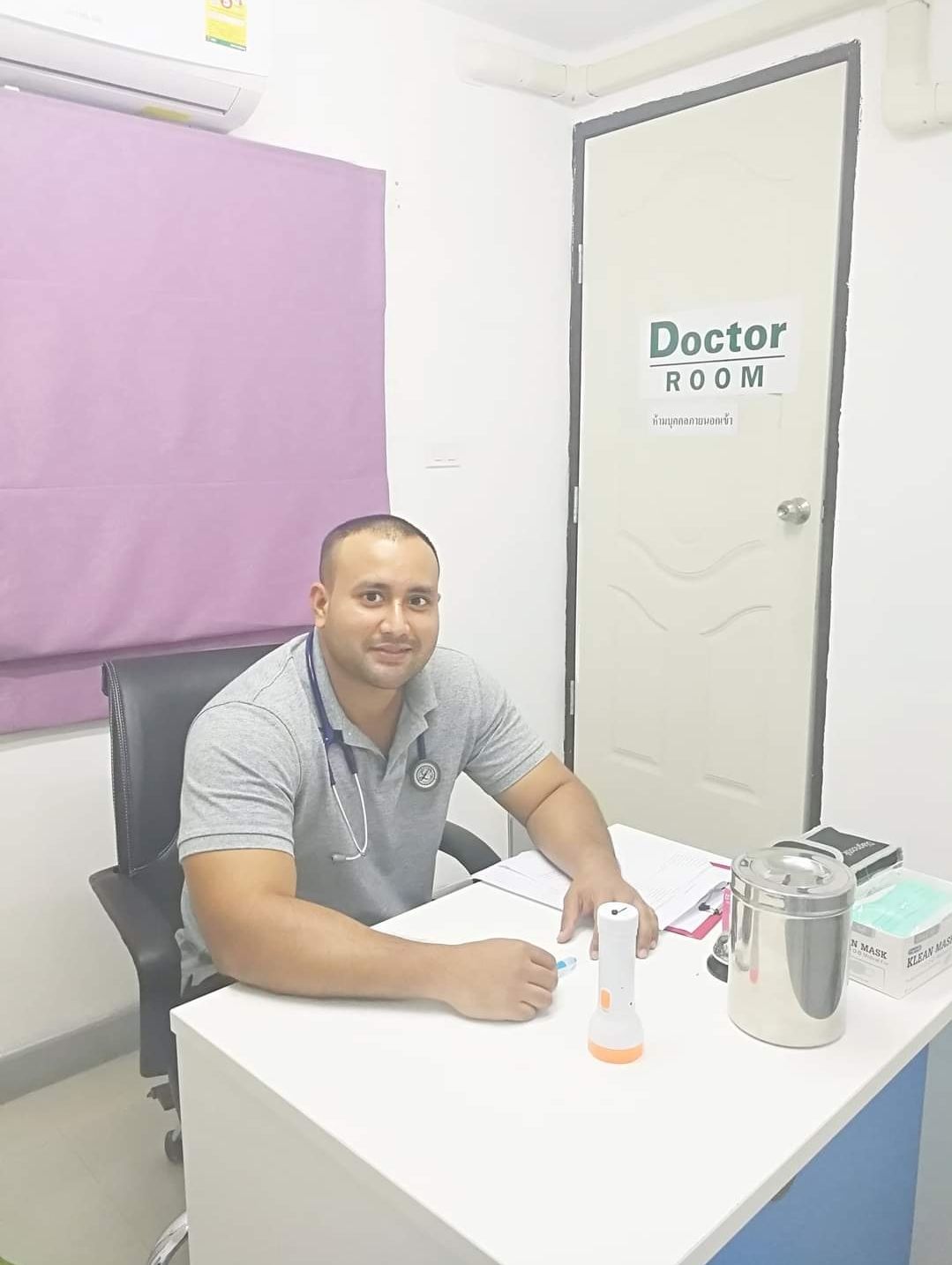
Dr. Ponlawat Pitsuwan is a physician at Doctor Bangkok, a private clinic in central Bangkok. He sees expats, residents, and medical tourists for general medicine, wellness consultations, and IV therapy. His focus is straightforward, evidence-based care delivered in plain language.