
Pluripotent stem cells are cells that can develop into almost any cell type in the body. They are central to regenerative medicine research but are not yet part of standard clinical treatment in Bangkok or anywhere else. If you have been offered a stem cell therapy here, read this first.
Most people asking about pluripotent stem cells in Bangkok are not researchers. They are patients who have seen a clinic advertisement, read something online, or been told by a friend that stem cell treatment could help their condition. That is exactly the situation where good information matters most.
This article explains what pluripotent stem cells actually are, what the science can and cannot do right now, and what to watch out for in Bangkok’s private medical market. If you are trying to decide whether to pursue any kind of stem cell or regenerative treatment, a general medical consultation is the right first step before spending money or making health decisions based on marketing material.

What Pluripotent Stem Cells Actually Means
The word pluripotent comes from Latin: "many" and "able." A pluripotent stem cell is one that can become almost any of the 200-plus cell types in the human body. Heart cells, nerve cells, liver cells, skin cells. That potential is what makes them scientifically significant.
The two main types are embryonic stem cells, derived from early-stage embryos, and induced pluripotent stem cells, which are adult cells reprogrammed in a laboratory to behave like embryonic ones. The second type, discovered in 2006, was a major scientific moment. It meant researchers no longer needed embryos to study this biology.
What pluripotency does not mean is that these cells are clinically available or safe to inject into a patient. The gap between laboratory science and routine clinical treatment is where most of the confusion, and a great deal of the marketing, lives.
Where the Science Actually Stands
Research into pluripotent stem cells has produced genuine breakthroughs, mostly in the laboratory. Scientists have used them to model diseases, test drugs, and study how organs develop. That work has real value.
Clinical applications are far more limited. As of 2025, a small number of tightly regulated trials are exploring uses in conditions like macular degeneration and certain blood disorders. These are trials, not approved treatments. They run in specialist academic centres with ethical oversight, long follow-up periods, and strict eligibility criteria.
No reputable international health authority, including the WHO, the US FDA, or the European Medicines Agency, has approved a pluripotent stem cell therapy for general clinical use. That is not pessimism. It is where the evidence sits right now.

What Is Actually Used in Some Bangkok Clinics
When Bangkok clinics advertise stem cell treatments, they are almost never talking about pluripotent stem cells. They are usually referring to mesenchymal stem cells (MSCs), which are a different category entirely. MSCs are adult stem cells, typically harvested from fat tissue, bone marrow, or umbilical cord blood. They are not pluripotent.
MSC treatments sit in a regulatory grey zone. Some applications, including certain bone marrow transplants for blood cancers, are established medicine. But the anti-ageing, immune-boosting, and general wellness applications being marketed in parts of Bangkok are not supported by strong clinical evidence. Many are not approved by Thailand’s Food and Drug Administration either.
Exosome therapy is another term you will see. Exosomes are particles released by cells. Some early research is interesting. None of it has produced approved treatments.
If a clinic is advertising stem cell therapy without referencing a specific regulated trial or approved indication, ask hard questions before you commit.
Bangkok’s Stem Cell Market: What Patients Need to Know
Bangkok has an active medical tourism industry and a large private clinic sector. That brings genuine quality at the top end and genuine risk at the lower end. Stem cell and regenerative medicine marketing sits in a part of that market where patient protection is weakest.
Thailand’s FDA requires registration for advanced cell therapies. Not every clinic offering these treatments is operating within that framework. Prices for unregulated treatments can reach tens of thousands of dollars. The evidence base for many of these offerings is thin.
The red flags to watch for: vague claims about boosting immunity or reversing ageing, no named physician overseeing treatment, no mention of regulatory approval or trial registration, and pressure to decide quickly or pay upfront.
A second medical opinion from a doctor who has no financial stake in the treatment is not overcaution. It is basic practice.
What a General Medical Consultation Can Do for You Here
Doctor Bangkok does not offer stem cell therapy. That is worth stating plainly.
What a consultation here can do is help you think through what you have been offered, assess whether any claimed indication is one where evidence-based treatment exists, and point you toward reputable specialists or registered trials if that is the right path. That conversation has real value, especially if you are an expat without an established relationship with a local physician.
If you have an underlying condition that prompted your interest in stem cell treatment, that condition deserves proper assessment. Sometimes patients researching experimental therapies are doing so because a conventional diagnosis has not been properly explored. Getting a thorough health check and honest clinical opinion first is the right sequence.
Doctor Bangkok offers general medical consultations, health screening, and referrals to specialist care across Bangkok. Appointments are available same day for most patients.
Questions Worth Asking Any Clinic Offering Stem Cell Treatment
Before you agree to any stem cell or regenerative therapy in Bangkok, get clear answers to these questions.
What specific cells are being used, and are they pluripotent, MSC, or something else? Is this treatment approved by Thailand’s FDA, and if not, is it part of a registered clinical trial? Who is the supervising physician, and what are their specialist credentials? What are the documented risks, and what follow-up is included if something goes wrong? Are there peer-reviewed published results for this specific treatment and condition?
If the answers are vague, or the clinic seems unfamiliar with why you are asking, that tells you something important.
Ready to talk through what you have been offered or get a health assessment before making a decision? Book a same-day consultation at Doctor Bangkok. We will give you a straight clinical opinion with no agenda other than your health.
Frequently Asked Questions
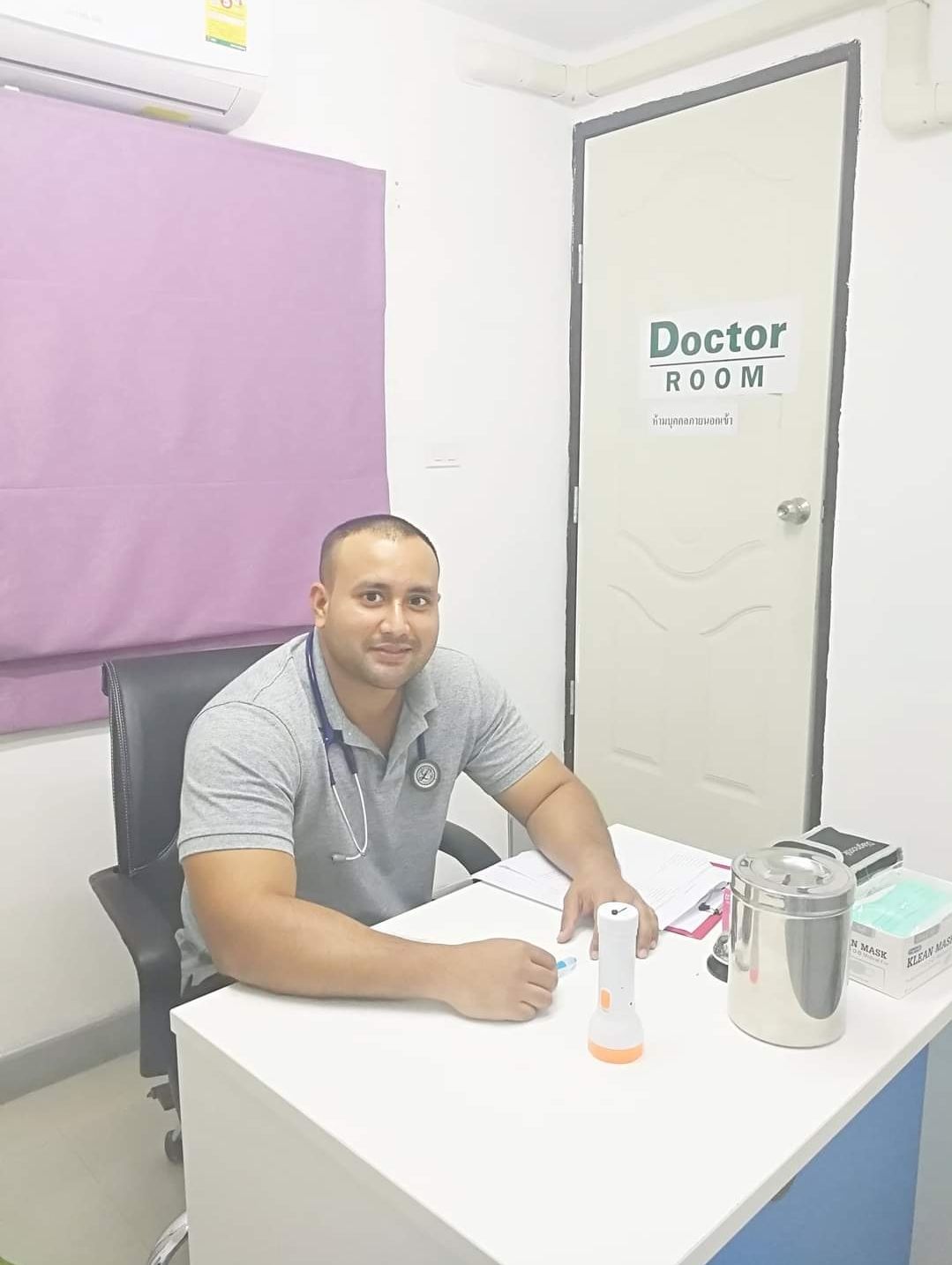
Dr. Ponlawat Pitsuwan is a physician at Doctor Bangkok, a private clinic in central Bangkok. He sees expats, residents, and medical tourists for general medicine, wellness consultations, and IV therapy. His focus is straightforward, evidence-based care delivered in plain language.