
Clinically reviewed by Dr. Ponlawat Pitsuwan, Physician, Doctor Bangkok. Last reviewed: September 2026
Bone marrow stem cells are the cells your body uses to make all blood cells, including red cells, white cells, and platelets. A bone marrow transplant is a proven treatment for certain blood cancers and serious blood disorders. It is a major hospital procedure, not an outpatient wellness therapy. If you have abnormal blood results or symptoms like persistent fatigue and unusual bruising, a blood test and GP assessment are the right first step.
I see this regularly. An expat comes in with a flagged blood test, months of unexplained fatigue, and a browser history full of stem cell clinics. They do not know what any of it means or where to start.
Here is the first thing I tell them: most people reading about bone marrow stem cells are not at the transplant stage. They are at the "something looks wrong in my blood" stage. That is exactly where a GP visit helps. This article covers what bone marrow stem cells are, which conditions genuinely need a transplant, and how to get the right care in Bangkok without getting misled.

What Bone Marrow Stem Cells Actually Do
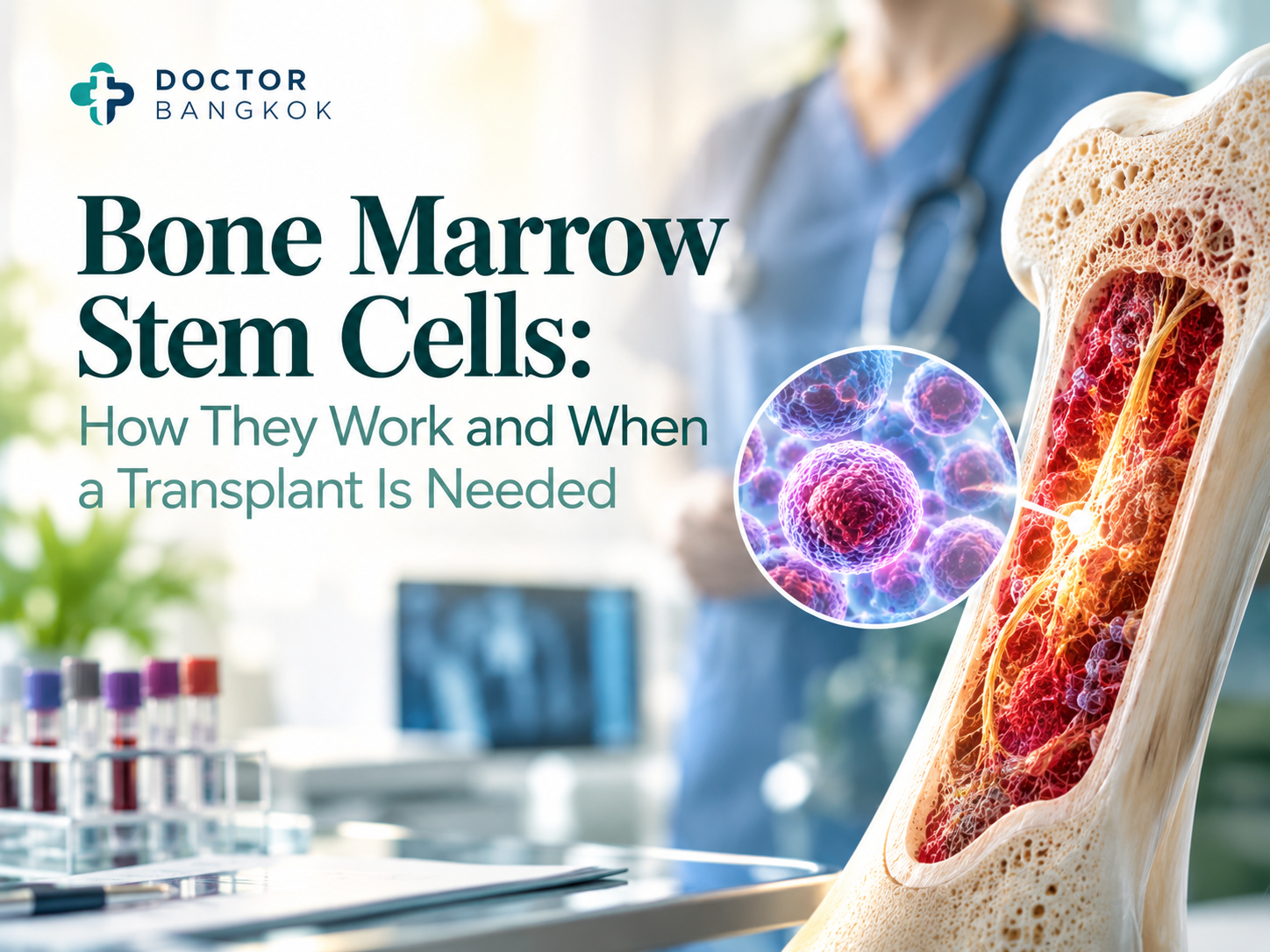
Your bone marrow is the soft tissue inside your larger bones. Every red blood cell, white blood cell, and platelet in your body is made here.
There are two main types of stem cells in bone marrow. Hematopoietic stem cells, or HSCs, make all your blood cells. These are the ones used in bone marrow transplants. Mesenchymal stem cells, or MSCs, can become bone, cartilage, or fat tissue. They are studied in research settings but are a different category from transplant medicine entirely.
Both types sit in a protected space inside the bone marrow and ramp up production when your body needs it, during illness, infection, or blood loss.
Which Conditions Are Actually Treated With Bone Marrow Stem Cells
This is where I need to be direct, because there is real confusion in Bangkok’s clinic market.
Established, internationally approved uses for bone marrow transplants include leukaemia, lymphoma, aplastic anaemia, thalassaemia, and certain immune system disorders. These are conditions where bone marrow is either producing abnormal cells or has failed. A transplant replaces the faulty system with healthy cells from a donor or from the patient’s own stored cells.
MSC-based therapies, sometimes marketed as "stem cell therapy" at wellness clinics, are a different category. Some applications show early promise in research, but the evidence base is not strong enough to call these proven treatments for most conditions. Be cautious of clinics that mix the two categories together in their marketing.

How a Doctor in Bangkok Investigates a Possible Bone Marrow Problem
This is the part most articles skip, and it is where I can actually help you.
The red flags I look for are persistent unexplained fatigue, recurring infections, unusual bruising, pale skin, and night sweats with no obvious cause. None of these confirm a bone marrow problem on their own, but they are enough to order tests.
The starting point is always a complete blood count, or CBC. It tells me your red cell count, white cell count, and platelet count. If those results are abnormal, the next step is a referral to a haematologist, which is a blood specialist. At Doctor Bangkok, we run a CBC the same day you come in and go through the results with you before you leave. If a specialist referral is needed, we provide a clear referral letter and point you toward the right hospital.
Autologous vs Allogeneic Transplants: The Two Main Approaches
If a haematologist determines you need a transplant, there are two main types. The right one depends on your diagnosis.
An autologous transplant uses your own stem cells, collected before high-dose treatment and returned afterward. There is no donor, and no risk of your body rejecting foreign cells. This works when your bone marrow can provide healthy cells before treatment begins.
An allogeneic transplant uses donor cells. The donor must be closely matched to you using HLA typing, which is essentially a biological compatibility score. A matched sibling is the first choice. If no sibling match is available, an unrelated matched donor from an international registry is the next option. There is also a haploidentical transplant, which uses a partially matched family member such as a parent or child. This has expanded options significantly, particularly for expats who do not have siblings in Thailand. Bangkok’s major hospitals, including Bumrungrad and Samitivej, have access to international donor registries.
What Treatment Actually Looks Like
Before the transplant, you go through conditioning therapy: a course of chemotherapy, sometimes with radiation, that clears your existing bone marrow to make room for new cells. After the transplant, the new stem cells need two to four weeks to settle and begin producing blood cells, a process called engraftment. During this time you are closely monitored in hospital, as your immune system is very low.
The most significant risk in allogeneic transplants is graft-versus-host disease, or GvHD. This is when the donor’s immune cells treat your body as foreign and attack your tissues. It ranges from mild to severe and requires ongoing management with immunosuppressant medication. For expats planning to return home after treatment, this has real implications for follow-up care.
Recovery and Follow-Up After a Bone Marrow Transplant
Recovery is measured in months, not weeks. Infection risk stays elevated for a year or more after an allogeneic transplant. Regular blood monitoring is part of life post-transplant.
If you plan to return to your home country during recovery, this needs to be planned early. You need a transfer of care document from your Bangkok haematologist, a complete medication list, and ideally a direct communication between your Bangkok team and your home-country specialist.
Doctor Bangkok can support patients in the monitoring phase between specialist visits, including regular blood tests and general health checks. If you are in Bangkok mid-recovery and need primary care support, that is something we handle routinely.
Legitimate Treatment vs Experimental Claims: How to Protect Yourself in Bangkok
Bangkok’s medical sector is excellent at its best. It also has corners where marketing moves faster than evidence. This matters for bone marrow stem cells more than almost any other area.
Ask any clinic directly which regulatory body has approved the specific treatment they are offering. Ask whether it is being done under an ethics-approved clinical trial or as standard of care. If a clinic is marketing stem cell therapy for conditions like autism, Alzheimer’s disease, or anti-ageing, that is a signal to pause. These are not established indications.
JCI-accredited hospitals in Bangkok operate under stricter protocols and are worth prioritising for any transplant programme. If you are unsure whether what is being offered is evidence-based, come and talk to us first. Getting a straight answer before spending a significant amount of money is a reasonable use of a GP consultation.
What Expats in Bangkok Need to Know About Cost and Logistics
A full allogeneic transplant at a major Bangkok private hospital costs substantially less than the equivalent procedure in the US or Australia, where it can run into several hundred thousand dollars. Costs in Bangkok vary by treatment type, length of hospital stay, and post-transplant medications, so a direct quote from the treating hospital is always the right starting point.
Not all international insurance policies cover treatment in Thailand. Check your policy for Thailand coverage and pre-authorisation requirements before you commit to anything. Medical tourist visas are available for patients receiving extended treatment, and your hospital’s international patient team can help with documentation.
One thing I always tell expats: do not arrive in Bangkok having already chosen a transplant centre without first speaking to a doctor who can assess whether your diagnosis actually warrants a transplant, and which type. Start with a blood test and a consultation. The plan should follow your results, not a website.
If you have had an abnormal blood test result, persistent unexplained fatigue, or have been told you may need bone marrow investigation, the right first step is a clinical assessment and a complete blood count. At Doctor Bangkok, we see expats and visitors for same-day blood tests and GP consultations in central Bangkok, close to the BTS. If your results suggest you need a haematology referral, we will handle that with a clear referral letter and guidance on the right specialist or hospital for your situation. Book a consultation or walk in during clinic hours.
FAQ
Dr. Ponlawat Pitsuwan
Physician, Doctor Bangkok
a private medical clinic in central Bangkok. He sees expats, residents, and medical tourists for general health assessments, blood test interpretation, and referral coordination including for haematology and specialist services. His focus is straightforward, evidence-based care delivered in plain language.
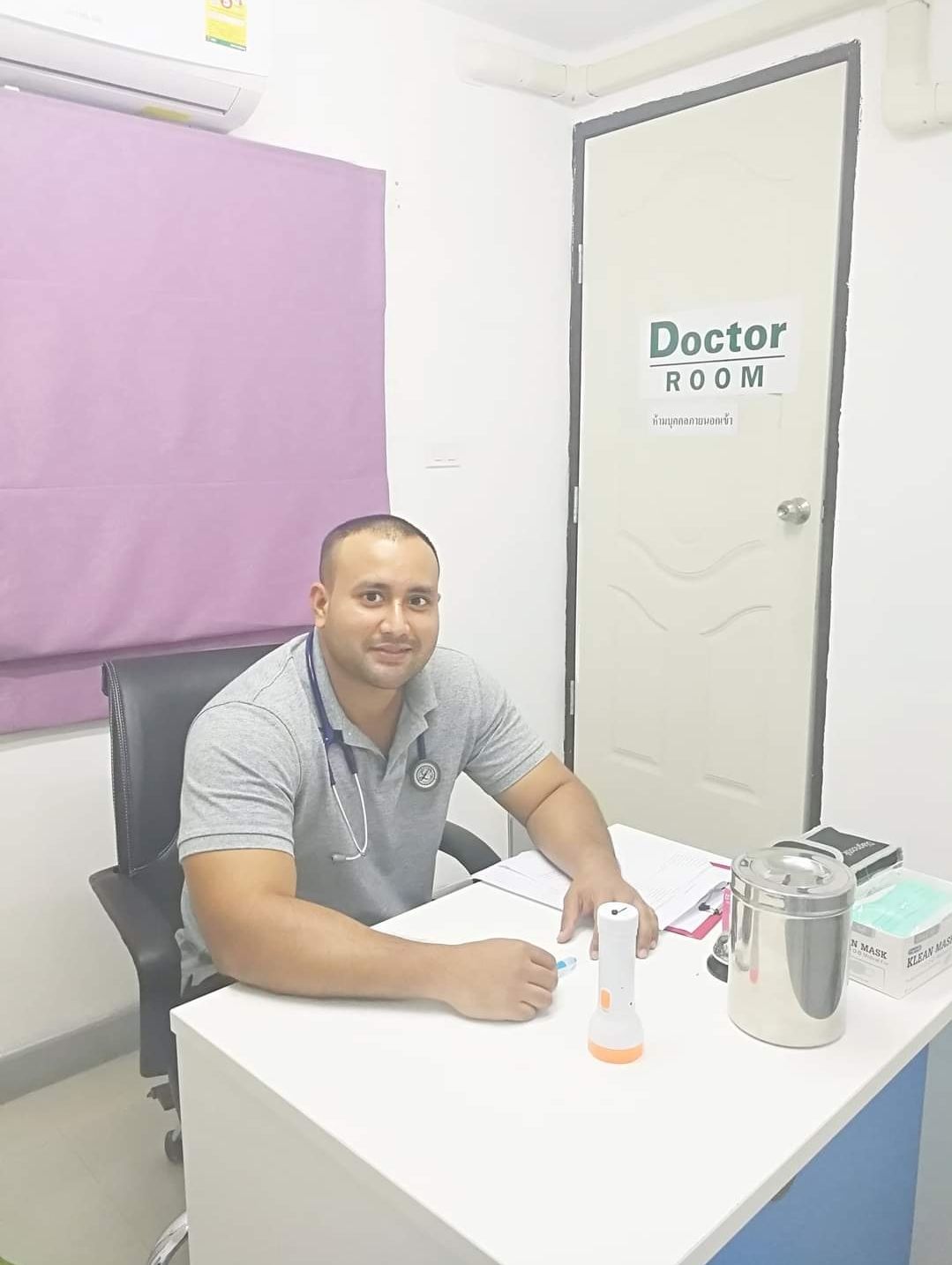
Dr. Ponlawat Pitsuwan is a physician at Doctor Bangkok, a private clinic in central Bangkok. He sees expats, residents, and medical tourists for general medicine, wellness consultations, and IV therapy. His focus is straightforward, evidence-based care delivered in plain language.