
Clinically reviewed by Dr. Ponlawat Pitsuwan, Physician, Doctor Bangkok. Last reviewed: September 2026
Hematopoietic stem cells are the blood-forming cells that live mainly in your bone marrow. Every red blood cell, white blood cell, and platelet in your body started as one of these. When they stop working properly, conditions like leukaemia, aplastic anaemia, and thalassaemia can follow. A flagged blood count is usually the first sign something is wrong.
If your CBC came back abnormal and someone mentioned bone marrow, you are probably trying to make sense of terms that feel clinical and distant. I get these questions from expats in Bangkok more often than you might expect. People who were perfectly healthy back home, now sitting in front of me with a blood test that does not look right.
Hematopoietic stem cells, sometimes called blood-forming cells, are the starting point for all of this. They live in your bone marrow and produce every type of blood cell your body needs. When something disrupts them, it shows up in your blood count first. That is where a clinical assessment begins, and that is what this article explains in plain terms.

What Are Hematopoietic Stem Cells?
These are the parent cells of your entire blood supply. The word "hematopoietic" just means blood-forming. What makes them special is that one cell can produce many different types of mature blood cells. They also renew themselves, so the supply does not run out under normal conditions.
Think of them as the factory floor, and your bone marrow as the building. Everything comes from there.
Where Are Hematopoietic Stem Cells Found?
Most are in the bone marrow, deep inside flat bones like the pelvis, sternum, and femur. A smaller number circulate in the bloodstream at any given time. Doctors can increase this number using growth factor injections, which is how stem cells are collected from the blood before a transplant.
A third source is umbilical cord blood, collected at birth and stored for potential future use. Cord blood is less commonly used in adult transplants but is an established option, particularly in children.

From One Cell to Every Blood Cell in Your Body
A hematopoietic stem cell divides into two broad families. The myeloid lineage produces red blood cells, platelets, and most of the white cells that fight bacterial infections. The lymphoid lineage produces the T-cells and B-cells that drive your immune system.
Every one of these cell types started as a single stem cell in your marrow. When doctors talk about bone marrow failure, they mean this production line has broken down.
Diseases That Damage These Cells or Require a Transplant
Leukaemia and lymphoma are the most widely known. Both involve abnormal changes in cells that arise from hematopoietic stem cells, flooding the body with faulty cells that crowd out healthy ones.
Aplastic anaemia is a condition where the bone marrow stops making enough cells across all three lines. Myelodysplastic syndrome, or MDS, is a group of disorders where the marrow makes blood cells that are structurally faulty and die off too quickly.
Thalassaemia deserves specific mention here. Thailand has one of the highest rates of thalassaemia carriers in the world. I see both Thai patients and expat partners of Thai nationals navigating this diagnosis. A hematopoietic stem cell transplant is the only current treatment that can cure certain forms of thalassaemia, with strong clinical evidence behind it when a matched donor is available.
Sickle cell disease follows a different path, damaging the red cells that are produced rather than the stem cells themselves. A transplant can still correct the underlying problem in eligible patients.
Types of Hematopoietic Stem Cell Transplants
There are two main types. In an autologous transplant, the patient’s own stem cells are collected, stored, and returned after high-dose treatment. This is used mainly in some lymphomas and multiple myeloma. There is no rejection risk, but you cannot use this approach if the stem cells themselves are diseased.
In an allogeneic transplant, the cells come from a donor. This requires HLA matching, a process of comparing specific proteins on immune cells to find the closest biological fit. The closer the match, the lower the risk of graft versus host disease, or GVHD, where donor immune cells attack the recipient’s body.
A third option, called a haploidentical transplant, uses a half-matched donor, often a parent or sibling. This has expanded treatment access significantly over the past decade.
For non-Thai expats researching this in Bangkok, HLA matching is harder. International donor registries exist, but ethnic HLA diversity means some populations face real difficulty finding a full match. This is a conversation to have with a haematologist early, not after other options are exhausted.
Approved Treatment vs. What Is Being Marketed in Bangkok
Bangkok has established, internationally accredited haematology and transplant programmes at major networks including Siriraj, Ramathibodi, and Bangkok Hospital’s cancer centre. These are evidence-based programmes with decades of outcome data behind them.
What you will also find marketed here are wellness clinics offering infusions of mesenchymal stem cells, sometimes called MSCs, for joint pain, anti-ageing, or immune support. These are different cells entirely from hematopoietic stem cells. The clinical evidence for these treatments is currently limited to investigational studies, and they are not approved therapies in the same regulatory sense.
If a clinic cannot clearly explain what type of stem cells they are using, what the regulatory status is, and what the evidence shows, those are serious questions worth pressing. Know the difference between what is established and what is experimental. Your decision should be based on that distinction.
What Your Blood Test Is Telling You
A complete blood count, or CBC, is where most of these conversations start. If your red cells, white cells, and platelets are all low at the same time, that is called pancytopenia. It is a flag that something may be wrong with the bone marrow itself, not just one cell line.
Isolated low platelets are common in dengue fever, which I see constantly here in Bangkok. Dengue temporarily suppresses platelet production and accelerates platelet destruction at the same time. It does not usually cause permanent HSC damage, but a sharp or prolonged drop in counts needs monitoring rather than waiting.
Persistent neutropenia, where your infection-fighting white cells stay low, or anaemia that does not respond to iron supplements, are other patterns worth investigating. These are not diagnoses in themselves, but they are signals that warrant a proper assessment.
When to See a Doctor in Bangkok About This
If your CBC was done at another clinic and something came back flagged, do not sit on it. Unusual fatigue, repeated infections, easier bruising than before, or platelet counts that have not recovered after a dengue illness are all reasons to come in.
At Doctor Bangkok, we can run a same-day full blood panel, go through your results with you in English, and coordinate a referral to a specialist haematology team if your results point in that direction. You do not need to navigate the major hospital systems alone or wait for a long-haul flight home before getting an answer.
The biggest mistake I see is people treating a flagged blood test as something to deal with later. Later is when things get harder to manage.
If your blood test came back abnormal, or you are experiencing persistent fatigue, low platelet counts after dengue, or unexplained bruising, come in for a full blood panel and consultation at Doctor Bangkok. We are centrally located, BTS accessible, and all consultations are in English. We can run your CBC same-day, go through your results with you, and refer you to specialist haematology care if needed. Book online or walk in.
Frequently Asked Questions
Dr. Ponlawat Pitsuwan
Physician, Doctor Bangkok
a private medical clinic in central Bangkok. He sees expats, residents, and medical tourists for blood disorder assessment, dengue evaluation, general health checks, and specialist referral coordination. His focus is straightforward, evidence-based care delivered in plain language.
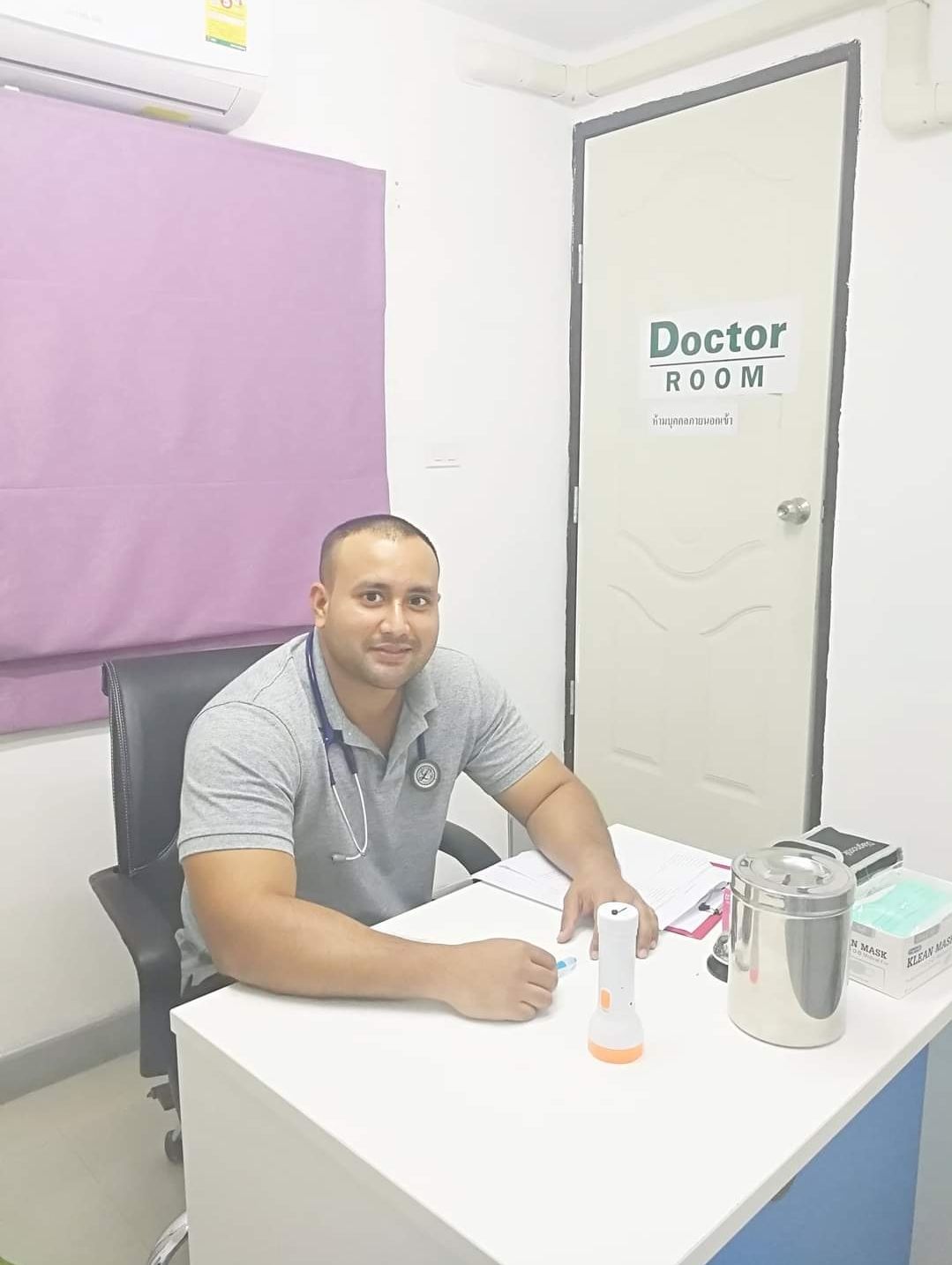
Dr. Ponlawat Pitsuwan is a physician at Doctor Bangkok, a private clinic in central Bangkok. He sees expats, residents, and medical tourists for general medicine, wellness consultations, and IV therapy. His focus is straightforward, evidence-based care delivered in plain language.