

Clinically reviewed by Dr. Ponlawat Pitsuwan, Physician, Doctor Bangkok. Last reviewed: September 2026
Low red blood cells are most often caused by iron deficiency, low vitamin B12, or low folate. You can raise your count through targeted foods, prescribed supplements, or medical treatment depending on what is driving the drop. A simple blood test, the CBC, combined with ferritin and B12 levels, tells you exactly what you are dealing with and what to do next.
I see this at least a few times a week. Someone comes in feeling washed out, maybe a little dizzy, short of breath on the stairs. They have been putting it down to the Bangkok heat, the long hours, the adjustment. Then we run a blood panel and the answer is right there: their red blood cell count is low. Sometimes it has been low for months.
If you are reading this because you feel tired all the time and cannot pin down why, that matters. Low red blood cells, called anaemia, is one of the most common and most overlooked causes of persistent fatigue in expats here. Once we know what is driving it, it is almost always fixable.

What Low Red Blood Cells Actually Means
Red blood cells carry oxygen around your body. When you do not have enough of them, your organs and muscles do not get what they need. That is why the main symptoms are fatigue, pale skin, dizziness, and a heart that works harder than it should.
A normal red blood cell count for men is roughly 4.5 to 5.9 million cells per microlitre of blood. For women it is roughly 4.0 to 5.2 million. But the number alone does not tell the full story. Haemoglobin and haematocrit, two other markers on a standard blood test, show how well your blood is actually carrying oxygen. We look at all of these together.
Causes of Low Red Blood Cells — What Expats in Bangkok Often Miss
The three most common causes are iron deficiency, low vitamin B12, and low folate. These deprive your bone marrow of what it needs to produce healthy red blood cells.
Bangkok adds some specific wrinkles. Dengue fever, which I diagnose regularly here, can acutely suppress red blood cell and platelet production. If you had dengue in the past few months and still feel exhausted, that is worth investigating. Gut infections from local food and water are also common in newer expats, and they can quietly impair how well you absorb iron and B12, even from a good diet.
One thing that surprises many patients: thalassaemia trait is very common in Thai and Southeast Asian populations. It can cause a mild, persistent low RBC count that looks like iron deficiency but is not. Treating it with iron supplements does nothing and can cause harm. This is exactly why we test before we treat.

Foods That Help Increase Red Blood Cells
Iron is the nutrient most people think of first, and for good reason. The most absorbable form comes from animal sources. Red meat, chicken liver, oysters from Bangkok’s seafood markets, and eggs all deliver meaningful amounts. If you eat at Thai restaurants regularly, tap wua, liver with Thai herbs, is an excellent option.
Plant-based iron is absorbed less efficiently, but you can improve that by eating it alongside vitamin C. A squeeze of lime over tofu, morning glory stir-fry, or soybeans makes a real difference. Pak boong, the morning glory on nearly every Thai menu, is a genuinely good source of both iron and folate.
Folate and vitamin B12 are the other two pillars. Dark leafy greens, eggs, and legumes cover folate. B12 comes almost entirely from animal products: meat, fish, shellfish, and dairy. If you eat little red meat or have shifted your diet significantly since moving to Bangkok, B12 deficiency is something I check for routinely.
What to Avoid If You Want to Raise Your RBC Count
This is the part most people skip, and it matters. Tea, coffee, and calcium-rich foods like milk and cheese can block iron absorption when eaten alongside iron-rich meals. Give yourself at least two hours between your iron sources and your morning coffee or afternoon tea.
Antacid medications and proton pump inhibitors, drugs taken for heartburn and reflux, also reduce iron and B12 absorption over time. If you take these regularly and your RBC count is low, that connection is worth discussing with a doctor. Alcohol is the other major factor. Regular heavy drinking suppresses bone marrow activity and directly interferes with red blood cell production. Cutting back is not optional if you want your count to recover.
When Diet Is Not Enough — Medical Treatments for Low RBC
For mild iron deficiency, oral iron supplements at the right prescribed dose are usually effective. They take time, typically six to twelve weeks for haemoglobin to return to normal. Taking them on an empty stomach improves absorption but often causes stomach upset. We work with each patient to find the right balance.
When deficiency is severe, or when the gut is not absorbing oral iron well, IV iron infusion is the next step. Evidence suggests meaningful haemoglobin improvement within two to four weeks. At Doctor Bangkok, we can assess whether you are a candidate and arrange this where it is clinically appropriate.
Low B12 responds well to B12 injections, particularly when the cause is absorption-related. If your gut cannot absorb B12 from food or tablets, injections bypass the problem entirely. Some patients need a short course. Others need periodic injections long-term.
Medications that signal the bone marrow to produce more red blood cells exist, but they are reserved for specific conditions like chronic kidney disease or chemotherapy-related anaemia. They require specialist oversight and are not general supplements.
How to Test Your Red Blood Cell Count in Bangkok
You do not need a referral to get tested in Thailand. Walk into a private clinic, request the panel, and most results are back the same day.
The core test is a complete blood count, or CBC. This gives your red blood cell count, haemoglobin, haematocrit, and the size of your red blood cells. Small cells usually point to iron deficiency. Large cells usually point to B12 or folate deficiency. That distinction changes the treatment entirely.
We typically add a serum ferritin, which measures your iron stores before they deplete enough to affect the CBC, and a serum B12 level. At Doctor Bangkok, a physician reviews your results with you on the same visit. You leave knowing what your numbers mean and what to do next.
Lifestyle Changes That Support Red Blood Cell Production
Consistent sleep, moderate exercise, and staying well-hydrated all support healthy red blood cell production. Moderate aerobic activity stimulates the hormone your kidneys release to signal more red blood cell production.
Alcohol’s effect on bone marrow is dose-dependent. Even moderately heavy drinking over a few weeks can nudge your count down. If your CBC is borderline and you drink regularly, that is one of the first things I ask about.
Bangkok’s heat does not directly lower your red blood cell count. But chronic dehydration can shift how your blood values look on a test. Stay hydrated, especially if you are exercising outdoors.
When to See a Doctor About Low Red Blood Cells
If you are short of breath at rest, your heart is racing without obvious cause, you feel faint or have actually fainted, or your skin and gums look unusually pale, come in. Do not wait for a scheduled appointment.
For symptoms that are more gradual, such as persistent fatigue, regular headaches, difficulty concentrating, or feeling cold when others are not, book a blood test. These warrant assessment, not urgent care, but they do warrant action. The biggest mistake I see is people waiting another few months because they assume it will pass.
If you are dealing with persistent fatigue, dizziness, or unexplained low energy, a blood test is the starting point. Doctor Bangkok offers same-day CBC testing with full iron studies and B12, reviewed by an English-speaking physician on the same visit. No referral needed. We are centrally located in Bangkok with easy BTS access. Walk-ins are welcome, or book online at doctorbangkok.co.th.
Frequently Asked Questions
Dr. Ponlawat Pitsuwan
Physician, Doctor Bangkok
a private medical clinic in central Bangkok. He sees expats, residents, and medical tourists for general health concerns, fatigue assessment, anaemia workup, and blood testing including CBC and iron studies. His focus is straightforward, evidence-based care delivered in plain language.
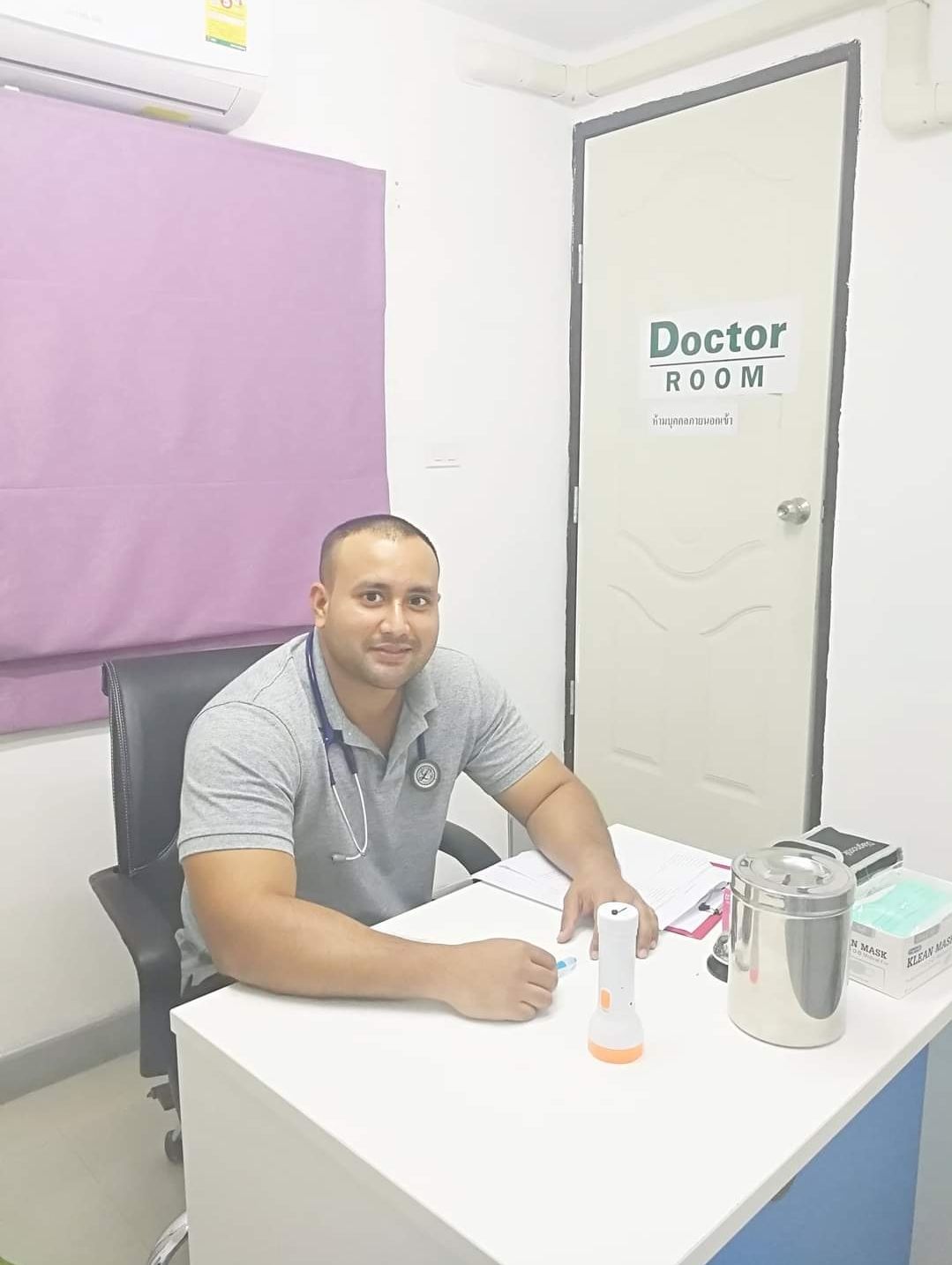
Dr. Ponlawat Pitsuwan is a physician at Doctor Bangkok, a private clinic in central Bangkok. He sees expats, residents, and medical tourists for general medicine, wellness consultations, and IV therapy. His focus is straightforward, evidence-based care delivered in plain language.