

Clinically reviewed by Dr. Ponlawat Pitsuwan, Physician, Doctor Bangkok. Last reviewed: September 2026
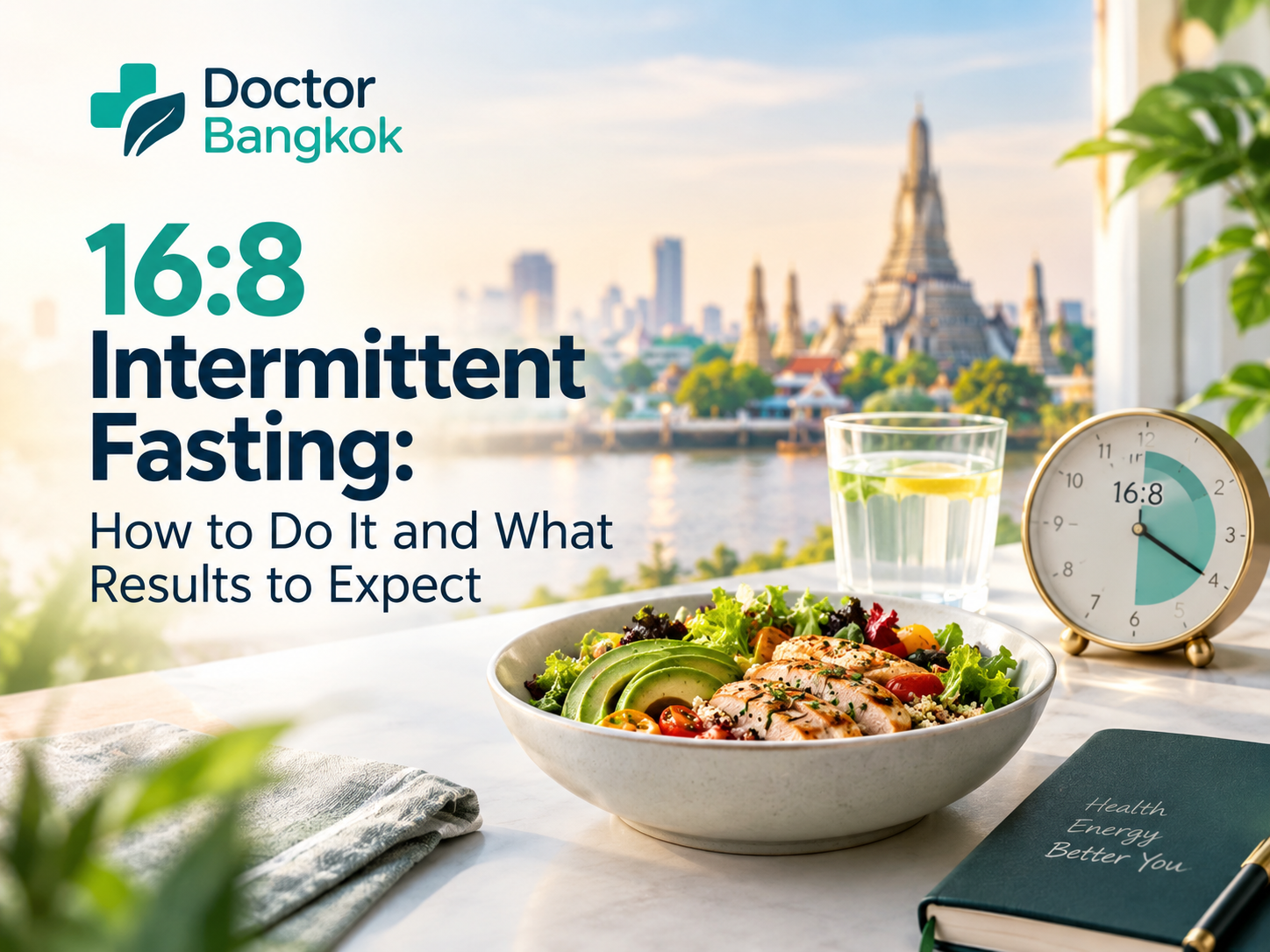
16/8 intermittent fasting means eating within an 8-hour window and fasting for the other 16. Most people use a window like 12pm to 8pm. Evidence supports modest weight loss and improved blood sugar control, but results depend on what you eat, not just when. Anyone with diabetes, thyroid disease, or a history of eating disorders should get medical clearance before starting.
Most patients who ask me about 16/8 fasting have already been doing it for two weeks. They read about it online, started without telling anyone, and are now either not seeing results or feeling rough. If you are reading this before you start, that is the smarter move.
The idea is simple. You eat during an 8-hour window and fast for the remaining 16. No food, no caloric drinks. Most people find it easier than full-day fasting because you sleep through the harder hours. But simple does not mean suitable for everyone. And Bangkok’s climate, meal culture, and expat schedules create real differences from what Western health sites describe.

What 16/8 Intermittent Fasting Actually Means
You pick an 8-hour window and eat only within it. Common choices are 12pm to 8pm, 10am to 6pm, or 11am to 7pm. Outside that window, nothing with calories. Water, plain black coffee, and unsweetened tea are fine. Everything else waits.
If you finish dinner at 8pm and do not eat again until noon, that is a 16-hour fast. Around eight of those hours are sleep. The real discipline is the morning: skipping breakfast and holding until your window opens.
This approach is also called time-restricted eating. It is one of the most studied forms of intermittent fasting and, for most healthy adults, one of the most practical.
What the Evidence Actually Shows
Weight loss is the most documented benefit, and the evidence here is reasonably solid. The main mechanism is calorie reduction: when your eating window is shorter, most people eat less without trying. Some research also points to fat-specific loss, including visceral fat stored around your organs, which carries the highest metabolic risk.
Blood sugar and insulin sensitivity are the next most supported areas. Several studies show improved fasting glucose and lower insulin levels with consistent time-restricted eating. If you have been told you are prediabetic, this is one of the more evidence-backed lifestyle changes you can make, but only with a doctor’s input, not instead of one.
Many patients also report better sleep, more stable energy, and clearer thinking after the first two weeks. Whether that comes from the fasting itself, better meal quality, or improved timing is hard to separate. Lipid improvements, lower triglycerides and modestly better HDL, are real but moderate in the studies available.
One signal worth knowing about: a 2024 analysis in the Journal of the American Heart Association found a possible association between 8-hour time-restricted eating and increased cardiovascular mortality in certain populations. The study has limitations and is not definitive, but if you have existing heart disease, this is a reason to discuss the approach with a physician before starting.

Risks, Side Effects, and Who Should Stop Before Starting
Hunger, irritability, and low energy in the first week are normal and usually settle. Headaches are common and often caused by mild dehydration or lower sodium intake, not the fasting itself. Drink more water and give it ten days before drawing conclusions.
People who need medical review before starting: those with type 1 diabetes, where fasting carries a real hypoglycaemia risk without close supervision. People on insulin or sulfonylurea medications for type 2 diabetes also need a physician check first, because fasting changes how those drugs behave. Anyone with a current or past eating disorder should approach this with professional support.
Pregnant or breastfeeding women should not do 16/8 fasting. People with a history of gallstones, significant kidney disease, or who are recovering from surgery need individual advice. If you take regular medications, particularly blood pressure drugs, the timing of food affects how they work.
How to Pick the Right Window for Bangkok Life
Most guides default to 12pm to 8pm. In Bangkok, that often does not fit. If you are an expat eating late dinners, networking over food at 8 or 9pm, or doing weekend night-market runs, that window will conflict constantly.
A later window, say 2pm to 10pm, is more realistic for some. Others do well with 9am to 5pm if their schedule allows. The best window is the one you can hold consistently across most weekdays. Social occasions will always create exceptions, and that is fine. What matters is the general pattern over weeks, not a perfect record.
If you are shift-working, training early, or running a variable Bangkok schedule, start gradually. Add an hour to your overnight fast each week rather than jumping straight to 16 hours.
What to Eat During Your 8-Hour Window
This is where most patients go wrong. They restrict the timing but not the quality. If you break your fast with a sugar-heavy meal and follow it with processed food, the calorie benefit disappears fast.
Start with protein when your window opens. Eggs, tofu, grilled chicken, fish, legumes. This preserves muscle, keeps you full longer, and stabilises blood sugar through the rest of the window.
Thai food can work well here if you choose thoughtfully. Khao man gai is a solid break-fast meal. Tom yum with protein, fresh papaya salad without extra sugar, and stir-fried vegetables with egg or meat over brown rice are reasonable choices. The challenge in Bangkok is portion size and hidden sugar in sauces. Ask for less sauce where you can.
You have 8 hours to get your protein, fibre, healthy fats, vitamins, and minerals in. You cannot afford to spend two of those hours on iced drinks and snacks.
16/8 Fasting in Bangkok: What the Climate Changes
No Western article will flag this clearly enough. Bangkok sits between 33 and 38 degrees Celsius for most of the year. You sweat constantly, even without exercising. During fasting hours, you are not replacing the electrolytes lost through sweat, and dehydration arrives faster than you expect.
Most adults in Bangkok need more than two litres of water during fasting hours, especially if commuting, walking, or working outdoors. If you are feeling dizzy, cramping, or getting persistent headaches during the fast, low sodium and magnesium are often the cause, not the fasting itself.
Avoid fasting through outdoor exercise in the midday heat. Train in the early morning before the worst of it, or in the evening within your eating window so you can refuel properly.
The social eating pattern here also differs from what fasting guides assume. Thai culture centres meals around shared food, often late in the evening. If your community eats together at 8 or 9pm, a strict 8pm cutoff will create constant friction. Adjust your window rather than abandoning the approach. A sustainable 14/10 fast you stick to beats a 16/8 you quit after two weeks.
Who Needs Medical Clearance Before Starting
Get checked first if any of these apply. Your blood sugar has been flagged as high or borderline. You have thyroid disease or suspect you might. You are on regular prescription medication. You are over 50 and have not had a metabolic blood test in the past year. You have had an eating disorder at any point.
At Doctor Bangkok, a pre-fasting blood panel covers fasting glucose, HbA1c, lipid profile, and thyroid function in a single visit. Results are usually ready the same day or the next morning. This is not a box-ticking step. It tells you whether your current metabolic state makes 16/8 a reasonable starting point, or whether you need a different approach first.
If your HbA1c is already elevated, your starting point looks very different from someone with normal glucose. If your thyroid is underactive, fasting may slow your metabolism in ways that cancel out the benefits. Knowing this before you start saves weeks of wasted effort.
When Fasting Alone Is Not Enough
Some patients do everything right and still plateau. The window is clean, protein is adequate, sleep is good, and the weight does not shift. This is not failure. It usually means something physiological that fasting alone cannot fix.
For patients who need more than dietary timing changes, medically supervised weight loss options are available in Bangkok. Semaglutide is one option discussed with appropriate patients at Doctor Bangkok when lifestyle changes have been consistently applied and results have stalled. It is not a replacement for the habits, but for some patients it is the clinical bridge that makes those habits effective.
If you think this might apply to you, a physician consultation is the right next step. Not a stricter window. A conversation with a doctor who can look at the full picture.
Thinking about starting 16/8 intermittent fasting? Doctor Bangkok offers same-visit metabolic blood panels covering fasting glucose, HbA1c, lipid profile, and thyroid function, so you know where you stand before you start. We also see patients whose weight management needs more than a dietary timing change. Walk in or book ahead. We are BTS accessible and see expats, residents, and medical tourists every day.
Frequently Asked Questions
Dr. Ponlawat Pitsuwan
Physician, Doctor Bangkok
a private medical clinic in central Bangkok. He sees expats, residents, and medical tourists for metabolic health assessments, general medical consultations, and weight management support. His focus is straightforward, evidence-based care delivered in plain language.
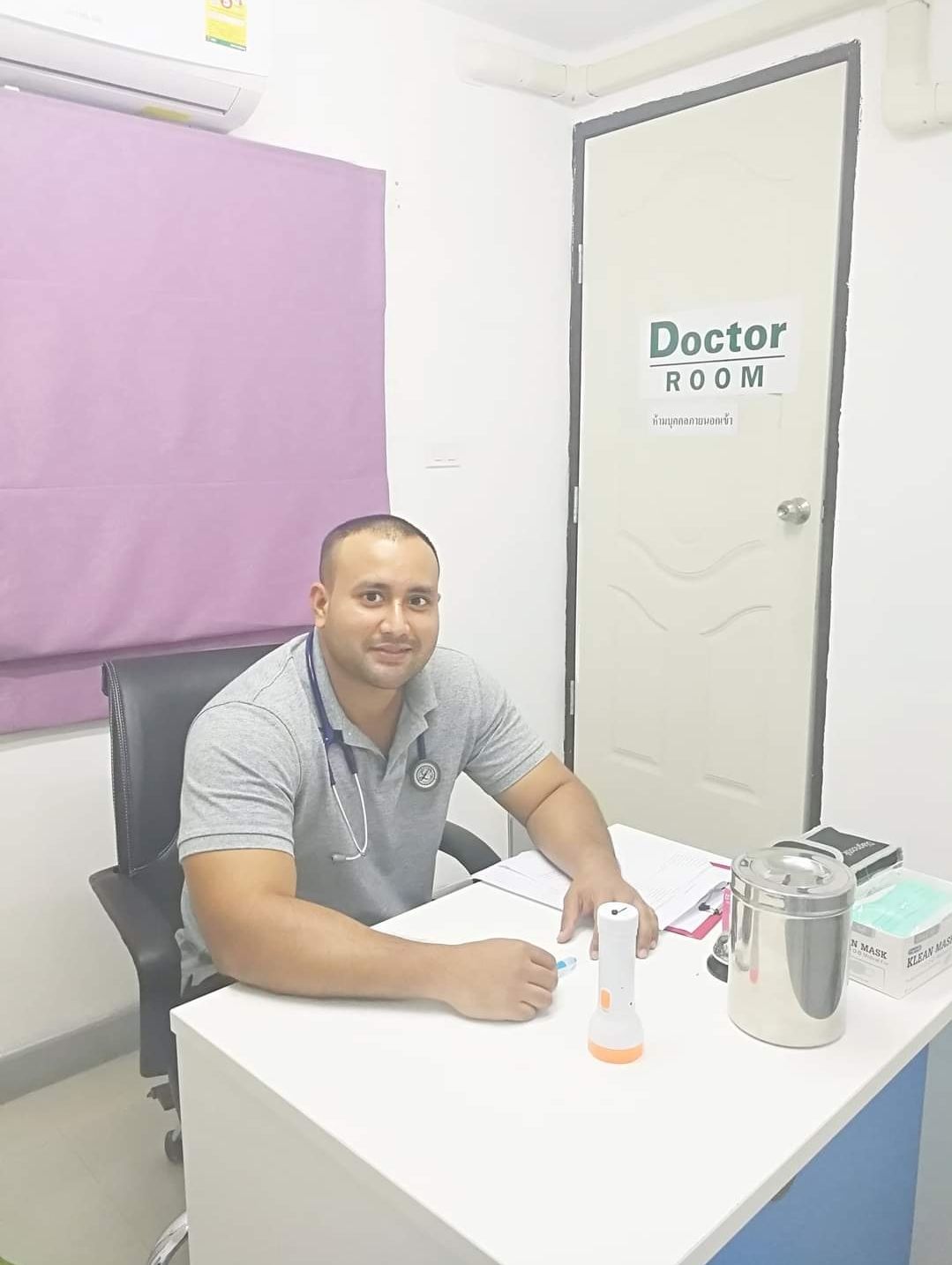
Dr. Ponlawat Pitsuwan is a physician at Doctor Bangkok, a private clinic in central Bangkok. He sees expats, residents, and medical tourists for general medicine, wellness consultations, and IV therapy. His focus is straightforward, evidence-based care delivered in plain language.