

Clinically reviewed by Dr. Ponlawat Pitsuwan, Physician, Doctor Bangkok. Last reviewed: September 2026
For most healthy adults, 5000 mcg of vitamin B12 daily is not acutely toxic. B12 is water-soluble, and your body excretes what it does not need. But whether you actually need that dose depends on your absorption, your diet, and your blood levels — not the number on the bottle. Get tested before committing to a long-term supplement routine.
I see this a lot from expats who have moved to Bangkok, started feeling tired and foggy, grabbed a high-dose B12 bottle from Tops or a Sukhumvit pharmacy, and are now wondering if they are overdoing it. The short answer is: probably not harmful, but possibly unnecessary, and almost certainly untested.
The confusion is understandable. The recommended daily intake for a healthy adult is 2.4 mcg. The bottle in your cabinet says 5000 mcg. That gap deserves a straight explanation. Here is what actually matters, who the high dose is genuinely for, and how to find out where you stand.

Why B12 Supplements Are Sold at 5000 mcg When the Daily Requirement Is 2.4 mcg
Your gut absorbs B12 through a protein called intrinsic factor. It is efficient but has a ceiling — roughly 1.5 to 2 mcg per meal through that route. Once you exceed that, the body switches to a slower backup system that absorbs about 1% of whatever remains. Swallow 5000 mcg, and passive absorption adds around 50 mcg on top of the baseline amount. Your body ends up absorbing a few dozen micrograms total.
That is the logic behind the dose. The number on the label is not what reaches your bloodstream. The high dose is designed to push a useful amount through an inefficient system.
Who Actually Needs 5000 mcg — and Who Is Just Wasting Money
Most healthy adults eating meat, fish, eggs, and dairy do not need anywhere near 5000 mcg daily. A 250 to 500 mcg supplement would cover them. But there are specific groups where a higher dose is genuinely warranted.
Vegans living in Bangkok top that list. Thai plant-based diets are excellent in many ways, but they contain no reliable B12. Without supplementation, deficiency is close to inevitable. For vegans, 1000 mcg daily or 5000 mcg two to three times per week are both practical and evidence-supported.
People taking metformin for type 2 diabetes are a group worth watching closely. Metformin reduces B12 absorption over time, and many diabetic expats on long-term metformin are quietly depleting their stores without knowing it. If you have been on metformin for more than a year, check your B12 level. You may need a higher dose to compensate.
After bariatric surgery, B12 absorption drops sharply. These patients often need sustained high-dose oral B12 or injections long-term. Adults over 60 with atrophic gastritis — where the stomach lining thins and produces less intrinsic factor — fall into a similar category. If your stomach is not making enough intrinsic factor, high-dose oral supplements have limited impact, and injections become the better route.

Is 5000 mcg of Vitamin B12 Too Much? What the Evidence Actually Shows
B12 has no established upper tolerable limit, because toxicity studies in healthy adults have not found a dangerous ceiling dose. The body excretes excess B12 through urine. For most people, 5000 mcg daily does not cause harm in the short term.
That said, a few signals in the research are worth knowing. A 2017 study in JAMA Oncology found an association between long-term high-dose B12 supplementation and increased lung cancer risk specifically in male smokers. It was not a small finding. If you are a man who smokes and you are taking 5000 mcg daily for years, that study is relevant to your decision. It is not conclusive, but it is worth discussing rather than ignoring.
High-dose B12 has also been linked to acneiform skin eruptions in some people. Not everyone gets this, and it appears to be dose-related and individual. If you started high-dose B12 a few weeks ago and your skin has broken out, that connection is real and worth considering.
For people with kidney disease, some caution is reasonable. Impaired kidneys clear excess B12 less efficiently. Self-prescribing at this dose is not advisable if you have known renal issues.
When a High B12 Blood Result Is a Red Flag
If you are taking 5000 mcg daily and your blood test shows a high B12 level, that is expected and not a concern. But if your B12 is very high and you are not supplementing, that is a different conversation.
Unexpectedly elevated B12 in someone not taking supplements can be a marker of liver disease, including hepatitis and cirrhosis. In some cases it can signal conditions affecting blood cell production, or certain solid tumours. Do not self-interpret this result. If your blood test comes back high and you are not on a supplement, come in and talk it through. It may be nothing, but it warrants a proper clinical look.
Methylcobalamin vs Cyanocobalamin at 5000 mcg — Does the Form Matter?
Most 5000 mcg supplements come as either methylcobalamin or cyanocobalamin. Supplement marketing strongly favours methylcobalamin, often at a higher price. The clinical picture is more straightforward than the marketing suggests.
Cyanocobalamin is used in most clinical research and is well-absorbed. Methylcobalamin is already in an active form. For most healthy people, this distinction is unlikely to matter. Both forms correct deficiency effectively.
Where the form might matter more is in people with specific genetic variations affecting B12 metabolism, or in those with severe absorption problems. For the average expat taking a daily supplement, the case for paying a premium for methylcobalamin is weaker than the packaging implies. If your levels are good on your current supplement, the form is probably not your issue.
How to Know If You Actually Need 5000 mcg of B12
Supplement decisions should follow blood results, not replace them. That is what I tell patients every time.
A standard serum B12 test tells you the level in your blood and is a useful starting point. A functional marker called methylmalonic acid, or MMA, goes deeper. MMA rises when B12 is not working properly at the cellular level, even if the serum level looks normal. For patients with fatigue, tingling, or memory issues but a normal serum B12, MMA can reveal what is actually going on.
At Doctor Bangkok, a B12 blood test is straightforward to arrange during a general health check or a standalone consultation. We run the relevant tests, interpret your results in context, and tell you specifically whether 5000 mcg is right for your situation, whether an injection would serve you better, or whether you do not need to supplement at all.
B12 Injections vs High-Dose Oral Supplements
For people with absorption problems, an injection wins every time. It bypasses the gut entirely, so the absorption issue becomes irrelevant. If you have pernicious anaemia, have had bariatric surgery, or have severe atrophic gastritis, injections are the right route.
For people with dietary deficiency or mild depletion with an intact gut, high-dose oral supplementation at 1000 to 2000 mcg daily has shown results comparable to injections in clinical research. The 5000 mcg oral tablet is not wrong for this group, but it is not necessarily better than a lower dose either.
If you are unsure which category you fall into, a blood test and a short consultation will answer that quickly. Doctor Bangkok offers B12 injections for patients who need them, and can advise whether oral supplementation is the right approach for your situation.
Book a consultation at Doctor Bangkok if you are taking 5000 mcg of B12 daily and have never had your levels checked, or if a recent blood test came back with a result you are unsure about. We offer B12 blood testing, full health checks, and B12 injections for patients with confirmed absorption problems or deficiency. Our English-speaking doctors are available seven days a week at our central Bangkok clinic, a short walk from BTS. No referral needed. Visit doctorbangkok.co.th.
Frequently Asked Questions
Dr. Ponlawat Pitsuwan
Physician, Doctor Bangkok
a private medical clinic in central Bangkok. He sees expats, residents, and medical tourists for general health concerns, nutritional assessments, blood testing, and preventive care. His focus is straightforward, evidence-based care delivered in plain language.
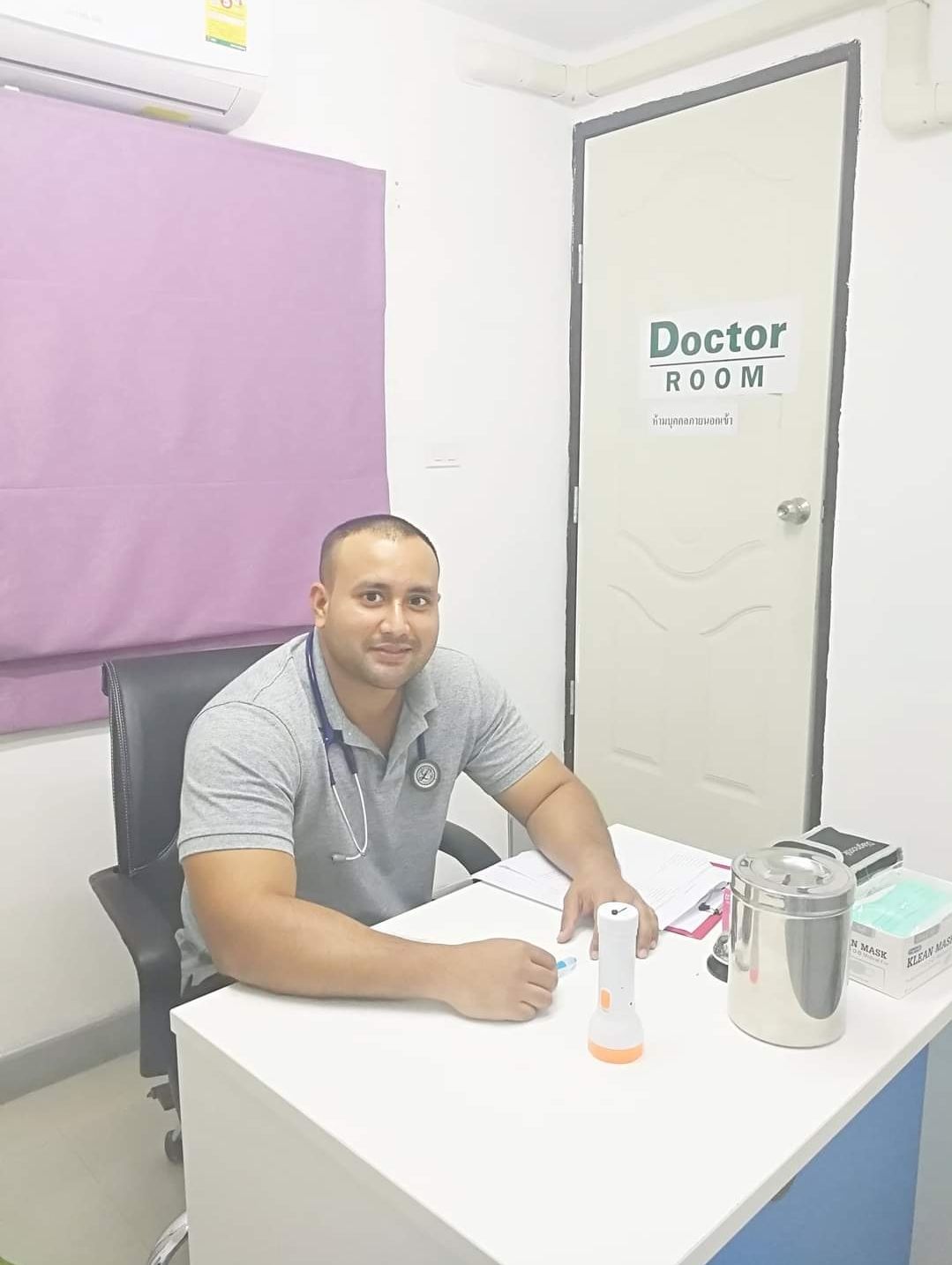
Dr. Ponlawat Pitsuwan is a physician at Doctor Bangkok, a private clinic in central Bangkok. He sees expats, residents, and medical tourists for general medicine, wellness consultations, and IV therapy. His focus is straightforward, evidence-based care delivered in plain language.