

Clinically reviewed by Dr. Ponlawat Pitsuwan, Physician, Doctor Bangkok. Last reviewed: August 2026
A lump near the spine in the middle back is usually something benign, like a lipoma or sebaceous cyst. Most people reading this do not have anything serious. But any new, growing, or painful lump near the spine deserves a proper assessment. Texture, mobility, and associated symptoms help guide urgency, and a doctor can often give you a clear answer in a single visit.
You noticed it getting dressed, or a friend pointed it out. A lump, right along or next to your middle back, near the spine. You are not sure how long it has been there. You searched online, found a wall of medical terms, and now you are more anxious than before.
Most lumps that sit just under the skin beside the spine are benign. Lipomas, cysts, and muscle-related swellings make up the large majority of what I see in clinic. But I will be straight with you: not every lump is harmless, and some need prompt assessment. Here is what to look for and what to do next.

What a Lump Near the Spine in the Middle Back Could Be
The phrase "lump near the spine" covers a wide range. Some lumps sit just under the skin. Others are deeper, attached to muscle, bone, or spinal structures. They are very different problems, and location matters.
A soft, moveable bump just under the skin is almost always a lipoma or cyst. A lipoma is a slow-growing collection of fat tissue. It feels like a smooth, rubbery dome that slides easily under your finger. It is the most common reason patients come in with this concern.
A sebaceous cyst forms from a blocked skin gland. It tends to feel firmer and may have a small central point on the surface. Both are benign and rarely cause serious problems.
Deeper lumps that you cannot move with your fingertip are a different category. These could involve muscle, the small joints connecting your vertebrae, or the spine itself. An osteophyte, a bony overgrowth from the vertebra, can be felt as a hard, fixed ridge. A synovial cyst can grow from a worn facet joint and cause local pain or nerve symptoms. Any lump sitting alongside the spinal column in the muscle tissue needs imaging to assess properly.
The Desk Worker’s Lump Most People Have Never Heard Of
This one surprises a lot of patients. If you spend most of your day sitting, and between the office and Bangkok traffic that is a lot of hours, you may develop what are called episacral lipomas. Some doctors call them "back mice." They are small, firm fatty nodules that form in the connective tissue over the lower thoracic or sacral region.
They can be surprisingly painful for their size. The pain sometimes radiates toward the buttock or hip, which confuses people into thinking it is a hip problem. They are linked to chronic postural stress and are frequently missed or called muscle spasm.
If you have a tender nodule near the spine and spend most of your day seated, mention it specifically. It is treatable once correctly identified, usually with a local injection or a minor procedure.

Soft, Hard, or Fixed: What the Feel of It Tells You
Texture and mobility are the two most useful things you can notice before you see a doctor. They are not a diagnosis, but they help with urgency.
A soft, smooth lump that moves easily, does not hurt when pressed, and has been the same size for months is low-risk in presentation. This fits a lipoma or a benign cyst. Still worth having checked, but not an emergency.
A lump that is hard, irregular, fixed to the tissue beneath, or has grown noticeably over a few weeks is a different story. Hard and fixed are the two features I want to know about first. Pain at rest, especially at night, shifts the priority regardless of texture.
Red Flag Symptoms That Need Prompt Medical Assessment
Most lumps near the spine are not urgent. But some are, and I want you to know the difference clearly.
Come in the same day, or go to an emergency service, if the lump appears alongside any of the following: numbness or weakness in your legs, loss of bladder or bowel control, rapid growth over two to four weeks, unexplained weight loss, a personal history of cancer, or a lump larger than five centimetres across.
Tingling down the legs, difficulty walking, or any loss of control below the waist are not symptoms to monitor at home. These need same-day assessment.
Soft tissue sarcoma is rare, but it exists. A deeply seated, fast-growing, firm mass in an adult is the combination that warrants urgent review. Most lumps are not this. But if several of those features are present together, do not wait.
Is the Back Pain Coming From the Lump, or Something Else?
This comes up often. Someone has back pain, finds a lump, and assumes one caused the other. Sometimes that is true. Often it is not.
A lipoma beside the spine is usually painless. If you have significant back pain alongside it, the pain is likely coming from somewhere else, a disc, a facet joint, or muscle tension. The lump may be entirely coincidental.
Episacral lipomas genuinely do cause pain. Synovial cysts can press on nearby nerves and produce radiating symptoms. Osteophytes can irritate nerve roots as they grow. The only way to know is a proper clinical assessment.
Tell the doctor about both the lump and the pain, and let the examination and imaging separate them. Do not try to connect the dots yourself.
What Happens When You Come In
When a patient comes in with a lump near the spine, the visit follows a clear sequence. I start by asking when it appeared, whether it has changed, whether it hurts, and what your general health history looks like.
Then I examine it directly. I can assess size, consistency, depth, mobility, and whether pressing it causes pain. For most soft, mobile, painless lumps, a confident working assessment is possible at that visit.
If imaging is needed, ultrasound is usually the first step. It is quick, affordable, and can distinguish a cyst from a solid mass without radiation. If the lump appears deeper or you have neurological symptoms, an MRI gives a more detailed picture of the spine and surrounding structures. In cases where a mass looks unusual on imaging, a fine-needle biopsy may be arranged. This is not common, but it removes uncertainty when the diagnosis is unclear.
Getting a Lump Near the Spine Checked in Bangkok as an Expat
A lot of expats I see have been sitting on a symptom for months. They are busy, they do not know how the system works here, or they are not sure the concern is big enough to act on. I get it.
You do not need a hospital for this. You do not need to navigate Thai-language paperwork or wait weeks for an appointment. A private GP clinic with English-speaking doctors is the right first step for any new lump that is not an emergency.
At Doctor Bangkok, we see expats and medical tourists for exactly this kind of assessment every day. You come in, we examine you, we arrange imaging if needed, and you leave with a clear answer instead of a browser tab full of conflicting information. We are BTS accessible and open around the clock. If the lump needs specialist input, such as a surgeon or spine specialist, we handle that referral for you.
Treatment Depends on What It Is
Treatment follows diagnosis, so there is no single answer here. But here is a realistic map.
Lipomas that are small, painless, and stable are usually left alone. If one is causing discomfort, growing, or is cosmetically concerning, removal under local anaesthetic is straightforward. Sebaceous cysts are treated similarly. If one becomes infected, it needs prompt attention, as it can become quite painful and may need drainage.
Episacral lipomas often respond well to a local corticosteroid injection, which can significantly reduce pain without surgery. Synovial cysts from facet joint degeneration are managed with physiotherapy, pain relief, or specialist-guided injection.
If imaging reveals something that does not fit a clear benign pattern, the next step is specialist referral. A good GP visit sets that process in motion quickly and without unnecessary delay.
If you have found a lump near your spine and are not sure what to do, come in and get it assessed. Doctor Bangkok offers general medical consultations with English-speaking physicians, seven days a week, around the clock. We are in central Bangkok and BTS accessible. No referral needed. Walk in or book ahead at doctorbangkok.co.th.
Frequently Asked Questions
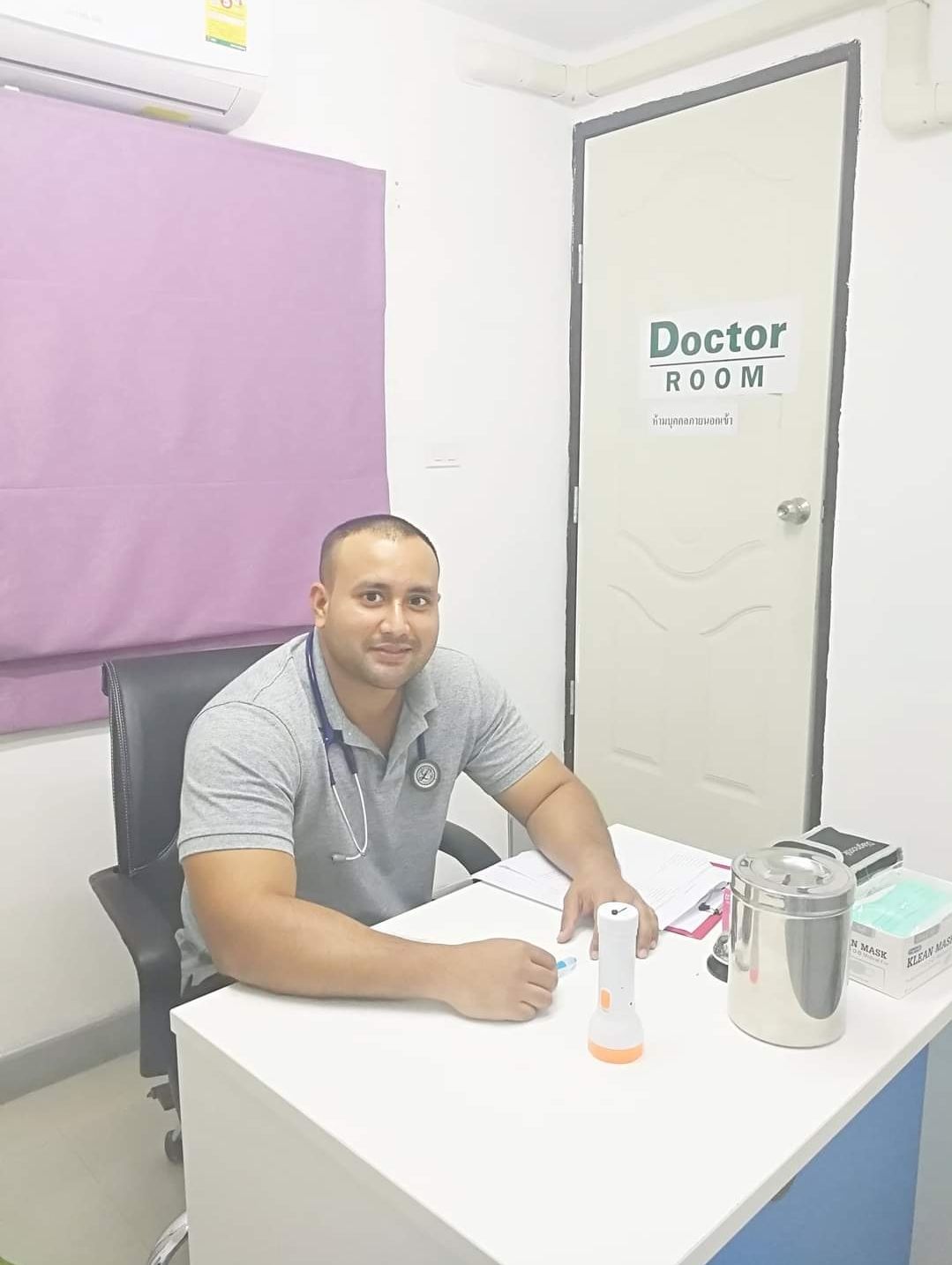
Dr. Ponlawat Pitsuwan is a physician at Doctor Bangkok, a private clinic in central Bangkok. He sees expats, residents, and medical tourists for general medicine, wellness consultations, and IV therapy. His focus is straightforward, evidence-based care delivered in plain language.